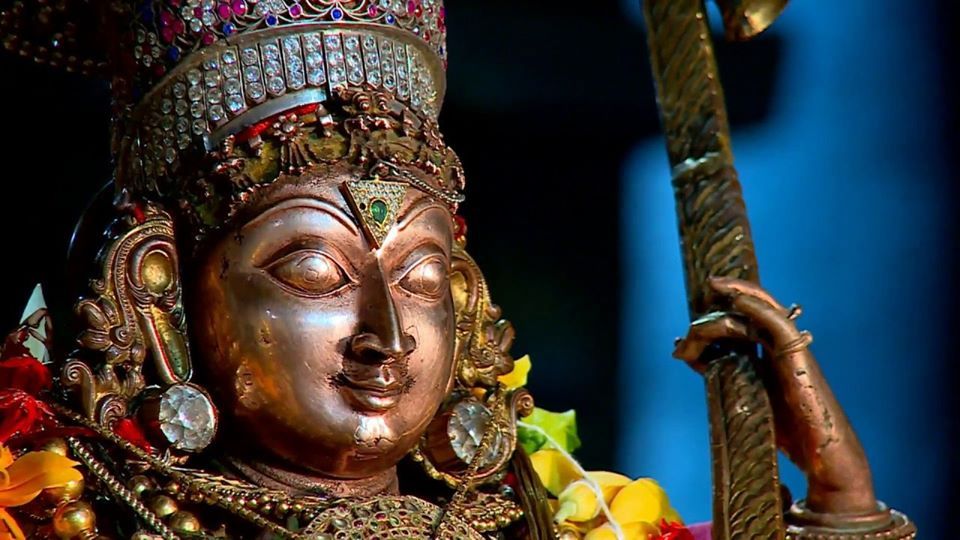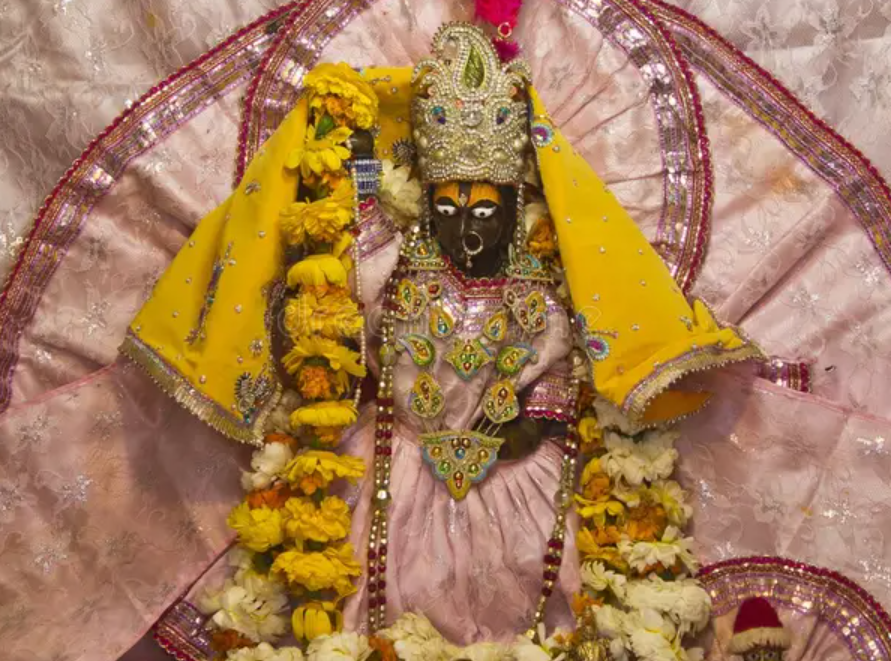
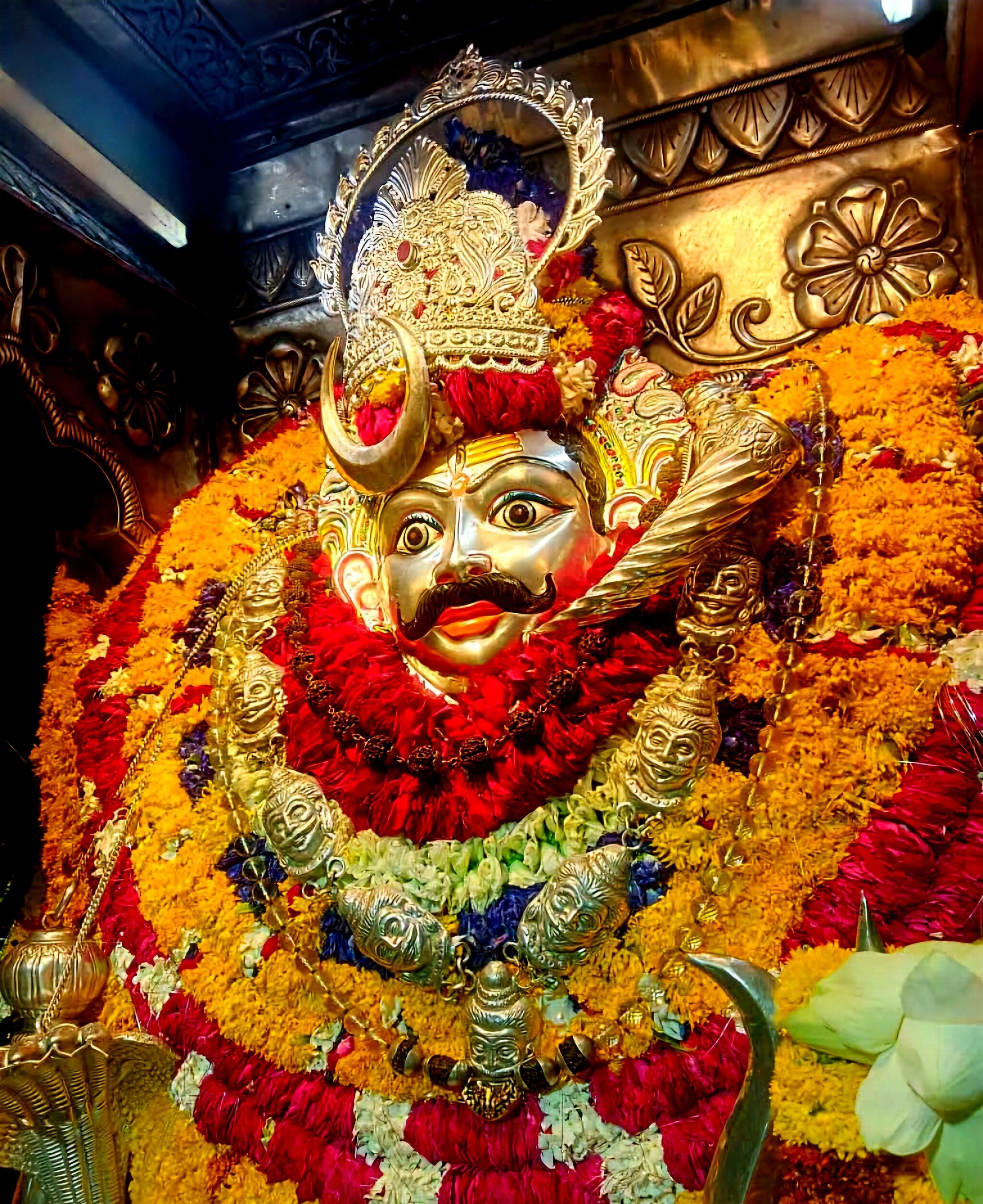
Kalashtami: The Sacred Monthly Observance of Kal Bhairav
Kalashtami is not for the faint-hearted – this monthly observance on Krishna Paksha Ashtami summons Bhagawan Kal Bhairav, the most fearsome form of Shiva who severed Brahma’s ego and rules over time itself, demanding complete devotion through fasting, tantric worship, and the courage to face one’s inner demons, offering in return what no other vrat can: the destruction of karmic bondage, freedom from the fear of death, and the direct path to moksha.
Understanding Kalashtami – The Festival of Time’s Master
When the moon begins its waning journey and reaches its eighth day, devotees across Bharat awaken to honor one of the most formidable forms of Paramatma – Kal Bhairav. This is not merely a festival; it is a spiritual sadhana, a monthly reminder that time devours everything except the Atma.
Kalashtami arrives twelve times each year, falling on the Ashtami tithi of Krishna Paksha (waning moon phase) in every Hindu lunar month. While all Kalashtami observances carry profound spiritual merit, the annual Bhairava Jayanti during Margashirsha (North India) or Kartik (South India) holds special significance as it marks the actual manifestation day of Lord Kal Bhairav.
This vrat is for those who seek courage over comfort, transformation over tranquility, and moksha over material pleasures. Kal Bhairav does not entertain the weak-hearted; His worship demands complete surrender, fearlessness, and the willingness to confront one’s inner demons.
Who is Bhagawan Kal Bhairav?
The Fierce Guardian of Dharma
Kal Bhairav emerged not from tenderness but from divine fury. He is that aspect of Mahadeva which cannot tolerate arrogance, even from the Creator himself. His very name tells His nature – “Kaal” means time and death, “Bhairav” means the terrifying one. Together, He is the Terrifying Lord who rules over Time itself.
Unlike the gentle, meditative Shiva seated in samadhi on Mount Kailash, Bhairav is active, fierce, and immediate in His justice. He carries a trishul (trident), a damaru (drum), and most distinctively, a danda (staff of punishment) – hence His name “Dandapani.” Around His neck hangs a mala made of skulls, reminding us that this physical body is temporary.
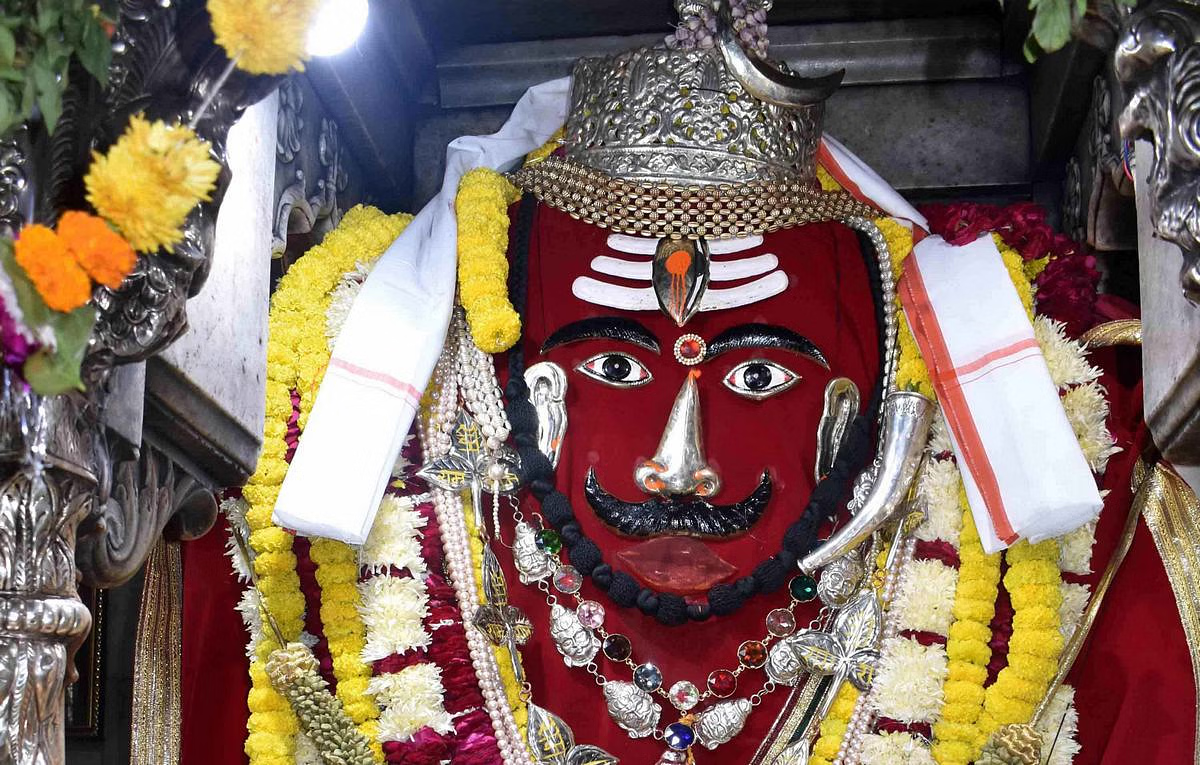
The Ashta Bhairavas – Eight Forms of Divine Protection
Bhagawan Kal Bhairav manifests in eight primary forms (Ashta Bhairavas), each guarding one direction of the universe:
- Asitanga Bhairav (East) – Destroyer of enemies
- Ruru Bhairav (South-East) – Reliever of diseases
- Chanda Bhairav (South) – Grants fearlessness
- Krodha Bhairav (South-West) – Controls anger
- Unmatta Bhairav (West) – Bestows spiritual intoxication
- Kapala Bhairav (North-West) – Removes past karma
- Bhishana Bhairav (North) – Eliminates terror
- Samhara Bhairav (North-East) – Grants ultimate liberation
These Ashta Bhairavas together govern the cosmic forces, and Kal Bhairav is their supreme leader, the Bhairavacharya.
The Sacred Legend – How Kal Bhairav Came to Be
The Story of Brahma’s Pride
Long ago, in the realm of devas, a dispute arose that would shake the very foundations of creation. Brahma, Vishnu, and Shiva – the holy Trimurti – were in discussion when Brahma’s ego began to cloud his wisdom.
Brahma, the Creator, had performed tremendous tapasya and possessed immense knowledge of the Vedas. But slowly, ahamkara (ego) crept into his consciousness. He began to believe himself superior to both Vishnu and Shiva. His arrogance grew so immense that he sprouted a fifth head and declared himself the unchallenged master of all existence, superior even to the other members of the Trimurti.
Sri Maha Vishnu tried to reason with him, but Brahma dismissed even Vishnu’s words. The cosmic balance was disturbed. Dharma itself was challenged.
The Birth of Bhairav – Divine Justice Incarnate
Mahadeva, the embodiment of cosmic justice, did not argue. He did not debate. From His blazing third eye – the eye that once reduced Kamadeva to ash – emerged a dark, terrifying form. Some scriptures say Bhairav emerged from Shiva’s nail, others say from His forehead. But all agree on one thing: He was born from divine wrath.
Kal Bhairav’s appearance was itself a cosmic event. His body radiated the brilliance of a thousand suns, yet His complexion was dark as the moonless night. His eyes blazed with fury, His hair stood like tongues of fire, and He carried weapons that made even devas tremble.
With one swift motion, Bhairav severed Brahma’s fifth head – the seat of his ego. The head fell, yet it stuck to Bhairav’s hand like a curse. This was Brahmahatya – the sin of killing a Brahmin, one of the gravest sins in Sanatana Dharma.
The Path of Atonement – Wandering as Bhikshatana
Now bearing the skull of Brahma, Kal Bhairav became a wandering mendicant, a Kapali. He roamed naked, smeared in ash, visiting every tirtha, every sacred river, every holy mountain. The skull would not fall. It became His begging bowl, and He became Bhikshatana – the divine beggar.
This wandering itself is a teaching. Even God, when performing a necessary act that appears as sin, undergoes penance. Dharma applies to all, without exception.
Bhairav’s atonement ended only when He reached Varanasi – Kashi, the eternal city where Shiva Himself resides as Vishwanath. The moment Bhairav’s feet touched the soil of Kashi, at a place now known as Kapalamochana Tirtha, the skull fell from His hand. He was liberated from the sin.
From that sacred moment, Lord Shiva appointed Kal Bhairav as the Kotwal of Kashi – the eternal guardian and protector of Varanasi. It is believed that no soul can enter or leave Kashi without Bhairav’s permission. Even today, in Kashi’s cremation ghats, the departed souls must first seek His blessings.
Spiritual and Astrological Significance of Kalashtami
Why the Eighth Day of the Waning Moon?
Ashtami of Krishna Paksha is not randomly chosen. As the moon wanes, the nights grow darker, representing the journey inward, into our own shadows. The eighth day specifically represents the peak of this darkness before complete Amavasya.
Spiritually, this is the time when our suppressed fears, hidden egos, and unconscious patterns rise to the surface. Worshipping Kal Bhairav on this day is like holding a cosmic mirror – you see yourself as you truly are, without delusion.
Astrological Remedies Through Bhairav Worship
In Jyotish Shastra (Vedic astrology), Kal Bhairav is intimately connected with Shani (Saturn) and Rahu – the two planets that teach through hardship and karmic lessons.
Kalashtami vrat provides relief from:
- Shani Dasha and Sade Sati – Saturn’s testing periods
- Rahu Mahadasha – Rahu’s confusing and deceptive phases
- Kaal Sarp Dosha – When all planets are hemmed between Rahu and Ketu
- Afflicted 8th House – Issues of sudden change, inheritance, and longevity
- Pitru Dosha – Ancestral karmic debt
- Akaala Mrityu – Fear of untimely death
The fasting, rituals, and mantras performed on Kalashtami act as powerful remedies, creating a protective shield around the devotee’s life.
Tantric Significance – The Gatekeeper to Higher Wisdom
In tantric traditions, Bhairav is not merely a deity to be worshipped – He is the Guru. No tantric sadhana is considered complete without Bhairav’s grace. He guards the cremation grounds (smashaana), the spaces between life and death, and is the protector of all 51 Shakti Peethas where Sati’s body parts fell.
Tantrics perform midnight sadhanas on Kalashtami because Bhairav’s energy is most accessible during Nisha Kaal (night time). The offerings made to Him – which may include items considered taboo in mainstream worship – represent the transcendence of duality, the acceptance that the Divine exists beyond our limited notions of pure and impure.
Kalashtami Puja Vidhi – The Complete Ritual Process
Preparation Before the Vrat
The night before Kalashtami:
- Decide your level of fasting (Nirjala, Phalahari, or simple observance)
- Clean your puja space thoroughly
- Arrange all necessary puja items
- Mentally prepare yourself for the intensity of Bhairav’s energy
Dawn of Kalashtami:
- Wake during Brahma Muhurta (approximately 1.5 hours before sunrise)
- Take a purifying bath; if possible, add Ganga jal to your bathing water
- Wear clean clothes; traditionally black or blue colored garments are preferred
- Take a sankalp (sacred vow) stating your intention for the fast
Puja Samagri (Required Items)
| Category | Items |
|---|---|
| For Deity Setup | Kal Bhairav murti/photo/yantra, wooden chowki, red or black cloth |
| Oils & Lamps | Mustard oil (sarson ka tel), four-faced diya (chaumukhi deepak), guggal dhoop |
| Flowers & Leaves | White flowers, bilva patra (bel leaves) – avoid turmeric/haldi |
| Food Offerings | Urad dal (whole black gram), black sesame (til), jaggery roti, meetha rott, milk |
| Worship Items | Kumkum, chandan (sandalwood paste), agarbatti, camphor, coconut |
| For Abhishekam | Panchamrit (milk, curd, ghee, honey, sugar), sacred water |
Special Note: Unlike regular Shiva puja, turmeric (haldi) is NOT offered to Kal Bhairav. This is an important distinction.
Step-by-Step Puja Procedure
1. Establishing the Sacred Space
- Face East or North while performing puja
- Place Bhairav’s image on a clean wooden platform
- Light the mustard oil lamp and dhoop
2. Invocation (Avahanam)
Begin by mentally or verbally inviting Kal Bhairav’s presence into your puja space. You may simply fold your hands and sincerely call upon Him with devotion:
“Kal Bhairav Baba, I humbly invite Your divine presence. Please accept my worship and bless me with Your protection.”
Important Note on Mantras: Powerful Bhairav mantras like the Batuk Bhairav mantra, Kal Bhairav Gayatri, and other beej mantras should only be chanted after receiving proper initiation (upadesam) from a qualified Guru. These are not ordinary chants but potent spiritual tools that require proper guidance, pronunciation, and understanding of their application.
For devotees without Guru initiation, simple, sincere prayers and the basic mantra “Om Namah Shivaya” or “Om Kaal Bhairavaya Namah” are perfectly acceptable and equally effective when chanted with pure devotion.
3. Ganesh Puja First As per Vedic tradition, always worship Bhagawan Ganesha first to remove obstacles from the puja itself.
4. Abhishekam (Sacred Bath) If you have a metal or murti, perform abhishekam with:
- Plain water first
- Panchamrit (sacred mixture of five nectars)
- Milk
- Rose water
After each offering, chant: ॐ कालभैरवाय नमः (Om Kaal Bhairavaya Namah)
5. Alankaram (Adornment)
- Apply kumkum and chandan
- Offer white flowers
- Place bilva leaves
- Drape the image with a garland
6. Naivedyam (Food Offering) Prepare and offer:
- Meetha rott (sweet flatbread made with jaggery and flour)
- Urad dal preparations
- Milk mixed with jaggery
- Fruits
Note on Liquor Offering: In tantric traditions and at specific temples like Ujjain’s Kal Bhairav Mandir, liquor is offered as part of the Panchamakara ritual. However, for home worship, this is optional and can be substituted with symbolic offerings or simply omitted. The devotion matters more than the material offering.
7. Mantra Japa and Stotra Recitation
For Devotees With Guru Initiation: Those who have received proper upadesam from their Guru may chant the specific Kal Bhairav mantras taught to them, using a rudraksha mala for the prescribed number of repetitions.
For General Devotees:
- Chant “Om Namah Shivaya” 108 times with full devotion
- Recite “ॐ कालभैरवाय नमः” throughout the puja
- Simply speak from your heart, sharing your prayers, fears, and requests with Bhairav
Kal Bhairav Ashtakam: This eight-verse hymn composed by Adi Shankaracharya is safe and highly beneficial for all devotees to recite. It describes Bhairav’s form, His glories, and grants liberation from the cycle of birth and death. Reading or listening to this stotra with understanding brings immense merit.
Remember: Bhairav values the purity of your heart and sincerity of devotion far more than complex mantras chanted mechanically. A simple, heartfelt “Bhairav Baba, please protect me” carries more power than mantras chanted without understanding or authorization.
8. Aarti Light camphor and perform aarti with bells, singing traditional Bhairav aarti songs. Use conch shells if available.
9. Pradakshina and Pranam Perform pradakshina (circumambulation) mentally or physically if space permits. Offer full prostration (sashtang namaskar) and seek His blessings.
The Sacred Vrat Katha – Story to be Recited
After completing the puja, sit calmly and narrate or listen to the Kalashtami vrat katha from the Shiva Purana. This story of how Bhairav humbled Brahma and His journey of penance serves as a powerful reminder that ego is the greatest enemy of spiritual progress.
The katha reinforces that:
- Pride leads to downfall, even for the Creator
- Dharma applies equally to all beings
- Atonement and surrender lead to liberation
- Time (Kaal) is the ultimate truth that humbles everything
Essential Customs and Traditions
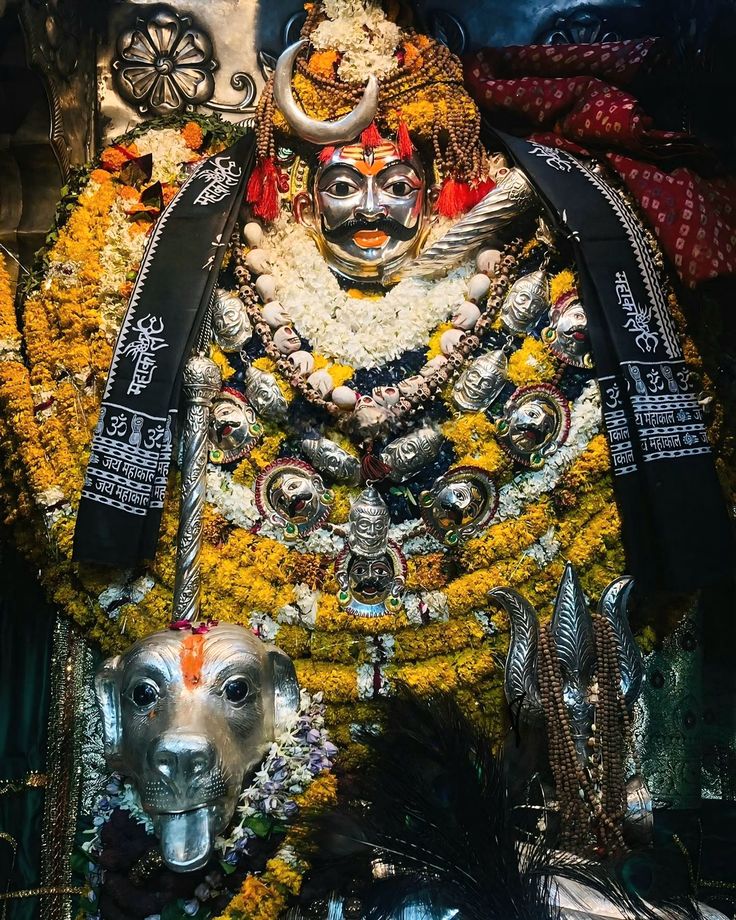
Feeding Black Dogs – The Vahana Seva
One of the most important and non-negotiable traditions of Kalashtami is feeding black dogs. The dog is Lord Kal Bhairav’s vahana (divine vehicle), and serving dogs is considered direct service to Bhairav Himself.
What to offer dogs:
- Milk mixed with rice
- Sweet rotis
- Curd rice
- Any sattvic vegetarian food
This act of compassion toward street animals not only pleases Bhairav but also brings immediate blessings of protection and removes obstacles. Many devotees report that after regularly feeding dogs on Kalashtami, their life challenges significantly reduced.
Midnight Jagran – The Night Vigil
Serious practitioners observe a night-long vigil (ratri jagaran), staying awake throughout the night chanting mantras, singing bhajans, and meditating on Bhairav’s form.
Midnight (12 AM) to 1 AM is considered the most powerful time for Bhairav sadhana. This is when tantric practitioners perform advanced rituals and seek siddhis (spiritual powers).
Visiting Bhairav Temples
If possible, devotees visit Kal Bhairav temples on this day. The most prominent ones are:
| Temple | Location | Special Feature |
|---|---|---|
| Kaal Bhairav Mandir | Varanasi, Uttar Pradesh | Kotwal of Kashi; Guardian deity of Varanasi |
| Kal Bhairav Temple | Ujjain, Madhya Pradesh | Famous for liquor offering tradition |
| Shri Kilkari Bhairav | Delhi | Ancient Mahabharata-era temple |
| Batuk Bhairav Temple | Chanakyapuri, Delhi | Bhairav in child form |
| Bhairav Baba Temple | Vaishno Devi, J&K | Associated with Mata Vaishno Devi pilgrimage |
The Ujjain Liquor Offering Tradition – A Unique Tantric Practice
The Kal Bhairav Temple in Ujjain, situated on the banks of the sacred Shipra River, is renowned worldwide for its unique ritual of offering liquor to the deity. This practice is rooted in the ancient Panchamakara tantric tradition, where five elements (madya/liquor, maansa/meat, matsya/fish, mudra/gesture, and maithuna/union) are offered in specific esoteric rituals.
How the ritual happens:
- Devotees purchase bottles of liquor from licensed vendors outside the temple
- The priest pours the liquor into a shallow plate (saucer)
- The plate is placed near the deity’s mouth, which has a small opening
- The liquor mysteriously disappears, believed to be consumed by Bhairav Himself
- Several hundred liters of liquor are offered daily at this temple
Recent updates indicate this tradition continues with full devotion, and even during the Ujjain Kumbh Mela when alcohol sales were banned citywide, the shops near Kal Bhairav temple were allowed to operate as the offering is considered religious practice, not consumption.
For home worship: This tantric practice is temple-specific and optional. Home devotees can focus on traditional offerings like flowers, fruits, and sweets. The essence of devotion matters more than the material offering.
Benefits of Observing Kalashtami Vrat
Spiritual Benefits
- Ego Destruction – The primary benefit; Bhairav destroys the false self and reveals the true Atma
- Fearlessness – Eliminates fear of death, darkness, and unknown
- Karmic Cleansing – Burns past karmas and ancestral debts
- Moksha Path – Creates direct pathway to liberation
- Siddhi Attainment – For serious tantric practitioners, grants spiritual powers
Material and Worldly Benefits
- Protection from enemies – Both visible and hidden adversaries
- Victory in legal matters – Court cases and disputes resolve favorably
- Financial stability – Debt relief and wealth accumulation
- Health improvements – Relief from chronic diseases and ailments
- Accident prevention – Protection during travel and daily activities
- Black magic removal – Shields against evil eye, tantra attacks, and negative energies
Psychological and Emotional Benefits
- Mental strength – Builds courage and resilience
- Discipline development – The fasting and rituals create self-control
- Anger management – Bhairav’s energy transforms destructive anger into constructive action
- Depression relief – The divine connection brings hope and purpose
- Addiction recovery – Many devotees report freedom from substance dependencies
How to Observe Kalashtami – Three Levels
Level 1: Complete Vrat (For Serious Practitioners)
- Nirjala Fast – No food or water from sunrise until next morning
- Full puja with all rituals
- Midnight jagran with continuous mantra chanting
- Temple visit
- Extensive charity and dog feeding
- Recitation of Shiva Purana chapters
This level requires physical stamina and spiritual preparation. Not recommended for beginners, children, elderly, or those with health conditions.
Level 2: Moderate Observance (For Regular Devotees)
- Phalahari Fast – Only fruits, milk, and water consumed once after evening puja
- Morning and evening puja
- Mantra japa (at least 108 times)
- Ashtakam recitation
- Dog feeding
- Basic charity
This is the most commonly followed method, balancing spiritual intensity with practical feasibility.
Level 3: Simple Celebration (For Beginners)
- Light a mustard oil lamp in the evening
- Offer flowers and fruits to Bhairav’s picture
- Chant basic mantra 21 times
- Listen to or read the vrat katha
- Feed street dogs
Even this simple observance, done with genuine devotion, brings Bhairav’s blessings. Remember, it’s not the complexity of ritual but the purity of intention that matters.
Regional Celebrations Across Bharat
North India
Varanasi (Kashi): The spiritual capital hosts the most significant celebrations. The Kaal Bhairav temple reveals its fully adorned deity, usually kept partially covered throughout the year. Devotees perform the Ashta Bhairav Yatra, visiting all eight Bhairav temples around the city. The midnight aarti at Kaal Bhairav Mandir draws thousands.
Ujjain: Apart from the daily liquor offering ritual, Kalashtami sees special tantric ceremonies. The temple, believed to be over 6,000 years old, hosts all-night bhajan sessions and elaborate abhishekams.
South India
In South Indian states, Kalashtami (particularly the annual one) falls in the Tamil month of Karthikai. Bhairav is worshipped as “Bhairavar” or “Kshetrapalaka” and is considered the guardian deity of village temples. Special kolams (rangoli) are drawn, and oil lamps are lit in rows.
Western India
Maharashtra’s Mangalwedha hosts a famous Ashtanga Bhairav temple where grand processions are organized. Gujarat witnesses fairs combining devotion with folk traditions.
Eastern India
In Bengal and Odisha, tantric traditions are strong. Kalashtami is observed with special significance in cremation grounds where Bhairav is the presiding deity. Kali and Bhairav are worshipped together, representing Shakti and Shiva’s unified force.
Frequently Asked Questions About Kalashtami
Q1. What is Kalashtami and when is it celebrated?
Kalashtami is a monthly Hindu observance dedicated to Bhagawan Kal Bhairav, the fierce time-ruling form of Lord Shiva. It occurs on the Ashtami tithi (eighth day) of Krishna Paksha (waning moon phase) in every lunar month, making it a recurring spiritual practice observed twelve times per year.
Q2. Who can observe Kalashtami vrat?
Anyone with sincere devotion can observe this vrat. However, those going through Shani Sade Sati, Rahu Mahadasha, facing legal troubles, experiencing unexplained fears, or seeking spiritual growth particularly benefit from this observance. Pregnant women, seriously ill individuals, and young children should consult elders before undertaking strict fasting.
Q3. Is it mandatory to fast on Kalashtami?
While fasting amplifies the spiritual benefits, it is not absolutely mandatory. Even lighting a lamp, chanting mantras, and offering prayers with devotion brings Bhairav’s blessings. The three levels of observance (complete, moderate, simple) allow everyone to participate according to their capacity.
Q4. Can I eat non-vegetarian food during Kalashtami vrat?
No. Kalashtami vrat requires complete vegetarian sattvic food. Even during Phalahari fasting, only fruits, milk, and specific vrat-friendly foods are consumed. Non-vegetarian items, onion, garlic, and tamasic foods should be strictly avoided on this day.
Q5. Why is feeding dogs important on Kalashtami?
The black dog is Lord Kal Bhairav’s vahana (vehicle). Feeding dogs, especially black ones, is considered direct service to Bhairav. This act of compassion brings immediate protection, removes obstacles, and earns His special blessings. Many devotees experience tangible positive changes after regularly feeding dogs on Kalashtami.
Q6. What is the best time to perform Kalashtami puja?
Morning puja should be performed after bathing, preferably during Brahma Muhurta or at least before noon. However, the most powerful time for Bhairav worship is midnight (Nisha Kaal), particularly between 11 PM to 1 AM. Devotees performing night vigil experience heightened spiritual energy during these hours.
Q7. Which mantra should I chant on Kalashtami?
The primary mantras are:
- Om Kaal Bhairavaya Namah (basic mantra, 108 times)
- Kal Bhairav Gayatri: Om Kaal Bhairavaya Vidmahe Mahadevaya Dheemahi Tanno Bhairavah Prachodayat
Additionally, reciting Kal Bhairav Ashtakam composed by Adi Shankaracharya is highly beneficial.
Q8. What is the difference between monthly Kalashtami and Bhairava Jayanti?
Monthly Kalashtami occurs twelve times a year on every Krishna Paksha Ashtami. Bhairava Jayanti (also called Kaal Bhairav Jayanti) is the annual main festival celebrating the specific day when Kal Bhairav manifested. It falls in Margashirsha month (North India) or Kartik month (South India) and is celebrated with greater intensity, larger temple gatherings, and special rituals.
Q9. Can women observe Kalashtami vrat during menstruation?
While traditional restrictions exist in some communities, the spiritual essence is devotion. Women can maintain mental worship, chant mantras, and feed dogs even during periods. Physical temple visits and touching the altar can be avoided if following traditional practices, but mental devotion continues uninterrupted. Bhairav, being the destroyer of social conditioning, ultimately values sincere bhakti over ritualistic purity.
Q10. Why is liquor offered to Kal Bhairav at Ujjain temple?
This is rooted in ancient Panchamakara tantric traditions where five specific offerings (including madya/liquor) are made to deity forms associated with tantric worship. Kal Bhairav, being the presiding deity of tantric paths and cremation grounds, accepts offerings that transcend conventional purity-impurity concepts. The practice is temple-specific and not required for home worship. It represents spiritual transcendence beyond duality.
Q11. What are the astrological benefits of Kalashtami?
Kalashtami vrat provides relief from:
- Shani (Saturn) related troubles including Sade Sati and Dhaiya
- Rahu-Ketu doshas and Kaal Sarp Yoga
- Afflictions in the 8th house (sudden changes, inheritance issues)
- Pitru Dosha (ancestral karma)
- Protection from untimely death (Akaala Mrityu)
The regular observance creates a protective shield around the devotee’s horoscope.
Q12. How should I break the Kalashtami fast?
For Nirjala (waterless) fast, break with water first, then fresh fruit, and later a light sattvic meal. For Phalahari fast, continue with fruits and milk until the next morning, then resume normal vegetarian meals. The ideal time to break the fast is after sunrise the next day or during Pradosh Kaal (twilight period). Always offer bhog to Bhairav before consuming food yourself.
Q13. Can Kalashtami puja be done at home or must I visit a temple?
Kalashtami puja is equally effective at home if done with proper devotion and procedure. Temple visits add collective spiritual energy and darshan benefits, but are not mandatory. Home worship allows for longer, more personal connection with the deity. Many sincere practitioners combine both – morning home puja and evening temple visit.
Q14. What items should never be offered to Kal Bhairav?
Never offer:
- Turmeric (haldi) in any form
- Flowers used in funeral rituals
- Ketaki flowers (cursed by Shiva)
- Broken or wilted flowers
- Food containing onion or garlic
These restrictions are specific to Bhairav worship and differ from general Shiva puja protocols.
Q15. How long should I continue observing monthly Kalashtami?
Traditional scriptures recommend observing for at least one full year (12 consecutive Kalashtamis) to experience complete benefits. However, many devotees continue lifelong as the practice becomes an integral spiritual discipline. Even observing during difficult periods (Shani Dasha, Rahu period) until situations improve is beneficial. The vrat can be taken up and concluded with proper sankalp (intention) and udyapan (completion ceremony).
Conclusion: The Eternal Call of Kal Bhairav
Kalashtami is not just a vrat; it is a spiritual calling for those brave enough to confront their shadows and transcend the limitations of ego and time. In this materialistic age where people chase pleasures and avoid pain, Bhairav worship offers a different path – the path of fearless transformation.
When you stand before Kal Bhairav, you stand before Time itself. He asks you the most fundamental question: “Are you ready to let go of the false and embrace the eternal?”
This monthly observance, practiced with devotion and discipline, gradually peels away the layers of ignorance, fear, and attachment that bind us to suffering. Bhairav doesn’t promise comfort; He promises liberation. He doesn’t offer escape; He offers confrontation with truth.
As you light that mustard oil lamp each month, as you feed those street dogs, as you chant His powerful mantras, remember – you are not just performing rituals. You are entering into a sacred relationship with the Lord of Time, the Destroyer of Fear, the Guardian of Dharma.
May Kal Bhairav’s fierce grace illuminate your path. May His protective presence shield you from all visible and invisible dangers. May His teaching destroy your ego and reveal the eternal truth of your being.
ॐ कालभैरवाय नमः।
Om Kaal Bhairavaya Namah.
Help Us Keep This Guide Accurate
At Temple Connect, we regularly update our content to ensure you receive the most relevant and authentic information. If you’d like to suggest improvements, share regional traditions, or report any updates, we’d love to hear from you at connect@templeconnect.com