Lalita Jayanti 2026: Date, Timings, Rituals & Celebration Guide
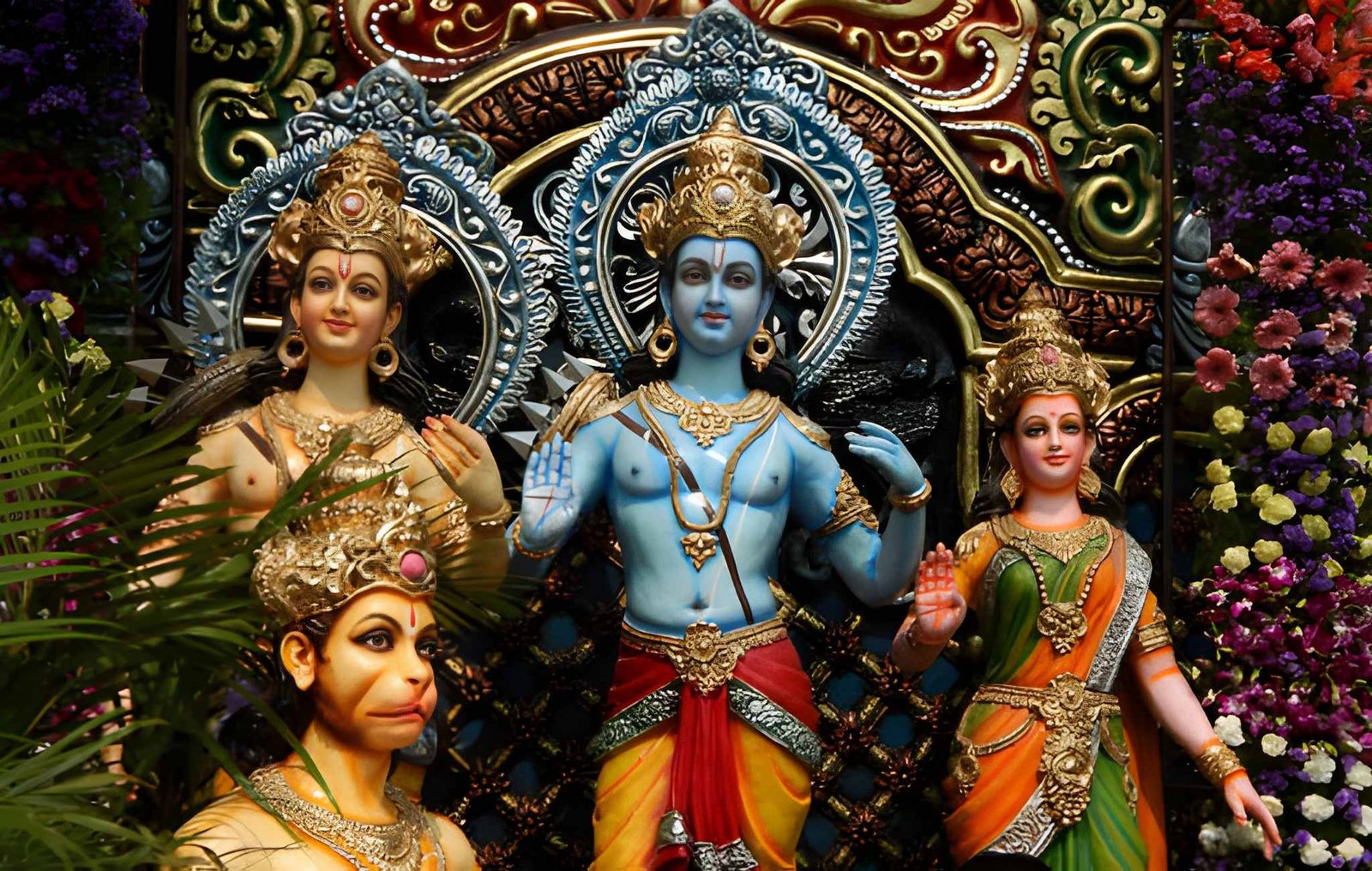
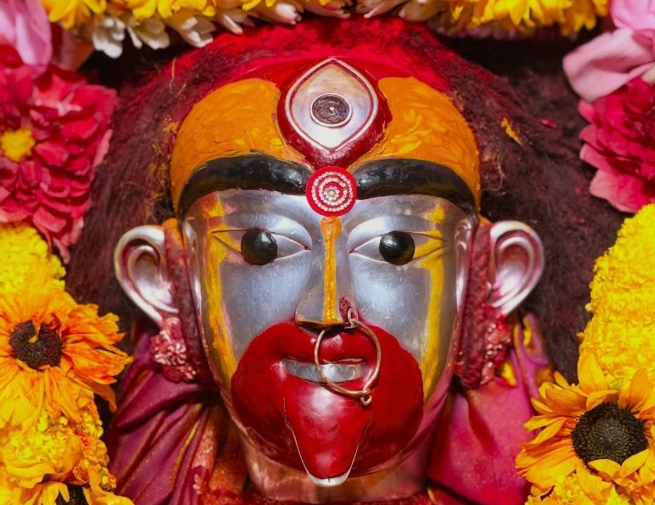
Lalita Jayanti 2026 marks the sacred manifestation of Goddess Lalita Tripura Sundari, the supreme embodiment of divine beauty, wisdom, and conscious bliss, celebrated with profound devotion by followers of the Sri Vidya tradition. This auspicious day invites devotees to align with the Divine Mother’s grace through worship, mantra recitation, and acts of selfless devotion, opening the gates to both material prosperity and spiritual liberation.
Lalita Jayanti 2026
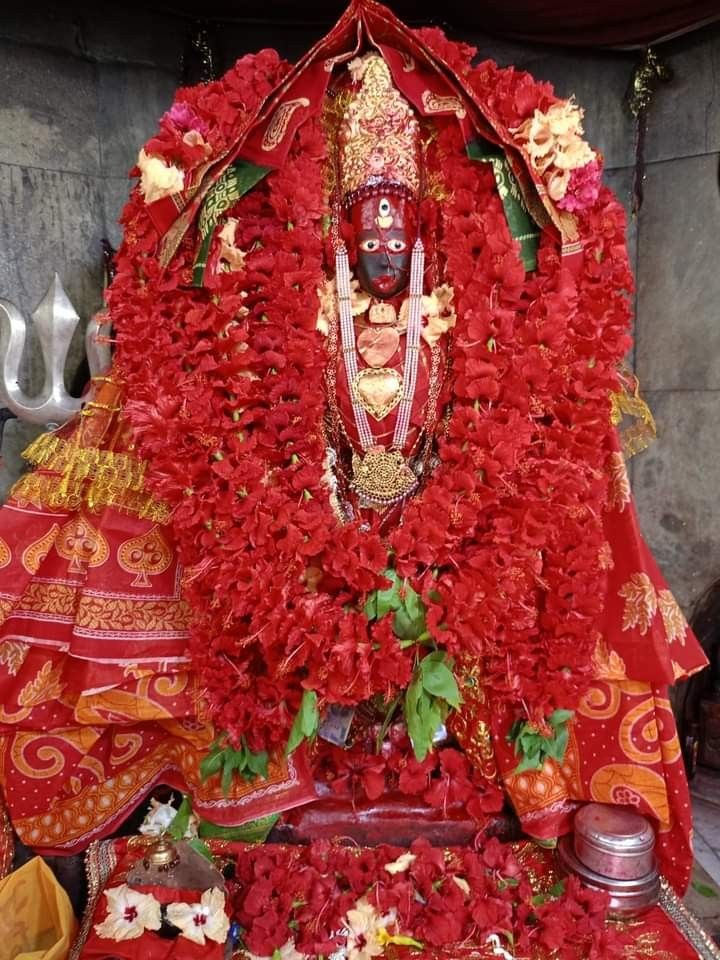
Lalita Jayanti is observed on the Purnima, or full moon day, in the month of Magha (January – February). Lalita Jayanti 2026 date is Sunday, February 1. The day is dedicated to Lalita Devi, a form of Shakti or Mother Goddess. She is associated with the Pancha Mahabhutas or five elements. Goddess Lalita is believed to be the representation or form of the five elements – earth, water, air, fire, and space.
As Tripura Sundari, she is the sovereign of the three realms of existence – physical, astral, and causal. Known also as Shodashi (the eternally complete one) and Rajarajeshwari (the supreme empress), Lalita Devi embodies perfection, divine beauty, and the blissful unity of Shiva and Shakti.
Lalita Jayanti 2026 Date & Tithi Details
Festival Date: Lalita Jayanti 2026 is celebrated and observed on Sunday, February 1, 2026
Day of the Week: Sunday (Ravivar) – ruled by the Sun, symbolizing consciousness and divine illumination, making this alignment especially auspicious for Goddess worship.
Importance of Purnima: The full moon represents completeness and clarity. On Purnima, the mind naturally reflects divine consciousness with minimal distortion, making it the ideal time for meditation, mantra japa, and receiving the Goddess’s grace. In Sri Vidya philosophy, the fifteen lunar phases are governed by fifteen Nitya Devis, while Lalita is honored as the sixteenth – transcending time itself.
Note: Devotees should consult their local panchang for precise tithi timings, as these vary based on geographical location on this Lalita Jayanti 2026.
Auspicious Timings (Muhurats)
Brahma Muhurta
Time: Approximately 4:30 AM to 6:00 AM (varies by location)
The Brahma Muhurta period, occurring roughly 96 minutes before sunrise, is considered the most sattvic time of day. The atmosphere is filled with purity and spiritual energy, making it ideal for beginning Lalita worship, meditation, and Sahasranama recitation.
Sunrise Puja Time
Time: Approximately 6:30 AM to 8:30 AM
Sunrise symbolizes the awakening of consciousness. Performing the main Shodashopachara puja during this window is highly auspicious, especially on Purnima when solar and lunar energies are perfectly balanced.
Evening Puja / Aarti Time
Time: Approximately 5:30 PM to 7:30 PM
The evening sandhya (twilight) period is ideal for concluding the day’s worship with aarti, naivedya offering, and final prostrations. Many devotees break their fast after the evening aarti.
Notes on Regional Panchang Variations
Timings may differ by 15-30 minutes based on your geographical location. Consult local panchangs or temple priests for exact sunrise times and tithi calculations. What remains constant is the devotional intent – when the heart is pure and focused, the Goddess’s presence is assured regardless of minor timing variations.
How Lalita Jayanti 2026 Is Celebrated
Temple Rituals and Special Pujas
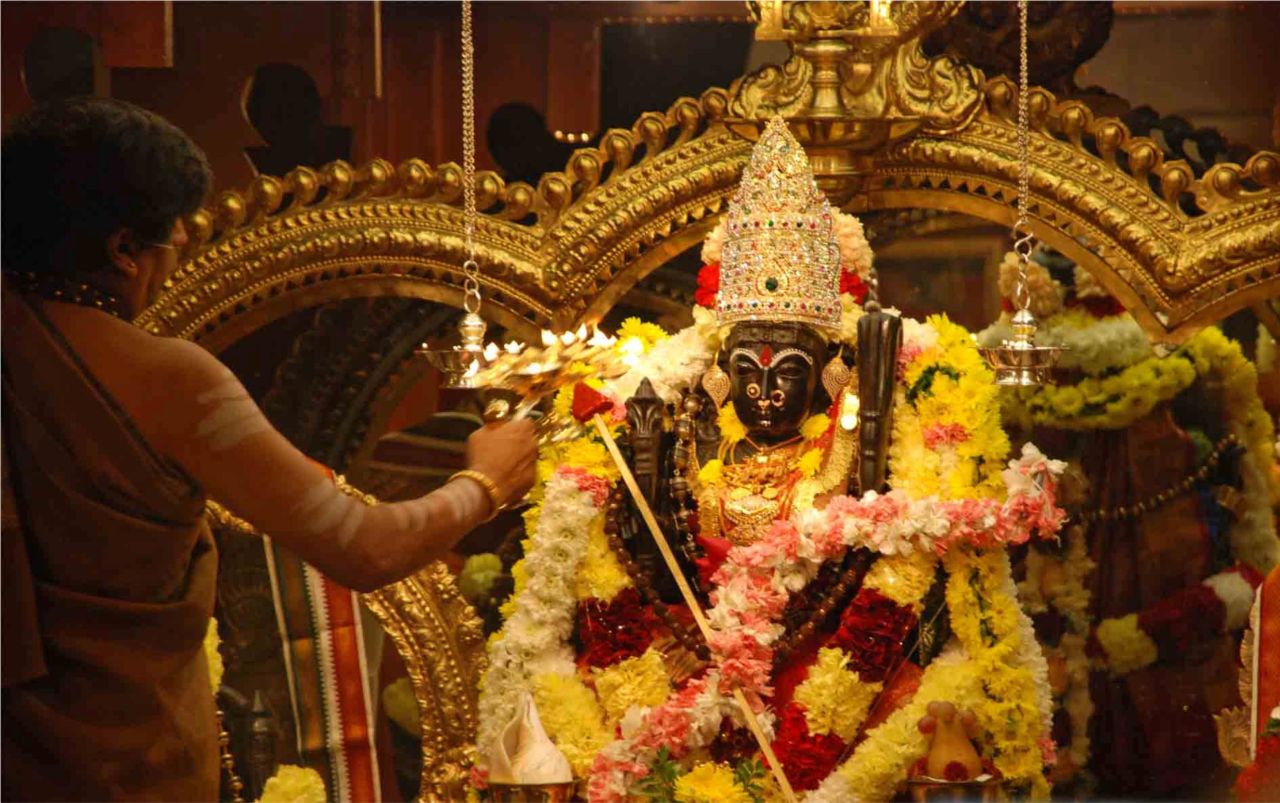
On Lalita Jayanti, temples dedicated to the Goddess conduct elaborate rituals that follow ancient tantric traditions:
Sri Chakra Worship: The Sri Yantra, the geometric representation of the Goddess herself, receives special abhishekam with milk, honey, ghee, and fragrant waters. Priests perform intricate pujas following the Shodashopachara (sixteen-fold worship) method reserved for royalty.
Lalita Sahasranama Parayana: The thousand names of the Goddess are recited continuously throughout the day, often by multiple groups of devotees in relay, ensuring the sacred vibrations never cease.
Special Homams: Fire rituals using specific offerings like coconut, sesame, ghee, and sacred herbs are performed to invoke the Goddess’s blessings for devotees.
Abhishekam with Royal Honors: The deity is bathed with panchamrita (mixture of milk, curd, honey, ghee, and sugar), adorned with silk garments, jewelry, and fresh flowers, and honored with elaborate decorations.
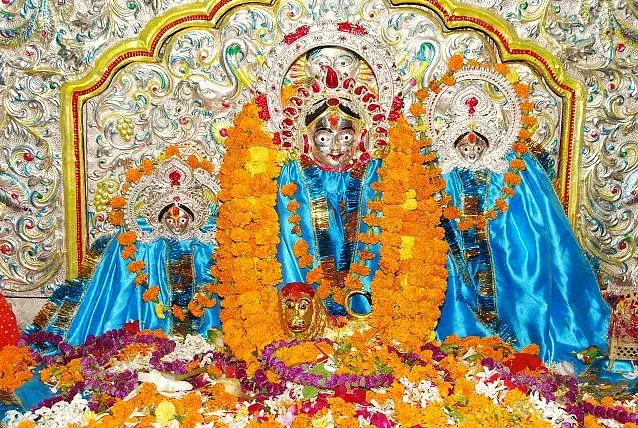
Community Prayers, Homams, and Annadanam
Group Recitations: Devotees gather in temples and community halls for collective Sahasranama recitation, creating a powerful field of devotional energy. Plan and participate to do the same on the occasion of Lalita Jayanti 2026.
Annadanam (Food Distribution): Feeding the hungry is considered one of the highest forms of worship on this day. Temples and wealthy devotees organize mass feeding programs, distributing sattvic meals to hundreds or thousands of people.
Cultural Programs: Evening programs featuring classical music, dance performances dedicated to the Goddess, and scholarly discourses on Sri Vidya philosophy are organized in major temple complexes.
Household Observances and Fasting Practices
Home Altar Preparation: Families clean their homes thoroughly and set up special altars facing east or northeast. The Goddess’s image or Sri Chakra is installed with reverence.
Phalahara Vrata: Most devotees observe a fruit-based fast, consuming only fruits, milk, nuts, and light preparations like sabudana. This keeps the body light and the mind clear for spiritual practice.
Kumari Puja: Young girls are worshipped as living embodiments of the Goddess, offered special meals, gifts, and blessings are received from them.
Suvasini Puja: Married women are honored with kumkum, turmeric, flowers, and small gifts, recognizing them as manifestations of Shakti in the householder stage.
Sacred Reading: Families read or listen to the Lalitopakhyana from the Brahmanda Purana, understanding the mythological context and deeper symbolism of the Goddess’s manifestation.
Regional Celebration Highlights
South India (Sri Vidya-Centric Worship)
In Tamil Nadu, Andhra Pradesh, Karnataka, and Kerala, where Sri Vidya traditions run deep, Lalita Jayanti is observed with great precision and devotion:
- Elaborate Sri Chakra Pujas: Households with initiated practitioners perform detailed Sri Chakra worship following traditional vidhi.
- Vedic Precision: Temple rituals are conducted by trained priests with strict adherence to tantric protocols.
- Classical Arts: Carnatic music concerts and Bharatanatyam performances dedicated to Lalita Devi are organized.
- Scholarly Discourses: Renowned teachers deliver talks on the Lalita Sahasranama, Saundarya Lahari, and Tripura Rahasya.
North India (Katha, Sahasranama Parayana)
In Uttar Pradesh, Bihar, Madhya Pradesh, and Rajasthan, the celebration emphasizes accessibility and community participation:
- Katha Sessions: Popular storytellers narrate the tale of Lalita’s manifestation and victory over Bhandasura in engaging, devotional language.
- Bhajan and Kirtan: Community singing of devotional songs praising the Divine Mother.
- Temple Gatherings: Large congregations at Shakti temples for collective aarti and prasad distribution.
- Sahasranama Recitation: Group recitations make the practice accessible to all, regardless of Sanskrit proficiency.
Eastern India (Local Shakta Traditions)
In West Bengal, Tripura, Assam, and Odisha, where Shakti worship is the dominant tradition:
- Artistic Celebrations: Beautiful artistic representations of the Goddess created with traditional craftsmanship.
- Cultural Integration: The festival blends seamlessly with local Bengali, Assamese, and Odia devotional traditions.
- Tripura Sundari Temple: The famous Shakti Peetha in Tripura sees massive gatherings with special rituals lasting several days.
Western India (Household Devotion Focus)
In Maharashtra, Gujarat, and Goa, family-centered worship takes prominence:
- Home Pujas: Simple but sincere household worship with family members participating together.
- Vrata Traditions: Strict observance of fasting protocols passed down through generations.
- Community Meals: After temple visits, families gather for shared prasad meals, strengthening social bonds.
- Oral Traditions: Elders narrate stories and teach younger members about the Goddess’s significance.
Key Rituals Performed on This Day
Common Pujas Performed
- Ganapati Puja: Beginning with Lord Ganesha to remove obstacles
- Sankalpa: Taking a formal vow dedicating the day’s worship to Lalita Devi
- Shodashopachara Puja: The complete sixteen-step worship offering seat, water, bath, clothing, ornaments, flowers, incense, lamp, food, and more
- Lalita Sahasranama Parayana: Recitation of the thousand sacred names
- Mantra Japa: For initiated devotees, repetition of Panchadashi or Shodashi mantras
- Aarti and Neerajana: Waving of camphor flames accompanied by devotional songs
- Pradakshina and Pranaam: Circumambulation and prostration
Fasting Practices
Phalahara (Fruit Fast): Most common – fruits, milk, nuts, roots like sweet potato, and sabudana preparations
Nirjala (Complete Fast): Advanced practitioners abstain from all food and water until evening worship (only if health permits)
Sattvic Restrictions: All devotees avoid grains, pulses, onions, garlic, and non-vegetarian foods to maintain mental purity
Offerings Made to the Goddess
- Flowers: Red hibiscus, roses, lotus, jasmine, and other fragrant flowers
- Kumkum and Turmeric: Symbolizing auspiciousness and Shakti energy
- Sandalwood Paste: Representing coolness and divine fragrance
- Fruits and Sweets: Bananas, coconuts, pomegranates, payasam, ladoos
- Betel Leaves and Nuts: Traditional offering of respect
- Silk Garments: If offering to a murti
- Gold or Ornaments: Symbolic adornment of the deity
Acts of Charity and Seva
- Annadanam: Feeding the poor, brahmins, ascetics, and anyone in need
- Vastra Danam: Donating clothes, especially to women and children
- Go Seva: Supporting cow shelters with food and resources
- Vidya Danam: Donating books or sponsoring education for deserving students
- Temple Support: Contributing to temple maintenance and ritual expenses
- Dana to Spiritual Institutions: Supporting ashrams and organizations dedicated to Goddess worship
Temples Where Special Celebrations Occur
Tripura Sundari Temple, Tripura (Matabari)
Location: Udaipur, Tripura
Special Events: As one of the 51 Shakti Peethas, this temple conducts multi-day celebrations with continuous Sahasranama parayana, elaborate abhishekams, and special homams. Thousands of devotees gather from across Northeast India. On this occasion on Lalita Jayanti 2026, do visit the temple.
Unique Custom: Sacred bath in the temple pond before darshan, traditional Tripuri cultural performances.
Kamakshi Amman Temple, Kanchipuram
Location: Kanchipuram, Tamil Nadu
Special Events: The temple housing Adi Shankaracharya’s original Sri Chakra performs intricate tantric rituals. Special abhishekam with rare herbs and flowers, followed by grand processions. On this occasion on Lalita Jayanti 2026, must visit this temple.
Darshan Highlights: Extended darshan hours, special access to the Sri Chakra sanctum for initiated devotees.
Devipuram, Visakhapatnam
Location: Near Visakhapatnam, Andhra Pradesh
Special Events: The massive three-dimensional Sri Chakra sees intensive worship. Multi-day programs include continuous parayana, Sri Vidya workshops, and discourses by senior practitioners.
Unique Feature: Devotees can walk through the physical Sri Chakra structure during worship.
Sringeri Sharada Peetham, Karnataka
Location: Sringeri, Karnataka
Special Events: The Jagadguru (head pontiff) personally conducts Sri Chakra puja. Vedic scholars from the matha perform elaborate rituals following ancient protocols. On this occasion on Lalita Jayanti 2026, do visit this temple and seek blessings.
Darshan Highlights: Special blessings from the Jagadguru, distribution of blessed vibhuti and kumkum.
Lalita Devi Temple, Naimisharanya
Location: Naimisharanya, Uttar Pradesh
Special Events: Extended katha sessions narrating the Lalitopakhyana from the Brahmanda Purana. Traditional North Indian devotional singing and community feasts. On this occasion on Lalita Jayanti 2026, do not miss to visit the temple.
Unique Custom: Pilgrims take sacred dips in the Gomti River before temple darshan.
Why This Day Is Spiritually Important
Lalita Jayanti 2026 holds exceptional spiritual significance because it represents the moment when formless consciousness assumed the most beautiful, compassionate form to restore cosmic harmony. The full moon of Magha provides the perfect celestial alignment for:
Inner Awakening: The Purnima energy naturally calms mental fluctuations, making deep meditation and self-inquiry easier. Devotees often experience spontaneous insights and spiritual breakthroughs.
Mantra Siddhi: The day is considered highly auspicious for beginning or intensifying mantra practice. Mantras chanted on this day are believed to bear fruit more quickly.
Karmic Purification: Deep-seated samskaras (mental impressions) that create suffering can be dissolved through sincere worship and surrender to the Divine Mother.
Divine Grace: The boundary between the human and divine becomes permeable. The Goddess’s grace flows abundantly to all who approach with genuine devotion, regardless of their spiritual qualifications.
Holistic Blessings: Unlike purely ascetic observances, Lalita Jayanti affirms that material prosperity and spiritual liberation are not contradictory when pursued with dharma and awareness.
For Deeper Understanding
For a comprehensive exploration of the mythological origins, philosophical significance, detailed puja vidhi, and the profound teachings of Sri Vidya associated with this sacred festival, readers can explore our detailed pillar guide on Lalita Jayanti, which offers extensive insights into the Goddess’s divine narrative, her symbolic representations, and the transformative power of her worship.
As we prepare to observe Lalita Jayanti 2026, let us remember that the true celebration occurs not merely in external rituals but in the awakening of our inner consciousness. The Divine Mother, who emerged from the fire of pure awareness to restore dharma, continues to manifest in every moment of beauty, wisdom, and compassion we experience.
May this sacred day open our hearts to her eternal presence. May her grace dissolve our ignorance and illuminate our path with the radiance of self-knowledge. And may we live each day with the awareness that Lalita Tripura Sundari – the supreme beauty of all existence – is none other than our own true Self, waiting patiently to be recognized and embraced.
Om Aim Hrim Shrim
Shri Lalita Tripura Sundariye Namaha
For complete spiritual depth, mythological narratives, detailed puja procedures, and traditional wisdom regarding Thaipusam, read our comprehensive Lalita Jayanti Pillar Guide.