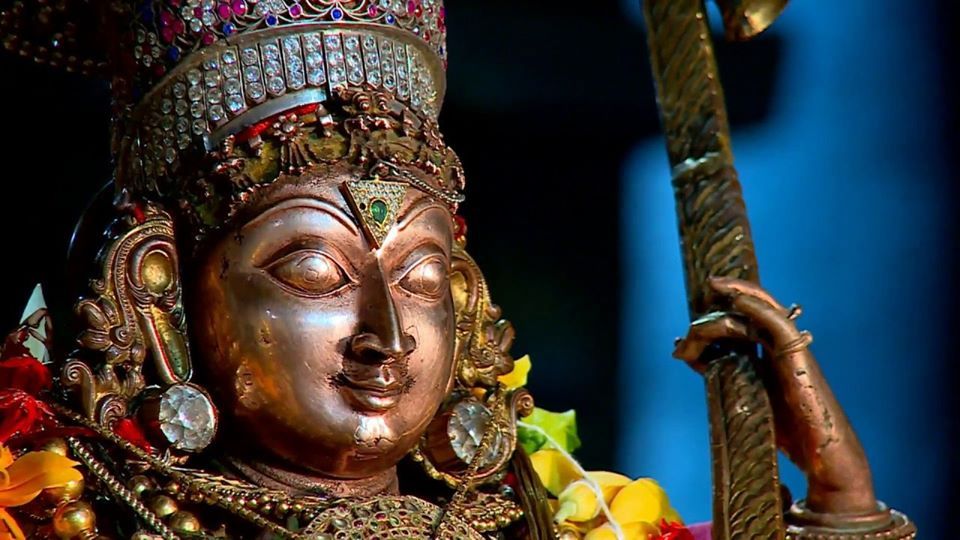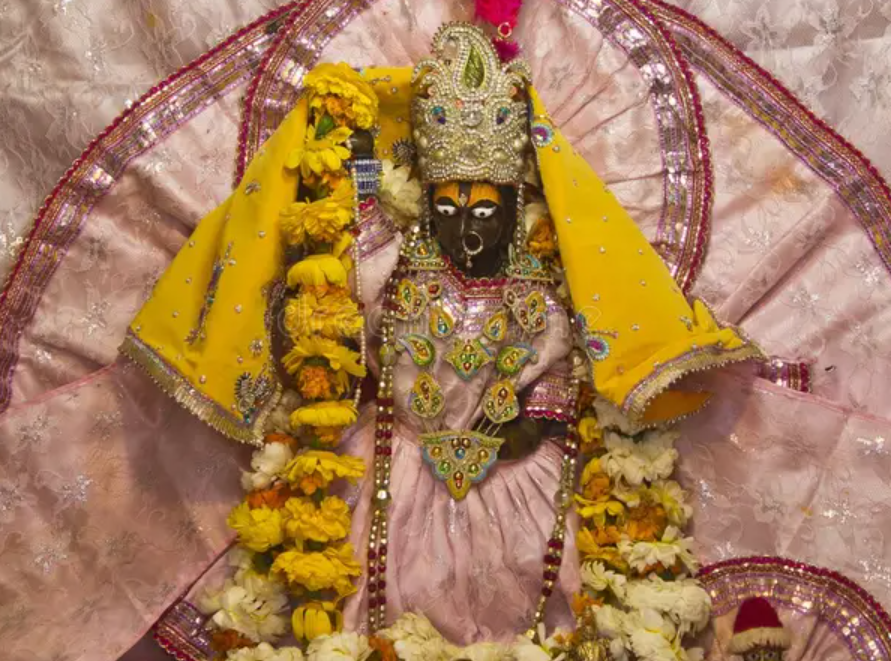
Yashoda Jayanti: The Sacred Birth Anniversary of Mata Yashoda

Yashoda Jayanti is the sacred birth anniversary of Mata Yashoda, the beloved foster mother of Shri Krishna. This divine occasion holds immense significance in the hearts of Krishna devotees, particularly in the holy land of Braj and other Krishna-bhakti centers across India. The festival celebrates not just the birth of Yashoda Maiya, but also honors the purest form of motherly love and devotion that she showered upon the Supreme in His childhood form.
Mata Yashoda’s name itself evokes deep emotions among devotees. Though not Krishna’s biological mother, she is revered in scriptures and living tradition as the very embodiment of vatsalya bhava -motherly affection. Her unconditional love for Krishna, her nurturing care, and her unique relationship with the Lord make her an eternal ideal for devotees seeking to connect with the Divine through the sweetness of parental love.
The observance of Yashoda Jayanti is especially prominent in Braj Mandal encompassing Mathura, Gokul, Nandgaon, and Vrindavan, where every lane and temple echoes with the childhood pastimes of Krishna and Yashoda. The festival is also celebrated with devotion in Dwarka, Gujarat, Maharashtra, South India, and in Krishna temples worldwide, wherever devotees cherish the baal-leela of the Krishna Bhagawan.
When Yashoda Jayanti is Observed
Calendar and Tithi Details
Yashoda Jayanti is observed on Krishna Paksha Shashthi, which is the sixth tithi of the waning moon phase. The month varies depending on which calendar system is followed in different regions of India.
In North India, where the Purnimanta calendar is followed, this tithi falls in the month of Phalguna. However, in regions following the Amanta calendar such as Gujarat, Maharashtra, and South India, the same tithi occurs in the month of Magha. Both observations refer to the same astronomical moment, simply counted differently according to regional traditions.
Regional Observance Timing
Devotees across India follow their local panchang to determine the exact day and time for observing Yashoda Jayanti. The festival gains particular prominence in areas associated with Krishna’s childhood:
Braj Mandal: In Gokul, Nandgaon, Vrindavan, and Mathura, the day is explicitly celebrated as “Mata Yashoda Janmotsav.” These sacred places where Krishna actually played as a child see elaborate celebrations and special worship.
Dwarka: Vaishnava communities honor Yashoda’s role while remembering Krishna as Dwarkadhish, celebrating the eternal bond between the foster mother and her divine child.
Other Regions: Krishna temples in Gujarat, Maharashtra, Karnataka, Tamil Nadu, and other states observe the festival with special pujas and katha recitations, each adding their local flavor to the worship.
The Story of Mata Yashoda
Birth and Background
According to sacred texts and Braj traditions, Mata Yashoda was the wife of Nanda Maharaj, the chieftain of Gokul. She is celebrated as the palana-karne wali (foster mother), the one who nurtured and raised Krishna with motherly affection that became the benchmark for divine love. Her role was the result of a boon granted to her previous incarnation, Dhara, who prayed to experience the Krishna’s childhood pranks.
Krishna’s Arrival in Yashoda’s Lap
The divine arrangement that brought Krishna to Yashoda’s care is well known to devotees. Krishna was born to Devaki and Vasudeva in Mathura’s prison, where they were held captive by the tyrant Kansa. On the very night of Krishna’s birth, Vasudeva carried the infant across the turbulent Yamuna River and reached Gokul, where he exchanged the baby with the daughter born to Yashoda and Nanda.
From that sacred moment, Yashoda embraced Krishna as her own child. Her love was so pure and complete that she never saw Him as anyone else’s son. This is the glory of her motherhood – it transcended biological bonds and became the supreme example of love that binds the soul to the Divine.
Famous Episodes from Yashoda’s Life with Krishna
The Bhagavata Purana and local Braj kathas narrate numerous endearing episodes that showcase Yashoda’s relationship with Krishna:
The Vishvarupa Darshan: When young Krishna ate mud while playing, the neighborhood children complained to Yashoda. She asked Him to open His mouth, and within it she witnessed the entire universe – stars, planets, oceans, and all of creation. Yet even after this cosmic revelation, she continued to relate to Him primarily as her mischievous child who needed to be fed and cared for.
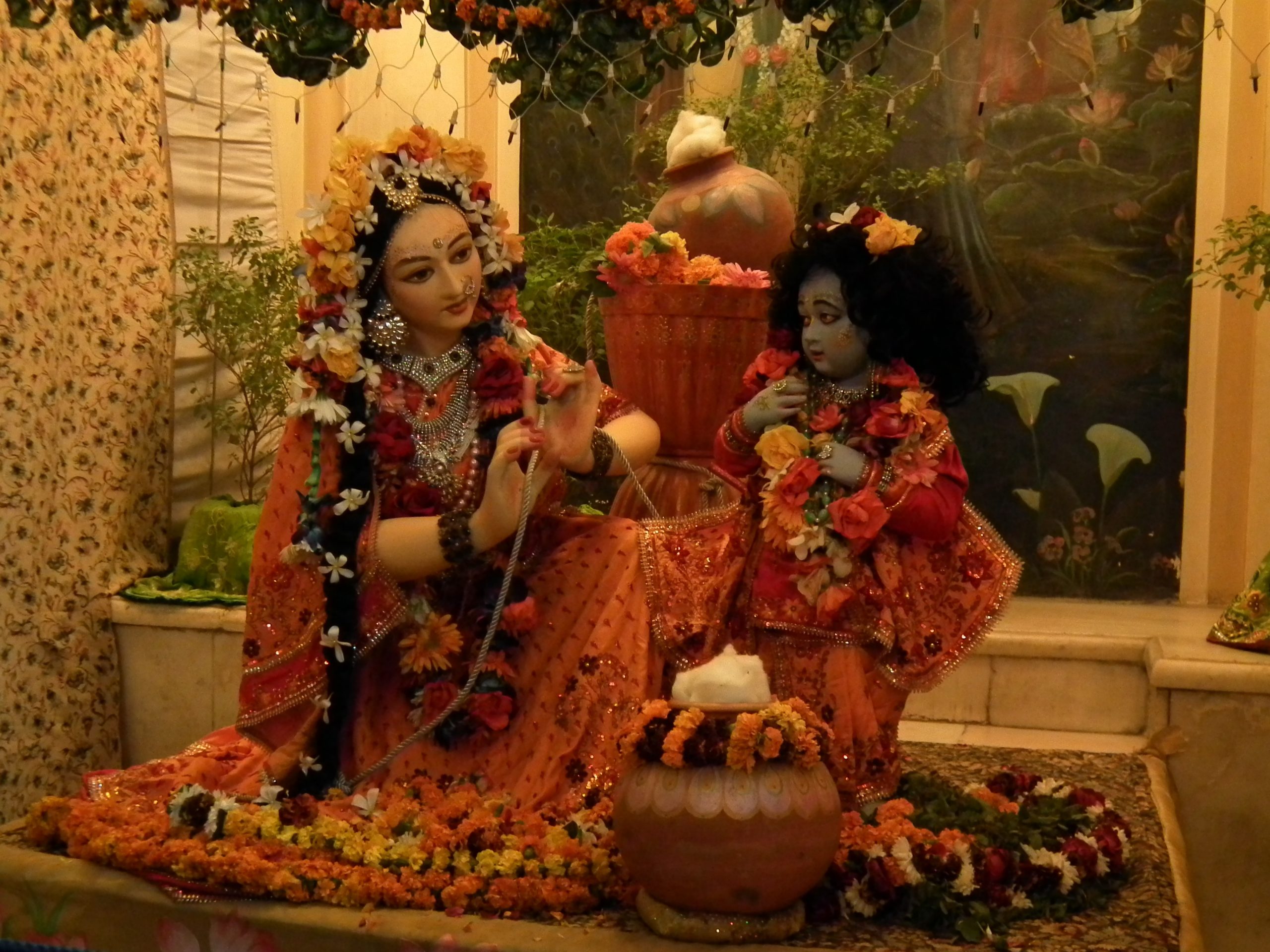
The Damodara Pastime: Perhaps the most celebrated incident is when Yashoda tried to bind the butter-thief Krishna to a grinding mortar as punishment. No matter how much rope she gathered, it always fell short by two finger-widths. Finally, when Krishna saw His mother’s exhaustion and the drops of perspiration on her forehead, He allowed Himself to be bound. This pastime reveals a profound truth – the Supreme Lord can be controlled only by pure love, not by any material power.
The Makhan-Chori Leelas: Yashoda’s daily struggles with Krishna’s butter-stealing pranks, His complaints about other children, and His innocent denials when caught red-handed form the sweetest narratives in Krishna bhakti literature.
Spiritual teachers explain that these pastimes carry deep symbolic meaning. Yashoda represents the devoted soul, and Krishna the Supreme Reality. Their relationship shows how divine love dissolves all barriers between the devotee and the Lord.
The Spiritual Significance of Yashoda Jayanti
Celebrating Motherhood and Vatsalya Bhakti
Yashoda Jayanti is fundamentally a celebration of selfless motherhood. Yashoda’s love for Krishna is honored as pure bhakti that transcends all worldly relationships. She demonstrates that the relationship with the Divine need not always be formal or distant – it can be intimate, warm, and filled with the sweetness of parental affection.
The festival reminds devotees that love, not blood relation, creates the truest bonds. Yashoda’s position in Krishna’s heart and in scriptural accounts proves that devotion elevates the soul beyond all material considerations.
Blessings for Children and Family Welfare
Women especially observe Yashoda Jayanti with prayers for their children’s health, longevity, and spiritual growth. Those desiring children perform the vrata seeking Yashoda Maiya’s blessings for conception and safe motherhood. The festival is considered particularly auspicious for removing obstacles related to childbirth and child-rearing.
Devotees believe that by honoring Yashoda on this day, they invoke her compassionate energy to protect and nurture their families, just as she protected and nurtured the Lord Himself.
Purification and Removal of Sufferings
Traditional texts state that fasting and sincere worship on Yashoda Jayanti destroy sins accumulated over lifetimes. The observance is said to bring peace to troubled households, resolve family conflicts, and attract Krishna’s grace into one’s life.
The day is also seen as an opportunity to cultivate qualities that Yashoda embodied—patience, unconditional love, forgiveness, and complete surrender to the welfare of those under one’s care.
Nurturing Compassion Through Service
Yashoda Jayanti is not complete without acts of charity and service. Devotees are encouraged to feed children, especially young girls, and to serve cows – both dear to Krishna. This practice mirrors Yashoda’s nurturing nature and Krishna’s identity as Gopal, the protector of cows.
By serving others on this day, devotees express the spirit of palana – caring for all beings with motherly affection, seeing the Divine in every child and creature.
How Yashoda Jayanti is Celebrated Across India
Braj Region: The Heartland of Celebrations
Gokul
Gokul, where Krishna spent His early childhood in Yashoda’s care, observes this day with special reverence. Temples organize leela-kirtans that narrate Krishna’s childhood pastimes with elaborate musical renditions. Devotees gather at sacred spots like Brahmand Ghat, where the Vishvarupa darshan is believed to have occurred, listening to vrat-kathas and engaging in collective chanting.
The atmosphere in Gokul on Yashoda Jayanti is filled with devotional fervor. Local Brajvasis share stories passed down through generations, keeping alive the intimate memories of Krishna and Yashoda’s daily interactions.
Nandgaon
Nandgaon holds unique importance as the actual residence of Nanda Maharaj and Yashoda. The Nanda-Yashoda Bhavan, a temple that houses the deities of Nanda, Yashoda, Krishna, Balaram, and their cowherd friends, becomes the center of celebration. This temple’s darshan on Yashoda Jayanti is considered especially auspicious.
Pilgrims visit Nandgaon specifically on this day to offer their respects at the place where Yashoda actually lived and raised Krishna, making their prayers more intimate and heartfelt.
Vrindavan and Mathura
Though the festival calendar in Vrindavan and Mathura is filled with major celebrations like Janmashtami and Govardhan Puja, Yashoda Jayanti receives special attention from devotees focused on Krishna’s childhood leelas.
Temples create beautiful tableaux (jhankis) depicting scenes of Yashoda with baby Krishna feeding Him butter, tying Him to the mortar, or simply holding Him in her lap. Bal Gopal vigrahas are specially decorated and positioned in Yashoda’s lap for darshan.
Kirtan mandalis sing compositions in Braj Bhasha that praise Yashoda’s motherhood, and readings from the tenth canto of Shrimad Bhagavatam fill temple courtyards. The Dwarkadhish Temple in Mathura and numerous Vrindavan temples organize special bhojan for children as part of the celebration.
Gujarat and Western India
In Gujarat, households observe Yashoda Jayanti by decorating their homes with flowers and images of Yashoda with baby Krishna. Family members gather for home satsangs where elder members narrate baal-leela stories to younger generations.
The tradition of performing narrative recitations in the Gujarati style adds regional flavor to the observance. Many families prepare special sweets particularly those made with milk and butter—as offerings to Bal Gopal, remembering Krishna’s love for makhan.
Dwarka, being one of Krishna’s principal abodes, sees temple celebrations that honor both Yashoda’s maternal role and Krishna’s later identity as Dwarkadhish, bridging the childhood and adult aspects of the Lord.
Maharashtra
Maharashtrian devotees observe the festival with traditional puja rituals in homes and community temples. Varkari sampradaya followers and other Vaishnava communities include Yashoda Jayanti in their annual festival calendar, performing abhishekam to Bal Gopal and organizing bhajan sessions.
The emphasis on feeding children and distributing prasad to young girls is particularly strong in Maharashtra, where the connection between child worship and divine blessings is deeply rooted in local tradition.
South India
In Karnataka, Tamil Nadu, Andhra Pradesh, and Telangana, Krishna temples mark Yashoda Jayanti with special alankaram (decoration) of Balakrishna deities. Devotees prepare traditional offerings like sweet pongal, payasam, and other milk-based sweets that reflect regional culinary traditions.
Telugu-speaking regions, with their rich tradition of Harikatha and devotional discourse, see special programs where scholars narrate Yashoda’s pastimes with emotional depth, bringing devotees to tears with the sweetness of vatsalya rasa.
ISKCON and Global Krishna Temples
ISKCON temples worldwide observe Yashoda Jayanti with programs focused on childhood pastimes of Krishna. Special kirtans, dramatic presentations of leelas, and discourses on the glories of Yashoda are organized.
Many centers conduct “Bal-bhojan” programs, feeding underprivileged children in honor of Yashoda’s nurturing spirit and Krishna’s love for all beings. Cow protection and cow feeding activities are also emphasized, linking the festival to practical service.
Complete Puja Vidhi for Yashoda Jayanti
Devotees observing Yashoda Jayanti should begin the day with a purifying bath, ideally during Brahma-muhurta (pre-dawn hours). Wearing clean, fresh clothes preferably new or specially washed helps create the right attitude for worship.
The home, particularly the puja area, should be thoroughly cleaned and decorated. Fresh flowers, rangoli designs, and a pleasant fragrance from incense create an auspicious atmosphere to welcome Mata Yashoda and Bal Krishna.
Before beginning the formal puja, take a sankalpa (sacred vow), stating your name, place, and intention for the vrata. Most devotees pray for the wellbeing, longevity, and spiritual progress of their children, or for the blessing of conception and safe motherhood.
Required Puja Items (Samagri)
Gather the following items before beginning the puja:
Images and Deities: A picture or murti of Mata Yashoda holding Bal Gopal in her lap is ideal. If unavailable, a Bal Krishna or Laddu Gopal murti can be used with the mental bhava of Yashoda’s presence.
Altar Setup: Spread a red cloth on the puja chowki, as red is considered auspicious for worshipping the Divine Mother.
Essential Items:
- Fresh flowers (marigold, jasmine, or locally available seasonal flowers)
- Incense sticks and camphor
- Ghee or oil lamp (deepak)
- Turmeric powder (haldi), sandalwood paste (chandan), vermilion (kumkum)
- Unbroken rice grains (akshat)
- Fresh tulsi leaves (sacred basil, particularly dear to Krishna)
- Water in a small vessel (for offerings)
- Bell (ghanti)
Naivedya (Food Offerings):
- Fresh butter (makhan)—this is essential
- Rock sugar (mishri)
- Sweet milk pudding (kheer)
- Laddoos or other traditional sweets
- Fresh fruits, especially bananas
- Milk-based preparations
- Betel leaves and betel nuts (pan-supari)
Step-by-Step Puja Procedure
1. Achamana and Sankalpa
Begin by sitting comfortably facing east or north. Perform achamana by taking three sips of water while reciting purification mantras, mentally cleansing body and mind.
Now take the sankalpa for Yashoda Jayanti puja. State your intention clearly whether for children’s protection, for the blessing of progeny, for family harmony, or for growth in Krishna bhakti. This focused intention guides the entire worship.
2. Establishing the Deities
Spread a clean red cloth on a wooden platform (Chowki). Place the image or murti of Yashoda Maiya with Bal Krishna on the decorated altar. Offer your pranams (prostrations), mentally inviting them to accept your worship.
Some devotees briefly remember Lord Ganesha and their family deity (kuladevata) at the beginning, then focus entirely on Yashoda and Krishna for the main puja.
3. Invocation (Avahana)
Start by praying to Bhagawan Shri Ganesha to remove obstacles. With folded hands and closed eyes, invoke Mata Yashoda and Bal Gopal, visualizing them graciously seated before you, ready to receive your love and offerings.
4. Upachara Puja (Offering Services)
Perform the traditional sixteen or shorter upachara offerings:
Padya, Arghya, Achamana: Offer water for washing feet, hands, and for sipping, either actually or through symbolic gestures.
Snana: Offer water for bathing, or perform a simple abhishekam with milk and water if you have a murti.
Vastra: Offer a fresh cloth or mentally offer beautiful garments to both Yashoda and Krishna.
Yajnopavita: Offer the sacred thread (if applicable to your tradition).
Gandha: Apply sandalwood paste (chandan) and turmeric as tilak on the forehead of the deity or image.
Pushpa: Offer fresh flowers with devotion, chanting the names of Krishna and Yashoda with each flower.
Dhupa: Light incense sticks and wave them before the deities, allowing the fragrance to spread.
Deepa: Light the ghee or oil lamp and wave it in a circular motion (arati), illuminating the divine forms.
5. Naivedya (Food Offerings)
The offering of naivedya is particularly significant on Yashoda Jayanti. Present each item to Yashoda and Krishna with love:
Begin with fresh butter (makhan) and rock sugar (mishri), these are repeatedly mentioned as Krishna’s favorite foods. Place them before the deity with devotion.
Add kheer, laddoos, fruits, and other milk-based sweets according to your capacity. The quality of devotion matters more than the quantity of offerings.
Offer tulsi leaves with the food, as Krishna is especially pleased by tulsi.
Present betel leaves and betel nuts as a traditional mark of hospitality.
Chant “Om Namo Bhagavate Vasudevaya” or “Hare Krishna” mahamantra while making these offerings, then request the Lord to accept your loving preparation.
6. Katha Shravana and Japa
After the main puja, sit quietly and listen to or read the Yashoda Jayanti Puja Katha. These sacred stories narrate the glories of Yashoda’s devotion and Krishna’s reciprocation of her love.
Perform japa (mantra chanting) according to your tradition:
For children’s welfare: Many devotees chant the Santan Gopal mantra, which specifically invokes blessings for progeny and children’s wellbeing.
For Krishna consciousness: Chant at least one mala (108 repetitions) of the Hare Krishna mahamantra, remembering Krishna’s childhood form or “Om Namo Bhagavate Vasudevaya”.
Contemporary prayer: “Shri Yashoda Mataram Pranamami, Shri Krishna ke saath sukhi jeevan ka ashirvad de” (I bow to Mother Yashoda, please bless me with a happy life with Shri Krishna).
Continue for as long as you can sit comfortably, allowing the mind to immerse in devotional remembrance.
7. Arati of Yashoda and Bal Gopal
Perform arati using a camphor or ghee lamp, moving it in circular motions before the deities while singing Krishna bhajans. Family members can join in, and children should be especially encouraged to participate, creating beautiful family memories centered on devotion.
Traditional arati songs for Bal Gopal or devotional songs about Yashoda’s love for Krishna fill the home with sacred vibrations.
8. Prasad Distribution
After the arati, the naivedya becomes prasad—the Lord’s mercy in edible form. Distribute it first to all family members, then to neighbors, friends, and especially to children.
The tradition emphasizes sharing the blessings widely, ensuring that no one in your circle is left without tasting the prasad of Yashoda Jayanti.
9. Dana and Seva (Charity and Service)
Complete the observance with acts of charity:
Kanya Pujan: Feed eleven young girls (representing divine feminine energy) with special food and offer them small gifts or new clothes.
Go-Seva: Offer fresh green fodder, grains, or jaggery to a cow. Since Krishna is Gopal (protector of cows), serving cows on this day pleases both Him and Yashoda.
Bal-Bhojan: Some devotees organize community meals for underprivileged children, extending Yashoda’s nurturing spirit to those who need it most.
Donations: Contribute to temples, feed Brahmanas, or support Krishna-bhakti organizations according to your capacity.
10. Concluding Prayers
End the puja by offering your gratitude to Mata Yashoda and Bal Krishna. Mentally place all your family members at their divine feet, seeking their ongoing protection and guidance.
Chant “Jai Yashoda Maiya, Jai Krishna” with joy and devotion. Resolve to carry the sweetness of this worship throughout the year, nurturing your own relationships with the same selfless love that Yashoda showed to Krishna.
Puja Rules and Observances
Types of Fasting
Devotees observe different levels of fasting on Yashoda Jayanti based on their capacity and tradition:
Nirjala (Waterless Fast): The most austere observance, where devotees abstain from both food and water until the puja is completed and the moon rises.
Phalahara (Fruit Diet): More commonly practiced, this involves avoiding all grains, beans, and cooked food, consuming only fruits, milk, nuts, and other raw or minimally processed items.
Ekadashi-style Fast: Following the pattern of Ekadashi vrata, devotees avoid grains and pulses but can consume milk products, fruits, and specific vrata-approved preparations like sabudana khichdi or kuttu preparations.
Partial Fast: Some devotees, especially those with health limitations, may take one simple meal in the evening after completing the puja.
What to Eat and Avoid
Permitted Foods:
- Pure cow’s milk and milk products (yogurt, buttermilk)
- Fresh fruits and dried fruits
- Honey and rock sugar (mishri)
- Root vegetables (if following less strict versions)
- Samak rice, water chestnut flour, and other vrata-specific ingredients
- Water, coconut water, fresh fruit juices
Foods to Strictly Avoid:
- All grains including rice, wheat, and millets
- Pulses and lentils of any kind
- Onion, garlic, and all tamasic vegetables
- Any non-vegetarian food
- Alcohol and intoxicants
- Packaged or processed foods
- Regular salt (rock salt or sendha namak may be used in some traditions)
Yashoda Jayanti Puja Katha
The sacred narrative associated with Yashoda Jayanti is an essential part of the observance. While different versions exist in various regional traditions, the core themes remain consistent:
The Divine Promise
In her previous birth, Yashoda was Dhara, the wife of the Vasu named Drona. They performed intense penance to Brahma, asking for the supreme blessing of experiencing the Lord’s childhood pranks and motherly love. Bhagawan Sri Maha Vishnu granted this, in the Dvapara Yuga, He would come to Earth and she would have the opportunity to nurture Him as her own child.
According to the Srimad Bhagavatam, Krishna was born to Devaki in Kamsa’s prison, but to fulfill his promise to Dhara (Yashoda), he was secretly moved to Gokul. Yashoda woke up to find the divine infant beside her, unaware he was not her biological child.
Recognition of Her Bhakti
The vrat katha often includes a narrative where Narada Muni or another celestial sage visits Gokul and observes Yashoda’s extraordinary relationship with Krishna. When he reveals to her that her child is none other than the Supreme Personality of Godhead – the master of all universes – Yashoda is amazed but remains unchanged in her motherly affection.
The sage explains that her bhakti is superior even to the bliss experienced by beings in Vaikuntha, because she has the unique privilege of controlling the Supreme Lord through pure love. The gods themselves envy her position, for while they worship Krishna with awe and reverence, only Yashoda can scold Him, tie Him up, and feed Him with her own hands.
The Fruit of Observing the Vrata
The katha concludes with the benefits of observing Yashoda Jayanti with faith and devotion:
- Destruction of accumulated sins from many lifetimes
- Protection and longevity for one’s children
- Removal of obstacles related to conception and childbirth
- Harmony and prosperity in family life
- Growth in pure, loving devotion to Krishna
- Peace of mind and spiritual contentment
Devotees are instructed to listen to or read this katha on the day of Yashoda Jayanti, preferably after completing the puja, allowing its message to sink deep into the heart.
Devotional Songs and Kirtans
Beyond mantra japa, devotees sing bhajans that narrate Yashoda and Krishna’s intimate pastimes:
- Songs describing the Damodara-leela (binding of Krishna)
- Narratives of makhan-chori (butter-stealing episodes)
- Yashoda’s affectionate scoldings and Krishna’s innocent responses
- The sweetness of Yashoda feeding Krishna and putting Him to sleep
These kirtans, especially when sung in Braj Bhasha or regional languages, create the emotional atmosphere of the festival, transporting devotees to the sacred realm of Krishna’s childhood.
The Eternal Sweetness of Yashoda’s Love
Yashoda Jayanti invites all devotees, whether parents or childless, young or old – to experience the sweetness of approaching the Divine through motherly affection. Mata Yashoda’s life demonstrates that the Supreme Lord is not distant or unapproachable, but responds with complete reciprocation to the love offered by sincere devotees.
Her ability to bind Krishna with a rope of love, to feed Him butter from her own hands, and to scold the Lord of the Universe as her naughty child reveals a profound spiritual truth: love is the ultimate power that moves the heart of the Divine.
By observing Yashoda Jayanti with devotion through fasting, worship, charity, and remembrance, devotees open themselves to receive the same blessings that Yashoda showered upon Krishna. They invite into their lives the protection of the Divine Mother and the grace of the Supreme Child.
Whether celebrated in the ancient temples of Braj, in homes across India’s diverse regions, or in Krishna centers around the world, Yashoda Jayanti remains a testament to the power of pure love. It reminds us that in our relationship with the Divine, our role is not to be perfect but to be loving to offer whatever we have with complete sincerity, just as Yashoda offered her whole heart to Krishna.
As devotees honor Mata Yashoda on her sacred birth anniversary, they pray: “O Yashoda Maiya, please bless us with even a drop of the pure love you felt for Krishna. May our hearts become homes where the Lord willingly comes and stays, bound by the rope of our devotion.”
Jai Yashoda Maiya! Jai Shri Krishna!
Help Us Keep This Guide Accurate
At Temple Connect, we regularly update our content to ensure you receive the most relevant and authentic information. If you’d like to suggest improvements, share regional traditions, or report any updates, we’d love to hear from you at connect@templeconnect.com