Vijaya Ekadasi
Vijaya Ekadasi is a sacred vrata observed on the Krishna Paksha Ekadasi of Phalguna month, dedicated to Sri Maha Vishnu. The word “Vijaya” means victory, and this powerful observance grants triumph over obstacles, sins, and enemies, both internal and external. Rooted in the legend of Sri Rama crossing the ocean to Lanka, this Ekadasi combines deep spiritual significance with the promise of success in dharmic endeavors for sincere devotees.
Vijaya Ekadasi: The Sacred Vrata of Divine Victory
What is Vijaya Ekadasi?
Vijaya Ekadasi falls on the Krishna Paksha Ekadasi of Phalguna month according to the traditional Hindu lunar calendar. In most parts of North India, this corresponds to the waning phase of the moon in Phalguna, typically occurring between February and March.
Among the twenty-four Ekadasis observed throughout the year, Vijaya Ekadasi holds a special position. It is not merely a day of fasting but a complete spiritual sadhana that encompasses sankalpa, ritual worship, ethical discipline, and divine remembrance. The scriptures declare that observing this vrata with faith and proper procedure removes the most stubborn karmic obstacles, destroys accumulated sins, and grants success in righteous endeavors.
For Vaishnavas and devotees of Sri Maha Vishnu, this day represents an opportunity to align oneself with the cosmic principle of dharma triumphing over adharma. The vrata is intimately connected with the Itihasa, particularly the sacred story of Rama’s preparation to cross the ocean and rescue Mata Sita from the demon-king Ravana.
Vijaya Ekadasi Vrat Katha: The Sacred Story
Scriptural Sources of Vijaya Ekadasi
The glory and method of Vijaya Ekadasi are preserved in ancient Puranic texts, particularly the Padma Purana and Skanda Purana. These sacred narratives have been transmitted through generations in the conversations between divine personalities.
Krishna and Arjuna’s Dialogue
In one classical rendering, Arjuna approaches Bhagawan Sri Krishna with a question about the Ekadasi falling in Krishna Paksha of Phalguna month. He asks about its name, significance, and the proper way to observe it. Sri Krishna lovingly responds that this is Vijaya Ekadasi, and merely hearing its glory with faith destroys sins and bestows victory. Then narrates how even the divine incarnations demonstrated its observance.
Narada and Brahma’s Teaching
In another Puranic dialogue, the celestial sage Narada asks Brahma about this particular Ekadasi. Brahma reveals the confidential procedures, including the unique Kalasha puja that distinguishes Vijaya Ekadasi from other Ekadasis. These instructions emphasize that when this vrata is performed with devotion and discipline, the devotee receives divine support in overcoming all obstacles.
Sri Rama and the Ocean Crossing: The Main Legend
The most celebrated story associated with Vijaya Ekadasi is the account of Bhagawan Sri Rama’s preparation for the battle against Ravana. This narrative beautifully illustrates how even the Supreme Brahman, appearing in human form, honors the path of dharma and devotion.
After fourteen years of exile, when the demon-king Ravana abducted Mata Sita, Sri Rama wandered through forests searching for Her. With the help of Sugriva, the vanara king, and the devoted service of Hanuman, Rama learned of Sita’s location in Lanka. Gathering an army of vanaras and bears, Rama marched toward the southern ocean.
Standing on the seashore, looking at the vast expanse of turbulent waters filled with dangerous creatures, Rama expressed concern to Lakshmana about how to cross this formidable barrier with the entire army. Though Lakshmana reminded his elder brother of His own divine nature, he suggested seeking guidance from the sage Vakdalbhya, who resided on nearby Kumari island.
When Rama approached the rishi with humility and explained His intention to rescue Sita and defeat Ravana, the sage revealed a sacred method. Vakdalbhya instructed Rama to observe the vrata of Vijaya Ekadasi, which was approaching. The sage described in detail the Kalasha puja beginning on Dasami, the complete fasting and worship on Ekadashi, and the concluding charity on Dwadashi.
Sri Rama, along with His commanders and the vanara army, performed the vrata exactly as instructed. Through the power and grace obtained from this Ekadashi observance, Rama successfully crossed the ocean and ultimately achieved victory over Ravana, rescuing Mata Sita and restoring dharma.
The Deeper Message of the Katha
This katha carries a profound message: even the Lord, in His human-like lila, demonstrates the importance of proper observance of Ekadasi. It shows ordinary souls the path of combining human effort with divine grace, and of approaching life’s battles with spiritual discipline rather than mere force.
Significance and Benefits of Vijaya Ekadasi
Spiritual Benefits of Observing Vijaya Ekadasi
The promise of Vijaya Ekadasi extends across multiple dimensions of existence. The scriptures and traditional commentaries explain “vijaya” as operating on various levels simultaneously.
Victory Over Sins and Karma
The vrata is declared to be immensely powerful in destroying both past and present sins. The accumulated papa from many lifetimes, which binds the soul to the cycle of birth and death, can be burned away through sincere observance of this Ekadasi.
Traditional texts compare the merit of this vrata to the performance of a Vajapeya yajna, one of the most elaborate and meritorious Vedic sacrifices. Simply by hearing the glory of this Ekadasi with faith, one accumulates immense spiritual credit.
Victory Over Internal Enemies
Beyond external obstacles, the greatest battles we face are within. Anger, greed, lust, envy, pride, and delusion, these six enemies of the soul are more dangerous than any worldly adversary. Vijaya Ekadasi is specifically meant to strengthen the devotee’s resolve in conquering these inner demons. The discipline of fasting, the practice of gentle speech, the cultivation of forgiveness, and intensive remembrance of the Divine all work together to weaken the hold of negative tendencies.
Victory in Dharmic Endeavors
For those facing worldly challenges like legal disputes, business difficulties, educational examinations, family conflicts, Vijaya Ekadasi offers divine support when approached with a sattvic and righteous attitude. The key understanding is that the victory sought should align with dharma. This is not about manipulating outcomes through ritual, but about placing one’s sincere efforts under the shelter of divine will.
Victory Toward Liberation
Ultimately, the highest victory is moksha – liberation from the cycle of repeated birth and death. The observance of Vijaya Ekadasi, when done as part of a life of devotion, becomes a stepping stone on the path to Vaikuntha, the eternal realm of Sri Maha Vishnu.
Which Form of Sri Maha Vishnu is Worshipped on Vijaya Ekadasi
Vijaya Ekadasi is fundamentally dedicated to Sri Maha Vishnu, the sustainer and protector of the universe. However, different traditions and sampradayas emphasize particular manifestations of Vishnu-tattva.
Worship of Vishnu-Narayana
In general Vaishnava and Smarta traditions, worship is offered to Shri Hari Vishnu in His universal form, often represented with the sacred emblems – Shankha, Chakra, Gada, and Padma. The deity is addressed as Narayana, the resting place of all souls.
Worship of Sri Rama
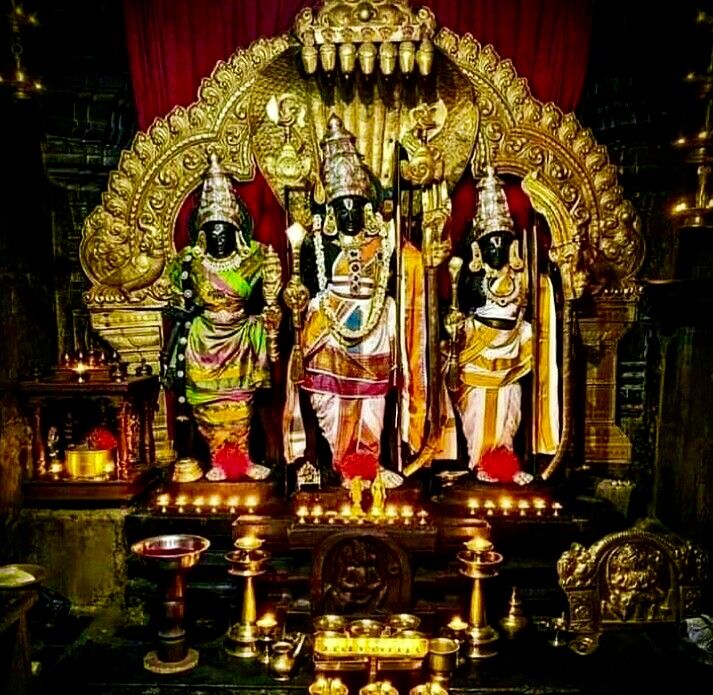
Because of the Rama-Lanka katha, many devotees specifically worship Lord Sri Rama on this day, sometimes along with Mata Sita, Lakshmana, and Hanuman. Temples dedicated to Rama give special prominence to this connection, reciting the ocean-crossing narrative.
Worship of Sri Krishna
In Gaudiya Vaishnava communities such as ISKCON, worship centers on Sri Krishna and His various forms, though the same fasting principles are followed and Rama’s Ekadashi observance is remembered with reverence.
The Kalasha Deity Installation
The Kalasha puja itself traditionally requires placing an image or small murti of Sri Maha Vishnu, ideally in gold, silver, or other metals, either on the Kalasha or nearby on the altar. Some traditions also invoke the presence of Mother Lakshmi alongside Vishnu for prosperity and spiritual sustenance.
Vijaya Ekadasi Puja Vidhi: Complete Procedure
Preparation from Dasami (Day Before Ekadasi)
What sets Vijaya Ekadasi apart from many other Ekadasis is the special Kalasha puja that begins on Dashami, the day before Ekadasi. This procedure was specifically revealed by sage Vakdalbhya to Sri Rama and has been preserved in the tradition.
Dasami Diet and Preparation
On the tenth lunar day, the practitioner begins both external and internal preparation. The diet should be light and sattvic, ideally eating only once, avoiding all heavy, tamasic, or non-vegetarian items. Strict avoidance of meat, fish, eggs, onion, garlic, and certain lentils like masoor dal is essential. This begins the process of mental focus and physical purification.
Setting Up the Kalasha on Dashami
In the evening of Dashami, the Kalasha is established. The procedure involves several elements:
Materials needed:
- A pot made of gold, silver, copper, brass, or clay according to capacity
- Seven grains (Saptadhanya): wheat, rice, barley, chickpeas, moong, urad, bajra
- Clean water, preferably Ganga jal or sacred tirtha water
- Five sacred leaves (Pancha-pallava): mango or Ashoka leaves
- Sandalwood paste, kumkum, flowers, garland
- Coconut, barley grains, pomegranate (optional)
- Small murti or image of Lord Vishnu/Rama
Step-by-step setup:
- Clean the puja area and place a platform or altar
- Spread the seven grains under or around where the Kalasha will sit
- Place the Kalasha on this grain foundation
- Fill the Kalasha with clean water
- Insert the five sacred leaves into the water
- Decorate with sandalwood paste, flowers, and garland
- Place coconut on top if desired
- Install the Vishnu murti or image on or near the Kalasha
Taking Sankalpa on Dashami Evening
Facing east, the devotee takes the formal vow for Vijaya Ekadasi. This involves stating one’s name, family lineage if known, location, and clear intention, to observe the fast for the removal of sins, for victory over obstacles, and for devotion to Sri Maha Vishnu. Water is taken in the right palm, mantras are recited, and the water is offered at the feet of the deity. This sankalpa creates a sacred commitment that sustains the devotee through the vrata.

Vijaya Ekadasi Day Complete Rituals
Morning Routine and Purification
Early rising and bathing:
- Wake up during Brahma muhurta (approximately 1.5 hours before sunrise)
- Complete morning ablutions
- Take bath with a few drops of Ganga jal if available
- Wear clean clothes, preferably light or yellow-colored
Traditional tooth cleaning: Traditional Ekadashi codes specify that one should not pluck fresh datun sticks or leaves for cleaning teeth on this day. Instead, the mouth may be cleansed by chewing pre-fallen leaves of certain trees or by rinsing twelve times with pure water.
Formal Sankalpa and Morning Puja
Standing before the Kalasha and deity, the devotee takes the formal Ekadashi vow. This includes promising to avoid sinful association, harsh speech, anger, deceit, and all forms of negativity, dedicating the day to the worship and remembrance of Sri Maha Vishnu.
Main puja elements:
- Light incense (dhupa) and lamp (deepa)
- Offer flowers, sandalwood paste, akshata, and Tulasi leaves
- Perform simple archana with Vishnu sahasranama or available stotras
- Offer naivedya of permitted Ekadashi foods
- Recite or listen to Bhagavad Gita, especially recommended on Ekadasi
Prayer to be recited: “O the Supreme Brahman of the three worlds, please uphold my vow. Give me the strength to complete this vrata with devotion, and bless me with victory in this world and the next.”
Daytime Sadhana and Practices
Throughout the day, recommended practices include:
- Listening to or reciting the Vijaya Ekadasi vrat katha
- Chanting the Dwadasha-akshara mantra “Om Namo Bhagavate Vasudevaya”
- Repeating the holy names of Rama and Krishna
- Reading from Ramayana, Bhagavata Purana, or other scriptures
- Performing seva: feeding cows, supporting Brahmins or temples
- Donating fruits and food items for the next day’s parana
- Avoiding all unnecessary conversation and worldly activities
Evening Aarti and Jagaran (Night Vigil)
In the evening:
- Perform elaborate aarti to Vishnu with camphor, incense, and lamps
- Sing devotional bhajans and kirtans
- Engage in jagaran, staying awake through the night in devotional activities
The night-long vigil may include:
- Continuous kirtan and bhajan singing
- Hearing Hari-katha from scriptures
- Group recitation of holy names
- Reading from sacred texts
- Remaining in the presence of the Kalasha and deity
This vigil symbolizes remaining awake spiritually, not allowing the darkness of ignorance to overcome consciousness.
Vijaya Ekadasi Fasting Rules: What to Eat and Avoid
Types of Fasting for Vijaya Ekadasi
Different levels of fasting are practiced based on individual capacity, health, and guidance from elders or guru:
Nirjala Fast
Complete fast without even water, observed by advanced practitioners or those taking a specific vow. This is the most austere form and brings maximum spiritual benefit but should only be attempted by healthy individuals.
Jalhara (Water Fast)
Only water is consumed throughout the day, sometimes including charanamrita (the sacred water that has bathed the Lord’s feet). This maintains hydration while keeping the digestive system at rest.
Phalahara (Fruit Fast)
Fruits, milk, and certain Ekadashi-approved foods are permitted while strictly avoiding all grains and regular pulses. This is the most common form of Vijaya Ekadasi observance.
Ekabhukta (Single Meal)
Taking one simple meal of permitted items during the day, usually in the afternoon. Suitable for those who cannot maintain complete fast due to health or work requirements.
Strictly Prohibited Foods on Vijaya Ekadasi
Grains and cereals:
- Rice (all varieties)
- Wheat and wheat products
- Barley, corn, and oats
- All types of bread and baked goods made from grains
Pulses and legumes:
- All regular dals (moong, urad, chana, masoor, toor, etc.)
- Chickpeas and kidney beans
- Peas and lentils of all kinds
Certain vegetables:
- Cabbage and cauliflower
- Carrots and turnips
- Spinach and many leafy greens
- Eggplant (in some traditions)
Tamasic items:
- Onion and garlic (absolutely prohibited)
- Meat, fish, and eggs
- Alcohol and tobacco
- Regular table salt (use rock salt instead)
Other prohibitions:
- Honey (in strict observance)
- Mustard
- Sesame seeds
- Food cooked in other people’s homes
Permitted Foods for Ekadasi Fasting
Fruits (fresh and dried):
- All fresh fruits: bananas, apples, pomegranates, oranges, grapes, etc.
- Dried fruits: dates, raisins, figs, almonds, cashews, walnuts
- Coconut in all forms
Dairy products:
- Pure milk (cow’s milk preferred)
- Fresh yogurt and buttermilk
- Homemade paneer
- Ghee (clarified butter)
Special Ekadasi grains and flours:
- Sabudana (tapioca pearls)
- Singhare ka atta (water chestnut flour)
- Kuttu ka atta (buckwheat flour)
- Rajgira (amaranth)
Vegetables (permitted varieties):
- Potatoes and sweet potatoes
- Bottle gourd (lauki)
- Pumpkin
- Cucumber
- Raw banana
Miscellaneous:
- Rock salt (sendha namak)
- Black pepper and cumin
- Ginger (fresh)
- Coconut water and fresh fruit juices
- Tulasi leaves (for offering, not eating)
Important principle: Whatever is consumed should first be offered to the deity as naivedya. The idea is to eat minimally and only what is necessary for maintaining the vrata, not for gustatory pleasure.
Ekadasi Conduct: Do’s and Don’ts
Essential Do’s for Vijaya Ekadasi
Speech and behavior:
- Speak gently, truthfully, and minimally
- Practice active forgiveness toward all beings
- See all creatures as forms of the Divine
- Maintain a compassionate and peaceful attitude
Devotional practices:
- Maximize time in nama-japa and kirtan
- Read or listen to sacred scriptures
- Spend time in temple or before home altar
- Engage in charity and service activities
Physical practices:
- Maintain cleanliness and purity
- Wear clean, preferably light-colored clothes
- Support temple worship and Brahmins
- Feed cows and donate to genuine seekers
Critical Don’ts for Vijaya Ekadasi
Dietary prohibitions:
- Do not consume prohibited foods intentionally
- Avoid eating in restaurants or others’ homes
- Do not break the fast negligently
Behavioral prohibitions:
- Avoid harsh speech, criticism, and gossip
- Do not engage in anger or quarrels
- Refrain from sexual activity
- Avoid intoxication and gambling
- Do not engage in unnecessary travel for pleasure
Physical activities to avoid:
- Excessive physical work (unless unavoidable)
- Sweeping and cleaning after sunrise
- Haircuts and shaving
- Unnecessary killing of insects
- Plucking fresh leaves or flowers
Speech-related prohibitions:
- Criticism of devotees, Brahmins, or gurus
- Speaking ill of deities or scriptures
- Lying and deliberate deception
- Engaging in mundane gossip
What to Do If Rules Are Accidentally Broken
If a prohibited item is consumed unknowingly or through genuine mistake:
- Immediately pray to Sri Maha Vishnu for forgiveness
- Perform achamana (ritual sipping of water with mantras)
- Look at the sun and pray to Surya Narayana
- Continue the vrata with renewed attention and focus
- Do not abandon the vrata due to one mistake
The intention and sincerity matter greatly. Deliberately breaking the fast without valid reason, however, negates the vrata entirely.
Breaking the Fast: Dwadasi Parana Vidhi
Understanding the Correct Parana Time
The fast must be broken on Dwadasi, the twelfth lunar day, but only at the proper time. This timing is crucial for the vrata’s success.
Key parana rules:
- Parana should occur after sunrise when Dwadasi tithi is in force
- Must wait until Hari-vasara (first quarter of Dwadasi) has passed
- Breaking too early reduces the fruits of the vrata
- Breaking too late (after Dwadashi ends) also diminishes benefits
- Consult reliable panchang or temple calendar for exact timing in your location
Dwadasi Morning Rituals
Early morning routine:
- Wake early, before sunrise if possible
- Complete morning bath and wear clean clothes
- Offer arghya to Surya deva with gratitude
- Remember Lord Vishnu and express thanks for strength to complete vrata
Final Kalasha worship:
- Change the flowers and decorations on the Kalasha
- Offer fresh naivedya to the deity
- Perform final aarti with devotion
- Recite prayers of gratitude
The Sacred Kalasha Dana
The Vijaya Ekadasi katha specifically prescribes the donation of the Kalasha as the completion of the vow:
Traditional procedure:
- Take the Kalasha to a riverbank or pond if possible
- Perform final puja at the water’s edge
- Gift the Kalasha along with the grains to a qualified Brahmin
- Include cloth and dakshina (monetary offering) according to capacity
- Pray that the fruits of the vrata be granted
If visiting a water body is not possible, the Kalasha may be donated to a temple or given to a Brahmin at home with proper respect.
How to Break the Fast
Proper sequence:
- First serve food to Brahmins or feed the poor if possible
- Then prepare to break your own fast
- Begin with water or light preparation
- Take a simple meal including grains (returning to normal diet)
- Avoid heavy, spicy, or excessive food immediately after fasting
Foods to break fast with:
- Start with water or buttermilk
- Light khichdi or rice with dal
- Simple chapati with vegetable
- Fruits and milk
- Avoid heavy fried foods initially
Donating food, clothes, or money on Dwadashi according to capacity significantly multiplies the spiritual benefits of the Ekadashi observance.
Vijaya Ekadasi Mantras for Chanting
Primary Mantras for Vijaya Ekadasi
The Dwadasha-Akshara Mantra
“Om Namo Bhagavate Vasudevaya”
This twelve-syllable mantra addresses Lord Vishnu as the son of Vasudeva and the indwelling presence in all beings. It is the most recommended mantra for Vijaya Ekadasi and should be chanted throughout the day and night.
Benefits: Removes all sins, grants victory, protects from enemies, and leads to moksha.
The Ashtakshara Mantra
“Om Namo Narayanaya”
This eight-syllable mantra invokes Narayana, the supreme refuge and sustainer of all existence. It is particularly powerful for those seeking spiritual progress and divine protection.
Benefits: Grants peace, removes obstacles, purifies consciousness, and awakens devotion.
The Maha-Mantra
“Hare Krishna Hare Krishna, Krishna Krishna Hare Hare Hare Rama Hare Rama, Rama Rama Hare Hare”
This sixteen-word, thirty-two-syllable maha-mantra is especially emphasized in Gaudiya Vaishnava traditions and ISKCON centers. It can be chanted individually or in congregational kirtan.
Benefits: Cleanses the heart, awakens pure love for Krishna, destroys material bondage, and grants transcendental bliss.
Additional Stotras and Prayers
For those who can recite longer prayers:
- Vishnu Sahasranama (thousand names of Vishnu)
- Rama Raksha Stotra
- Purusha Sukta
- Narayana Kavacham
- Sri Rama Ashtottara Shatanamavali
Simple prayers for all:
- Repeating “Sri Rama, Jai Rama, Jai Jai Rama” throughout the day
- Chanting “Hare Krishna” with each breath
- Reciting “Om Namo Narayanaya” on mala beads
The key is to keep the mind constantly engaged in remembrance of the Lord through whatever mantra feels most natural and devotional.
Where Vijaya Ekadasi is Celebrated
Major Temples Observing Vijaya Ekadasi
Vijaya Ekadasi is observed throughout India and in global Hindu communities wherever lunar calendars and Ekadashi vratas are followed. It holds special prominence in:
Rama temples:
- Ayodhya (Uttar Pradesh): Ram Janmabhoomi and other Rama temples
- Nashik (Maharashtra): Kalaram Mandir
- Bhadrachalam (Telangana): Sri Rama Temple
- Rameshwaram (Tamil Nadu): Ramanathaswamy Temple
Vishnu temples:
- Tirupati (Andhra Pradesh): Sri Venkateswara Temple
- Srirangam (Tamil Nadu): Ranganathaswamy Temple
- Guruvayur (Kerala): Sri Krishna Temple
- Udupi (Karnataka): Sri Krishna Matha
- Dwarka (Gujarat): Dwarkadhish Temple
- Puri (Odisha): Jagannath Temple
ISKCON and Gaudiya Vaishnava centers:
- Vrindavan: Krishna Balaram Mandir and other ISKCON temples
- Mayapur: ISKCON headquarters
- ISKCON centers worldwide observe all Ekadashis including Vijaya
Temple Celebrations and Special Programs
On Vijaya Ekadasi, major Vaishnava temples organize:
- Extended darshan hours for devotees
- Special abhishekam and alankaram for the deity
- Continuous kirtan and bhajan sessions
- Narration of Vijaya Ekadasi katha
- Free annadanam (food distribution)
- All-night jagaran programs
- Distribution of prasadam at parana time on Dwadashi
In Rama temples particularly, the katha of crossing the ocean is elaborately narrated, connecting devotees’ personal struggles with Rama’s sacred example.
Frequently Asked Questions About Vijaya Ekadasi
Can I observe Vijaya Ekadasi if I’m new to fasting?
Yes, absolutely. Begin with the phalahara (fruit and milk) fast rather than attempting nirjala. Focus on the devotional aspects – chanting, reading scriptures, and avoiding negative behavior as much as the dietary restrictions. Even a sincere effort brings blessings. Consult family elders or a temple priest for personalized guidance.
What if I cannot do the complete Kalasha puja?
If the full Kalasha setup is not possible due to circumstances, perform a simplified version with a small pot, available leaves, and a printed image of Sri Maha Vishnu. The key is devotion and following the vrata to the best of your ability. Even minimal observance with sincere faith brings divine grace. God sees the heart, not just the external ritual.
Can elderly people or those with health conditions observe this fast?
Fasting should always be adapted to individual health. Elderly persons, pregnant women, young children, and those with medical conditions like diabetes may take fruits and milk, or even a simple sattvic meal if necessary. The spiritual essence lies in restraint, devotion, and remembrance of Vishnu more than absolute dietary restriction. Health should never be compromised. Consulting family elders or a spiritual guide helps determine the appropriate level.
What if I accidentally eat something prohibited on Ekadashi?
If a prohibited item is consumed unknowingly or through genuine mistake, immediately pray to Lord Vishnu for forgiveness, possibly perform achamana, and continue the vrata with renewed attention. The intention matters greatly. However, deliberately breaking the fast without valid reason negates the vrata. The Lord is merciful and understands human limitations when there is genuine devotion.
Is it necessary to stay awake all night for jagaran?
While jagaran is highly recommended and brings great spiritual benefit, it is not absolutely mandatory for everyone. Those who cannot maintain full night vigil due to age, health, or work obligations may rest but should wake early for morning puja. Even a few hours of devotional wakefulness – singing bhajans or reading sacred texts—is valuable. Quality of devotion matters more than exhausting oneself.
Can working people observe Vijaya Ekadasi vrata?
Yes, with proper planning. Maintain the fast while fulfilling work duties, keeping consciousness focused on the Lord through mental japa, avoiding negative speech, and minimizing unnecessary activities. The evening and night can be dedicated to intensive worship. Many devotees successfully combine professional responsibilities with Ekadashi observance. Take parana before work on Dwadashi if needed.
What is the difference between Vijaya Ekadasi and other Ekadasis?
While all Ekadashis are sacred to Lord Vishnu, Vijaya Ekadasi specifically emphasizes victory over obstacles and has the unique Kalasha puja beginning on Dashami. The Rama-Lanka katha is specific to this Ekadashi. The spiritual potency for removing karmic burdens and granting success in dharmic endeavors is particularly highlighted in scriptures for Vijaya Ekadasi.
Can women observe this fast during menstruation?
Traditions vary across regions and families. Some allow women to observe with modified practices (like taking fruits instead of complete fast), while others suggest postponing intensive vrata during this time. This is a personal and family matter. The important principle is that devotion to the Supreme Brahman is never conditional, and sincere prayer and remembrance are always acceptable regardless of physical state.
Do I need to donate the Kalasha to a Brahmin?
While the traditional vidhi prescribes Kalasha dana to a qualified Brahmin, if this is not possible, the Kalasha may be donated to a temple or used for a charitable purpose. The spirit of the donation is completing the vow and sharing the spiritual merit. What matters is the sincere intention and completing the vrata to the best of one’s circumstances.
The Eternal Message of Vijaya Ekadasi
Vijaya Ekadasi is ultimately about more than ritual observance. It represents the eternal principle that when the individual soul surrenders to the Supreme with discipline, faith, and love, divine grace descends to grant victory over all that binds and limits us.
The image of Sri Rama standing at the ocean’s edge, facing an impossible barrier, and then turning to the path of vrata and worship, shows that even the most powerful must align with dharmic principles. Victory comes not through force alone but through combining sincere effort with divine grace, human will with spiritual surrender.
For the modern devotee facing personal oceans of difficulty whether material challenges, relationship struggles, health crises, or spiritual stagnation Vijaya Ekadasi offers a proven method tested through millennia. It is a day to step out of ordinary consciousness, to fast from negativity, to feast on divine remembrance, and to invoke the Lord’s presence as the ultimate giver of victory.
The practice purifies on all levels physical through fasting, mental through discipline, and spiritual through devotion. The combination of reducing food intake, controlling speech, practicing forgiveness, chanting holy names, and staying awake in remembrance creates a powerful transformation in consciousness.
When observed with Sastric understanding, genuine sankalpa, and ethical discipline, this Ekadashi becomes more than a calendar observance. It becomes a yearly reset, a spiritual renewal, a re-dedication of life’s battles to the shelter of Lord Vishnu’s lotus feet. And in that shelter, the promise of the scriptures stands eternal: victory material, mental, and spiritual is assured for those who approach with faith.
The God does not demand perfection in ritual but sincerity in devotion. Whether one performs elaborate Kalasha puja or simple worship at home, whether one maintains nirjala fast or takes fruits, whether one keeps full jagaran or partial vigil what matters is the heart offered to Vishnu with love and the commitment to walk the path of dharma.
May Vijaya Ekadasi bring divine triumph to all sincere devotees. May all obstacles be removed, all sins be destroyed, and all souls progress toward the ultimate victory of reunion with the Supreme.
Jai Sri Rama. Hare Krishna.
Help Us Keep This Guide Accurate
At Temple Connect, we regularly update our content to ensure you receive the most relevant and authentic information. If you’d like to suggest improvements, share regional traditions, or report any updates, we’d love to hear from you at connect@templeconnect.com
Follow us on our X platform.