Amalaki Ekadashi: The Sacred Festival of Divine Healing and Liberation
Amalaki Ekadashi stands as one of the most sacred Ekadashis in the Hindu calendar, observed during the Shukla Paksha of Phalguna month. This divine occasion uniquely combines the worship of Sri Maha Vishnu with reverence for the Amalaki tree (Indian gooseberry), believed to be a living manifestation of the divine.
Falling typically between February and March, this Ekadashi bridges the spiritual austerity of Mahashivratri and the joyful celebrations of Holi. The festival holds immense significance for devotees seeking health, prosperity, purification from sins, and ultimately moksha.
According to the Brahmanda Purana, observing this vrata with devotion grants the merit of performing all major yajnas and donating a thousand cows, leading the sincere devotee to Vaikuntha, the eternal abode of Sri Maha Vishnu.
What is Amalaki Ekadashi?
Amalaki Ekadashi derives its name from two Sanskrit words – Amalaki, referring to the Indian gooseberry tree, and Ekadashi, meaning the eleventh lunar day. The festival is known by several names across different regions and scriptures. It is primarily called Amalaki Ekadashi or Amalaka Ekadashi due to the central worship of the Amla tree.
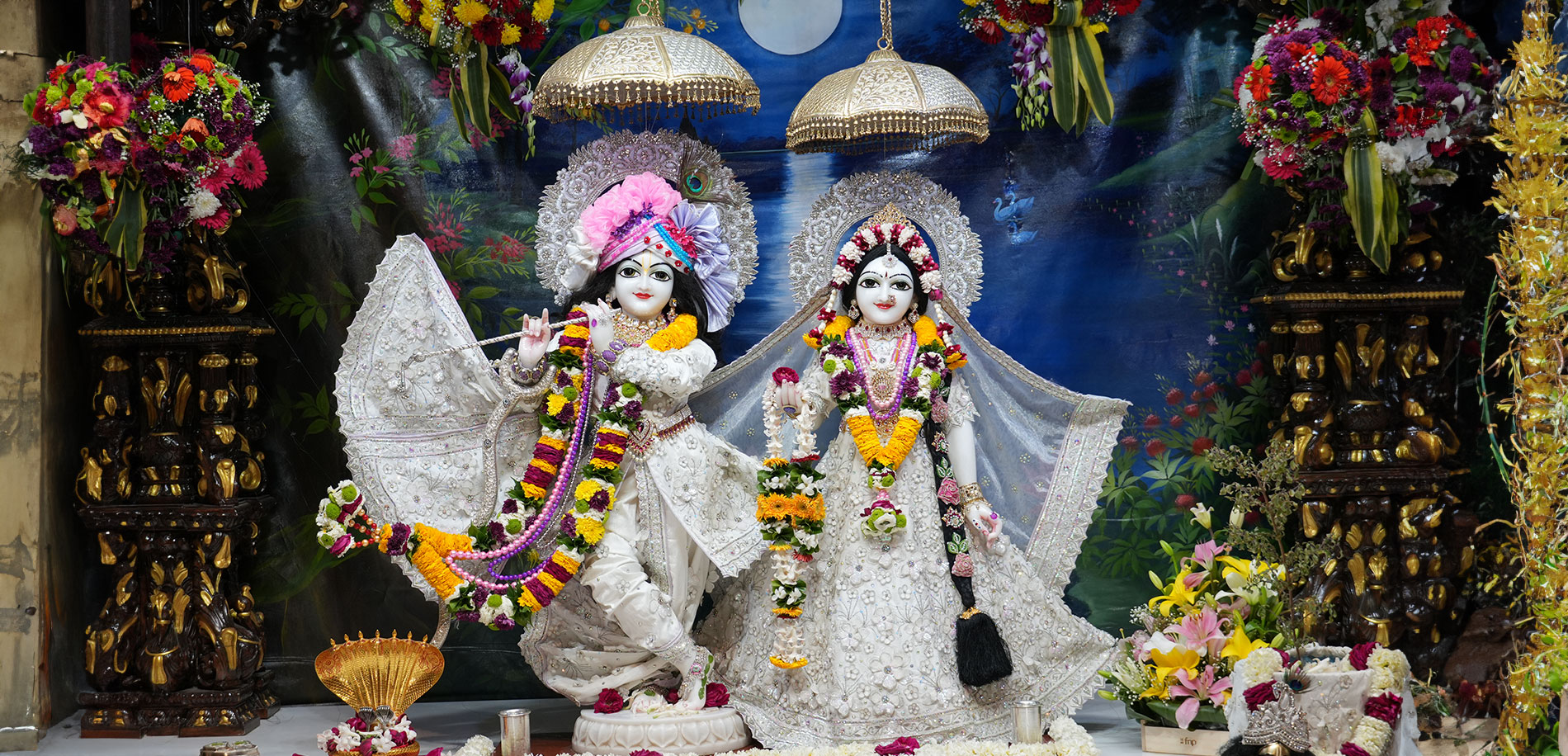
In Kashi, this day is celebrated as Rangbhari Ekadashi to honor the moment Mahadev Shiva brought Goddess Parvati to Kashi for the first time following their wedding. It serves as a symbolic homecoming (Gauna) for the Goddess, and devotees celebrate by offering traditional colours to the divine couple at the Kashi Vishwanath Temple.
Within the Braj region (Mathura – Vrindavan), this day is often referred to as Rangbhumi Ekadashi or Kunj Ekadashi. It serves as the official inauguration of the grand Holi season, known locally as the Phag Utsav. From this day forward, temples across the region begin the ritual play of colours and flower petals (Phoolon wali Holi).
How Amalaki Ekadashi Fits into the Hindu Calendar
Falling in February or March, this day marks the Ritu Sandhi transition from winter to spring, a time when the Earth’s life force is exceptionally vibrant and receptive. It serves as a spiritual “reset button,” aligning your inner energy with the natural awakening of the season just before the arrival of Holi.
The Divine Significance of the Amalaki Tree
In Hindu dharma, the Amalaki tree is not merely a plant but a sacred manifestation of the divine itself. According to Puranic tradition, after Sri Maha Vishnu defeated the demons and rested in the Vindhya mountains, the sweat from His divine body fell to earth and manifested as the Amalaki tree. Thus, the tree is considered a direct embodiment of Vishnu’s divine energy.
The scriptures describe that all major deities reside within this tree – Brahma dwells in its roots, Vishnu in its trunk, and Shiva in its branches. The Amalaki tree thus represents the complete Hindu Trinity (Trimurti), making its worship equivalent to worshipping the entire cosmic order. Additionally, Goddess Lakshmi and various devatas are believed to inhabit the tree, especially on Amalaki Ekadashi day.
The tree’s spiritual significance is matched by its medicinal properties. Ayurveda reveres Amla as a supreme rasayana (rejuvenative), capable of enhancing immunity, digestion, vitality, and longevity. This dual nature – divine presence and healing power – makes the Amalaki tree uniquely sacred on this Ekadashi.
Scriptural Foundation and Sacred Stories
Sources in the Puranas
The primary scriptural source for Amalaki Ekadashi is the Brahmanda Purana, where the glory of this vrata is narrated in a conversation between Sri Krishna and the righteous King Yudhishthira. The Skanda Purana also extols its significance, establishing its pan-Hindu importance. These texts emphasize that observing Amalaki Ekadashi, even unknowingly, can destroy lifetimes of accumulated sins and lead to Vaikuntha.
The Story of King Chitraratha and the Hunter
The most celebrated legend associated with this Ekadashi comes from the Brahmanda Purana.
The story begins with Suta muni narrating a sacred conversation between King Mandhata and Maharishi Vashishtha regarding the ultimate path to liberation. Vashishtha maharshi explains that the Amla tree was born from the tears of Sri Maha Vishnu, making it a divine vessel for his presence. Observing this fast with devotion is said to cleanse a soul of all past transgressions and bring immense spiritual merit.
In ancient times, there lived a virtuous king named Chaitra Ratha (also called Chitrasena in some versions) who ruled the prosperous kingdom of Vaidisha. He was a devoted follower of Sri Maha Vishnu, and his subjects lived in dharma and prosperity.
When the month of Phalguna arrived and Amalaki Ekadashi approached, King Chitra Ratha led his citizens, brahmanas, and sages to a forest temple where a magnificent Amla tree stood near a Vishnu shrine. The king organized elaborate worship of both the Amalaki tree and Sri Vishnu. All the devotees observed fast and engaged in kirtan and bhajans throughout the night in a collective jagran.
That same night, a poor hunter wandered through the forest, hungry and tired. He stumbled upon this divine gathering. Though he had no intention of observing the Ekadashi, he had eaten nothing that day. Drawn by the devotional atmosphere, he joined the satsang, stayed awake listening to the glories of Vishnu, and heard the Amalaki Ekadashi katha.
When the hunter died sometime later, the merit of unknowingly observing this Ekadashi and participating in the worship bore extraordinary fruit. He was reborn as King Vasuratha, a powerful and virtuous ruler devoted to Sri Maha Vishnu.
Years later, while King Vasuratha was hunting, he fell into a deep sleep and was surrounded by enemies who sought to harm him. Suddenly, a radiant Goddess emerged from his own body to strike down the attackers, proving the divine protection he carried from his previous life. He later learned that Lord Vishnu had safeguarded him, confirming that the merits of this Ekadashi provide eternal grace and salvation.
Spiritual Teaching of the Katha
This story carries profound spiritual lessons. It demonstrates that the grace of Amalaki Ekadashi is so powerful that even accidental observance yields immense spiritual upliftment. The narrative teaches us about the transformative power of sacred company (satsang), the importance of staying awake in divine consciousness, and how nature – represented by the Amalaki tree – serves as a bridge between the material and spiritual realms.
The forest in the story represents the material world full of challenges, while the Amalaki tree symbolizes divine refuge available to all who seek it. The act of staying awake (jagaran) represents remaining spiritually conscious even when the world is asleep in material illusion.
Astrological and Cosmic Significance
Planetary Positions and Influences
When we look at the stars, Amalaki Ekadashi is much more than just a date on the calendar; it’s a cosmic alignment designed to help us hit the “reset” button on our lives. During this time, the Sun is moving through Aquarius (Kumbha Rashi), which is governed by Saturn (Shani dev), the planet of discipline and hard work. This creates a perfect environment for us to practice self-control through fasting, while the growing Moon helps boost our emotional strength and devotion
Because the Sun (which represents our soul) and the Moon (which represents our mind) are in such a specific position, it’s a great time to balance our daily chores with our inner growth. For those who feel like they are stuck in old habits or “karmic loops,” this day provides the extra willpower needed to break free and find mental clarity.
While all devotees benefit from observing this Ekadashi, it holds special significance for those born under Kumbha Rashi (Aquarius) as the Sun transits through their sign, granting enhanced solar energy and vitality. If you happen to have a strong Saturn influence in your birth chart, observing this day is said to soothe that energy, making your path a little smoother and less stressful and reduce difficulties caused by Saturn’s dasha or antar-dasha periods.
Dosha Removal and Remedial Aspects
Amalaki Ekadashi is particularly powerful for removing Pitru Dosha (ancestral afflictions). Since the Amalaki tree is believed to have roots extending to Patala (netherworld), trunk in Mrityuloka (earthly realm), and branches reaching Swarga (heavens), worshipping it honors all three worlds and appeases ancestors residing in them.
Observing this vrata also helps mitigate malefic effects of Sun and Moon-related doshas in one’s birth chart. It strengthens willpower (Sankalpa Shakti) governed by the Sun and brings emotional stability and mental clarity governed by the Moon.
Deities Worshipped on Amalaki Ekadashi
Primary Deity: Sri Vishnu
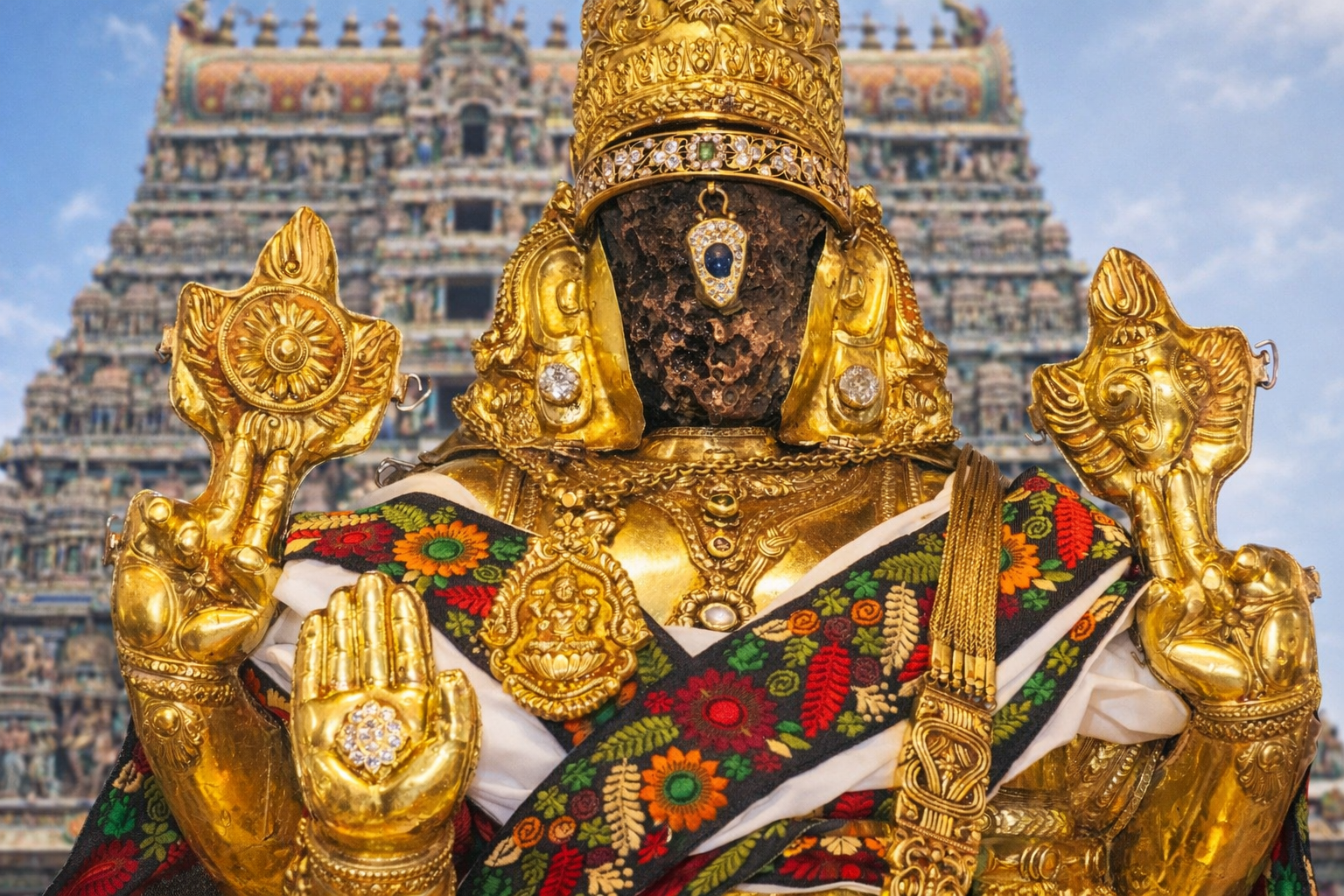
The primary deity of all Ekadashis is Sri Maha Vishnu, and Amalaki Ekadashi is considered especially dear to Him. Devotees worship Vishnu in various forms – as Narayana with His divine weapons (conch, discus, mace, and lotus), as Krishna in Vaishnava lineages, or as Rama in some traditions. On this particular day, Lord Vishnu is worshipped both in His traditional iconographic form and as manifested in the Amalaki tree itself.
Goddess Lakshmi
Alongside Vishnu, Goddess Lakshmi – the deity of prosperity, abundance, and auspiciousness – is worshipped. Many traditions specifically honor Lakshmi-Narayana together, seeking both spiritual liberation and material well-being. Some communities worship regional forms like Vithoba-Rakhumai or Radha-Krishna, emphasizing the divine couple’s grace.
Parashurama
In several Puranic retellings and temple traditions, devotees also worship Bhagawan Parashurama, the warrior-sage avatar of Vishnu, along with the Amalaki tree. This connection honors Parashurama’s role in establishing dharma and his association with sacred trees and nature worship.
The Trinity in the Tree
As mentioned earlier, the Amalaki tree itself embodies the complete Trinity – Brahma in the roots, Vishnu in the trunk, and Shiva in the branches. Therefore, by worshipping this tree, devotees simultaneously honor all three supreme deities, making it a complete spiritual practice that transcends sectarian boundaries.
Preparation for the Vrata
Dashami Preparations
Devotees typically begin preparation on Dashami, the tenth lunar day preceding Ekadashi. On this day, it is recommended to consume only a single, simple sattvic meal, avoiding tamasic foods such as non-vegetarian dishes, onion, garlic, alcohol, and heavily fried items. This preliminary purification prepares the body and mind for the complete fast.
Morning Rituals on Ekadashi
On Ekadashi morning, devotees wake up during Brahma Muhurta (approximately 1.5 hours before sunrise), which is considered the most spiritually charged time of day. After completing daily ablutions, a purifying bath is taken. Some traditions suggest adding a few drops of Amla juice or tulsi leaves to the bath water as symbolic purification specific to this vrata.
After bathing, devotees wear clean clothes – preferably yellow, white, or saffron, which are considered sattvic colors. They then sit before Lord Vishnu’s image or altar and take the sankalpa (formal vow), mentally or verbally declaring their intention to observe Amalaki Ekadashi vrata for purification, health, prosperity, and spiritual liberation.
Setting Up the Worship Space
If a living Amla tree is accessible, devotees clean the area around it, create rangoli or decorative patterns at its base, and arrange puja items including a kalasha (water pot), lamps, flowers, and offerings. Where a tree is unavailable, devotees use Amla fruits, a branch, or a symbolic picture placed near Vishnu’s murti in the home altar.
Complete Puja Vidhi: 15-Step Procedure
1. Sankalpa (Taking the Vow)
Hold water, unbroken rice (akshat), and flowers in your right hand. Formally declare your intention to observe the vrat, mentioning your name and gotra (if known), and state your purpose – seeking health, purity, and the blessings of Lord Vishnu.
2. Ganesh Puja
Begin by worshipping Lord Ganesha to remove all obstacles from the worship and ensure its successful completion. Offer flowers and recite “Om Gan Ganapataye Namah.”
3. Kalash Sthapana (Establishing the Sacred Pot)
Place a copper or brass kalasha filled with water near the Amalaki tree or on the altar. Add mango leaves around the rim and place a coconut on top. This kalasha represents the presence of all sacred rivers and deities.
4. Moola Mantra Japa
Chant the primary Vishnu mantra “Om Namo Bhagavate Vasudevaya” 108 times with devotion and concentration, using a mala (rosary) if available.
5. Avaahana (Invocation)
Invoke Lord Vishnu to reside in the Amalaki tree or the murti, requesting His divine presence to accept the worship. Ring a bell and say, “Amalakshipadam Vishnoh…” inviting all deities.
6. Asana (Offering a Seat)
Offer a symbolic seat to the divine presence by placing flowers and akshat, acknowledging the Lord’s gracious acceptance of your worship.
7. Padya (Washing the Feet)
Offer water to symbolically wash the roots of the tree or the base of Vishnu’s murti, showing humility and reverence.
8. Arghya (Respectful Water Offering)
Offer water mixed with flowers, akshat, and a pinch of sandalwood paste as a mark of deep respect and welcome.
9. Aachamaniya (Water for Sipping)
Offer water for symbolic sipping, following traditional hospitality customs extended to honored guests and deities.
10. Snana (Holy Bath)
Perform abhishekam by bathing the tree trunk or murti with panchamrita (mixture of milk, curd, ghee, honey, and sugar), followed by pure water. This purifies the deity and creates a sanctified atmosphere.
11. Vastra (Offering Cloth)
Tie a new piece of red or yellow cloth around the tree trunk or drape it on the murti, symbolizing honor and protection.
12. Yajnopavita (Sacred Thread)
Wind a sacred thread (mauli or kalawa) around the tree or place it on the deity, traditionally done seven times while chanting Vishnu’s names.
13. Gandha and Pushpa (Sandalwood and Flowers)
Apply sandalwood paste mixed with kumkum and turmeric to the trunk or murti. Offer fresh flowers, tulsi leaves, and garlands, expressing devotion through fragrance and beauty.
14. Dhupa and Deepa (Incense and Lamp)
Light incense sticks and a ghee lamp, waving them before the deity. The fragrance represents prayers ascending to the divine, and the lamp dispels darkness and ignorance.
15. Naivedya (Food Offering)
Offer bhog consisting of fresh Amla fruits, seasonal fruits, coconut, and sweets prepared without grains (such as kheer made with milk and jaggery, or fruit-based preparations). Place these offerings with devotion, inviting the Lord to partake.
Aarti and Pradakshina
After completing the 15 steps, perform aarti with a camphor or ghee lamp, singing Vishnu aarti or “Om Jai Jagdish Hare.” Circumambulate the tree or altar one, three, or seven times, offering salutations. The prasad is then set aside for distribution the following day.
Fasting Guidelines and Rules
Types of Fasting
Nirjala Fast: The most rigorous form where devotees abstain completely from food and water for the entire day and night. This is typically observed by very strict practitioners and those in good health.
Phalahar (Fruit Fast): Devotees consume only fruits, milk, and water. This is the most commonly followed method, suitable for most people.
Partial Fast: Taking a single meal of Ekadashi-friendly foods – those prepared without grains, pulses, onion, and garlic. This includes items like sabudana, potatoes, nuts, and dairy products.
Foods to Avoid
All grains (rice, wheat, barley), pulses (dal, beans, lentils), onion, garlic, non-vegetarian food, alcohol, and heavily spiced or fried items must be strictly avoided on Ekadashi day.
Breaking the Fast (Parana)
The fast is broken on Dwadashi (the twelfth lunar day) after sunrise, within the prescribed parana time according to the local panchang. Before eating, devotees offer prayers to Sri Vishnu and consume a small portion of the prasad from the previous day’s puja. It is highly meritorious to feed brahmanas, the poor, or cows on Dwadashi as a completion of the observance.
Breaking the fast at the wrong time or delaying without reason is said to reduce the spiritual merit of the vrata.
Who Can Observe
This vrata is open to all sincere devotees regardless of varna, gender, or age. However, pregnant or nursing women, the severely ill, the elderly, and young children are exempt from strict fasting. They can observe a partial fast with fruits and milk while focusing on prayer, mantra chanting, and listening to the katha.
Day-Long Devotional Practices
Morning to Evening Activities
Throughout Ekadashi day, devotees should:
- Engage in continuous or periodic japa of Vishnu mantras, particularly “Om Namo Bhagavate Vasudevaya”
- Recite Vishnu Sahasranama (the thousand names of Vishnu), which is considered highly auspicious
- Read portions of the Bhagavad Gita, Vishnu Purana, or other sacred texts
- Visit nearby Vishnu or Krishna temples to offer prayers and Amla fruits
- Perform charity (dana) by donating food, clothes, or money to brahmanas, temples, or the needy
- Avoid sleeping excessively during the day
- Maintain silence or minimize unnecessary conversation
Night Vigil (Jagaran)
A distinctive feature of Amalaki Ekadashi is the night-long jagaran where devotees stay awake engaging in devotional activities. This vigil is described in the Puranas as greatly multiplying the fruits of the vrata. Devotees gather for:
- Bhajans and kirtans (devotional singing)
- Chanting the holy names of Vishnu
- Reading and discussing scriptures
- Listening to discourses on Vishnu’s glories
- Sometimes staging devotional dramas or musical performances
Even if complete wakefulness is not possible, staying up as much as possible in a devotional mood is considered highly meritorious. The purpose is to remain spiritually conscious and alert, symbolizing the awakened state of divine awareness.
Spiritual Benefits and Promised Fruits
Destruction of Sins
The primary benefit emphasized in all scriptural sources is the complete destruction of sins – both those committed knowingly and unknowingly, in this life and previous births. The Puranas state that observing this Ekadashi purifies the soul more effectively than bathing in all holy rivers combined.
Material Prosperity
Worshipping the Amalaki tree on this day is said to please Goddess Lakshmi, bringing wealth, prosperity, and abundance to the household. The merit is equated to donating a thousand cows, gold, land, and food grains.
Health and Longevity
Given the Amalaki tree’s association with health and rejuvenation in Ayurveda, observing this vrata is believed to grant robust health, strong immunity, and long life. Many devotees specifically pray for relief from chronic ailments.
Progeny Blessings
Childless couples are advised to worship the Amalaki tree with devotion on this Ekadashi, praying for healthy offspring.
Liberation (Moksha)
The ultimate fruit of this vrata is moksha – liberation from the cycle of birth and death and attainment of Vaikuntha. The scriptures describe this Ekadashi as an uttama vrata capable of granting a place at Lord Vishnu’s lotus feet.
Benefits to Ancestors and Descendants
The merit extends beyond the individual performer, uplifting ancestors (pitrs) suffering in various realms and blessing future generations, particularly when combined with dana and feeding the poor.
Traditional Charitable Acts (Dana)
Donating Amla Fruits
Offering Amla fruits to brahmanas, temples, or the needy on this day is considered extraordinarily meritorious, said to be more beneficial than donating gold.
Setting Up Water Stations
Establishing water pots or water stalls near Amalaki trees for passersby to quench their thirst brings blessings for a peaceful afterlife and removes obstacles.
Food Distribution (Anna Dana)
Feeding brahmanas and the poor, especially on Dwadashi after breaking the fast, is believed to bring prosperity to the family for seven generations.
Clothing and Money
Donating yellow or white cloth and dakshina (money) to priests or the needy completes the vrata and pleases all deities.
Regional Celebrations and Temple Traditions
North India
In Uttar Pradesh, Madhya Pradesh, and Rajasthan, grand processions are organized. In Mathura-Vrindavan, this Ekadashi marks the beginning of Holi festivities, with devotees applying gulal (colored powder) to deities. The Banke Bihari and Radha Raman temples hold special darshans and elaborate aartis.
South India
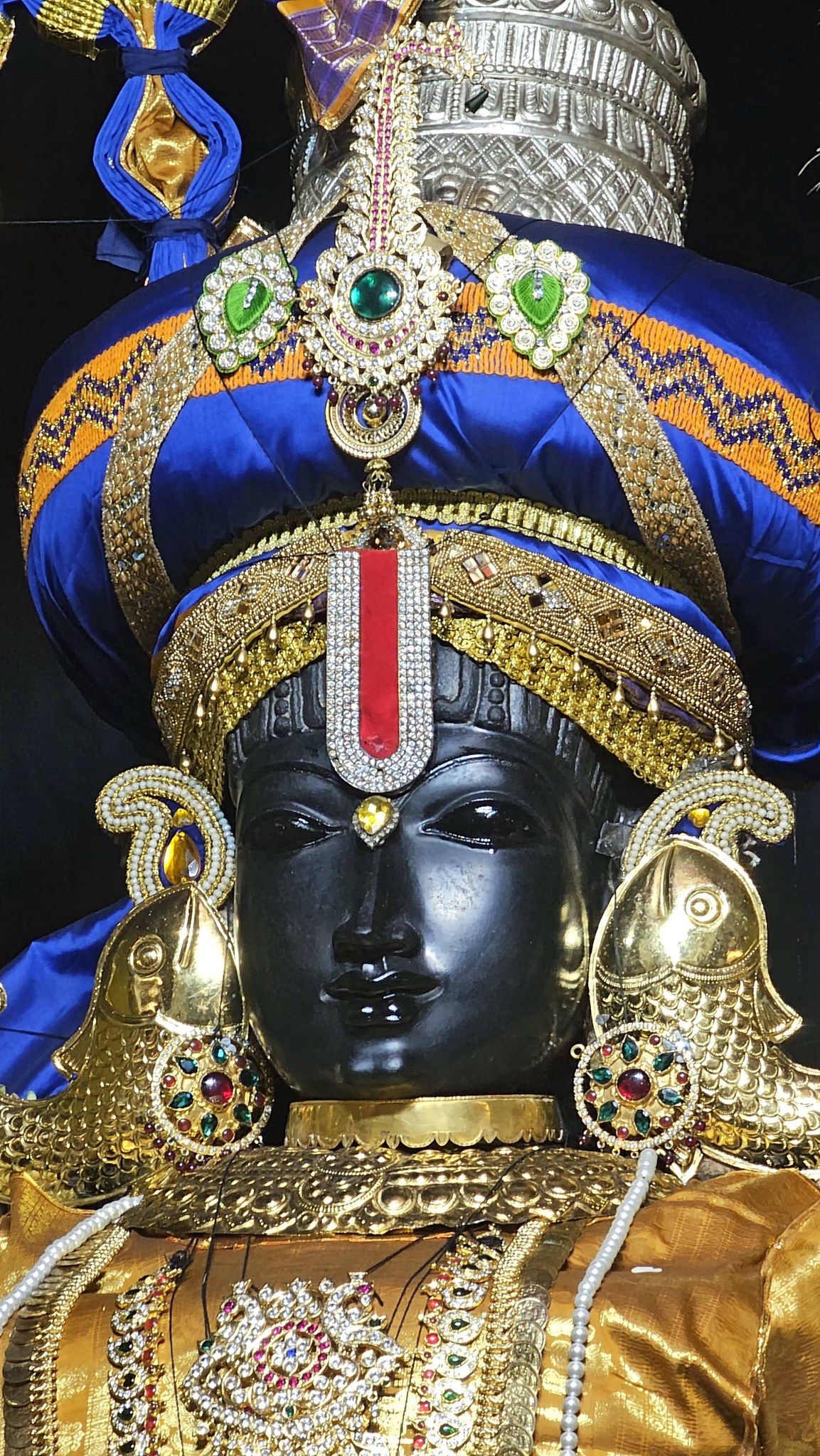
In Andhra Pradesh, Telangana, Karnataka, and Tamil Nadu, the focus is more on austere fasting and inner sadhana. The Tirupati temple and Ranganathaswamy temple in Srirangam organize special discourses and extended puja services.
Major Pilgrimage Sites
Badrinath Temple (Uttarakhand): The temple doors are traditionally opened during this period as spring arrives, allowing devotees to worship the deity after winter closure.
ISKCON Centers: Gaudiya Vaishnava temples worldwide observe this with continuous kirtan, scripture reading, and distribution of Amla prasad, emphasizing both spiritual and health benefits.
Community Observances
In rural areas, entire villages may gather under a sacred Amla tree, performing collective worship and organizing community feasts on Dwadashi. These gatherings strengthen social bonds while fulfilling spiritual purposes.
Do’s and Don’ts on Amalaki Ekadashi
Do’s (Recommended Practices)
- Wake up during Brahma Muhurta and maintain physical cleanliness throughout the day
- Observe the fast according to your health capacity, strictly avoiding grains
- Engage in japa, kirtan, and scripture reading
- Worship both Lord Vishnu and the Amalaki tree with sincere devotion
- Offer water, flowers, fruits, and tulsi leaves with love
- Perform acts of charity and feed the poor
- Stay awake as much as possible, engaging in devotional activities
- Maintain a calm, peaceful, and positive mental state
- Visit Vishnu temples if accessible
Don’ts (Restrictions)
- Do not consume grains, pulses, onion, garlic, or heavy fried foods
- Avoid breaking the fast prematurely without genuine necessity
- Refrain from anger, harsh speech, arguments, or gossip
- Do not engage in intoxication of any kind – alcohol, tobacco, etc.
- Never cut, damage, or disrespect Amalaki trees on this sacred day
- Avoid excessive sleep during the day
- Do not indulge in sensory pleasures or entertainment
- Refrain from lying or deceitful behavior
Those who are ill, elderly, or under medical guidance should not undertake extreme fasting but can focus on prayer, mantra, and charity while following a light sattvic diet.
Frequently Asked Questions
Q: What is Amalaki Ekadashi and why is it celebrated?
A: Amalaki Ekadashi is a sacred festival observed on the eleventh lunar day of Shukla Paksha in Phalguna month, dedicated to worshipping Bhagawan Vishnu and the Amalaki tree. It is celebrated because the tree is believed to be a living manifestation of Sri Maha Vishnu, with all major deities residing within it. Observing this vrata destroys sins and grants liberation.
Q: When does Amalaki Ekadashi occur? A: It falls during Phalguna Shukla Paksha Ekadashi, typically in February or March in the Gregorian calendar, arriving just before the Holi festival.
Q: Which deity is primarily worshipped on this day? A: Bhagawan Vishnu is the primary deity, worshipped both in His traditional form and as manifested in the Amalaki tree. Goddess Lakshmi is also worshipped alongside Him.
Q: What is the main story associated with Amalaki Ekadashi? A: The Brahmanda Purana narrates the story of King Chitraratha, who with his subjects worshipped the Amalaki tree on this day and attained liberation to Vaikuntha. A poor hunter who accidentally observed the fast was reborn as the virtuous King Vasuratha.
Q: Is it necessary to have an Amalaki tree to perform the puja? A: While having access to a living tree is ideal, it is not mandatory. Devotees can worship using Amla fruits, a branch, or even a picture of the tree placed near Vishnu’s murti.
Q: What type of fast should be observed? A: Devotees can choose from Nirjala fast (no food or water), Phalahar (fruits and milk only), or partial fast with Ekadashi-friendly foods. The key is to avoid all grains and pulses.
Q: Can women observe this fast? A: Absolutely. This festival is for all sincere devotees regardless of gender. However, pregnant or nursing women are exempt from strict fasting and may observe with fruits and milk.
Q: When should the fast be broken? A: The fast must be broken (parana) on Dwadashi morning after sunrise, within the prescribed time according to the local panchang. Breaking it at the correct time is essential for receiving full spiritual merit.
Q: What are the main benefits of observing this Ekadashi? A: The vrata grants destruction of sins, health and longevity, wealth and prosperity, progeny blessings, relief from ancestral doshas, and ultimately moksha (liberation). It is said to equal the merit of performing all major sacrifices.
Q: What is the significance of staying awake (jagaran) on this night? A: Night-long vigil while engaging in bhajans, kirtan, and scripture reading is considered highly meritorious. It symbolizes remaining spiritually conscious and alert, greatly multiplying the benefits of the vrata.
Q: What offerings should be made to the Amalaki tree? A: Traditional offerings include water, milk, panchamrita, sandalwood paste, kumkum, flowers, tulsi leaves, Amla fruits, and ghee lamps. A sacred thread is also tied around the trunk.
Q: What charitable acts are recommended? A: Donating Amla fruits, feeding brahmanas and the poor, providing water to passersby, and giving clothes or money to those in need are highly recommended and multiply the vrata’s benefits.
Q: What mantra should be chanted? A: The primary mantra is “Om Namo Bhagavate Vasudevaya.” Chanting Vishnu Sahasranama (thousand names of Vishnu) is also highly beneficial on this day.
Q: How does this Ekadashi help with planetary doshas? A: It is particularly powerful for removing Pitru Dosha (ancestral afflictions) and mitigating malefic effects of Sun and Moon in one’s horoscope. It also helps appease Saturn’s influence.
Q: What if someone is unable to fast due to health reasons? A: Those who cannot fast strictly should focus on devotional practices – worship, mantra chanting, listening to the katha, and performing charity. Even these bring great spiritual merit.
Q: How is Amalaki Ekadashi connected to Holi? A: In North India, particularly Mathura-Vrindavan, this Ekadashi marks the beginning of Holi celebrations. It is called Rangbhumi Ekadashi, representing the spiritual preparation before the joyful festival of colors.
Q: Which Purana describes this Ekadashi in detail? A: The Brahmanda Purana provides the primary description, particularly in the conversation between Lord Krishna and King Yudhishthira. The Skanda Purana also mentions its significance.
Q: What is the symbolism of the Amalaki tree having all deities? A: Brahma resides in the roots, Vishnu in the trunk, and Shiva in the branches, making the tree a representation of the complete cosmic order (Trimurti). This symbolizes that by worshipping nature with devotion, we worship the entire divine manifestation.
Om Namo Bhagavate Vasudevaya!
Help Us Keep This Guide Accurate
At Temple Connect, we regularly update our content to ensure you receive the most relevant and authentic information. If you’d like to suggest improvements, share regional traditions, or report any updates, we’d love to hear from you at connect@templeconnect.com
Follow us on our X platform.
Note to Readers: This article is intended for educational and devotional purposes. The information presented is based on traditional Hindu scriptures, contemporary religious practice, and scholarly research.
Individual observance may vary based on family tradition, regional custom, and personal circumstance. For specific guidance, especially regarding complex astrological remedies, please consult qualified priests, pandits, or Vedic astrologers. The health-related aspects mentioned are traditional beliefs and should not replace professional medical advice.