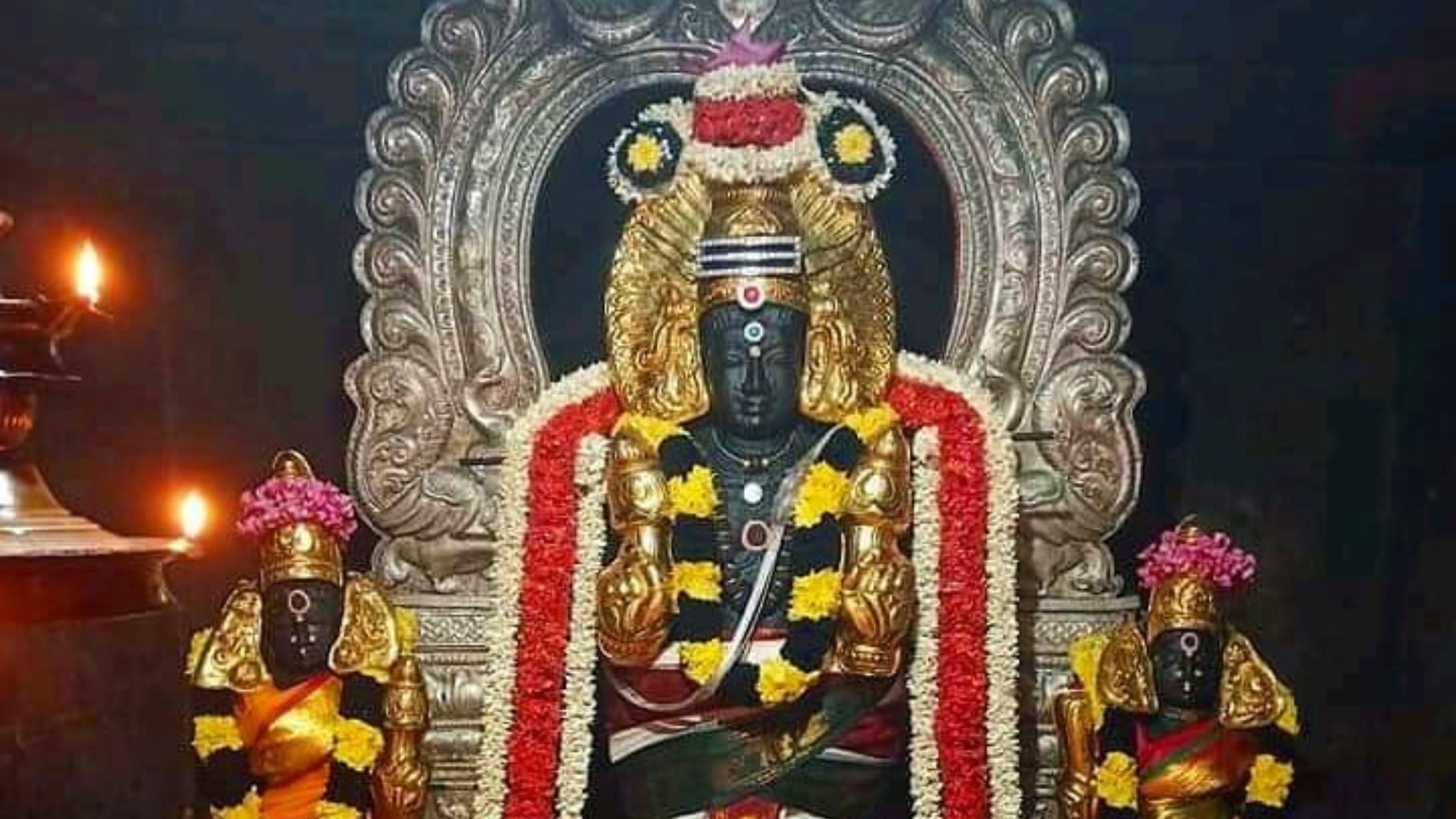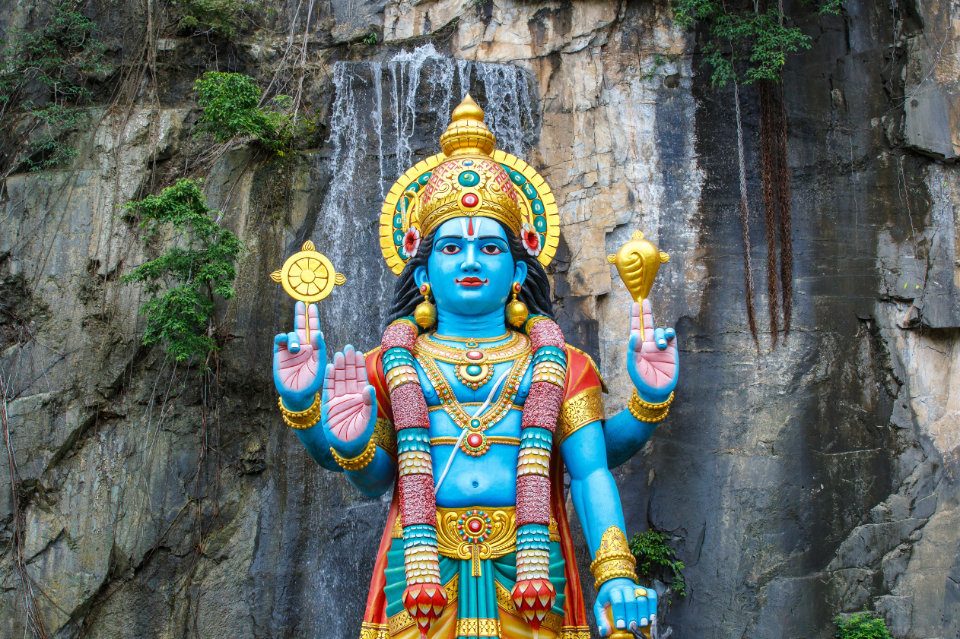
Papamochani Ekadashi 2026: Date, Timings, Vrat Katha, Puja Vidhi
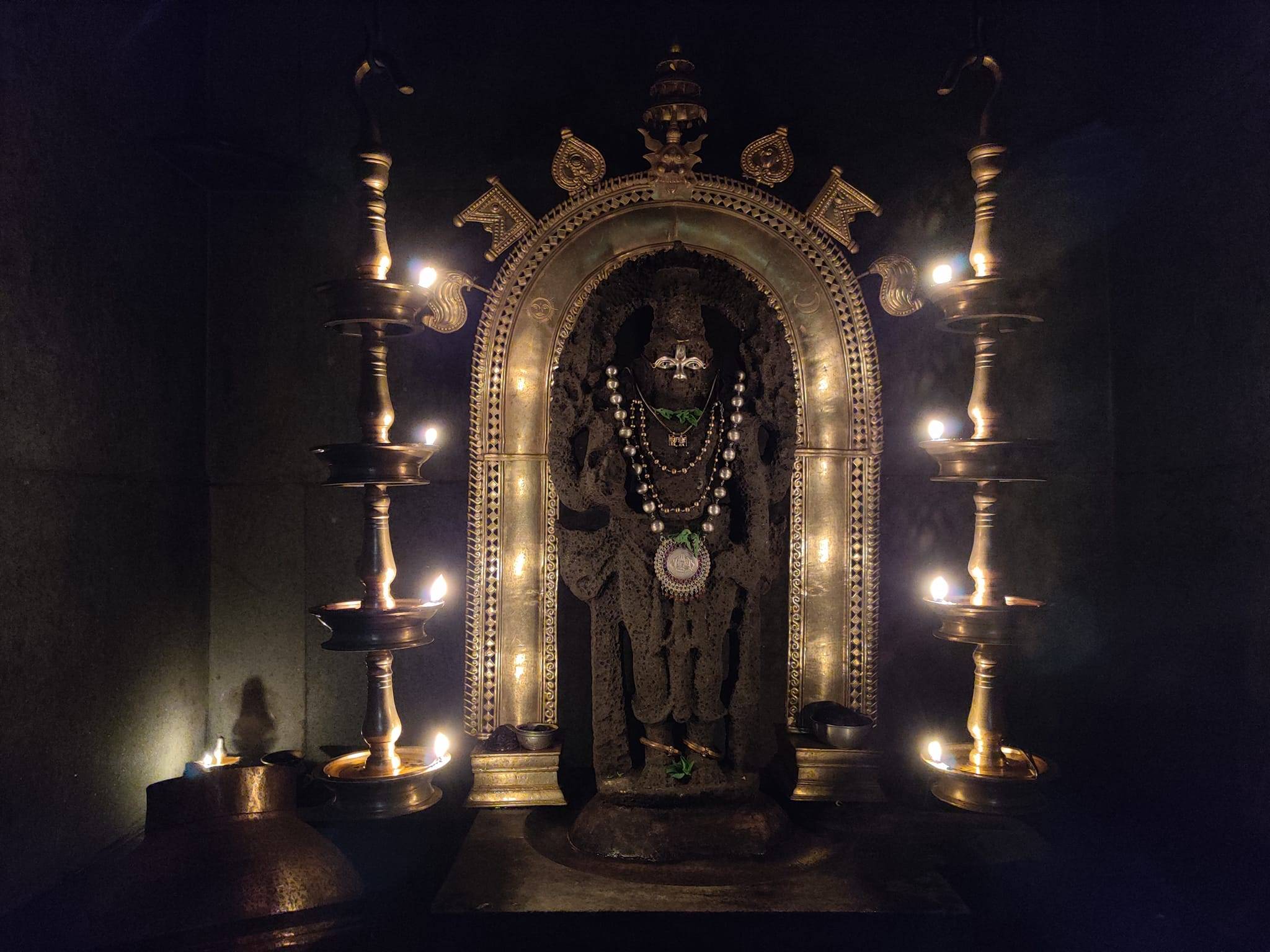
Papamochani Ekadashi 2026 arrives on Sunday, March 15, 2026 – the final and most powerful Ekadashi of the Hindu lunar year, dedicated to Lord Vishnu in his sin-absolving Vasudeva form. Falling on the Krishna Paksha Ekadashi of Chaitra month, this sacred vrat carries the divine shakti to dissolve lifetimes of accumulated karma through fasting, katha recitation, and devoted worship.
Papamochani Ekadashi 2026 holds added significance as it falls on a Sunday, a day naturally governed by Surya Deva, creating a rare convergence of solar and Vaishnava energies. Devotees across India and Vaishnava communities worldwide observe this day as a celestial threshold of forgiveness before the new spiritual year begins with Chaitra Navratri.
Papamochani Ekadashi 2026 Date and Timings
Papamochani Ekadashi 2026 is observed on Sunday, March 15, 2026. The Ekadashi tithi’s presence at sunrise on March 15 confirms this as the principal day of fasting and worship as per traditional panchang calculation.
Ekadashi Tithi Timings
| Tithi Event | Date and Time |
|---|---|
| Ekadashi Tithi Begins | 08:10 AM on March 14, 2026 |
| Ekadashi Tithi Ends | 09:16 AM on March 15, 2026 |
| Vrat Observance Day | Sunday, March 15, 2026 |
| Parana (Fast Breaking) | March 16, 2026, after sunrise |
Understanding the Tithi
Since the Ekadashi tithi is present at sunrise on March 15, the full fast of Papamochani Ekadashi 2026 is observed on this day. Devotees who wish to observe the Dashami-evening preparation protocol should begin sattvic eating and intention-setting from the evening of March 14 itself, when the Ekadashi tithi commences at 08:10 AM.
The Ekadashi tithi ends at 09:16 AM on March 15, after which Dwadashi begins. This makes the Brahma Muhurta and early morning hours of March 15 the most potent window for Papamochani Ekadashi 2026 puja, abhishek, and mantra japa — when the full Ekadashi tithi is still active and the mind is naturally sattvik.
Parana Timing
The fast of Papamochani Ekadashi 2026 is broken on March 16, 2026 – Dwadashi after sunrise and following the morning Vishnu puja. The Parana meal should be sattvic; rice, kheer, or simple cooked grains are appropriate. Honey and urad dal are avoided on Dwadashi. Multiple meals on Dwadashi are also traditionally discouraged, a single, mindful meal is considered ideal.
Significance of Papamochani Ekadashi 2026
Papamochani Ekadashi 2026 stands apart from all other Ekadashis by virtue of its position in the Hindu lunar calendar – it is the last of the 24 Ekadashis of the year, observed at the precise juncture before the new spiritual year unfolds with Chaitra Navratri. This timing is not incidental. The Puranas describe this Ekadashi as the year’s final purifier – a divine mechanism through which the soul sheds its accumulated karmic residue before entering the new cycle.
The name itself carries the weight of its purpose. Papa means sin and Mochani means liberator. Together, they describe an Ekadashi whose very essence is the removal of transgression — not merely the small oversights of daily life, but the gravest sins including brahmahatya, gold theft, and illicit conduct, as stated in the Bhavishya Uttara Purana.
Lord Krishna narrated the glories of Papamochani Ekadashi 2026 to Arjuna in the Puranas, stating that sincere fasting on this tithi purifies the soul, grants mental clarity, and paves the path to moksha. For devotees carrying the weight of guilt, regret, or karmic burden, Papamochani Ekadashi 2026 is the Puranic assurance that no fall is final and no sin is beyond Vishnu’s grace.
How to Observe Papamochani Ekadashi 2026
Preparation: Evening of March 14
On the evening of March 14 – the day the Ekadashi tithi begins – consume a light, sattvic meal before sunset. Avoid grains, meat, onion, garlic, and tamasic food. Set your sankalpa (vow) for the following day’s fast. This Dashami-evening preparation aligns the body and mind with the vrat’s energy from the outset.
Morning of Papamochani Ekadashi 2026
Rise during Brahma Muhurta approximately 96 minutes before sunrise on March 15. Take a purifying bath using Kush grass, sesame seeds, and a few drops of Gangajal. Wear fresh yellow or white attire. Yellow is considered especially auspicious for Vishnu worship and is recommended for Papamochani Ekadashi 2026.
Puja Vidhi Overview
- Clean the altar and spread a yellow cloth
- Install Vishnu’s idol or photo with a Tulsi plant alongside
- Invoke Lord Vishnu with Om Namo Bhagavate Vasudevaya
- Recite the Sankalpa, naming your vow to observe the fast for sin removal and Vishnu’s grace
- Perform abhishek with panchamrit – milk, curd, ghee, honey, and sugar followed by a plain water rinse
- Apply chandan and kumkum on the idol’s forehead
- Offer yellow flowers, garlands, and Tulsi patra, the single offering most pleasing to Vishnu
- Light dhup and a ghee lamp
- Recite the Vishnu Sahasranama or the Hare Krishna Mahamantra for a full mala (108 repetitions)
- Read or listen to the complete Vrat Katha aloud
- Perform aarti with a ghee lamp while chanting Om Jai Jagdish Hare
Bhog Offerings for Papamochani Ekadashi 2026
Grain-based offerings are not permitted on Ekadashi. Appropriate bhog includes:
- Fresh seasonal fruits
- Kheer (rice pudding prepared with full milk)
- Dry fruits and nuts
- Tulsi patra never omitted on any Ekadashi offering
Fasting Guidelines
Three levels of fasting are recognized for Papamochani Ekadashi 2026:
- Nirjala: Complete abstention from food and water for those capable of full observance
- Phalahar: Fruits, milk, and nuts – appropriate for most devotees
- Partial sattvic: A single light grain-free meal permitted for the elderly, unwell, or pregnant women
The evening of Papamochani Ekadashi 2026 is observed with jagaran, a night vigil of bhajans, Bhagavad Gita parayana, and mantra japa extending until the following dawn.
Papamochani Ekadashi Vrat Katha for 2026
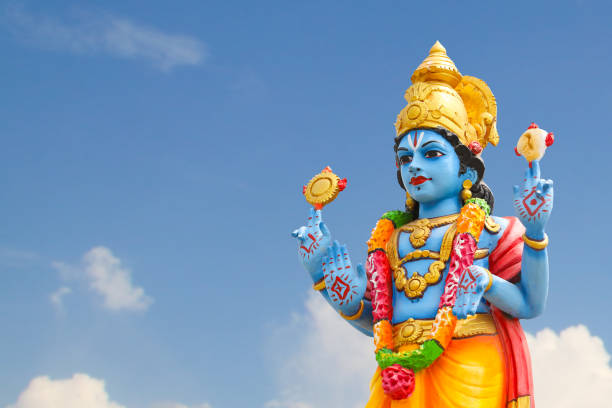
Reciting or sincerely listening to the Papamochani Ekadashi Vrat Katha is an essential and non-negotiable element of the 2026 observance. The Bhavishya Uttara Purana states clearly that even hearing the katha with attention yields merit equivalent to donating one thousand cows in charity – making the katha itself an act of enormous spiritual consequence, independent of the fast.
The katha narrates the story of Medhavi Rishi, son of Chyavan Rishi and a devoted Shiva bhakta, who lost 57 years of intense tapasya to the enchantments of the apsara Manjughosha. In his anger, he cursed her to become a Pishachini. Both the sage and the apsara were eventually redeemed by observing this very Ekadashi – demonstrating that Vishnu’s papmochani shakti can liberate even those who have fallen to the deepest point of karmic degradation.
On Papamochani Ekadashi 2026, the ideal time to recite or listen to the katha is during the early morning puja immediately following the abhishek and before the aarti. Families are encouraged to gather together so all members receive the katha’s purificatory benefit.
Where Papamochani Ekadashi 2026 Will Be Celebrated
Major Vishnu Temples
Tirupati, Andhra Pradesh: Sri Venkateswara Temple observes all Ekadashis with special Vishnu abhisheks, large-scale prasad distribution, and extended darshan hours. Papamochani Ekadashi 2026 will draw significant footfall to Tirupati, with the temple management typically announcing special programs for the year’s final Ekadashi.
Puri, Odisha: The Jagannath Temple observes Ekadashi with full Vaishnava protocols. Temple sevayats observe strict Nirjala fasting, and the deity’s elaborate puja includes special Tulsi offerings and extended bhajan sessions.
Dwarka, Gujarat: The Dwarkadhish Temple observes Papamochani Ekadashi 2026 with a special mangal aarti attended by thousands, followed by Vishnu Sahasranama recitation during the morning hours.
Vrindavan and Mathura, Uttar Pradesh: ISKCON Vrindavan and the Banke Bihari Temple host akhand kirtan, special Vishnu abhisheks, and katha recitations. The Vaishnava community of Vrindavan observes this Ekadashi with particular intensity as the year’s final purifier.
Pap Mochani Temple, Pushkar
The Pap Mochani Temple in Pushkar, Rajasthan dedicated specifically to Ekadashi Mata hosts the most distinctive Papamochani Ekadashi celebration in India. Pilgrims take ritual dips in Pushkar Lake on this day, believing the sacred waters amplify the Ekadashi’s sin-dissolving power. A mela atmosphere prevails with kirtan, darshan, and large-scale annadan (community feeding).
Home Celebrations
For Papamochani Ekadashi 2026, homes across Telangana, Andhra Pradesh, and across India replicate temple protocols at the home altar. The emphasis is on the full Vrat Katha recitation, Vishnu Sahasranama parayana, and charity to Brahmins and the needy on the day of or the morning after the Ekadashi. Families in Telugu-speaking regions traditionally gather for the katha recitation as a household, ensuring all members participate in the year’s final karmic cleanse.
Benefits of Observing Papamochani Ekadashi 2026
Religious Benefits
The Bhavishya Uttara Purana states that observing Papamochani Ekadashi 2026 with sincerity destroys even the gravest transgressions brahmahatya, gold theft, intoxication, and illicit conduct. The merit earned is said to equal performing a thousand Ashvamedha Yajnas. Devotees are released from the cycle of karmic consequence, granted protection from negative energies and ghostly afflictions, and set firmly on the path toward moksha.
Astrological Benefits
Papamochani Ekadashi 2026 is prescribed as a potent remedy for Pitru Dosha ancestral karmic debt with sincere observance believed to liberate up to ten generations of ancestors. The fast neutralizes the malefic influence of Rahu and strengthens both Moon and Jupiter in the individual’s chart, improving mental clarity and dharmic resolve. Falling during the Sun’s transit through Meena Rashi (Pisces) – the zodiac sign of liberation and endings – Papamochani Ekadashi 2026 carries amplified karmic release energy unique to this year’s timing.
Do’s and Don’ts on Papamochani Ekadashi 2026
Do’s
- Rise during Brahma Muhurta on March 15 and bathe before beginning puja
- Offer Tulsi patra during Vishnu abhishek – this is non-negotiable on any Ekadashi
- Recite or listen to the complete Vrat Katha as a family during morning puja
- Chant Om Namo Bhagavate Vasudevaya for a minimum of 108 repetitions
- Observe jagaran on the night of Papamochani Ekadashi 2026 with bhajans and Gita parayana
- Donate food, clothes, or grains to Brahmins and the needy
- Perform kshamapana seek forgiveness from those wronged and offer forgiveness freely
- Break the fast on March 16 (Dwadashi) after sunrise, following the morning Vishnu puja
Don’ts
- Do not consume grains, pulses, rice, meat, onion, garlic, or alcohol on Papamochani Ekadashi 2026
- Do not sleep during the daytime – this is one of the critical rules of all Ekadashis and directly reduces the vrat’s accumulated merit
- Do not skip the Vrat Katha even if the fast cannot be fully observed, the katha must be heard
- Avoid conflict, harsh speech, and idle company on this day
- Do not break the fast with honey or urad dal on Dwadashi
- Avoid eating multiple meals on Dwadashi, a single sattvic meal is the prescribed norm
- Do not omit dana, charity is integral to Papamochani Ekadashi 2026’s observance, not optional
Frequently Asked Questions
When is Papamochani Ekadashi 2026? Papamochani Ekadashi 2026 falls on Sunday, March 15, 2026. The Ekadashi tithi begins at 08:10 AM on March 14 and ends at 09:16 AM on March 15.
When should the fast be broken on Papamochani Ekadashi 2026? The Parana (fast breaking) for Papamochani Ekadashi 2026 is on March 16, 2026 Dwadashi after sunrise and following the morning Vishnu puja.
Why is Papamochani Ekadashi 2026 falling on a Sunday significant? Sunday is governed by Surya Deva, whose energy aligns powerfully with Vishnu’s preservative grace. A Vaishnava fast on a solar day creates a rare convergence that amplifies the vrat’s purificatory power.
What is the main deity worshipped on Papamochani Ekadashi 2026? Sri Maha Vishnu is worshipped in his Vasudeva form, the all-pervading, eternally present aspect of the divine. Tulsi Devi and Goddess Lakshmi are also honored alongside him.
What mantra should be chanted on Papamochani Ekadashi 2026? The primary mantra is Om Namo Bhagavate Vasudevaya. The Hare Krishna Mahamantra and Vishnu Sahasranama are also recited with full malas for maximum benefit.
Is fasting mandatory for Papamochani Ekadashi 2026? The fast is strongly recommended but offered in three levels, Nirjala, Phalahar, and partial sattvic to accommodate all devotees regardless of health. The sincerity of devotion matters more than the strictness of fasting.
What is the significance of the Vrat Katha on Papamochani Ekadashi 2026? The Bhavishya Uttara Purana states that merely hearing the katha sincerely yields merit equivalent to donating one thousand cows. Reciting or listening to the Medhavi Rishi–Manjughosha katha is therefore a spiritually complete act in itself.
What charitable acts are recommended on Papamochani Ekadashi 2026? Feeding Brahmins and the needy, donating clothes, grains, or money, offering jasmine flowers in puja, and performing kshamapana (seeking and offering forgiveness) are all highly recommended acts of dana on this day.
Explore full rituals and traditions →
Conclusion
Papamochani Ekadashi 2026, observed on Sunday, March 15, 2026, is the Hindu lunar year’s final and most merciful gift to the soul, a day when Vishnu’s papmochani shakti reaches out to every sincere heart and dissolves what has accumulated over lifetimes.
With the Ekadashi tithi active through the early morning hours of March 15, devotees have a clear and auspicious window for bath, puja, katha recitation, and jagaran. Rise before dawn, invoke Lord Vishnu with the Vasudeva mantra, listen to the katha with full attention, and give generously to those in need. No sin is beyond this Ekadashi’s reach and no devotee who approaches it with genuine surrender goes unanswered.
For the complete, in-depth guide to Papamochani Ekadashi – covering its full religious significance, detailed puja vidhi, complete Vrat Katha, astrological importance, and regional traditions across India: Visit this Article.
Om Namo Bhagavate Vasudevaya!