Hanuman Jayanti 2026: Date, Timings, Puja Vidhi and Significance
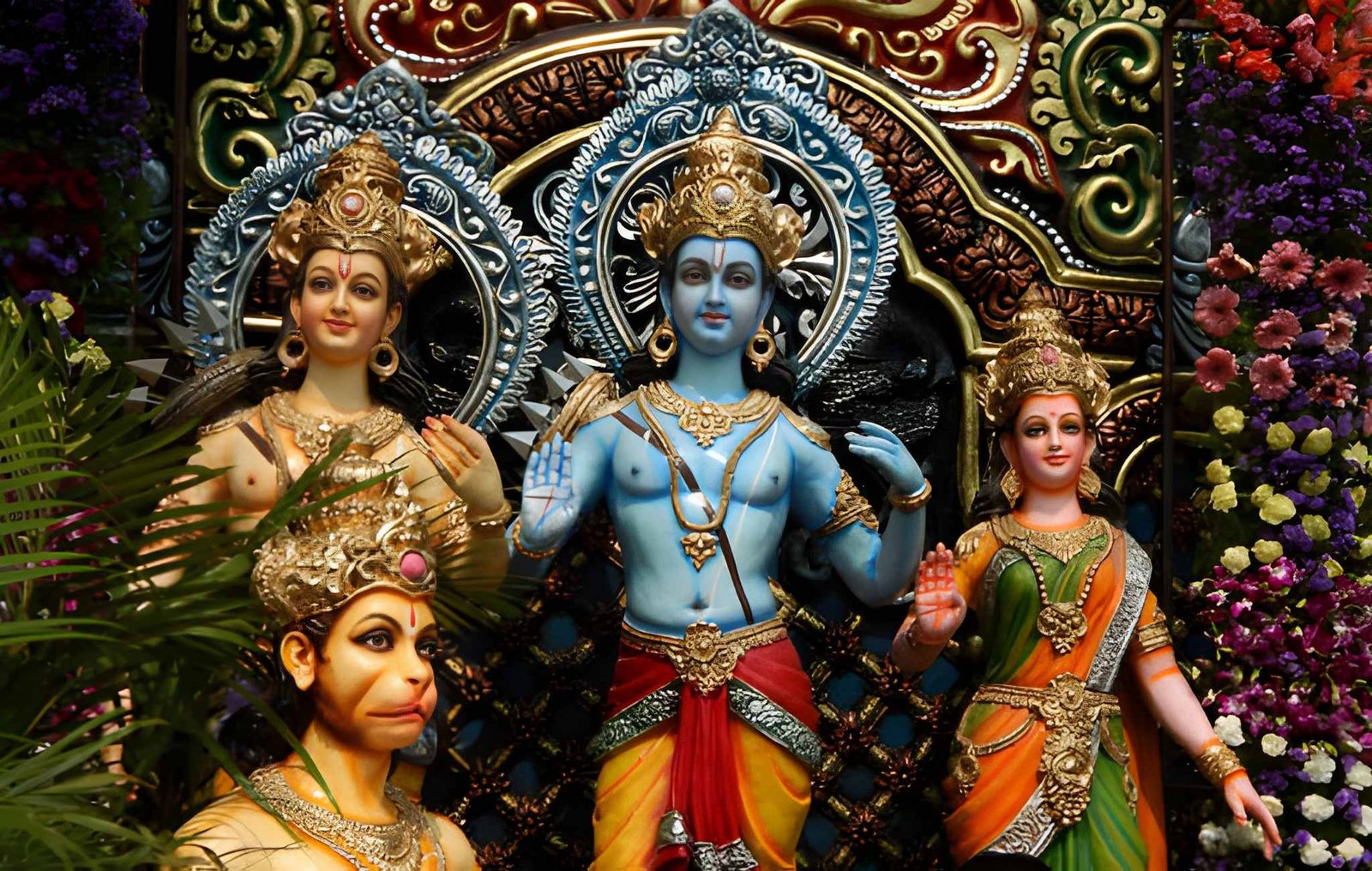
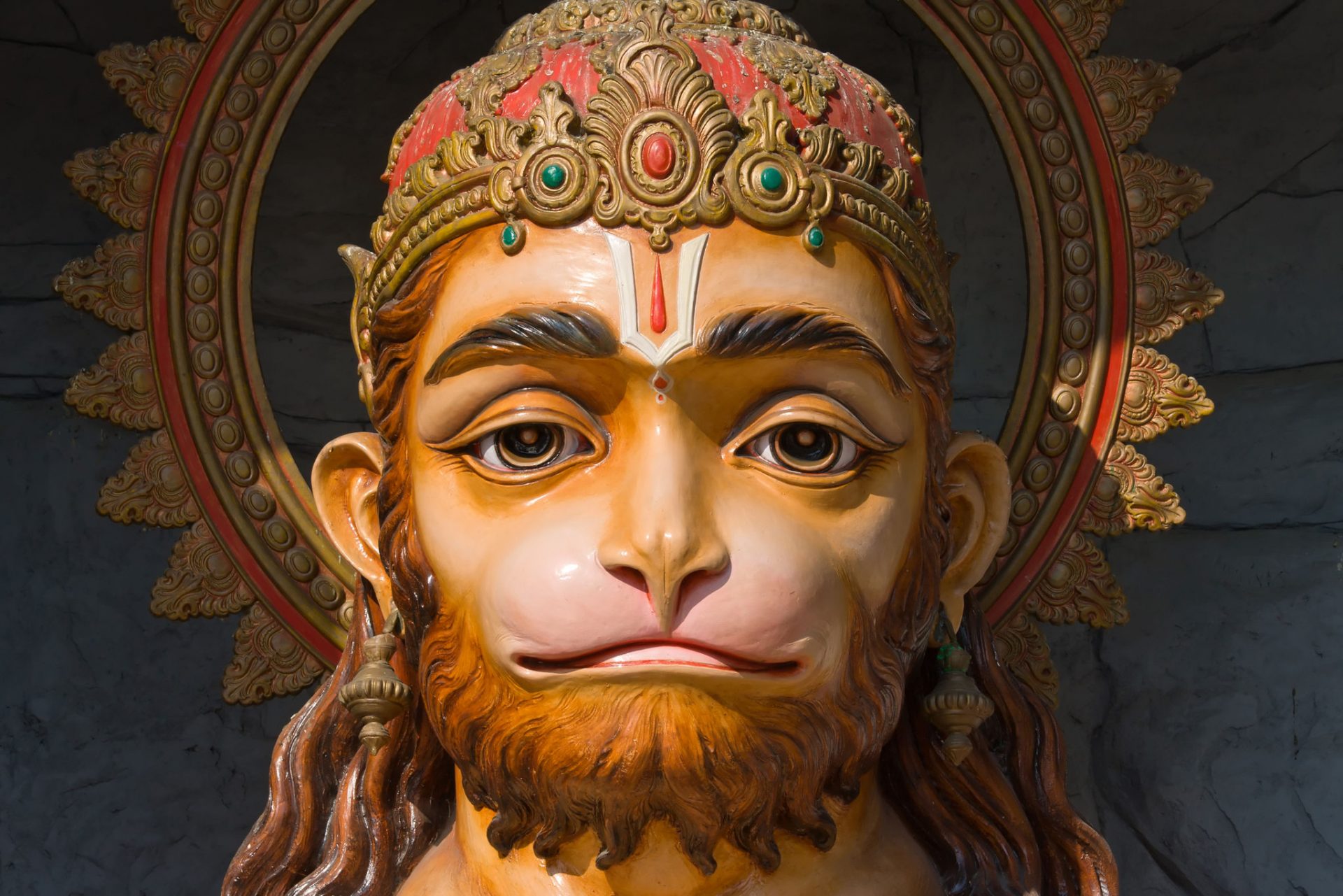
Hanuman Jayanti 2026 marks the sacred birth anniversary of Bhagawan Hanuman, one of the most beloved and widely worshipped deities in Sanatana Dharma. Observed with immense devotion across India and among Hindu communities worldwide, this day is a time for prayer, fasting, katha recitation, and deep surrender to the divine.
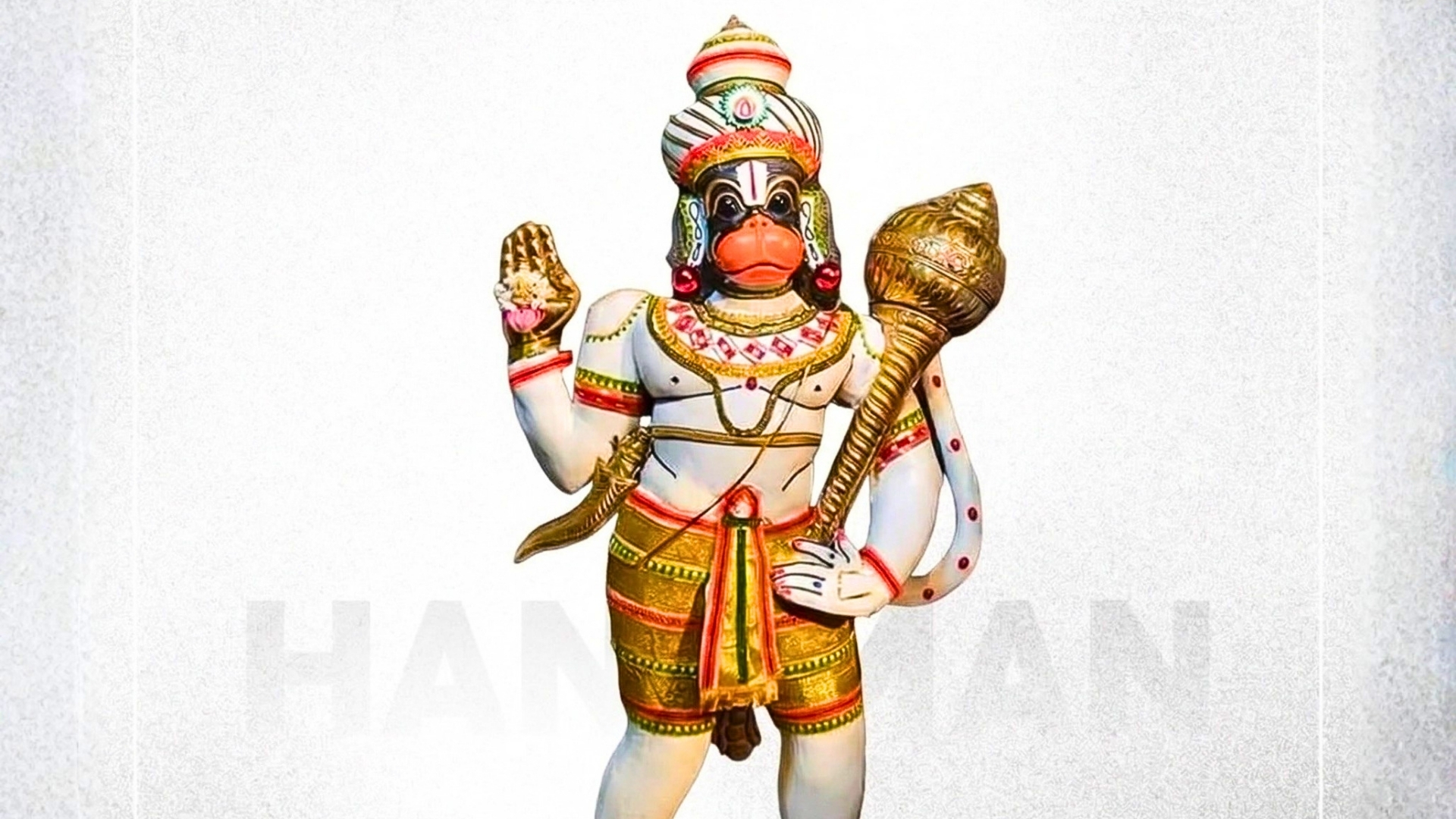
This year, Hanuman Jayanti 2026 falls on Thursday, April 2, a day that carries its own auspiciousness as Guruvar, considered favorable for worship and spiritual practice. Devotees who have been observing their Tuesday and Saturday vrats through the year will find the Chaitra Purnima observance of Hanuman Jayanti 2026 to be a spiritually charged culmination of that discipline.
Whether you are planning a home puja, a visit to a temple, or undertaking a day-long fast, this guide covers everything you need to observe Hanuman Jayanti 2026 with sincerity and devotion.
Hanuman Jayanti 2026 Date and Timings
Hanuman Jayanti 2026 is observed on Thursday, April 2, 2026, corresponding to Chaitra Purnima in the Shukla Paksha of Chaitra month.
The Purnima tithi for this year’s observance is as follows:
Purnima Tithi Begins: 07:06 AM on April 1, 2026
Purnima Tithi Ends: 07:41 AM on April 2, 2026
Since the Purnima tithi is active for the majority of April 2 and extends through the auspicious morning hours, the primary Hanuman Jayanti 2026 observance takes place on April 2. This is the day for temple visits, puja, katha, fasting, and Sundar Kand recitation.
Hanuman Bhagawan is believed to have been born at sunrise. This is why the most auspicious time to begin puja on Hanuman Jayanti 2026 is during Brahma Muhurta, approximately one hour and thirty-six minutes before sunrise, when the atmosphere is sattvic, the mind is clear, and the energy of devotion is at its most potent.
Devotees who wish to perform the full puja vidhi at home should prepare their puja space the previous evening, gather the required materials such as sindoor, chana, coconut, ladoo, red flowers, and a ghee deepam, and be ready to begin before sunrise on April 2.
For those following regional traditions, it is worth noting that in Karnataka, Hanuman Jayanti falls on Margashirsha Shukla Trayodasi, which is a separate date. Devotees in Andhra Pradesh and Telangana who undertake the 41-day Hanuman Diksha conclude their vow on Hanuman Jayanti 2026 with a formal puja and offering.
Significance of Hanuman Jayanti
The significance of Hanuman Jayanti goes far beyond a ceremonial birthday observance. It is a day that invites every devotee to reconnect with the qualities Hanuman Bhagawan embodies: unshakeable devotion, fearless service, physical and mental strength, and complete surrender to the divine will.
Hanuman Bhagawan is one of the seven Chiranjeevis, immortal beings who remain present on earth across all four Yugas. In Kali Yuga, when spiritual practice is considered most difficult and human beings are most prone to fear and confusion, Hanuman is regarded as the most accessible and responsive deity. His blessings are available to any sincere devotee regardless of caste, background, or the depth of prior spiritual practice.
He is simultaneously the supreme Bhakta and a Bhagawan in his own right, an incarnation of the eleventh Rudra of Bhagawan Shiva, born to serve as the devoted messenger and protector of Bhagawan Ram. Worshipping Hanuman Bhagawan on his Jayanti is not merely an act of religious observance. It is an act of aligning oneself with the ideal of selfless, purposeful, and devoted living.
Astrologically, Hanuman Jayanti 2026 also carries significance for devotees under Shani Sade Sati or Mangal Dosha, as Hanuman’s worship is among the most powerful remedial practices in Vedic astrology.
How to Observe Hanuman Jayanti 2026
Observing Hanuman Jayanti 2026 in the right manner is a combination of inner sincerity and outer ritual. Here is a clear guide to the puja vidhi and vrat rules for this year.
Preparing for the Puja
Wake before sunrise and take a holy bath. Wear clean, preferably saffron or yellow clothing for the puja. Set up a clean wooden chowki covered with yellow cloth. Place the image or murti of Hanuman Bhagawan on it. Begin all rituals by first offering prayers to Bhagawan Ganesha, the remover of obstacles, before proceeding with the main puja.
Puja Vidhi
Sprinkle clean water on the murti and perform Abhishek with panchamrit, a mixture of milk, curd, honey, ghee, and sugar. Offer sindoor, janeu, akshat, sandalwood paste, and fresh red flowers. Light a ghee deepam and incense. Recite Hanuman Chalisa followed by Bajrang Baan. Apply sindoor tilak on your own forehead from the puja space as a mark of Hanuman’s blessings.
Bhog and Prasad
Offering coconut and gram (chana) to Hanuman Bhagawan on Hanuman Jayanti 2026 is considered especially important. Ladoo, particularly besan or boondi ladoo, is a traditional Prasad. You may also offer Tamboolam, which includes paan, betel nut, coconut, and fruit. Distribute Prasad to all family members and, if possible, to those visiting your home.
Fasting Guidelines
Observing an upvas (fast) on Hanuman Jayanti 2026 is a common practice. Devotees consume only sattvic food – fruit, milk, and foods without onion, garlic, or meat. Some devotees observe a nirjal fast through the day and break it only after the evening aarti. If a full fast is not possible, consuming a single sattvic meal after sunset is also an accepted practice.
Perform parikrama of the murti or the Hanuman temple after the puja, and seek blessings to forgive any errors made during the worship.
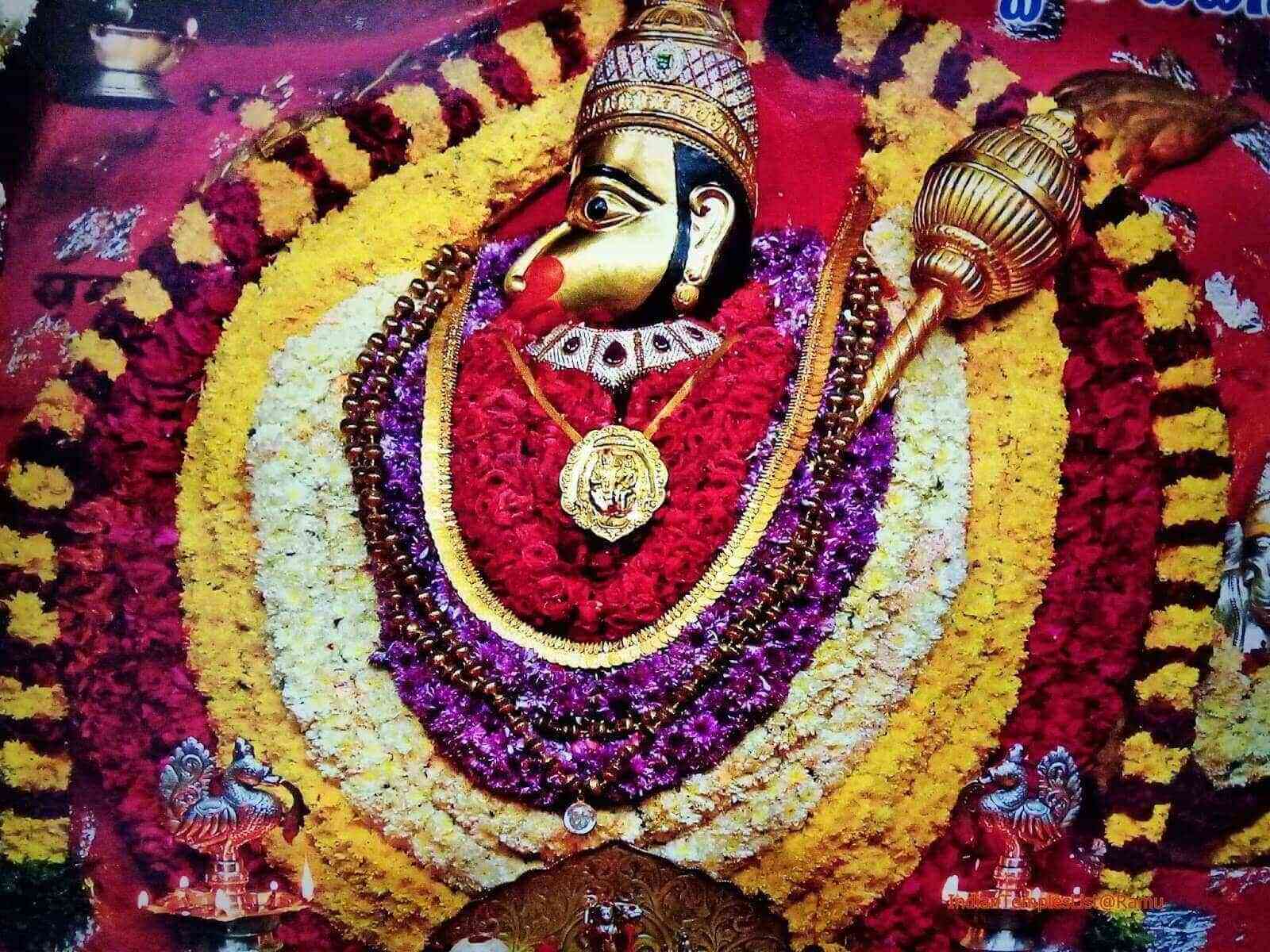
Hanuman Jayanti 2026 Puja Katha
On Hanuman Jayanti 2026, listening to or reciting the Puja Katha is considered an essential part of the day’s observance. The Katha reinforces the spiritual and theological context of the celebration and is believed to multiply the merit of the puja when heard with attention and reverence.
The primary Katha for Hanuman Jayanti traces the divine circumstances of Hanuman Bhagawan’s birth, the curse upon Mata Anjana, her twelve years of worship to Bhagawan Shiva, the Putrakamna Yagya of King Dasaratha, and the miraculous moment when the sacred kheer reached Mata Anjana’s hands through a kite passing overhead. The narrative affirms that Hanuman’s birth was not an accident of fate but a divine arrangement across multiple planes of existence.
The most auspicious time to recite or listen to the Katha on Hanuman Jayanti 2026 is in the early morning hours after the Abhishek, or alternatively in the evening during the aarti. Recitation of Sundar Kand, either in full or in part, is considered equally meritorious and is widely organized in temples and homes as an Akhand path on this day.
Where Hanuman Jayanti 2026 Will Be Celebrated
Hanuman Jayanti 2026 will be observed across the country with large-scale temple celebrations, processions, and special programs. Some of the most prominent celebrations take place at the following temples and locations.
Major Temple Celebrations
The Sankat Mochan Hanuman Mandir in Varanasi, one of the most revered Hanuman temples in India, observes Hanuman Jayanti with an Akhand Ramayana path, special abhishek, and public Prasad distribution. The Sri Hanuman Mandir at Connaught Place in New Delhi draws thousands of devotees on this day for the early morning puja and procession.
In Andhra Pradesh and Telangana, devotees who have been observing the 41-day Diksha since Chaitra Shukla Pratipada conclude their vow on Hanuman Jayanti 2026 at local temples with elaborate final-day pujas. In Maharashtra, the Chaitra Purnima observance at major Maruti temples is marked with community kirtans and Sundar Kand recitations.
The Namakkal Anjaneyar Temple in Tamil Nadu, one of South India’s most important Hanuman temples, observes the festival on a separate date aligned with the Dhanu month tradition. However, many devotees in Tamil Nadu also join the national Chaitra Purnima observance.
Home Celebrations
For families observing Hanuman Jayanti 2026 at home, setting up a clean and decorated puja space with the image of Hanuman Bhagawan, performing the full puja vidhi, gathering the family for Hanuman Chalisa recitation, and distributing Prasad to neighbors is a complete and devotionally valid observance. Organizing a neighborhood Sundar Kand path or Hanuman Katha is a longstanding tradition in many communities across North and Central India.
Benefits of Observing Hanuman Jayanti 2026
Observing Hanuman Jayanti 2026 with sincerity and proper ritual brings multidimensional benefits — spiritual, mental, physical, and astrological.
Religious and Spiritual Benefits
Worshipping Hanuman Bhagawan on his Jayanti is said to instill fearlessness, strengthen devotion to Bhagawan Ram, and remove the karmic weight of past sins. As Sankat Mochan, the one who dissolves obstacles, Hanuman’s grace on this day is believed to clear the path for devotees facing long-standing difficulties in life, relationships, and professional matters. Students who worship on this day are blessed with focus, memory, and success in examinations.
Astrological Benefits
Since Hanuman Jayanti 2026 falls on a Thursday and coincides with Chaitra Purnima, it is an auspicious day for Graha Shanti puja. Devotees under Shani Sade Sati, Shani Dhaiya, or Mangal Dosha derive particular benefit from sincere worship on this day. Offering sesame oil and sindoor with Hanuman Chalisa recitation is among the most effective remedies for Saturn-related afflictions in Vedic astrology.
Do’s and Don’ts on Hanuman Jayanti 2026
Observing Hanuman Jayanti 2026 correctly means being mindful of both what to do and what to avoid.
Do’s
Begin the day with Brahma Muhurta puja before or at sunrise. Recite Hanuman Chalisa and Bajrang Baan with full attention and devotion. Offer sindoor, chana, coconut, and ladoo as bhog. Observe a sattvic fast for the day. Visit a Hanuman temple and participate in the aarti. Distribute Prasad to family, neighbors, and those in need. Recite or listen to the Puja Katha and Sundar Kand. Engage in charity and acts of service, as these are particularly dear to Hanuman Bhagawan who himself lived as the ideal servant.
Don’ts
Avoid consuming non-vegetarian food, onion, garlic, and alcohol on Hanuman Jayanti 2026. Avoid speaking harshly or engaging in anger and conflict on this day. Do not begin the puja without first offering prayers to Bhagawan Ganesha. Avoid touching the murti with unwashed hands or after consuming food. Women in some regional traditions observe the practice of offering prayer from a distance rather than touching the murti directly – this is a sampradaya-specific custom and should be followed as per one’s family tradition.
Keep the puja space clean and the deepam lit through the day. Avoid sleeping during the day if observing a full fast.
Frequently Asked Questions about Hanuman Jayanti 2026
When is Hanuman Jayanti 2026? Hanuman Jayanti 2026 is on Thursday, April 2, 2026. The Purnima tithi begins at 07:06 AM on April 1 and ends at 07:41 AM on April 2, making April 2 the primary day of observance.
Why is Hanuman Jayanti 2026 observed on a Thursday? The date is determined by the Chaitra Purnima tithi in the Hindu Panchang, not a fixed day of the week. This year, Chaitra Purnima falls on Thursday, April 2, 2026.
What is the best time to do puja on Hanuman Jayanti 2026? The most auspicious time is during Brahma Muhurta, approximately one hour thirty-six minutes before sunrise. Hanuman Bhagawan is believed to have been born at this hour.
Can I observe Hanuman Jayanti 2026 at home? Yes. A home puja with proper setup, Panchamrit Abhishek, Hanuman Chalisa recitation, and Prasad offering is a complete and valid observance.
What should I offer as bhog on Hanuman Jayanti 2026? Chana (gram), coconut, ladoo, and jaggery are the most traditional offerings. You may also offer Tamboolam consisting of paan, betel nut, coconut, and fruit.
Is fasting mandatory on Hanuman Jayanti 2026? Fasting is a deeply meritorious practice on this day but is not mandatory. Observing a sattvic diet without non-vegetarian food, onion, or garlic is the minimum recommended discipline.
What is the significance of Sundar Kand on Hanuman Jayanti? Sundar Kand narrates Hanuman Bhagawan’s solo mission to Lanka and is considered a complete spiritual text. Reciting it on Hanuman Jayanti fulfills desires, removes obstacles, and instills fearlessness.
Why is Hanuman Jayanti 2026 important astrologically? Devotees facing Shani Sade Sati, Shani Dhaiya, or Mangal Dosha benefit significantly from Hanuman worship on this day. Offering sindoor and sesame oil with sincere Hanuman Chalisa recitation is one of the most effective Graha Shanti practices in Jyotisha.
Conclusion
Hanuman Jayanti 2026 falls on Thursday, April 2, and brings with it an opportunity for every devotee to deepen their connection with Bhagawan Hanuman, the embodiment of strength, devotion, and selfless service. As the patron deity of Kali Yuga and one of the seven immortal Chiranjeevis, Hanuman Bhagawan is always accessible to the sincere seeker.
Whether you observe the day through a full puja at temple, a home abhishek, a day-long fast, or simply the recitation of Hanuman Chalisa at sunrise, the sincerity of devotion matters above all. May Hanuman Jayanti 2026 bring strength, courage, and the removal of all obstacles from your path.
Jai Shri Ram!
Sri Rama Jaya Rama Jaya Jaya Rama!
Help Us Keep This Guide Accurate
At Temple Connect, we regularly update our content to ensure you receive the most relevant and authentic information. If you’d like to suggest improvements, share regional traditions, or report any updates, we’d love to hear from you at connect@templeconnect.com
Follow us on our X platform.
Note to Readers: This article is intended for educational and devotional purposes. The information presented is based on traditional Hindu scriptures, contemporary religious practice, and scholarly research.
Individual observance may vary based on family tradition, regional custom, and personal circumstance. For specific guidance, especially regarding complex astrological remedies, please consult qualified priests, pandits, or Vedic astrologers. The health-related aspects mentioned are traditional beliefs and should not replace professional medical advice.