Amalaki Ekadashi 2026: Complete Date, Timings, Puja Vidhi & Muhurat Guide
Introduction
Amalaki Ekadashi 2026 is one of the most auspicious Ekadashis dedicated to Sri Maha Vishnu and the sacred Amalaki tree, falling on Friday, February 27, 2026.
Amalaki Ekadashi 2026 arrives just before the joyful Holi celebrations, creating a perfect spiritual bridge between devotion and festivity. Devotees observing this vrata with complete faith and discipline receive the blessings of health, prosperity, purification from sins, and ultimately moksha.
The year 2026 brings this sacred Ekadashi during an especially favorable planetary alignment, making it even more powerful for spiritual seekers. Understanding the exact timings, puja procedures, and observance rules for Amalaki Ekadashi 2026 ensures you receive the complete spiritual benefits promised in the Brahmanda Purana.
Amalaki Ekadashi 2026 Date and Timings
Amalaki Ekadashi 2026 will be observed on Friday, February 27, 2026, during the Shukla Paksha (waxing moon phase) of the Phalguna month according to the Hindu calendar. The precise timing of Ekadashi tithi is crucial for proper observance and receiving the full spiritual merit of this sacred vrata.
Complete Tithi Details for Amalaki Ekadashi 2026
Ekadashi Tithi Begins: 12:33 AM on February 27, 2026
Ekadashi Tithi Ends: 10:32 PM on February 27, 2026
Day of Observance: Friday
Parana (Fast Breaking) Time: 06:59 AM to 09:20 AM on February 28, 2026
Dwadashi Tithi Ends: 08:43 PM on February 28, 2026
Best Muhurat for Puja on Amalaki Ekadashi 2026
The most auspicious time for performing the main puja on Amalaki Ekadashi 2026 is during the Brahma Muhurta, approximately 1.5 hours before sunrise. For most regions in India, this falls between 5:00 AM to 6:30 AM on February 27, 2026. Alternatively, devotees can perform the puja during Madhyahna Kala (midday), which is also considered highly favorable for Vishnu worship.
Important Timing Considerations
Since Amalaki Ekadashi 2026 falls on a Friday, which is naturally associated with Goddess Lakshmi, the combination becomes exceptionally powerful for those seeking both spiritual liberation and material prosperity. Devotees should begin their fast from sunrise on February 27 and maintain it until the parana time on February 28.
The parana (breaking of fast) must be done within the specified window of 06:59 AM to 09:20 AM on February 28, 2026. Breaking the fast before sunrise or after the Dwadashi tithi ends reduces the spiritual merit significantly. Those who cannot complete the parana within this window should consult their local panchang for precise adjustments based on geographical location.
Regional Variations
Both North Indian (Purnimanta) and South Indian (Amavasyanta) calendar systems align for Amalaki Ekadashi 2026, placing it in Phalguna month across India. However, devotees should always verify local panchang timings as sunrise and sunset vary by region, affecting the exact parana timing for Amalaki Ekadashi 2026 observance.
Significance of Amalaki Ekadashi
Amalaki Ekadashi 2026 carries immense religious and spiritual significance in Hindu dharma. This sacred day is dedicated to worshipping Sri Maha Vishnu through the medium of the Amalaki tree, which is believed to house Brahma in its roots, Vishnu in its trunk, and Shiva in its branches. By observing Amalaki Ekadashi 2026, devotees essentially worship the complete Hindu Trinity simultaneously.
According to the Brahmanda Purana, observing this vrata with devotion destroys sins accumulated over lifetimes, grants protection from calamities, ensures robust health and longevity, and ultimately leads to Vaikuntha, the eternal abode of Sri Maha Vishnu. The merit gained from Amalaki Ekadashi 2026 is said to equal performing all major yajnas and donating a thousand cows.
This Ekadashi holds special importance for those suffering from chronic health issues, as the Amalaki fruit is revered in Ayurveda as a supreme rejuvenative. Additionally, Amalaki Ekadashi 2026 is powerful for removing Pitru Dosha (ancestral afflictions) and mitigating malefic planetary influences, particularly of Saturn, Sun, and Moon.
For devotees seeking complete knowledge about the spiritual depths, theological meaning, and scriptural foundations of this festival, we recommend reading our comprehensive guide.
Learn Detailed Significance and Benefits →
How to Observe Amalaki Ekadashi 2026
Preparation (February 26, 2026 – Dashami)
Begin preparations on Dashami, the day before Amalaki Ekadashi 2026. Consume only a single sattvic meal without grains, onion, or garlic. This prepares your body and mind for the complete fast.
Morning Rituals on Amalaki Ekadashi 2026
Wake up during Brahma Muhurta (around 5:00 AM on February 27, 2026). After completing morning ablutions, take a purifying bath, ideally adding a few drops of Amla juice or tulsi leaves to the water. Wear clean, fresh clothes – preferably yellow, white, or saffron colors.
Quick Puja Vidhi for Amalaki Ekadashi 2026
- Sankalpa: Sit before Vishnu’s image, hold water and flowers in your right hand, and take a formal vow to observe the vrata
- Ganesh Puja: Begin by worshipping Ganesha for obstacle removal
- Kalash Sthapana: Establish a water-filled pot with mango leaves and coconut
- Vishnu Worship: Offer water, panchamrita, sandalwood paste, kumkum, flowers, tulsi leaves, and fruits to Sri Maha Vishnu
- Amalaki Tree Worship: If you have access to an Amla tree, offer water, milk, flowers, and tie a sacred thread around its trunk. If not available, worship Amla fruits or a branch placed near Vishnu’s murti
- Mantra Chanting: Chant “Om Namo Bhagavate Vasudevaya” 108 times
- Naivedya: Offer bhog including fresh Amla fruits, seasonal fruits, and sweets prepared without grains
- Aarti: Perform aarti with ghee lamp and circumambulate the tree or altar
Fasting Rules for Amalaki Ekadashi 2026
Complete Fast (Nirjala): No food or water for 24 hours – recommended for healthy, experienced devotees
Fruit Fast (Phalahar): Consume only fruits, milk, and water – most commonly followed
Partial Fast: Single meal of Ekadashi-friendly foods like sabudana, potatoes, nuts without grains or pulses
Strictly Avoid: All grains (rice, wheat), pulses (dal, beans), onion, garlic, non-vegetarian food, alcohol, and heavily fried items on Amalaki Ekadashi 2026.
Bhog Offerings for Amalaki Ekadashi 2026
- Fresh Amla fruits (essential offering)
- Seasonal fruits (bananas, berries, apples)
- Coconut
- Kheer prepared with milk and jaggery (no rice)
- Fruit-based sweets or halwa
- Tulsi leaves
- Yellow or white flowers
Day-Long Activities
Throughout February 27, 2026, engage in continuous japa of Vishnu mantras, read Bhagavad Gita or Vishnu Sahasranama, visit nearby Vishnu temples, and perform charity. Most importantly, stay awake through the night (jagaran) engaging in bhajans, kirtans, and devotional activities.
Breaking the Fast on February 28, 2026
Break your Amalaki Ekadashi 2026 fast between 06:59 AM and 09:20 AM on February 28. First, offer prayers to Vishnu, consume a small portion of prasad from the previous day’s puja, and then take a simple meal.
Amalaki Ekadashi Puja Katha for 2026
Listening to or reading the Amalaki Ekadashi katha is an essential part of observing this vrata. The story narrated in the Brahmanda Purana describes how King Chitraratha and his subjects worshipped the Amalaki tree on this sacred day and attained liberation to Vaikuntha. A poor hunter who accidentally observed the fast by staying awake and listening to the katha was reborn as the virtuous King Vasuratha and ultimately achieved moksha.
When to Listen to the Katha on Amalaki Ekadashi 2026
The ideal time to recite or listen to the Amalaki Ekadashi katha is after completing the main puja on February 27, 2026, preferably during the afternoon or evening. Many devotees gather in temples or homes for collective katha recitation followed by aarti and bhajans.
The katha can also be read or listened to during the night-long vigil (jagaran), which adds to the spiritual merit. The story teaches the transformative power of devotion, emphasizing that even unintentional observance of Amalaki Ekadashi 2026 can yield extraordinary spiritual benefits through the grace of Bhagawan Sri Maha Vishnu.
For the complete story with spiritual meanings and moral teachings, devotees can refer to our comprehensive pillar content that elaborates on the katha’s symbolism and deeper significance.
Where Amalaki Ekadashi 2026 Will Be Celebrated
Mathura-Vrindavan Region
Amalaki Ekadashi 2026 will witness grand celebrations in the Braj region, particularly in Mathura and Vrindavan. This Ekadashi is also known as Rangbhumi Ekadashi in these areas, marking the beginning of Holi festivities. The famous Banke Bihari Temple and Radha Raman Temple will organize special darshans, elaborate aartis, and night-long kirtan programs on February 27, 2026.
Major Temple Celebrations
Badrinath Temple (Uttarakhand): Special puja services during the spring opening season
Tirupati Balaji Temple (Andhra Pradesh): Extended darshan hours and Vishnu Sahasranama recitation
Ranganathaswamy Temple, Srirangam (Tamil Nadu): Spiritual discourses and special abhishekam
ISKCON Temples: Continuous kirtan, prasad distribution, and devotional programs across all centers
Home Celebrations for Amalaki Ekadashi 2026
Most devotees will observe Amalaki Ekadashi 2026 at home by worshipping an Amla tree in their vicinity or using Amla fruits and branches in their home altar. Family members can come together for collective puja, katha recitation, and night-long bhajan sessions, creating a spiritually charged atmosphere.
In rural areas, communities often gather under sacred Amla trees for collective worship, followed by community feasts on Dwadashi (February 28, 2026). These gatherings strengthen both spiritual bonds and social harmony.
Those unable to visit temples can observe the complete vrata at home by following the puja vidhi, maintaining the fast, and engaging in devotional activities throughout the day and night of Amalaki Ekadashi 2026.
Benefits of Observing Amalaki Ekadashi Vrat
Religious and Spiritual Benefits
Observing Amalaki Ekadashi 2026 with sincere devotion grants:
- Complete purification from sins committed knowingly or unknowingly across lifetimes
- Divine protection from calamities, enemies, and negative influences
- Moksha (liberation) and attainment of Vaikuntha, Vishnu’s eternal abode
- Blessings for ancestors, uplifting pitrs and removing Pitru Dosha
- Spiritual progress accelerating one’s journey toward self-realization
- Merit equivalent to bathing in all holy rivers and performing all major yajnas
Astrological Benefits of Amalaki Ekadashi 2026
From an astrological perspective, observing this vrata on February 27, 2026 helps:
- Mitigate malefic effects of Saturn (Shani), Sun (Surya), and Moon (Chandra) in birth charts
- Remove Pitru Dosha and ancestral afflictions
- Strengthen willpower (Sankalpa Shakti) governed by the Sun
- Enhance emotional balance and intuition governed by the Moon
- Bring relief during difficult planetary dashas and transits
The combination of Friday (Venus day) with Amalaki Ekadashi 2026 makes it exceptionally powerful for those seeking both material abundance and spiritual liberation.
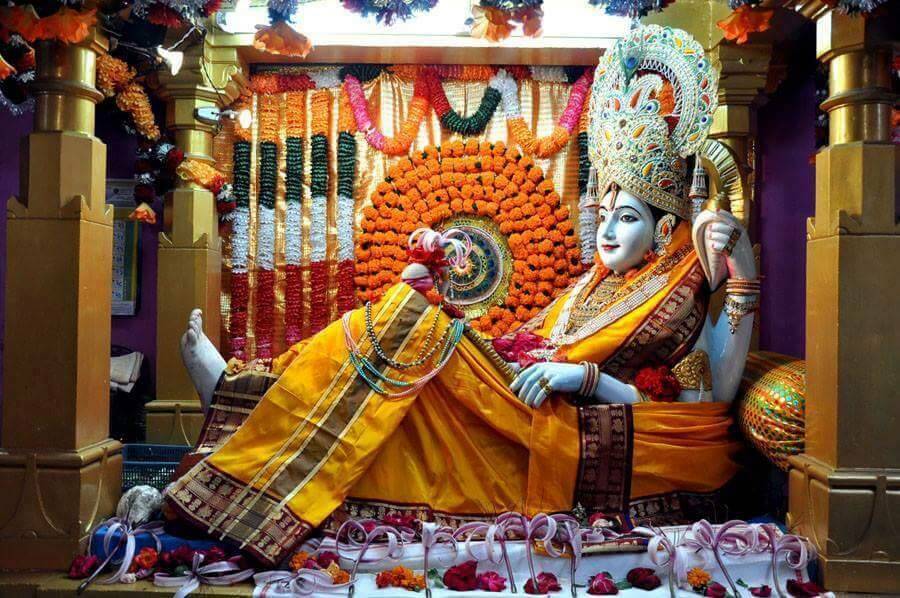
Do’s and Don’ts on Amalaki Ekadashi 2026
Do’s – What to Follow on February 27, 2026
✓ Wake up during Brahma Muhurta and take a purifying bath
✓ Wear clean, fresh clothes in sattvic colors (yellow, white, saffron)
✓ Worship Vishnu and the Amalaki tree with complete devotion
✓ Observe the fast according to your health capacity, strictly avoiding grains
✓ Chant “Om Namo Bhagavate Vasudevaya” and Vishnu Sahasranama
✓ Listen to or read the Amalaki Ekadashi katha
✓ Visit Vishnu temples if possible and offer Amla fruits
✓ Perform charity – donate food, clothes, or money to brahmanas and the needy
✓ Stay awake through the night engaging in bhajans, kirtans, and devotional activities
✓ Maintain mental peace, speak kindly, and avoid negative thoughts
✓ Break the fast at the correct time on February 28, 2026 (between 06:59 AM – 09:20 AM)
Don’ts – What to Avoid on Amalaki Ekadashi 2026
✗ Do not consume grains, pulses, onion, garlic, or non-vegetarian food
✗ Avoid breaking the fast prematurely without genuine medical necessity
✗ Refrain from anger, harsh speech, arguments, or gossip
✗ Do not engage in intoxication – alcohol, tobacco, or any substance
✗ Never cut, damage, or disrespect Amalaki trees on this sacred day
✗ Avoid excessive sleep during daytime hours
✗ Do not indulge in sensory entertainment or unnecessary worldly activities
✗ Refrain from lying, cheating, or any deceitful behavior
✗ Avoid negative company or environments on February 27, 2026
Special Considerations
Pregnant or nursing women, the severely ill, elderly individuals, and young children are exempt from strict fasting on Amalaki Ekadashi 2026. They should focus on worship, mantra chanting, and charity while consuming a light sattvic diet with fruits and milk.
Frequently Asked Questions about Amalaki Ekadashi 2026
Q: What is the exact date of Amalaki Ekadashi 2026?
A: Amalaki Ekadashi 2026 falls on Friday, February 27, 2026. The Ekadashi tithi begins at 12:33 AM and ends at 10:32 PM on the same day.
Q: What is the parana time for Amalaki Ekadashi 2026?
A: The parana (fast-breaking) time on February 28, 2026 is between 06:59 AM and 09:20 AM. This is the prescribed window for breaking your fast after proper prayers.
Q: Can I observe Amalaki Ekadashi 2026 without an Amla tree?
A: Yes, absolutely. If you don’t have access to a living Amla tree, you can worship using fresh Amla fruits, a branch, or even a picture of the tree placed near Vishnu’s murti in your home altar.
Q: What type of fast should I keep on Amalaki Ekadashi 2026?
A: You can choose from complete Nirjala fast (no food/water), Phalahar fast (fruits and milk only), or partial fast with Ekadashi-friendly foods. The key requirement is avoiding all grains and pulses on February 27, 2026.
Q: Is Amalaki Ekadashi 2026 beneficial for health problems?
A: Yes, this Ekadashi is particularly powerful for health and longevity because of the Amalaki tree’s association with healing in Ayurveda. Many devotees observe it specifically for relief from chronic ailments and to boost immunity.
Q: What should I offer as bhog on Amalaki Ekadashi 2026?
A: Essential offerings include fresh Amla fruits, seasonal fruits, coconut, tulsi leaves, flowers, and sweets prepared without grains (like fruit-based preparations or kheer made with milk and jaggery).
Q: Can women observe Amalaki Ekadashi 2026?
A: Yes, this vrata is for all sincere devotees regardless of gender. However, pregnant or nursing women should avoid strict fasting and instead focus on worship and charity while taking light, sattvic food.
Q: What is the importance of staying awake on the night of February 27, 2026?
A: The night vigil (jagaran) on Amalaki Ekadashi 2026 is considered highly meritorious. Staying awake engaging in bhajans, kirtans, and scriptural reading greatly multiplies the spiritual benefits of the vrata.
Q: How does Amalaki Ekadashi 2026 help with Pitru Dosha?
A: The Amalaki tree connects all three worlds (roots in netherworld, trunk on earth, branches in heaven), making worship on this day particularly effective for appeasing ancestors and removing Pitru Dosha.
Q: What mantra should I chant on Amalaki Ekadashi 2026?
A: The primary mantra is “Om Namo Bhagavate Vasudevaya.” Chanting this 108 times and reciting Vishnu Sahasranama during the day brings immense spiritual merit.
Conclusion
Amalaki Ekadashi 2026, falling on Friday, February 27, presents a golden opportunity for spiritual seekers to purify their existence, receive divine blessings, and progress toward liberation. By observing this sacred vrata with complete faith – following the proper timings, maintaining the fast, worshipping Vishnu and the Amalaki tree with devotion, and engaging in charity and night-long devotional activities – devotees can experience the transformative grace described in the ancient scriptures.
The precise timing for Amalaki Ekadashi 2026 must be carefully followed: begin your fast from sunrise on February 27, perform the main puja during Brahma Muhurta or midday, stay awake through the night in spiritual activities, and break your fast between 06:59 AM and 09:20 AM on February 28, 2026. This discipline ensures you receive the complete spiritual merit promised by the Brahmanda Purana.
Whether you observe at home or visit temples in Mathura, Vrindavan, or other sacred places, approach Amalaki Ekadashi 2026 with a pure heart and sincere devotion. May Bhagawan Vishnu bless you with health, prosperity, peace, and ultimately, liberation from the cycle of birth and death.
Om Namo Bhagavate Vasudevaya
For detailed information about the festival’s spiritual significance, complete 15-step puja vidhi, scriptural stories, regional celebrations, astrological benefits, and traditional practices, visit our comprehensive pillar content:
🔗 Explore Complete Amalaki Ekadashi Guide
Discover everything you need to know about this sacred Ekadashi – from its origins in the Brahmanda Purana to the profound benefits of worshipping the divine Amalaki tree. Learn the complete rituals, understand the deeper spiritual meanings, and prepare yourself for a truly transformative observance.
Help Us Keep This Guide Accurate
At Temple Connect, we regularly update our content to ensure you receive the most relevant and authentic information. If you’d like to suggest improvements, share regional traditions, or report any updates, we’d love to hear from you at connect@templeconnect.com
Follow us on our X platform.
Note to Readers: This article is intended for educational and devotional purposes. The information presented is based on traditional Hindu scriptures, contemporary religious practice, and scholarly research.
Individual observance may vary based on family tradition, regional custom, and personal circumstance. For specific guidance, especially regarding complex astrological remedies, please consult qualified priests, pandits, or Vedic astrologers. The health-related aspects mentioned are traditional beliefs and should not replace professional medical advice.