Bhogi: The Sacred Dawn of Renewal and Divine Gratitude
Bhogi, the very utterance of this sacred name fills the devotee’s heart with reverence and joy! This most auspicious day marks the divine beginning of our four-day Makara Sankranti, a festival that our wise ancestors have observed with complete shraddha (devotion) and vidhana (prescribed method) from time immemorial. When we speak of Bhogi, we are not merely discussing a festival day, but entering into the profound depths of our Sanatana Dharma’s eternal wisdom.
Our shastras tell us and our puranas confirm that this blessed occasion embodies the fundamental principle of tyaga (renunciation). Just as Bhagwan Shri Krishna teaches us in the Bhagavad Gita, Bhogi teaches us the art of abandonment- abandoning the old, the impure, the unnecessary, so that we may receive the new, the pure, the divine.
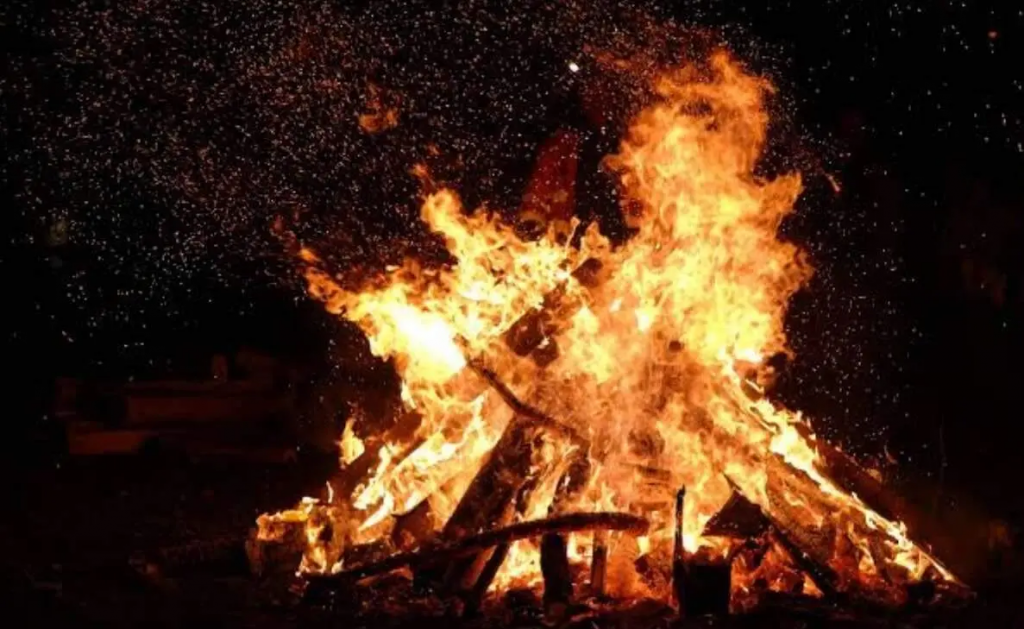
When we light the sacred Bhogi Mantalu, that magnificent bonfire, we are not just burning old clothes and broken items. We are performing agni-samskara, purification through fire. The Yajur Veda states “Agnir mukham prathamo devatānām” (Agni is the first and foremost among the devas). When we offer our old belongings into this sacred fire, we are symbolically offering our accumulated papa (sins), our doshas (defects), our negative samskaras (mental impressions) into the purifying flames of divine consciousness.
The Sacred Origins: Rooted in Vedic Wisdom
Bhogi’s origins reach deep into our Vedic heritage. The festival marks the transition from Dakshinayana to Uttarayana, when Surya Bhagavan enters Makara Rashi. The Bhagavad Gita itself speaks of Uttarayana’s importance : Bhishma Pitamaha waited for this sacred period to depart his mortal body, knowing that souls departing during Uttarayana attain liberation more easily.
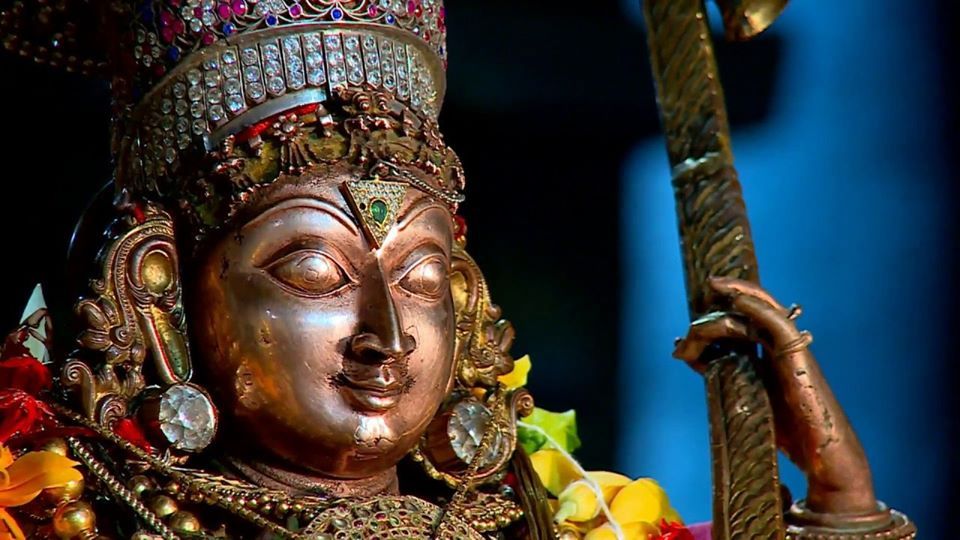
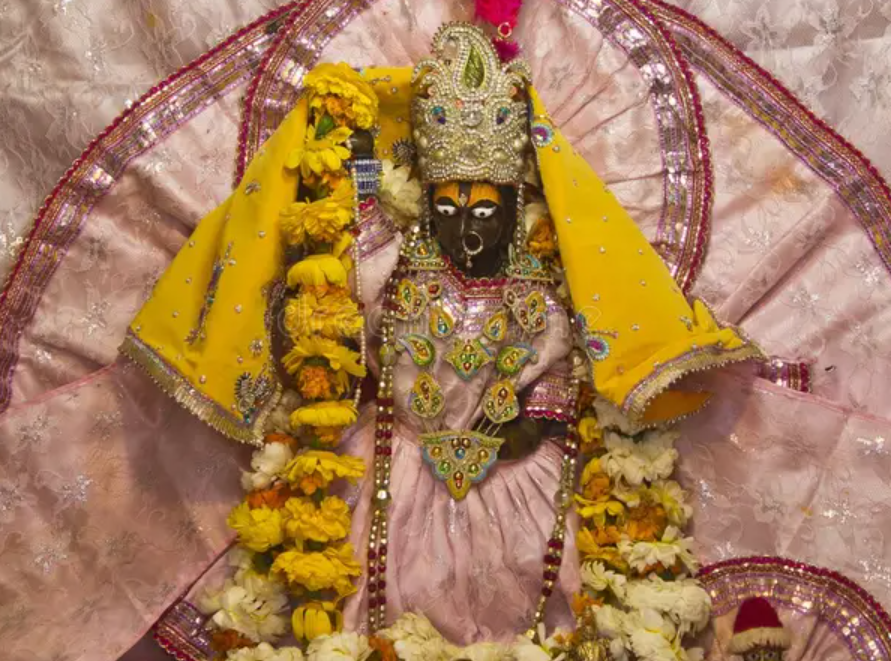
Who do we primarily worship on this day? Indra Deva, the lord of rain and agricultural prosperity. But dear devotees, do not think of Indra as merely a rain-god! He is the controller of all our indriyas (sense organs), the mind itself is called Indra. When we worship Indra, we acknowledge that all our capacities, to think, to sense, to act – come from cosmic power manifesting through us.
The beautiful leela from Bhagavata Purana teaches us profound truth: Young Krishna in Vrindavan convinced the Vrajavasis to worship Govardhan Hill instead of Indra, saying “Why worship a distant god when Govardhan provides us grass for cattle, shelter, and sustenance?” When Indra, in his pride, unleashed torrential storms, Krishna lifted the entire mountain on His little finger for seven days and nights!
Witnessing this impossible feat, Indra’s pride dissolved. He descended with folded hands, seeking forgiveness. This divine drama teaches that even the most powerful devas must bow before Parabrahman, the Supreme Reality. Yet Krishna reformed Indra with love, not punishment. From that day, we celebrate Bhogi acknowledging both Indra’s benevolence and our humility before divine forces.
Astronomical and Calendrical Significance
The Sacred Timing of Uttarayana
Bhogi falls on Pausha Bahula Purnima or the final day before Makara Sankranti, precisely when Surya Bhagavan begins His uttarayana. This is not mere astronomy, brothers and sisters! This is divine movement! The shastras tell us that uttarayana is the devayana, the path of the gods. Any spiritual practice japa, tapa, dana, or yajna performed during Uttarayana yields multiplied fruits.
Core Rituals: The Sacred Practice of Bhogi
Pre-Dawn Preparations: Purification of Space and Self
Bhogi celebrations commence during Brahma Muhurta (90 minutes before sunrise) the most auspicious time. This timing symbolizes the soul’s journey from tamas to sattva, from ignorance to knowledge.
The Ritual Oil Bath (Abhisheka Snanam)
See, this is not merely physical cleansing but profound purification! The traditional preparation involves:
- Sesame oil mixed with ground sesame, turmeric, sandalwood paste – sacred to Shani, removing negative influences
- Neem leaves in heated water – representing bitter experiences we must release
- Turmeric and kumkum – representing Goddess Lakshmi’s divine energy
While bathing, chant this purification mantra:
“Gange ca Yamune caiva Godāvari Sarasvati
Narmade Sindhu Kāveri jale’smin sannidhim kuru”
(O Ganga, Yamuna, Godavari, Saraswati, Narmada, Sindhu, and Kaveri be present in this water)
This invocation brings all holy rivers’ sanctity to your bathwater, transforming ordinary bathing into divine worship!
After bathing, wear fresh clothes – preferably new garments. Women traditionally wear vibrant silk sarees (red, yellow, green), while men don white or colored dhoti-kurta. This newness symbolizes the fresh beginning Bhogi represents.
Thorough Home Cleansing: Creating Sacred Space
Our elders understood beautifully, physical cleaning of the house becomes internal cleansing of the heart! This is the genius of Hindu dharma. The home cleaning includes:
- Complete sweeping of every corner
- Cobweb removal-clearing accumulated stagnation
- Washing floors with turmeric water or cow dung mixture
- Whitewashing walls where possible
- Discarding old, broken, unused items for the bonfire
- Cleaning household shrines with special attention
Bhogi Mantalu: The Sacred Bonfire
The centerpiece of Bhogi! This powerful ritual carries multiple layers of meaning and must be performed with proper reverence.
Preparation and Materials
Gather thoughtfully:
- Old clothes no longer wearable
- Worn household items, wooden furniture beyond repair
- Agricultural waste: dried leaves, sugarcane stalks, hay
- Cow dung cakes (essential-purifying and auspicious)
- Paper and wooden items (never plastic-toxic smoke!)
The Lighting Ritual
The fire is ignited facing east by the eldest male or priest. Before lighting:
“Om Agnaye Namah” (Salutations to Agni)
“Om Indraya Namah” (Salutations to Indra)
“Om Suryaya Namah” (Salutations to Surya)
Family members circle clockwise (pradakshina) three, seven, or twenty-one times, singing traditional Bhogi songs:
“Bhogi Bhogi Bhogi Pilla
Suryudu dokkindhe Pilla
Pedda Panduga Tindhe Pilla
Indrudu Varshalu Karisindhe Pilla”
(The Sun has arrived bringing Bhogi, the grand festival has come, Indra will shower rains!)
As you circle, throw offerings: rice grains, sesame with jaggery, coconut pieces, and old items—thinking “I release the old, I embrace the new, I surrender my limitations to divine fire.”
The Bhogi fire represents Agni as messenger between humans and gods. It symbolizes tapas (spiritual heat) burning away ignorance, transformation of consciousness, and willing sacrifice of attachments. After the ceremony, collect sacred ash to apply as tilak or mix with field soil.
Kolam and Gobbemma: Sacred Art
Women create elaborate kolams using rice flour (so ants may eat-feeding all beings), colored powders, and flower petals. Popular motifs include lotus designs, geometric sacred patterns, plows, crops, and sun symbols.
Gobbemma, sacred cow dung balls mixed with turmeric, decorated with kumkum dots and flowers, with lit lamps placed atop represent the sacred cow (Kamadhenu), earth’s fertility, and our pastoral heritage. The lamps symbolize consciousness illuminating our path.
Formal Bhogi Puja Vidhi
After preparations, conduct formal puja after sunrise but before noon.
Puja Setup
Arrange a clean altar with:
- Kalasha (copper/brass pot) filled with water, mango leaves, coconut on top
- Deity images: Lord Indra, Lord Surya, family deities
- Agricultural symbols: miniature plow, sugarcane stalks, turmeric roots
- Five lamps, fresh flowers, fruits, betel leaves, incense, camphor
- Sacred grains: rice, sesame, lentils
Step-by-Step Procedure
- Achamana and Pranayama: Sip water thrice, perform breathing exercises to focus mind
- Sankalpa: Hold rice and flowers, state intention: “On this auspicious Bhogi day preceding Makara Sankranti, I perform this worship for family well-being and obstacle removal”
- Dhyana: Meditate on Lord Indra and Lord Surya’s divine forms
- Avahana: Invite deities: “Om Indraya Namah – Avahayami, Pujayami”
“Om Suryaya Namah – Avahayami, Pujayami” - Panchopachara (Five Offerings):
- Gandha (sandalwood): “Om Indraya Namah Gandham Samarpayami”
- Pushpa (flowers): “Om Indraya Namah Pushpam Samarpayami”
- Dhupa (incense): “Om Indraya Namah Dhupam Samarpayami”
- Deepa (lamp): “Om Indraya Namah Deepam Samarpayami”
- Naivedya (food): “Om Indraya Namah Naivedyam Samarpayami”
- Special Mantras:
Indra Gayatri:
“Om Devarajaya Vidmahe
Vajrahastaya Dhimahi
Tanno Shakrah Prachodayat”
Surya Gayatri:
“Om Bhaskaraya Vidmahe
Mahadyutikaraya Dhimahi
Tanno Adityah Prachodayat”
- Naivedya Offering: Offer prepared dishes (sweet pongal, pulihora, ariselu) with: “Om Pranaya Swaha, Om Apanaya Swaha…”
Then: “Tvadiyam Vastu Govinda Tubhyam Eva Samarpaye”
(This is yours, O Govinda, I offer it back to you) - Pradakshina, Pranama, Pushpanjali: Circumambulate, prostrate, offer final flowers
- Mangala Arati: Wave camphor flame while singing devotional songs
- Plow Worship: Farmers anoint plows, sickles with turmeric, kumkum, flowers, praying: “Om Krishnaya Vasudevaya Haraye Paramatmane
Pranatah Klesha Nashaya Govindaya Namo Namah”
Regional Variations and Celebrations
Tamil Nadu: Bhogi Pongal
Tamil Nadu emphasizes community gathering with massive beach bonfires in Chennai and Pondicherry, temple ceremonies at Madurai Meenakshi and Thanjavur Brihadeeswara temples, elaborate kolam competitions, and traditional thavil-nadaswaram music. New earthen pots (pongal panai) are painted and decorated. The practice of kaappu kattu – tying neem, avaram leaves around doorways – creates protective barriers.
Andhra Pradesh and Telangana: Bhogi Pallu
The unique Bhogi Pallu ceremony blesses children! In the evening, elders prepare a brass plate with:
- Regi pallu (ber fruits) sacred to Lord Narayana
- Marigold and jasmine petals
- Small coins for prosperity
- Sugarcane pieces, soaked chickpeas
- Turmeric-rice (akshat)
The bathed and beautifully dressed child sits on an east-facing decorated chair. Family members and neighbors circle thrice, then shower these blessed items over the child’s head while singing:
“Pallu Pandulavayya, Palluto Pandugavayya
Kotha bathukele kommavayya…”
(May fruits bring festivals, may new life sprout like a tender shoot!)
This removes evil eye, provides health protection (regi fruit has Vitamin C), strengthens community bonds, and energizes the child’s brahmarandhra (crown chakra). The coins are gifted to the child; fruits are shared or fed to cattle.
Karnataka: Bhogi Habba
Karnataka features Bhogi Mantapa (decorative canopies), Yellu Bella exchange (sesame-jaggery mixture shared with the saying “Eat this and speak only good words”), and special Bhogi Palle vegetable medley, a sattvic dish mixing winter vegetables with lentils, tempered with mustard and curry leaves, representing Earth’s diverse bounty.
Sacred Foods and Culinary Offerings
Sweet Pongal (Sakkarai Pongal)
The quintessential dish prepared from newly harvested rice, representing abundance. Cook rice and moong dal in milk until mushy, add strained jaggery syrup, ghee-fried cashews and raisins, cardamom powder, and optional camphor. The pongal should “overflow” (ponga) – accompanied by joyful cries of “Pongalo Pongal!” expressing prosperity overflowing into our lives!
Ariselu, Til Laddu, and Pulihora
Ariselu: Rice flour mixed with jaggery syrup, fermented, flattened between banana leaves, and deep-fried until golden.
Til Laddu: Roasted sesame with jaggery syrup, formed into balls – sesame symbolizes immortality, sacred to Shiva and Surya.
Pulihora: Tangy tamarind rice with tempering, essential for Telugu celebrations.
Traditional Naivedya Arrangement
Arrange on banana leaf or brass plate: sweet pongal at center, surrounded by other items, betel leaves with areca nut, with a lamp nearby. Offer remembering Krishna’s words in Bhagavad Gita: “Whatever is offered with devotion, even a leaf, flower, fruit, or water, I accept with love.”
Spiritual Symbolism and Philosophical Depth
The Fire as Spiritual Transformation
The Bhogi fire represents tapas – spiritual heat burning away ignorance. Just as gold is purified through fire, our consciousness is refined through spiritual practice. Sri Ramana Maharshi taught that all spiritual practices aim at ego dissolution. The Bhogi fire becomes ritual enactment of this dissolution—burning the false self, accumulated conditioning, past mistakes.
Indra as Cosmic Principle
Deeper understanding recognizes Indra as representing the Active Mind (indriyas), Divine Power manifesting in nature, and Transformation (as rain transforms seeds). The Krishna-Indra story teaches that even gods must bow before supreme consciousness – positions and powers are temporary; only the eternal Self remains unchanging.
Agriculture as Spiritual Metaphor
Our rishis chose agricultural festivals because farming mirrors spiritual development: soil preparation = mind purification, sowing seeds = planting good samskaras, watering = regular practice (abhyasa), protection from pests = avoiding negative influences, patient waiting = understanding growth takes time, harvest = realization of divine truth.
Bhogi emphasizes preparation and gratitude – we acknowledge divine providence, not our own cleverness. This humility is bhakti yoga’s foundation.
Essential Shopping Checklist
Puja: Flowers, agarbatti, camphor, kumkum, turmeric, betel leaves, coconuts, mango leaves, kalasha
Bonfire: Cow dung cakes, firewood, old clothes/items
Kolam: Rice flour, colored powders, flower petals
Cooking: New rice, jaggery, moong dal, sesame, cashews, raisins, ghee, milk, vegetables, tamarind
Bhogi Pallu: Regi pallu, coins, marigold flowers, sugarcane, chickpeas
Miscellaneous: New clothes, neem leaves, oil for bath
Tips for Meaningful Observance
Start with clear spiritual intentions. Involve all family members with age-appropriate tasks. Maintain sacred atmosphere – avoid arguments, keep conversations uplifting. Prepare food mindfully without waste. Remember the essence: inner purification, gratitude, devotion. Include household helpers and less fortunate neighbors. Practice fire safety vigilantly, especially with children.
Bhogi’s Eternal Message
As we stand before the sacred Bhogi fire watching flames dance toward the lightening sky, we participate in a ritual connecting us to countless generations – farmers who toiled, mothers who prepared pongal, children who danced with joy, sages who saw divine presence in nature’s turning.
Bhogi teaches the profound spiritual art of letting go. The bonfire burns not just old clothes but old resentments. The oil bath cleanses not just skin but accumulated psychological toxins. The new garments represent the fresh self we aspire to become kinder, wiser, more devoted.
Most beautifully, Bhogi reminds us of our fundamental dependence on forces greater than ourselves. The farmer waiting for rain knows, we are recipients of grace, beneficiaries of cosmic benevolence we can only receive with gratitude.
Bhogi invites us into this awareness, transforming ordinary actions into sacred offerings. It marks the eternal cycle of death and rebirth, ending and beginning, that characterizes existence.
Om Tat Sat | Shubham Bhavatu | Sarve Jana Sukhino Bhavantu
May this Bhogi bring abundant blessings, renewed vigor, and spiritual elevation to all who celebrate with devotion and purity of heart. May bhagawan Indra shower his grace, may Surya Bhagavan illuminate our path, and may Sri Krishna guide us always toward dharma and divine love.
Bhogi Subhakankshalu! Sankranti Subhakankshalu!
Help Us Keep This Guide Accurate
At Temple Connect, we regularly update our content to ensure you receive the most relevant and authentic information. If you’d like to suggest improvements, share regional traditions, or report any updates, we’d love to hear from you at connect@templeconnect.com