Dhundhiraja Chaturthi: The Sacred Vrata of Wish Fulfillment and Obstacle Removal
Dhundhiraja Chaturthi
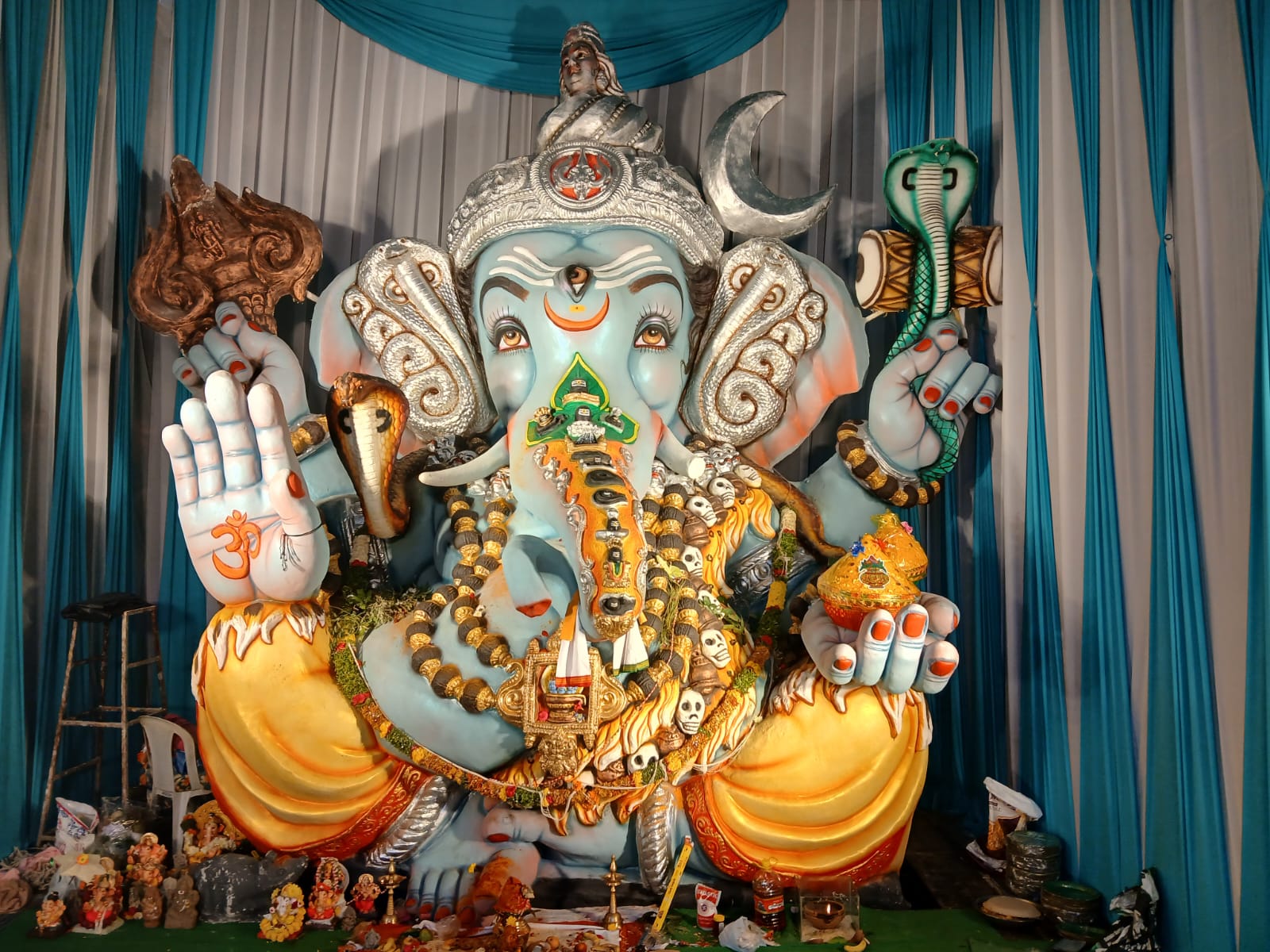
Dhundhiraja Chaturthi is a highly auspicious monthly Ganesh Chaturthi that falls during Phalguna Shukla Paksha, specifically dedicated to worshipping Ganesha in His Dhundhiraj manifestation. The name “Dhundhiraj” translates to the supreme seeker or the master who searches out and removes hidden obstacles, making this form of Ganapati especially powerful for those facing persistent challenges in life.
This sacred observance is not merely another Chaturthi in the Hindu calendar. It holds special designation in multiple Puranas with different names, each highlighting a unique aspect of its spiritual potency. The Matsya Purana refers to it as Manoratha Chaturthi, meaning the Chaturthi that fulfills deep-seated desires and cherished wishes. The Varaha Purana calls it Avighnakara Vrat, the vow that removes all obstacles from one’s path.
While every month’s Chaturthi tithi belongs to Sri Ganesha as Vighneshvara, Dhundhiraja Chaturthi stands apart for its association with the Dhundhiraj Vinayaka form, particularly revered in Kashi (Varanasi). According to Kashi pilgrimage tradition, the complete spiritual merit of visiting Kashi Vishwanath cannot be obtained without first offering worship to Dhundhiraj Ganesha, establishing Him as the spiritual gatekeeper of India’s most sacred city.
The vrata can be observed as a single-day fast or as an extended practice spanning four months with formal completion (udyapana) in Ashadha month, as prescribed in certain Puranic traditions for those seeking comprehensive obstacle removal and karmic cleansing.
Date and Timing of Dhundhiraja Chaturthi
Lunar Calendar Position
Dhundhiraja Chaturthi occurs on Chaturthi tithi of Shukla Paksha (bright fortnight) in Phalguna month according to the traditional Hindu Panchang. This places it approximately in February or early March in the Gregorian calendar, though the exact date shifts annually based on lunar calculations.
The tithi typically begins on one afternoon and extends into the next day. However, following the Udaya tithi rule, the vrata is observed on the day when Chaturthi prevails at sunrise (Udayakal). This is why detailed panchang sources specify both the tithi beginning and ending times, but devotees perform the main fast and puja on the calendar date when sunrise occurs during Chaturthi.
Chaturthi Tithi Characteristics
In Vedic timekeeping, a tithi represents the time taken for the Moon to gain 12 degrees ahead of the Sun. Chaturthi, the fourth tithi, occurs when the Moon is between 36 and 48 degrees ahead of the Sun in the zodiac. This creates a specific energetic quality associated with both challenges and their resolution, which is why Ganesha worship on Chaturthi is considered supremely effective.
Auspicious Combinations
When Dhundhiraja Chaturthi falls on Sunday or Tuesday, it gains additional sanctity and is known as Angaraka Chaturthi. Tuesday (Mangalvar) is naturally associated with Mars energy and overcoming obstacles, creating a powerful synergy with Ganesha’s vighnaharta nature.
Muhurat Considerations
The most auspicious time for performing Dhundhiraja Chaturthi puja is during Madhyahna Kaal (midday period) when Chaturthi tithi is in full effect. For the evening moon worship, devotees must wait for Chandrodaya (moonrise), which varies by geographical location. The fast is broken only after offering arghya to the Moon.
Moon-sighting avoidance, prescribed for certain Ganesh Chaturthis due to the legend of Chandra’s ridicule of Ganesha, is observed during specific hours mentioned in regional panchangs, though the concluding moon arghya remains an essential ritual element.
Astrological Significance of Dhundhiraja Chaturthi
Chaturthi Tithi and Karmic Patterns
In Jyotisha (Vedic astrology), Chaturthi tithi inherently carries vighna yoga, meaning it naturally brings obstacles and challenges to the surface. This is not a malefic quality but rather a revealing one. Hidden karmic blockages that operate beneath conscious awareness become activated during Chaturthi, making it the perfect time to invoke Vighneshvara who specializes in removing such impediments.
The Phalguna month itself occupies a transitional position in the cosmic calendar, falling at the threshold between winter and spring. This seasonal shift represents renewal and fresh beginnings, making any spiritual practice undertaken during Phalguna especially powerful for breaking old patterns.
Waxing Moon and Mental Clarity
Dhundhiraja Chaturthi occurs during Shukla Paksha when the Moon is waxing toward fullness. Astrologically, this represents increasing light, growing energy, and expanding consciousness. The Moon governs the mind (manas) in Vedic astrology, and a waxing Moon supports positive mental states, optimism, and the courage to face challenges.
Specifically, Chaturthi of Shukla Paksha positions the Moon at approximately 10-12% visibility, symbolizing early growth. This phase is ideal for planting seeds of intention that will mature through the rest of the lunar cycle. Devotees who observe Dhundhiraja Chaturthi with clear sankalpa (intention) align their personal desires with this natural growth phase.
Nakshatra Influence
Though the nakshatra (lunar mansion) varies each year depending on when Phalguna Shukla Chaturthi falls, the Moon during this tithi typically transits through nakshatras in the Pisces-Aries-Taurus arc of the zodiac. These nakshatras (such as Ashwini, Bharani, Krittika, or Rohini) carry energies of new beginnings, courage, determination, and material manifestation, all supportive of Ganesha’s obstacle-removing function.
Dosha Removal and Remedial Benefits
Dhundhiraja Chaturthi vrata serves as an effective remedy for several astrological afflictions:
- Mangal Dosha: The connection with Angaraka Chaturthi helps pacify Mars-related difficulties
- Chandrama Dosha: Evening moon arghya balances lunar afflictions causing mental instability
- Pitra Dosha: The Kashi tradition of performing pitr-tarpana before Dhundhiraj worship addresses ancestral karmas
- Saturn Transit Difficulties: Observing this vrata during challenging Saturn periods removes delays and repeated failures
- Rahu-Ketu Influences: Ganesha worship generally mitigates the confusion and unexpected obstacles caused by nodal planets
Benefits for Different Rashis
While all zodiac signs benefit from Dhundhiraja Chaturthi observance, specific rashis find particular relief:
- Vrishchika (Scorpio) and Meena (Pisces): Being Mars and Jupiter-ruled signs respectively, they gain special advantage when Chaturthi falls on Tuesday
- Makar (Capricorn) and Kumbha (Aquarius): Those under Saturn’s influence find their career and life delays removed
- Mithuna (Gemini) and Kanya (Virgo): Mercury-ruled signs gain clarity in communication and business matters
- Dhanu (Sagittarius): Jupiter-ruled Sagittarius natives seeking higher education or spiritual progress see accelerated results
Why This Specific Tithi and Time
Chaturthi’s association with Ganesha is not arbitrary. In cosmic numerology, the number four represents stability, foundation, and the material plane. Ganesha, as the Supreme of ganas (categories) and the deity who establishes order from chaos, naturally governs this fourth division of the lunar cycle. His energy peaks during Chaturthi, making worship on this day maximally effective.
Phalguna month’s timing connects to the broader Hindu cosmological understanding. As the twelfth month in traditional lunar calendars (when year begins with Chaitra), Phalguna represents completion and preparation for renewal. Seeking Ganesha’s blessings during this transitional period ensures a smooth start to the new year cycle beginning with Chaitra.
Religious Significance of Dhundhiraja Chaturthi
Scriptural Foundation
The religious importance of Dhundhiraja Chaturthi rests on multiple Puranic authorities. The Matsya Purana prescribes observing Manoratha Chaturthi on Phalguna Shukla Chaturthi for fulfillment of desires, specifically mentioning worship of a golden Ganesha idol and offering of naivedya.
The Varaha Purana describes Avighnakara Vrat in detail, emphasizing the four-month observance beginning from Phalguna Chaturthi with special focus on sesame (til) offerings. This Purana explicitly states that great beings including King Sagara, Mahadev Shiva before conquering Tripurasura, and Sri Maha Vishnu before Samudra Manthan all performed this vrata, establishing its cosmic precedent.
The Skanda Purana and Kashi Khand sections provide the narrative linking Dhundhiraj Ganesha with Kashi, describing how Mahadev Shiva Himself declared that pilgrimage to Kashi remains incomplete without Dhundhiraj darshan.
Theological Meaning in Hindu Dharma
Dhundhiraja Chaturthi embodies several core Hindu theological principles:
Vighnaharta Principle: The primary teaching is that no undertaking, whether worldly or spiritual, can succeed without first removing obstacles. Ganesha represents the divine intelligence that perceives and clears impediments before they cause failure.
Sankalpa-Siddhi Connection: The designation “Manoratha” (heart’s desire) connects this vrata to the Hindu concept that pure intentions aligned with dharma naturally manifest when cosmic support is invoked through proper ritual and devotion.
Primacy of Preparation: The Kashi tradition of worshipping Dhundhiraj before Vishwanath teaches that spiritual progress requires proper sequencing. Even approaching the highest divinity (Shiva) requires first establishing a foundation (Ganesha’s blessing).
Role in Spiritual Progression
Dhundhiraja Chaturthi observance supports the devotee’s journey through the four purusharthas (life goals):
- Dharma: The vrata discipline itself strengthens righteous conduct and self-control
- Artha: Removing obstacles naturally leads to legitimate wealth and success in endeavors
- Kama: Fulfillment of proper desires becomes possible when hindrances are cleared
- Moksha: Ultimate liberation is supported by removing the subtle mental obstacles and karmic patterns that bind the soul
Sampradaya Perspectives
Shaiva Tradition: The Dhundhiraj-Kashi connection makes this observance especially significant for Shaivas. The narrative of Ganesha enabling Shiva’s return to Kashi establishes the son’s role in manifesting the father’s presence, a theological depth appreciated in Shaiva worship.
Smarta Tradition: As Ganesha is one of the Panchayatana deities, Smartas observe all Ganesh Chaturthis with care, and Dhundhiraja Chaturthi’s connection to wish-fulfillment makes it particularly valued for householder devotees.
Shakta Perspective: Some traditions view Ganesha as the first creation of Shakti, making His worship a gateway to approaching the Divine Mother. Dhundhiraja Chaturthi thus becomes an access point to Shakti’s grace.
Universal Observance: Unlike some festivals specific to particular sampradayas, Dhundhiraja Chaturthi is observed across sectarian boundaries, as Ganesha’s obstacle-removing function serves all devotees regardless of their chosen deity.
Phala-Shruti (Fruits of Observance)
Traditional texts promise specific benefits to faithful observers of Dhundhiraja Chaturthi:
- Sarva-vighna-nivaran: Removal of all obstacles in life, both seen and unseen
- Manoratha-siddhi: Fulfillment of heartfelt wishes undertaken with pure intention
- Buddhi-vivardhan: Increase in intelligence, discrimination, and decision-making capacity
- Sampatti-prapti: Attainment of prosperity and material stability
- Santana-labh: Blessing of progeny for those seeking children
- Moksha-marg-prapti: Opening of the path toward ultimate liberation
Connection to Hindu Cosmology
In the larger framework of Hindu time cycles, Dhundhiraja Chaturthi represents a monthly opportunity to reset one’s spiritual trajectory. While major festivals occur annually, monthly Chaturthis provide regular checkpoints where devotees can realign with dharmic living and clear accumulated obstacles before they solidify into major life blockages.
The observance acknowledges that human existence operates within nested cycles (daily, lunar monthly, solar yearly, and cosmic yugas), and working skillfully with these rhythms through timely worship accelerates spiritual evolution.
Which Form of God is Worshipped on Dhundhiraja Chaturthi
Primary Deity: Dhundhiraj Ganesha
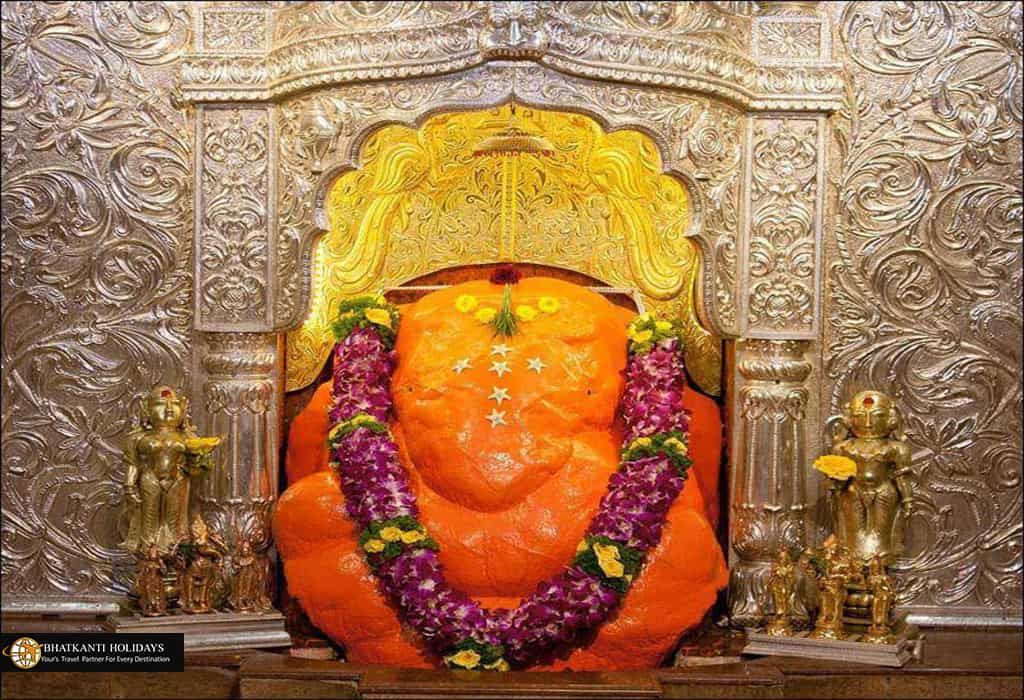
The presiding deity of this sacred observance is Sri Ganesha in His Dhundhiraj (or Dhundhiraja) manifestation. This specific form is particularly renowned in Kashi (Varanasi), where the Dhundhiraj Vinayaka Temple stands as a testament to this unique aspect of Ganapati.
Meaning of “Dhundhiraj”
The name “Dhundhiraj” can be understood through Sanskrit etymology:
- Dhundhi: One who searches, seeks out, or investigates
- Raj: King, master, supreme
Together, Dhundhiraj means “the supreme seeker” or “the king who searches out and removes hidden obstacles.” This name specifically highlights Ganesha’s ability to perceive and eliminate impediments that remain invisible to ordinary awareness, including subtle karmic blockages, hidden enemies, and psychological barriers to success.
Scriptural References
The Skanda Purana, particularly in its Kashi Khand sections, describes Dhundhiraj Vinayaka as the head of all ganas (gana-natha) and credits Him with the intelligence and effort that brought Mahadev Shiva back to Kashi after King Divodasa’s reign.
The narrative describes how Mahadev Shiva explicitly acknowledged that He could regain Kashi only through Ganesha’s endeavor. Shiva then instructed that pilgrims must first worship Dhundhiraj Vinayaka with modakas, incense, lamps, and fragrant offerings before proceeding to His own temple.
Iconography and Symbolism
Dhundhiraj Ganesha is typically depicted in classical Ganesha iconography with the following symbolic elements:
- Elephant head: Represents wisdom, discrimination, and the ability to remove large obstacles
- Large ears: Symbolize the importance of listening to dharma
- Single tusk: Represents retention of the good and rejection of the bad
- Modak in hand: The sweet reward of spiritual practice
- Mouse vahana: Ability to move through the smallest openings and reach hidden places, aligning with the “searching out” aspect of Dhundhiraj
In the Kashi temple tradition, Dhundhiraj is worshipped as a standing guardian deity, emphasizing His role as gatekeeper who must be propitiated before entering the inner sanctum of Kashi’s spiritual realm.
Regional Deity Variations
While Dhundhiraj is the specific name used in Kashi and North Indian traditions, the same Chaturthi observance in other regions may simply refer to Vinayaka or Ganapati without the specific Dhundhiraj designation. However, the functional role as obstacle-remover and wish-fulfiller remains consistent across all regional variations.
In Maharashtra, where Ganesha worship is especially prominent, this Phalguna Chaturthi is observed with similar devotion, though sometimes referred to simply as Phalguna Vinayaka Chaturthi rather than Dhundhiraj specifically.
Associated Deities
While Dhundhiraj Ganesha is the primary deity, associated worship on this day includes:
- Chandra (Moon): Evening arghya to the Moon, who is regarded as Ganesha-pratirupaka (a form of Ganesha)
- Shiva and Parvati: As Ganesha’s divine parents
- Riddhi and Siddhi: Ganesha’s consorts representing prosperity and spiritual power
- Ancestors (Pitrs): Particularly in the Kashi tradition where pitr-tarpana precedes Dhundhiraj worship
The integrated worship acknowledges that while Ganesha removes obstacles, complete spiritual benefit comes from honoring the entire divine family and cosmic order.
Sacred Stories and Katha of Dhundhiraja Chaturthi
The Legend of King Divodasa and Kashi
The Divine Dilemma
The primary Dhundhiraja Chaturthi katha begins in ancient times when Mahadev Shiva desired to make Kashi His eternal abode. During that era, the virtuous King Divodasa ruled Kashi with such perfect justice, compassion, and dharmic administration that the kingdom enjoyed absolute prosperity. Not a single need remained unfulfilled among his subjects.
Impressed by this unprecedented righteousness, Brahma granted King Divodasa a boon: as long as his kingdom remained flawless and lacking in nothing, no deva (god) could enter Kashi. This boon, though born of the king’s merit, created a cosmic paradox. Shiva loved Kashi and longed to dwell there, but Divodasa’s perfection prevented any divine entry into the city.
Ganesha’s Mission
Unable to enter Kashi Himself, Shiva conceived a subtle solution. He sent His son Ganesha to understand the situation and find a dharmic path to resolve it. Before entering the city, Ganesha disguised Himself as an astrologer (jyotishi) and adopted the name “Dhundhi” (the seeker).
Living among Kashi’s people, Dhundhi gradually became known for His wisdom and astrological counsel. Through intelligence and patience rather than force, He began gently influencing events. The story emphasizes that Ganesha did not destroy Divodasa’s kingdom or violate dharma. Instead, He revealed the inherent limitations of human perfection and reminded the city that even the most virtuous earthly order must ultimately open itself to divine presence.
The Boon Neutralized
Through a series of subtle shifts—administrative challenges, minor shortages, or natural changes in the kingdom—the state of “absolute lack of nothing” was gently disturbed. Once the literal condition of Brahma’s boon no longer held, the divine restriction lifted and devas could again enter Kashi.
Shiva’s Declaration
When Shiva finally entered Kashi and established Himself as Vishwanath, He recognized that this transformation occurred solely through Ganesha’s wisdom. Overwhelmed with gratitude, Shiva embraced His son and bestowed the title “Dhundhiraj”, the master of that seeking, resolving force that cleared the way for the divine to dwell in Kashi.
Mahadev Shiva then made a solemn declaration: any pilgrim coming to Kashi must first worship Dhundhiraj Ganesha. Only then would their Kashi-yatra and darshan of Kashi Vishwanath be considered complete and fully fruitful.
According to tradition, this event and declaration occurred on Phalguna Shukla Chaturthi, establishing that very day as Dhundhiraja Chaturthi and beginning the annual observance.
Spiritual Teachings
This katha conveys multiple layers of meaning:
- Even perfect human accomplishment must yield to divine grace for ultimate fulfillment
- Ganesha removes obstacles through intelligence and timing, not violence
- The proper sequence in spiritual approach (Ganesha before Shiva) ensures success
- Hidden obstacles often require a “seeker” who can perceive what others cannot
The Story of the Sinful Brahmin
A Life of Darkness
The second major Dhundhiraja Chaturthi katha tells of a Brahmin living in a town called Bharak who completely abandoned his dharma. From childhood, he cultivated violence, theft, and crime. He murdered innocents, robbed travelers, and indulged in every vice, becoming utterly hardened to spiritual values.
The katha presents him as an extreme example of one who deserves punishment rather than grace, setting up the transformative power of the vrata itself.
The Failed Robbery
One day, this sinful Brahmin wandered into a forest seeking victims. Spotting a wealthy merchant, he rushed forward with intent to rob and possibly kill. The terrified merchant ran shouting for help. Four men arrived, saw the situation, overpowered the criminal, and bound him.
They handed him over to the king’s soldiers, describing his crimes and how they caught him attempting violence against the merchant.
Punishment and Unintended Fast
The king, hearing the list of crimes, ordered severe punishment. The soldiers beat the Brahmin and threw him into a deep pit, leaving him to suffer and die.
Critically, this day happened to be Phalguna Shukla Chaturthi—Dhundhiraja Chaturthi. Because of his captivity and injuries, the Brahmin went the entire day without food or water. He was not observing a religious fast by choice; circumstances forced him to remain without eating (nirahar) throughout the sacred Chaturthi tithi.
Death and Unexpected Liberation
By the next day, weakened by injuries and starvation, the Brahmin died in that pit with no ritual, no last rites, and no conscious repentance.
However, the katha emphasizes that the power of Chaturthi vrata does not depend solely on explicit intention. Because he spent the entire sacred Chaturthi day in complete food abstinence—however unintentionally—he gained the spiritual merit of Dhundhiraja Chaturthi vrata.
At the moment of death, messengers of Sri Ganesha arrived, radiant and compassionate. They took his subtle body not to lower realms but upward to Vaikuntha (the supreme abode). Despite being a murderer and thief, he attained a high spiritual destination through the latent power of that single day’s fast connected with Ganesha.
The Central Message
The katha concludes with a powerful phala-shruti: If even an unintentional observance of Chaturthi vrata could uplift such an extreme sinner, how much more will conscious, devoted observation of Dhundhiraja Chaturthi benefit a sincere devotee?
Listeners are told that whoever keeps the fast on Dhundhiraja Chaturthi, worships Ganesha properly, and listens to this vrat katha will have obstacles removed, sins lightened, and the path toward liberation opened.
Symbolism and Moral Lessons
Both kathas work together in devotional practice:
- The Divodasa story explains why this Chaturthi is called Dhundhiraj and why it’s central to Kashi pilgrimage
- The Brahmin story demonstrates the transformative power of the vrata itself, showing grace working even through unconscious adherence
Together they establish that Dhundhiraja Chaturthi combines divine grace (accessible to anyone) with conscious spiritual practice (which multiplies the benefit exponentially).
Complete Puja Vidhi: Step-by-Step Guide for Dhundhiraja Chaturthi
Preparation Phase (Previous Evening and Morning)
Evening Before: Clean the puja room or designated worship space thoroughly. Organize all required materials including Ganesha idol or picture, puja vessels, offerings, and ritual ingredients.
Early Morning: Wake before sunrise, ideally during Brahma Muhurta. Complete morning ablutions, bathe thoroughly, and wear clean clothes, preferably yellow or red symbolizing auspiciousness. Fast begins from sunrise.
Setting Up the Altar
Spread a clean cloth on a raised platform or puja chowki. Sprinkle Gangajal or pure water mixed with turmeric to sanctify the space.
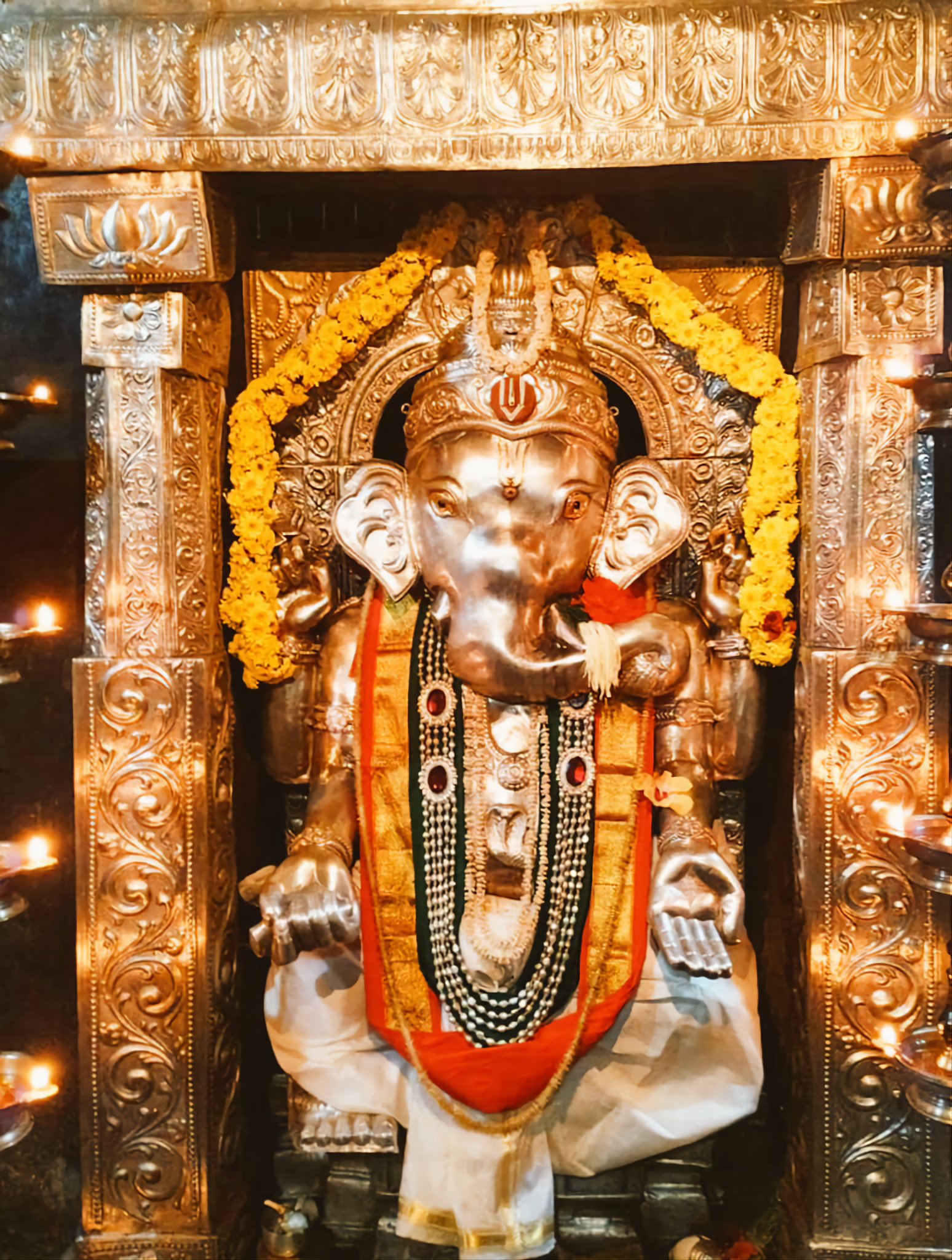
Place the Ganesha idol or picture facing east or north. Position a small decorative throne (simhasana) or folded cloth beneath the deity. Arrange puja items systematically: water vessels (kalash), bell, incense holder, lamp stand, flower plate, and naivedya thali.
Detailed Puja Procedure
Step 1: Aachamana and Pranayama Sit facing the deity. Take water in the right palm, sip three times while reciting “Om Keshavaya Namah, Om Narayanaya Namah, Om Madhavaya Namah.” Perform three rounds of pranayama to center the mind.
Step 2: Sankalpa (Sacred Vow) Hold water, akshat (rice), and flowers in the right palm. State your intention:
“Om tat sat. Adya Phalguna mase Shukla Pakshe Chaturthi tithau, Dhundhiraja Ganesh puja vrata karishye.”
Explain that you undertake this fast and worship for removal of all obstacles, forgiveness of errors, and guidance on the right path. Release the water at the deity’s feet.
Step 3: Dhyana (Meditation) Close eyes and visualize Ganesha in His Dhundhiraj form. Meditate on His elephant face radiating wisdom, His large ears listening to your prayers, the modak in His hand promising sweet rewards, and His mouse vehicle ready to reach hidden obstacles.
Step 4: Avahana (Invocation) Ring the bell and invite Ganesha into the idol:
“Om Ganeshaya Namah. Avahayami, Sthapayami.”
Offer akshat while welcoming the divine presence.
Step 5: Panchamrit Abhisheka Prepare panchamrit by mixing equal parts milk, yogurt, honey, ghee, and sugar. Gently bathe the idol while chanting:
“Om Gam Ganapataye Namah”
Pour the mixture slowly over the deity. Follow with abhisheka using clean water or Gangajal. Carefully dry the idol with a soft cloth.
Step 6: Alankara (Decoration) Apply chandan (sandalwood paste) tilak on the forehead. Offer sindoor (vermillion) if customary in your tradition. Place a fresh flower garland or individual flowers around and on the deity. Dress small idols in red or yellow cloth if available.
Step 7: Durva Offering This is a distinctive and essential element of Ganesh puja. Take 21 blades or 21 knotted clusters of durva grass. Offer them one by one while repeating:
“Om Ganapataye Namah”
Durva represents longevity and is especially beloved by Ganesha.
Step 8: Shodashopachara (Sixteen Forms of Worship) Systematically offer:
- Asana (seat): offering cloth or flowers
- Padya (water for feet)
- Arghya (water for hands)
- Aachamana (water to sip)
- Snana (bathing – already done in abhisheka)
- Vastra (cloth)
- Yajnopaveeta (sacred thread)
- Gandha (sandalwood paste)
- Pushpa (flowers)
- Dhupa (incense sticks – light and wave)
- Deepa (ghee lamp – light and wave in circular motion)
- Naivedya (food offerings – described below)
- Tambula (betel leaves and nuts)
- Dakshina (symbolic offering)
- Aarti (flame worship – described below)
- Pradakshina and Pranaam (circumambulation and prostration)
Step 9: Mantra Japa Sit in a meditative posture with mala (rosary). Chant the Ganesha moola mantra at least 108 times:
“Om Gam Ganapataye Namah”
Advanced practitioners may chant 1008 times or as many as time permits. Maintain mental focus on Ganesha’s form and the meaning of obstacle removal.
Step 10: Stotra Recitation Recite classical hymns to Ganesha. Recommended stotras include:
- Ganesh Atharvashirsha: A Vedic hymn establishing Ganesha’s cosmic significance
- Sankat Nashan Ganesh Stotram: Specifically for removing troubles
- Ganesh Ashtakam: Eight verses of praise
If unable to recite in Sanskrit, read translations with devotion or play recordings while following along mentally.
Step 11: Naivedya (Food Offering) Prepare and offer Ganesha’s favorite foods:
- Modak (steamed or fried sweet dumplings filled with coconut and jaggery)
- Besan laddoo (gram flour sweet balls)
- Til-gur preparations (sesame and jaggery sweets)
- Fresh fruits
- Panchamrit
Place offerings on a clean plate before the deity. Sprinkle water around the plate while chanting:
“Om Prana devaya svaha, Om Apana devaya svaha, Om Vyana devaya svaha, Om Udana devaya svaha, Om Samana devaya svaha, Om Brahmane svaha”
Cover offerings with a leaf or cloth briefly, then remove, symbolically allowing Ganesha to accept the essence.
Step 12: Aarti Light a ghee lamp with multiple wicks or camphor. Wave in clockwise circles while singing or chanting Ganesha aarti:
“Sukhakarta Dukhaharta Varta Vighnachi” or “Jai Ganesh Jai Ganesh Deva”
Ring bell continuously during aarti. Offer the flame to all present after completing the aarti so they can warm their hands over it and touch their eyes.
Step 13: Pradakshina and Pranaam Perform mental or physical circumambulation of the deity (clockwise, three times). Complete prostration (pranam) while mentally surrendering all obstacles into Ganesha’s care.
Step 14: Vrat Katha Recitation Read or listen to the Dhundhiraja Chaturthi vrat katha (stories of King Divodasa and the sinful Brahmin) with family members gathered. This is considered essential for receiving full vrata benefits.
Step 15: Prasad Distribution Distribute the blessed food offerings (prasad) to all present, ensuring everyone receives a portion. Save some for absent family members.
Evening Puja and Moon Worship
As evening approaches and the Moon rises, perform a brief second round of worship. Light lamps and incense. Sing bhajans or chant additional mantras.
Chandra Arghya (Moon Offering): Prepare a small vessel (lota) with water mixed with sandalwood powder, akshat, and a little milk. Step outside where the Moon is visible. Face the Moon and offer arghya (pour water) while reciting:
“Gaganarnava-manikya Chandra dakshayani-pate, Grihanaarghyam maya dattam Ganesha-pratirupaka”
(O Moon, jewel of the sky-ocean, son of Daksha’s daughter, accept this arghya I offer, recognizing you as a form of Ganesha.)
Parana (Breaking the Fast)
After completing moon arghya, the fast can be broken. Consume prasad first, then partake of simple satvik food without onion and garlic. Avoid heavy, tamasic meals on this sacred day.
Vrat Observance: Fasting Rules and Practice
Types of Fasting
Nirjala Vrat (Waterless Fast): Most rigorous form where no water or food is consumed from sunrise until moon arghya. Recommended only for those in good health.
Phalahar Vrat (Fruit and Milk): Devotees may consume fruits, milk, nuts, and vrat-specific foods like sabudana, singhara flour preparations, and potato preparations. No grains, salt, or regular meals.
Partial Vrat: One meal taken after completing puja, but no food again until moon worship. This is suitable for those with health conditions or strenuous work requirements.
Who Should Observe
Anyone seeking obstacle removal and wish fulfillment can observe Dhundhiraja Chaturthi vrata:
- Those beginning new ventures (business, education, marriage)
- Individuals facing repeated failures or delays
- People experiencing mental turbulence or confusion
- Kashi pilgrims seeking complete yatra benefits
- Devotees wishing to strengthen Ganesha connection
Complete Vrat Procedure
Morning Sankalpa: After bathing, hold water and declare formal intent to observe the fast as described in Step 2 of puja vidhi. The sankalpa binds you to complete the vrata properly.
Daytime Discipline: Maintain fast according to chosen type (nirjala, phalahar, or partial). Engage in devotional activities: reading scriptures, chanting mantras, listening to bhajans. Avoid harsh speech, anger, gossip, and negative entertainment.
Behavioral Restrictions:
- No consumption of alcohol, tobacco, or intoxicants
- No non-vegetarian food even after breaking fast
- Avoid arguing, lying, or harmful actions
- Maintain brahmcharya (continence)
- Do not sleep during the day
Evening Puja: Perform second puja and moon worship as described in vidhi section.
Parana (Breaking Fast): Timing is critical. The fast must be broken after moonrise and after offering arghya. The ideal parana time is after moon sighting but before midnight. Consult panchang for specific Chaturthi end time if observing extended completion timing.
Parana method: Take a sip of water, consume prasad, then eat satvik food moderately. Do not overeat after fasting.
Vrat Benefits
Religious Benefits:
- Direct blessings of Bhagawan Ganesha
- Removal of karmic obstacles
- Purification of mind and body
- Increased spiritual merit (punya)
- Progress on path to moksha
Astrological Benefits:
- Mitigation of malefic planetary influences
- Strengthening of Jupiter (wisdom) and Mercury (intelligence)
- Balancing of Chandra (mind and emotions)
- Removal of success-blocking doshas
- Creation of favorable conditions for wish fulfillment
Contraindications and Exemptions
Following categories may modify or skip fasting:
- Pregnant and nursing mothers
- Children under 12 years (may observe symbolically)
- Elderly with health issues
- Individuals with diabetes, heart conditions, or requiring regular medication
- Those performing physically demanding labor
These individuals can still perform puja, listen to katha, and observe the spirit of the vrata without complete fasting. Mental devotion and sincere participation matter more than rigid adherence when health is compromised.
Extended Observance
As per Varaha Purana, devotees may observe Dhundhiraja/Avighnakara vrat continuously on Shukla Chaturthi for four months beginning from Phalguna. In the fifth month (Ashadha), perform Udyapana (formal completion ceremony) including havan, Brahmin feeding, and donation of the Ganesha idol used throughout the observance.
Where Dhundhiraja Chaturthi is Celebrated: Regional Traditions
Kashi (Varanasi): The Heart of Dhundhiraj Worship
Varanasi holds unparalleled significance for Dhundhiraja Chaturthi due to the presence of Dhundhiraj Vinayaka Temple. Located near the Kashi Vishwanath corridor and Manikarnika area, this ancient shrine is considered one of 56 Ganesha temples in Kashi but uniquely essential.
Temple Tradition: Devotees follow a specific sequence prescribed in the Kashi pilgrimage protocol:
- Bathe in the Ganga, particularly at Manikarnika Ghat
- Perform pitr-tarpana (offering to ancestors)
- Proceed to Dhundhiraj Vinayaka Temple with modakas, durva, flowers
- Only then visit Kashi Vishwanath Temple
On Dhundhiraja Chaturthi specifically, the temple witnesses extraordinary crowds. The entire city immerses in devotion to this form of Ganesha, with continuous puja, bhajan sessions, and prasad distribution throughout the day.
Local Belief: Kashi residents hold that the spiritual gatekeeper of the city must be honored first. The saying goes: “Without Dhundhiraj’s grace, Vishwanath’s darshan remains incomplete.”
North India: Home-Based Observance
Uttar Pradesh: Beyond Varanasi, cities like Lucknow, Allahabad, and Gorakhpur observe Dhundhiraja Chaturthi primarily as a home vrata. Families gather for collective puja, with elders reading the vrat katha aloud. Local Ganesha temples conduct special pujas with participation from devotees who bring their own offerings.
Bihar and Jharkhand: Similar home-based tradition with emphasis on complete fasting and katha recitation. Religious media in these states prominently feature Dhundhiraja Chaturthi in their vrat-tyohar calendars.
Madhya Pradesh: Major cities observe with both home and temple pujas. Some temples organize community satsangs where priests guide congregational worship and explain the vrata’s significance.
Rajasthan: Home observance predominates. Marwari and Rajasthani families maintain strong vrata traditions, with women especially devoted to Ganesh Chaturthi observances including Dhundhiraja Chaturthi.
Punjab and Haryana: Though these regions are more focused on Gurudwara traditions, Hindu families observe Ganesh Chaturthis with devotion, preparing special prasad and conducting home pujas.
Delhi NCR: Urban observance combines traditional home pujas with temple visits. Several prominent Ganesha temples in Delhi conduct special abhisheka and aarti programs on Dhundhiraja Chaturthi.
South India: Vinayaka Chaturthi Tradition
Andhra Pradesh and Telangana: Observed as a powerful Phalguna Chaturthi with Vinayaka worship. Telugu devotional portals describe the detailed puja vidhi and fasting rules. The core elements—durva offering, modak naivedya, moon arghya—align with North Indian practice, though the specific “Dhundhiraj” nomenclature may be less emphasized liturgically.
Temple celebrations at major Vinayaka shrines like Kanipakam and other regional Ganesha temples include special abhisheka and prasadam distribution.
Tamil Nadu: Chaturthi tithis throughout the year are observed by devotees, with this Phalguna Chaturthi being one among them. Pillayar (Ganesha) worship forms part of daily life, and monthly Chaturthis receive attention from dedicated Ganesha bhaktas.
Karnataka: Ganesha worship is prominent in Karnataka, particularly in Mangalore and coastal regions. Phalguna Chaturthi observance includes traditional puja with modaka (kudumalu in Kannada) preparation and family gatherings.
Kerala: Ganapati worship exists but is less prominent than in other South Indian states. However, Malayali families devoted to Ganesha do observe major Chaturthis including this one.
East India: Integrated Observance
West Bengal: While Durga and Kali worship dominates, Bengali Hindu families observe Ganesh Chaturthi with respect, particularly those with trading community backgrounds where Ganesha’s auspicious blessings are sought for business success.
Odisha: Ganapati worship has ancient roots in Odisha. Major Ganesha temples conduct special rituals on Chaturthi tithis. Home observance includes traditional Odia offerings and prasad preparations.
West India: Maharashtra’s Ganesha Devotion
Maharashtra: As the heartland of Ganesha worship, Maharashtra observes all Ganesh Chaturthis with immense devotion. Though Ganesh Chaturthi in Bhadrapada month is most prominent, Phalguna Chaturthi receives significant attention.
Families perform elaborate pujas, prepare ukadiche modak (steamed modak), and some observe it with the same rigor as Sankashti Chaturthi. Community Ganesha mandals may also organize special programs.
Gujarat: Business and trading communities, for whom Ganesha represents removal of obstacles to prosperity, observe Chaturthis carefully. Gujarati-style modak and traditional offerings characterize the worship.
International Celebrations: Diaspora Observance
United States: Hindu temples with Ganesha shrines conduct Dhundhiraja Chaturthi pujas. Many diaspora Hindus maintain fasting traditions and participate in temple programs or conduct home pujas using online resources for correct vidhi.
United Kingdom: Similar temple and home observance. Indian grocery stores stock special items for Ganesha puja during Chaturthi periods.
Southeast Asia: Countries like Singapore, Malaysia, and Indonesia with significant Hindu populations observe through temple celebrations and home pujas, often combining with broader Lunar New Year period observances since Phalguna falls around that time.
Australia and Canada: Growing Hindu diaspora communities maintain traditions through temple organizations and family observances.
Traditional Beliefs and Remedial Practices
Specific Benefits by Life Area
Marriage and Relationships: Dhundhiraja Chaturthi observance removes obstacles in:
- Finding suitable life partner
- Resolving delays or complications in marriage arrangements
- Harmonizing marital discord
- Restoring love and understanding between estranged couples
Traditional Practice: Unmarried women observe the vrata seeking Ganesha’s blessing for an ideal spouse. Married couples observe together for strengthening their bond.
Health and Longevity:
- Recovery from chronic illnesses where treatment shows no progress
- Mental health stability, reducing anxiety and depression
- Protection from accidents and sudden health crises
- General vitality and longevity
Traditional Practice: Offer durva grass specifically for longevity. Feed sesame-based preparations to crows for ancestral blessings that support health.
Wealth and Prosperity:
- Removing obstacles blocking income and financial growth
- Success in business ventures facing unexplained difficulties
- Recovery of lost property or stuck payments
- Elimination of debt burdens
Traditional Practice: Offer til (sesame) and jaggery to Ganesha, then donate sesame-based items to Brahmins. Light ghee lamps during evening puja for prosperity.
Education and Knowledge:
- Success in competitive examinations
- Enhanced memory and learning capacity
- Removal of obstacles in higher education pursuits
- Academic recognition and achievements
Traditional Practice: Students should perform puja early morning before studying, offer yellow flowers to Ganesha, and keep a small Ganesha idol at study place.
Children and Progeny:
- Blessing of children for couples facing conception difficulties
- Safe pregnancy and childbirth
- Health and wisdom for existing children
- Resolution of behavioral issues in children
Traditional Practice: Offer modak specifically praying for santana (progeny) blessing. Feed young children after breaking your own fast.
Career Success:
- Promotion and professional advancement
- Success in job interviews and selections
- Favorable work environment
- Recognition for efforts and achievements
Traditional Practice: Chant “Om Gam Ganapataye Namah” 108 times before important career events. Carry Ganesha yantra or small idol for protection.
Astrological Remedies
For Malefic Planetary Periods: Observe Dhundhiraja Chaturthi vrata during:
- Saturn Sade Sati or dhaiya periods
- Mars antardasha causing aggression or accidents
- Rahu-Ketu transit creating confusion
- Mercury retrograde affecting communication
- Weak or debilitated planets in natal chart
Specific Planetary Remedies:
- Saturn affliction: Donate sesame oil and black cloth after puja
- Mars affliction: Offer red flowers, donate red lentils
- Mercury weakness: Offer durva in sets of 21, donate green items
- Jupiter affliction: Feed Brahmins, study scriptures
- Venus weakness: Offer white flowers, donate to women
Charitable Acts (Dana)
Sesame-Based Dana: As prescribed in Varaha Purana, donate five vessels filled with sesame seeds to Brahmins or needy persons. Feed sesame-based sweets (til laddoos, til barfi) to maximum people.
Brahmin Feeding: Invite learned Brahmins for meal after completing puja. This multiplies vrata benefits and honors the knowledge tradition.
Ganesha Idol Donation: After year-long observance or four-month extended vrata, donate the golden or consecrated Ganesha idol to temple or worthy Brahmin during udyapana ceremony.
General Charity: Feed hungry people, donate to orphanages, support education of underprivileged children. Actions aligned with Ganesha’s benevolent nature amplify vrata results.
Regional Customs and Beliefs
Kashi Tradition: Never begin Kashi pilgrimage without first planning Dhundhiraj Vinayaka darshan. Devotees believe that all accumulated punya (spiritual merit) of Kashi yatra flows only through this gateway.
Maharashtra Practice: Some families maintain practice of offering 21 modaks on all important Ganesha Chaturthis including Dhundhiraja Chaturthi, representing 21 wishes being surrendered to Ganesha.
South Indian Custom: Preparing specific number of kozhukattai (modak) based on family size and distributing to neighbors ensures community harmony and shared blessings.
North Indian Belief: Keeping fast on Chaturthi that falls on Tuesday (Angaraka Chaturthi) is considered exponentially more powerful for removing severe obstacles.
Do’s and Don’ts
DO:
- Wake early and maintain cleanliness throughout the day
- Wear auspicious colors (yellow, red, orange)
- Maintain complete brahmacharya during vrata
- Speak truth and avoid harsh words
- Perform puja with full devotion and attention
- Feed others before breaking your own fast
- Recite vrat katha with family gathered
- Offer water to Tulsi plant in evening
- Keep Ganesha’s name on your lips throughout day
DON’T:
- Look at Moon during forbidden hours (consult panchang)
- Consume prohibited foods even after parana
- Sleep during daytime on vrata day
- Indulge in gossip, lies, or negative speech
- Watch inappropriate entertainment
- Skip any essential part of puja vidhi
- Break fast without completing moon arghya
- Forget to distribute prasad to all family members
FAQ: Dhundhiraja Chaturthi
Q1: What is Dhundhiraja Chaturthi? Dhundhiraja Chaturthi is a sacred Ganesh Chaturthi observed on Phalguna Shukla Paksha Chaturthi, dedicated to Sri Ganesha in His Dhundhiraj form. It is also called Manoratha Chaturthi and Avighnakara Vrat in Puranas.
Q2: When is Dhundhiraja Chaturthi celebrated? It occurs on the fourth day (Chaturthi tithi) of the bright fortnight in Phalguna month, typically falling in February or early March. The exact date varies yearly based on lunar calendar.
Q3: Why is this Chaturthi called Dhundhiraja? The name commemorates Ganesha’s role as “Dhundhiraj” (supreme seeker) who helped Mahadev Shiva regain Kashi. Ganesha disguised Himself as an astrologer named Dhundhi to resolve the situation with King Divodasa.
Q4: Which form of Ganesha is worshipped? Dhundhiraj Ganesha, specifically the form recognized as the spiritual gatekeeper of Kashi (Varanasi). This manifestation specializes in removing hidden obstacles and fulfilling heartfelt wishes.
Q5: What is the astrological significance of this day? Chaturthi tithi naturally brings obstacles to surface, making it ideal for invoking Vighneshvara. The waxing Moon in Phalguna supports new beginnings and mental clarity. It effectively removes doshas caused by malefic planets.
Q6: What religious benefits does observing this vrata provide? Removal of all obstacles, fulfillment of desires (manoratha-siddhi), mental peace, prosperity, success in endeavors, and progress toward moksha. Scriptures promise comprehensive life benefits.
Q7: How long should the fast be observed? From sunrise until moonrise (Chandrodaya). The fast is broken only after offering arghya to the Moon in the evening, typically 12-14 hours.
Q8: What types of fasting are permitted? Nirjala (waterless), Phalahar (fruits and milk), or partial (one satvik meal). Choose based on health condition and capacity. Mental devotion matters more than rigid fasting for those with health issues.
Q9: What are the essential puja items needed? Ganesha idol/picture, panchamrit ingredients (milk, curd, honey, ghee, sugar), durva grass, flowers (especially red), modak, til-gur sweets, incense, ghee lamp, sandalwood paste, kumkum, akshat, bell, and fruits.
Q10: How many durva grass blades should be offered? Traditionally 21 blades or 21 knotted clusters of durva grass are offered. Durva represents longevity and is especially beloved by Ganesha.
Q11: What mantras should be chanted? Primary mantra: “Om Gam Ganapataye Namah” (minimum 108 times). Advanced devotees recite Ganesh Atharvashirsha, Sankat Nashan Ganesh Stotram, or Ganesh Ashtakam.
Q12: Is listening to the vrat katha mandatory? Yes, reciting or listening to the Dhundhiraja Chaturthi vrat katha is considered essential for receiving full benefits of the vrata. It should be done with family gathered during or after puja.
Q13: What is the moon worship procedure? Prepare water mixed with sandalwood, akshat, and milk. When Moon rises, offer arghya (pour water) while chanting the prescribed mantra recognizing Moon as Ganesha-pratirupaka. Then break the fast.
Q14: Why is Dhundhiraj Vinayaka important in Kashi pilgrimage? Mahadev Shiva declared that Kashi pilgrimage remains incomplete without first worshipping Dhundhiraj Vinayaka. He is the spiritual gatekeeper who ensures full benefits of Kashi darshan.
Q15: Can pregnant women observe this fast? Pregnant and nursing mothers should avoid complete fasting. They can perform puja, take phalahar, and maintain devotional mood without risking health. Mental devotion and listening to katha suffice.
Q16: What prasad should be prepared? Traditional offerings include modak (Ganesha’s favorite), besan laddoo, til-gur (sesame-jaggery) sweets, panchamrit, and fresh fruits. Modak is considered most auspicious.
Q17: When should the fast be broken (parana time)? Only after moonrise and after completing Chandra arghya. Consult local panchang for accurate moonrise time and Chaturthi ending time. Break fast before midnight.
Q18: What is Angaraka Chaturthi? When Chaturthi falls on Tuesday (Mangalvar), it is called Angaraka Chaturthi and considered especially powerful for removing severe obstacles, as Tuesday’s Mars energy combines with Ganesha’s obstacle-removing nature.
Q19: Can this vrata be observed for multiple months? Yes, Varaha Purana prescribes observing it continuously for four months starting from Phalguna, with formal completion (udyapana) ceremony in the fifth month (Ashadha).
Q20: What is the significance of sesame offerings? Sesame (til) has special purifying properties in Vedic tradition. Offering and donating sesame-based items removes sins, ancestors’ dissatisfaction, and creates prosperity. Varaha Purana specifically prescribes sesame offerings.
Q21: Which zodiac signs benefit most from this observance? All rashis benefit, but particularly: Scorpio and Pisces (Mars-Jupiter connection), Capricorn and Aquarius (Saturn relief), Gemini and Virgo (Mercury enhancement), and Sagittarius (spiritual progress).
Q22: What should be avoided during the vrata? Avoid non-vegetarian food, alcohol, tobacco, sleeping during day, harsh speech, lies, anger, inappropriate entertainment, and looking at Moon during forbidden hours (check panchang).
Q23: How is this different from other Ganesh Chaturthis? While all Chaturthis honor Ganesha, Dhundhiraja Chaturthi specifically connects to the Kashi tradition, has distinct Puranic names (Manoratha, Avighnakara), and features unique kathas about Dhundhiraj form.
Q24: What charitable acts enhance vrata benefits? Donate sesame seeds and oil, feed Brahmins, distribute sesame-based sweets to needy, feed hungry people, support education, and after year-long observance, donate the consecrated Ganesha idol.
Q25: Can this vrata be observed by those with health conditions? Yes. Those with diabetes, heart conditions, or requiring regular medication should modify fasting (take fruits/milk) or skip fasting entirely while performing puja, mantra japa, and katha listening. Sincere devotion matters most.
Conclusion
Dhundhiraja Chaturthi stands as a beacon of hope for devotees facing life’s persistent obstacles and seeking fulfillment of heartfelt desires. This sacred observance combines profound scriptural authority from multiple Puranas with practical ritual elements accessible to every household. The dual identity as Manoratha Chaturthi and Avighnakara Vrat reveals its complete scope: not merely removing impediments but actively manifesting positive outcomes aligned with dharma.
The connection to Kashi through the Dhundhiraj Vinayaka form adds unique spiritual depth. By honoring the deity who opened the gateway for Mahadev Shiva Himself to dwell in Varanasi, devotees participate in a cosmic pattern where intelligence, patience, and proper sequencing overcome even seemingly impossible barriers. The kathas teach that divine grace works through multiple channels sometimes through conscious devotion, sometimes through circumstances beyond our control but always toward ultimate welfare.
Modern devotees can observe Dhundhiraja Chaturthi whether living near sacred Kashi or in distant lands, whether following elaborate temple traditions or simple home puja. The essence remains consistent: waking early with pure intention, bathing the beloved elephant-faced Ganapati with panchamrit, offering fragrant durva and sweet modaks, chanting His names with devotion, listening to sacred kathas that inspire faith, maintaining disciplined fast throughout the day, and concluding with moonlit arghya that harmonizes celestial and terrestrial realms.
May Dhundhiraj Ganesha remove all obstacles from your path, grant the desires cherished in your heart, bestow mental peace that surpasses understanding, and guide your every step toward both worldly success and ultimate liberation.
Om Gam Ganapataye Namah
Vakratunda Mahakaya Suryakoti Samaprabha
Nirvighnam Kuru Me Deva Sarva Karyeshu Sarvada!
Help Us Keep This Guide Accurate
At Temple Connect, we regularly update our content to ensure you receive the most relevant and authentic information. If you’d like to suggest improvements, share regional traditions, or report any updates, we’d love to hear from you at connect@templeconnect.com
Follow us on our X platform.
Note to Readers: This article is intended for educational and devotional purposes. The information presented is based on traditional Hindu scriptures, contemporary religious practice, and scholarly research.
Individual observance may vary based on family tradition, regional custom, and personal circumstance. For specific guidance, especially regarding complex astrological remedies, please consult qualified priests, pandits, or Vedic astrologers. The health-related aspects mentioned are traditional beliefs and should not replace professional medical advice.