Dwijapriya Sankashti Chaturthi: The Sacred Vrata for Removing Life’s Obstacles
Dwijapriya Sankashti Chaturthi is a sacred monthly vrata dedicated to Lord Ganesha in his Dwijapriya form, observed on Krishna Paksha Chaturthi of Magha month. Devotees fast from sunrise to moonrise, seeking removal of obstacles, divine wisdom, and family harmony through disciplined worship, mantra japa, and moon offerings, invoking Ganesha’s special grace for students, seekers, and all walking the dharmic path.
Understanding Dwijapriya Sankashti Chaturthi
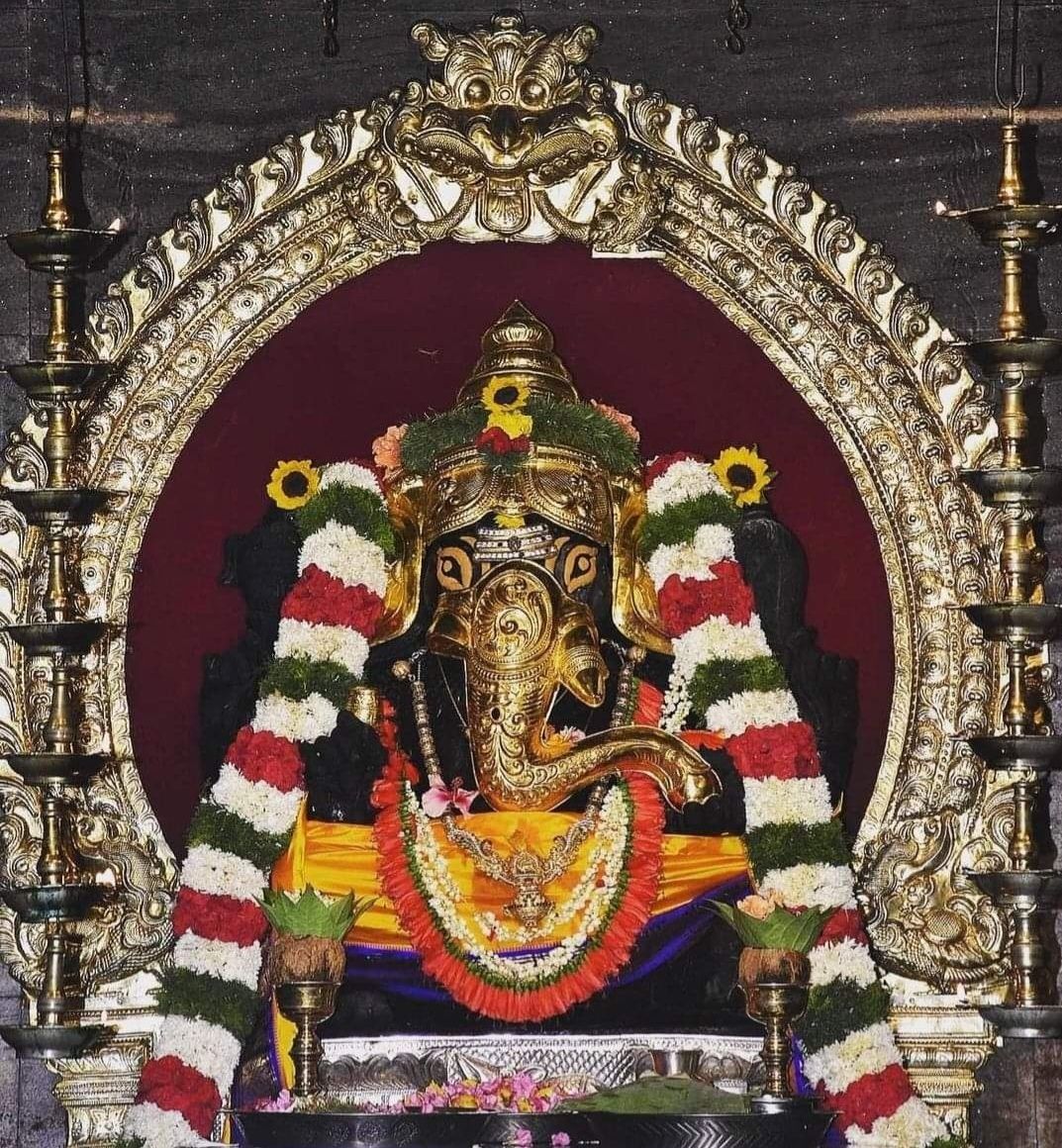
In the sacred tapestry of Hindu vratas, Dwijapriya Sankashti Chaturthi holds a special place as one of the twelve monthly Sankashti observances dedicated to Vighneshwara, Lord Ganesha. The very name “Sankashti” comes from “Sankat” meaning difficulties or crisis, and “Hara” meaning remover – thus, this is the day when we invoke Ganesha as the one who delivers us from all troubles and obstacles that block our path in life.
Dwijapriya Sankashti Chaturthi falls on the Krishna Paksha Chaturthi (fourth lunar day of the waning moon phase) of Magha month according to the Amanta calendar followed in South India, or Phalguna month in the Purnimanta calendar followed in North India. Despite this calendrical difference in naming, the spiritual essence and significance remain identical across all regions of Bharat.
What makes this particular Dwijapriya Sankashti Chaturthi special is the worship of Ganesha in his Dwijapriya form. “Dwijapriya” translates to “beloved of the twice-born” or “dear to the dvija.” In our shastras, dvija refers not merely to those who have undergone the Upanayana samskara, but more broadly to all souls who have been “born again” into higher consciousness through knowledge, spiritual practice, and dharmic living.
The Twelve Sankashti Chaturthi Days
Every Hindu lunar month has two Chaturthi tithis – one in Shukla Paksha (waxing moon) and one in Krishna Paksha (waning moon). The Krishna Paksha Chaturthi of each month is observed as Sankashti Chaturthi, creating a beautiful cycle of twelve (or thirteen Sankashti Chaturthi‘s in some years – adhika maas) monthly Ganesha vratas throughout the year. Each monthly Sankashti is associated with a specific name and form of Ganesha, with its own unique vrat katha and spiritual emphasis.
Among these twelve, Dwijapriya Sankashti Chaturthi is particularly revered because it falls in the sacred month of Magha, which is itself considered a tapas-intensive period in the Hindu calendar where all vratas, danas, and spiritual practices yield multiplied punya.
Who is Dwijapriya Ganesha?
When we worship Ganesha on this Dwijapriya Sankashti Chaturthi, we are not simply approaching him as the general remover of obstacles, but specifically invoking him in his Dwijapriya aspect – the form that is especially affectionate toward seekers of knowledge and righteous living.
The Meaning of Dwijapriya
The word “Dwijapriya” is composed of two Sanskrit terms:
- Dvija (द्विज) – literally “twice-born,” referring to those who have undergone spiritual initiation
- Priya (प्रिय) – beloved, dear, cherished
In traditional Vedic society, dvija referred to the three varnas who underwent the sacred thread ceremony (Upanayana) – Brahmins, Kshatriyas, and Vaishyas – marking their second birth into spiritual life. However, the deeper, universal meaning extends to all individuals who have awakened to dharma, who seek wisdom over mere worldly success, and who have been “reborn” through knowledge, meditation, or sincere spiritual practice.
The Religious and Spiritual Significance
Why We Observe This Vrata
From the standpoint of dharma and bhakti, Dwijapriya Sankashti Chaturthi serves multiple profound purposes in a devotee’s spiritual life:
1. Removal of Obstacles (Vighna Nashana)
Life presents countless obstacles – some external (financial difficulties, career blocks, family conflicts, health issues) and others internal (fear, confusion, lack of clarity, negative thought patterns). Ganesha, as Vighnaharta, possesses the unique divine power to remove both types of obstacles. By observing this Dwijapriya Sankashti Chaturthi vrata with shraddha, we directly invoke his grace to clear our path.
2. Bestowing Divine Wisdom (Buddhi Siddhi)
Dwijapriya Ganesha is especially associated with intellect and right understanding. Students preparing for examinations, professionals facing important decisions, and spiritual seekers needing clarity in their sadhana all benefit tremendously from this worship. The Dwijapriya Sankashti Chaturthi vrata sharpens our discrimination (viveka) and strengthens our ability to make dharmic choices.
3. Harmonizing Family Relationships
The vrat katha of Dwijapriya Sankashti, which we will explore in detail, centers on healing family discord and restoring respect and affection among relatives. This vrata has a special power to dissolve ego clashes, bring understanding between generations, and create peace in the household.
4. Fulfillment of Righteous Desires
Unlike materialistic prayers that seek only wealth or power, this vrata is meant for fulfillment of desires rooted in dharma. Those seeking suitable marriage, children’s welfare, success in education, career advancement through honest means, or stability in righteous endeavors find this Dwijapriya Sankashti Chaturthi vrata particularly responsive.
5. Inner Purification and Spiritual Progress
The combination of fasting, silence (mauna), mantra japa, and focused worship creates a powerful atmosphere of inner purification. The restraint of senses, discipline of mind, and devotional intensity help reduce tamas and rajas, making us more sattvic and receptive to higher consciousness.
The Unique Power of Magha Month
That Dwijapriya Sankashti Chaturthi falls in Magha month adds to its significance. Magha is praised throughout our scriptures as a month especially favorable for:
- Tapasya and spiritual austerities
- Holy baths (particularly in sacred rivers)
- Dana (charitable giving)
- Pitru seva (service to ancestors and elders)
- Deepening of devotional practices
When a Sankashti vrata – already powerful for obstacle removal, occurs during Magha, its fruits are said to multiply manifold. This is why many traditional families consider Dwijapriya Sankashti among the most important Chaturthis of the entire year.
The Astrological Dimensions: Moon, Mind, and Divine Timing
Beyond its religious significance, Dwijapriya Sankashti Chaturthi operates on profound astrological principles that connect lunar cycles, planetary energies, and human consciousness.
Understanding Krishna Paksha Chaturthi in Vedic Astrology
In Jyotisha (Vedic astrology), every tithi carries a specific vibrational quality and planetary influence. The fourth tithi, Chaturthi, is inherently associated with inner restlessness, subconscious obstacles, and hidden tensions. This is not negative – rather, it’s a tithi that brings to the surface what needs to be addressed and cleared.
Why Krishna Paksha Specifically?
Krishna Paksha, the waning moon phase, represents:
- Release and letting go
- Karmic detoxification
- Introspection and inner work
- Reduction of mental and emotional clutter
- Surrender of what no longer serves us
When the challenging energy of Chaturthi combines with the releasing energy of Krishna Paksha, we get a powerful window for obstacle removal. This is the cosmic logic behind Sankashti Chaturthi – we’re not avoiding difficulty but consciously working with it through Ganesha’s grace.
The Moon and the Mind
Vedic astrology teaches “Chandrama Manaso Jatah” – the Moon arises from the cosmic mind and governs our individual mind, emotions, and mental patterns. Chandra rules:
- Manas (the thinking, feeling mind)
- Emotional stability and mood
- Sleep, rest, and nourishment
- Intuition and receptivity
- Our relationship with mother, family, and home
A weak or afflicted Chandra in one’s horoscope can manifest as:
- Anxiety, worry, and mental restlessness
- Mood swings and emotional instability
- Disturbed sleep patterns
- Difficulty in family relationships
- Public image problems or false accusations
- Lack of mental peace
Sankashti as Lunar Remedy
The structure of Sankashti Chaturthi is designed as a comprehensive Chandra parihara (lunar remedy):
- Fasting disciplines the mind : Upavas (staying near the deity) redirects mental energy from food and sensory indulgence to devotion and awareness
- The moonrise rule is crucial : Breaking the fast only after seeing the moon and offering argya (water oblation) creates a conscious, sacred interaction with lunar energy at its visible peak
- Chandra Darshan heals the mind : Viewing the moon with reverence, chanting mantras, and offering prayers directly addresses Chandra-related afflictions in the horoscope
- Ganesha balances Ketu : In Jyotisha, Ganesha is the deity of Ketu (the south lunar node). Ketu represents detachment, spiritual insight, and transcendence of the ego-mind. Worshipping Ganesha on a moon-focused day creates a beautiful balance between lunar emotional energy (Chandra) and transcendent wisdom (Ketu)
The Story of Chandra’s Curse and Remedy
Many of our sacred texts narrate how Chandra once mocked Ganesha, and in response received a curse that anyone viewing the moon on Ganesh Chaturthi (Bhadrapada Shukla Chaturthi) would suffer false accusations and reputational damage. Later, through prayers and penance, the curse was partially mitigated and viewing the moon specifically on Sankashti Chaturthi with proper Ganesha worship was prescribed as the remedy.
Astrologically, this story encodes an important truth: Chandra can cause misunderstandings, false blame, and public image problems when afflicted. Conscious Chandra upasana combined with Ganesha worship on Sankashti acts as a powerful parihara that pacifies these negative effects.
Regional Traditions:
One of the beautiful aspects of Dwijapriya Sankashti Chaturthi is how it’s observed across different regions of India, each adding local flavor while maintaining the core spiritual essence.
North Indian Observance: Sakat Chauth
In Uttar Pradesh, Madhya Pradesh, Himachal Pradesh, Rajasthan, and parts of Bihar, the Krishna Paksha Chaturthi of Magha is widely known as Sakat Chauth or Sakat Chaturthi. Though the name differs, the underlying tithi and Ganesha-focused character remain the same.
Unique Features of Sakat Chauth:
- Mother-centric Observance – Traditionally, mothers especially observe this vrata for the welfare, long life, and success of their children
- Worship of Goddess Sakat – Along with Ganesha, some families worship Goddess Sakat, a form of Shakti associated with removing troubles from children
- Til (Sesame) Offerings – Special emphasis on til laddoos, til-jaggery preparations, and other sesame-based offerings, connecting to the agricultural and seasonal context of Magha (winter harvest period)
- Intense Fasting – Many women observe nirjala (waterless) fasting, praying intensely for protection from calamities and seeking good health for their offspring
- Evening Katha – After moonrise and offering argya, families gather to recite the Sakat Chauth katha, which often includes both Ganesha elements and local folk narratives
- Community Celebrations – In villages, women gather in groups, sing traditional songs, and break their fasts together after moon sighting
Western and Southern India: Sankashti Chaturthi Lineage
In Maharashtra, Karnataka, Goa, Andhra Pradesh, Telangana, and Tamil Nadu, the monthly Sankashti Chaturthi observance is deeply embedded in household practice, with many devout families observing at least several of these fasts throughout the year.
Common Practices:
- Monthly Discipline – Many devotees observe all twelve (or thirteen) Sankashti Chaturthis, creating a yearly rhythm of Ganesha worship
- Temple Visits – Early morning visits to famous Ganesha temples like Siddhivinayak (Mumbai), Dagadusheth (Pune), Vinayaka temples in Karnataka, or ancient Ganesha shrines in Tamil Nadu or other nearby regional temples.
- Specific Form Worship – Each month’s Sankashti is associated with a particular name and form of Ganesha; Dwijapriya is recognized as the Magha Sankashti form
- Detailed Puja Rituals – Elaborate Shodashopachara or Pancha-upachara puja at home in the evening, with specific attention to durva grass offerings
- Katha Recitation – Reading or listening to the specific monthly Sankashti vrat katha associated with that form of Ganesha
- Strict Moonrise Rule – Strong emphasis on breaking the fast only after actual moonrise and Chandra puja, never before
- Community Satsangs – Group recitations of Sankashti Ganesh Stotra, Atharvashirsha, and collective aarti
Eastern India: Quiet Reverence
In Bengal, Odisha, and Assam, while Ganesh Chaturthi (Bhadrapada Shukla Paksha) is celebrated with great fervor, the monthly Sankashti observances are more personal and household-based. Devotees who maintain rigorous vrata disciplines often observe Dwijapriya Sankashti Chaturthi as part of their annual spiritual calendar, particularly families with strong connections to Bengali Vaishnavism and traditional Hinduism.
The Sacred Vrat Katha: The Story of Vishnu Sharma and Divine Grace
The power of any vrata lies not just in its rituals, but in the sacred story that carries its essential teaching. The Dwijapriya Sankashti Chaturthi vrat katha is narrated in our Puranas and traditionally recited by priests and elders after the evening puja. Let us hear this story as it would be told in our homes and temples.
A Learned Brahmin in Satya Yuga
In the ancient Satya Yuga, when dharma walked on four legs and righteousness prevailed in the land, there lived a greatly learned Brahmin named Vishnu Sharma. He resided in the kingdom of the noble King Yuvanashva and served as the royal court’s most respected scholar and advisor.
Vishnu Sharma was a master of all the Vedas, Upanishads, and shastras. His knowledge was vast as the ocean, his conduct pure as the morning sun, and his devotion to dharma unwavering. For many years, he served the king with wisdom and integrity, guiding the kingdom toward prosperity and righteousness.
The Blessing of Seven Sons
Bhagawan blessed Vishnu Sharma with seven sons, all of whom grew up under their father’s careful guidance, learning scriptures and dharma. As is natural in the course of life, all seven sons married, bringing seven daughters-in-law into the household.
In the early years, the family lived in harmony. The sons respected their father, the daughters-in-law served the household with devotion, and the home was filled with the sounds of Vedic chanting and the fragrance of yajnas.
The Test of Time
But as time passed, Vishnu Sharma grew old. His hair turned white as jasmine flowers, his once-strong body became frail, and his eyesight dimmed. The same age that had brought him wisdom had also brought physical weakness.
Now here began the test that lies hidden in every family, waiting to reveal the true character of its members.
The Turning Away
As Vishnu Sharma’s physical strength declined, so did the attention and care he received from most of his family. One by one, six of his seven daughters-in-law began to withdraw from the responsibility of serving him.
These six began to see the aged father-in-law as a burden rather than a blessing. His needs seemed endless to them, his weakness an inconvenience, his dependence an irritation. They forgot the countless times he had blessed them, guided them, and protected the family through his wisdom and prayers. They forgot that the prosperity they enjoyed was built on the foundation of his lifelong dharmic conduct.
The six daughters-in-law grew negligent in their duties. They would not prepare his food with care, would not help him with his daily needs, would not sit with him to ease his loneliness. Some were openly disrespectful; others simply absent, always busy with other tasks when their father-in-law needed them.
The six sons, though they had learned the Vedas from their father, lacked the strength of character to oppose their wives or fulfill their own dharmic duty toward their parent. Slowly, quietly, shamefully, the household that had once resonated with dharma began to echo with neglect.
The Youngest Daughter-in-Law: A Lamp in Darkness
But the seventh daughter-in-law, the youngest of them all, was made of different substance.
Her name is not mentioned in the traditional telling of the story and perhaps this is intentional, for she represents every devoted soul who serves without expectation of recognition. Some versions simply call her “the youngest bahu” or “the devoted one.”
While the other six daughters-in-law turned away, she stepped forward. While they complained, she served with a smile. While they forgot dharma, she remembered it with every action.
This young woman saw in her aged father-in-law not a burden, but a living deity worthy of the highest respect. She understood what the others had forgotten that serving elders is not merely a social obligation but a sacred duty that purifies the heart and invokes divine blessings.
Every morning, she would wake early, prepare fresh, sattvic food for Vishnu Sharma according to his needs and capacity. She would help him bathe, dress, and perform his daily prayers. She would read to him from the scriptures when his eyes grew too weak to read himself. She would sit with him and listen to his wisdom, asking questions and showing genuine love and interest.
She performed all this seva not out of fear, not out of hope for reward, but out of pure devotion and understanding of dharma. In her service, there was no resentment, no complaint, no keeping of accounts.
The Spiritual Secret
Vishnu Sharma, though physically weak, possessed the keen insight of a true spiritual practitioner. He saw clearly the devotion and purity in his youngest daughter-in-law’s heart. He observed how she alone upheld dharma when all others had abandoned it.
One day, he called her to sit beside him. His voice, though weakened by age, carried the authority of one who knows the deepest secrets of the universe.
“Beloved daughter,” he said, “you have served me with true devotion when all others turned away. You have upheld dharma when it would have been easier to follow the crowd. Your heart is pure, and your actions are righteous. Therefore, I wish to give you a gift that will transform not only this life but all your lives to come.”
The young woman bowed her head with humility. “Father, your blessings are my greatest wealth. I need nothing more.”
But Vishnu Sharma smiled. “What I will give you is not a material gift, but a spiritual key – a sacred vrata that has the power to remove all obstacles, fulfill all righteous desires, bring peace to troubled homes, and ultimately grant liberation itself.”
The Teaching of Dwijapriya Sankashti Chaturthi Vrata
With great care and love, Vishnu Sharma then taught his devoted daughter-in-law the complete observance of Dwijapriya Sankashti Chaturthi:
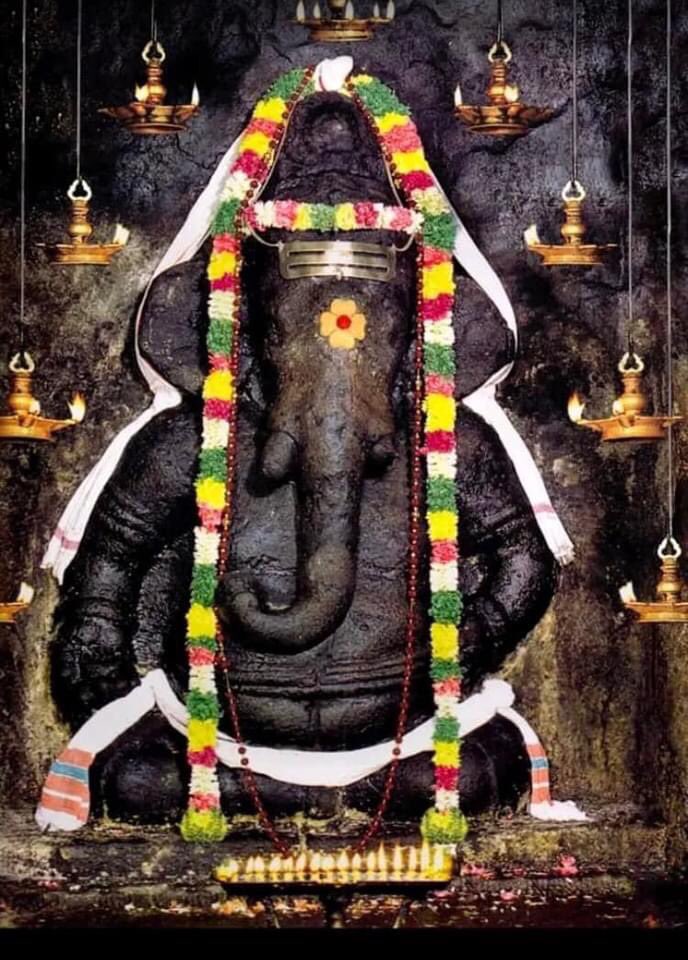
He explained the significance of the vrata – how it falls on Krishna Paksha Chaturthi of Magha month, how Ganesha appears in his Dwijapriya form on this day especially benevolent to seekers and devoted souls.
He described the fasting rules – how to abstain from food from sunrise to moonrise, how to maintain inner purity and silence throughout the day, how to focus the mind on Ganesha’s divine form.
He outlined the puja vidhi – the specific offerings of durva grass, flowers, modakas, and the detailed worship sequence that pleases Dwijapriya Ganesha.
He shared the mantras, the sacred sounds that invoke Ganesha’s presence and grace.
He narrated the katha itself explaining that listening to or reciting this very story is an essential part of the vrata’s completion.
He emphasized the moonrise observance, how the fast must be broken only after seeing the moon, offering argya to Chandra Deva, and completing the prescribed worship.
Most importantly, he explained the spirit behind the vrata: “This is not mere ritual, daughter. This is a complete offering of discipline, devotion, and surrender to Ganesha. When performed with shraddha and faith, when combined with service to elders and adherence to dharma, this vrata has immeasurable power.”
The Devoted Practice
The youngest daughter-in-law received these teachings as one would receive the most precious treasure. She bowed at her father-in-law’s feet and vowed to observe this vrata with complete faith and dedication.
From that day forward, on every Dwijapriya Sankashti Chaturthi, she would wake early, complete her morning ablutions, take sankalp, and begin the fast. Throughout the day, she would maintain silence, chant Ganesha’s names, and prepare for the evening puja.
As evening approached, she would create a beautiful altar, placing Ganesha’s image with reverence, arranging flowers, durva grass, and modakas with love. She would perform the puja with one-pointed devotion, her heart merged completely with the divine presence of Dwijapriya Ganesha.
After sunset, she would wait patiently for the moon to rise. The moment the silver light appeared in the sky, she would step outside, offer argya with sacred mantras, and pray to Chandra Deva for peace and stability of mind.
Only then would she return to Ganesha’s altar, offer the final prayers, listen to the vrat katha, and break her fast with the prasad offered to the Lord.
She observed this vrata not once or twice, but regularly, month after month, with unwavering faith. And never – not even once – did she neglect her service to her father-in-law or her duties to the household.
The Fruits of Devotion
Vighnaharta Ganesha, who sees all and knows all, was deeply pleased by this devoted soul’s combined practice of vrata observance and seva to elders.
Gradually, mysteriously, blessings began to flow into her life:
The atmosphere in her home began to shift. Where there had been tension, peace slowly emerged. The abundance that comes with dharmic living started to manifest, enough food, enough resources, enough of everything needed for a good life.
Her husband, who had been quiet and passive, began to prosper in his endeavors. Opportunities appeared that had not existed before. Obstacles that had blocked their path simply dissolved.
Her relationship with her father-in-law deepened into a beautiful spiritual friendship. The other family members, seeing the grace flowing to her, slowly began to realize their mistakes. Some returned to more respectful conduct; others felt the weight of their neglect.
Most importantly, her inner life transformed. Her mind became peaceful, her heart filled with devotion, her understanding of dharma deepened. The spiritual joy that comes from sincere practice illuminated her entire being.
The Ultimate Gift
Years passed. Vishnu Sharma, having completed his earthly journey and seeing his devoted daughter-in-law established in dharma, shed his aged body and departed to higher realms.
The young woman continued her vrata observance throughout her life. She raised her children with the same values of devotion and service. She taught them the importance of respecting elders, observing vratas, and living according to dharma.
When her time came to leave the body, she did so with complete peace and awareness. Having lived a life of devotion, service, and spiritual discipline centered around her beloved Dwijapriya Sankashti vrata and the grace of Ganesha, she attained moksha, liberation from the cycle of birth and death.
Complete Puja Vidhi: Step-by-Step Guide
Now that we understand the significance and story of Dwijapriya Sankashti Chaturthi, let us learn the complete method of observance. This is practical guidance for devotees wishing to perform this vrata at home.
Preparation: The Day Before
Mental Preparation Begin preparing your mind the previous evening. Reflect on why you are undertaking this vrata. Is it for obstacle removal? For success in studies? For family harmony? For spiritual growth? Whatever your intention, hold it clearly in your heart.
Physical Preparation
- Take a light, sattvic dinner the night before
- Avoid heavy, tamasic foods, garlic, onions, and non-vegetarian items
- Get adequate rest, as you will wake early the next morning
- Gather all puja items needed (see detailed list below)
Checking the Panchang Verify the exact tithi timing for your location. The fast should be observed on the day when Chaturthi prevails at moonrise. Check the precise moonrise time for your city, as this determines when you can break the fast.
Morning Rituals (Sunrise to Noon)
1. Brahma Muhurta and Snana
Wake during Brahma Muhurta if possible (approximately 1.5 hours before sunrise, usually 4:30-5:30 AM depending on the season and location). This is the most sattvic time of day, ideal for spiritual practice.
Perform your morning ablutions, brush teeth, clean tongue, and then take a complete bath. Some devotees add a few drops of Ganga jal to their bathing water for additional purification. While bathing, you can chant:
“Gange cha Yamune chaiva Godavari Saraswati, Narmade Sindhu Kaveri jale’smin sannidhim kuru”
Wear clean clothes – preferably yellow, red, or orange, which are auspicious for Ganesha worship. Red especially is recommended as it represents divine energy and auspiciousness.
2. Cleaning the Altar
Clean your home puja room or the space where you will worship. Wipe the altar, clean any existing Ganesha murti or pictures, arrange fresh cloth (red or yellow), and ensure the area is peaceful and conducive to devotion.
3. Sankalp (Sacred Resolution)
This is the formal beginning of your vrat. Sit facing east or north, perform achamana (sipping water three times while chanting appropriate mantras), and then take the sankalp:
Hold some akshat (rice grains) and a flower in your right hand, and mentally or verbally declare in your regional language:
“Aum. Today, on this sacred Dwijapriya Sankashti Chaturthi, I, [your name], residing in [your place], undertake this vrata for the grace of Lord Ganesha in his Dwijapriya form. May this observance remove all obstacles from my path, grant me wisdom and clarity, bring harmony to my family, and lead me toward dharma and ultimate liberation. May Lord Ganesha bless this vrata and accept my devotion.”
Release the akshat and flower at the altar.
4. Beginning the Fast
From this moment until moonrise, you will abstain from food and (in strict observance) even water. However, those with health conditions, elderly persons, children, pregnant women, and those with medical needs should adapt the fast to phalahar (fruits and milk) or as advised by their family elders.
Daytime Practice (Noon to Evening)
Mauna (Silence) Try to maintain as much silence as possible throughout the day. This doesn’t mean complete inability to speak if urgent matters arise, but rather a conscious restraint of unnecessary speech, gossip, and trivial conversation. Silence turns the mind inward and conserves energy for devotion.
Mantra Japa Spend time throughout the day in Ganesha mantra repetition. You can use a rudraksha or tulsi mala. Common mantras include:
- “Om Gam Ganapataye Namah” (most basic and powerful)
- “Om Vakratunda Mahakaya Suryakoti Samaprabha, Nirvighnam Kuru Me Deva Sarva-Karyeshu Sarvada”
Aim for at least 108 repetitions, though 1008 is considered highly meritorious if time permits.
Reading and Listening Read or listen to:
- Ganesha Atharvashirsha
- Sankashti Ganesh Stotra
- Ganesha Sahasranama (thousand names)
- Stories and teachings about Ganesha
Temple Visit : If possible and if you feel strong enough while fasting, visit a nearby Ganesha temple. Offer simple durva grass and flowers. Sit in the temple for some time in meditation on Ganesha’s form.
Maintaining Purity Throughout the day:
- Avoid anger, harsh speech, and negative thoughts
- Stay away from rajasic entertainment or excessive sensory stimulation
- Keep your mind focused on the purpose of the vrata
- Cultivate gratitude and devotion
Evening Puja (Main Worship)
Second Bath Before beginning the formal puja, take another complete bath. This refreshes you physically and energetically for the most important part of the vrata.
Setting Up the Altar
Place a wooden chowki or small platform, cover it with a clean red or yellow cloth. Arrange:
- A murti or framed picture of Ganesha (ideally one that represents the Dwijapriya aspect, though any Ganesha image is acceptable)
- A small kalasha (pot) filled with water if you wish
- A diya (lamp) stand for lighting
- An incense holder
- A small plate for offerings
Lighting the Lamp and Incense
Light a ghee lamp or oil lamp. The flame represents the light of knowledge dispelling ignorance. Light incense sticks (dhoop) – the fragrance pleases the deity and purifies the atmosphere.
Shodashopachara Puja (16-Step Worship)
While a full Shodashopachara can be elaborate, here is a simplified approach suitable for home practice:
1. Avahana (Invocation) Invite Ganesha’s presence: “Om Ganapatim avahayami, sthapayami” Visualize Ganesha’s divine form seated before you.
2. Asana (Offering a Seat) Offer a symbolic seat: “Om Ganapataye asanam samarpayami”
3. Padya (Washing Feet) Offer water for washing feet (symbolically, with a spoon of water): “Om Ganapataye padyam samarpayami”
4. Arghya (Offering Water for Hands) “Om Ganapataye arghyam samarpayami”
5. Achamana (Water for Sipping) “Om Ganapataye achamaniyam samarpayami”
6. Snana (Bathing) You can perform abhisheka with clean water, or panchamrita (mixture of milk, curd, honey, ghee, and sugar). Pour gently over the murti while chanting: “Om Gam Ganapataye Namah”
After abhisheka, wipe the murti clean with a soft cloth.
7. Vastra (Clothing) Offer a cloth or symbolically offer by touching a piece of cloth: “Om Ganapataye vastram samarpayami”
8. Yajnopavita (Sacred Thread) Offer a sacred thread or symbolically acknowledge it: “Om Ganapataye yajnopavitam samarpayami”
9. Gandha (Sandalwood Paste) Apply sandalwood paste (or kumkum) to the murti: “Om Ganapataye gandham samarpayami”
10. Akshata (Rice) Offer unbroken rice grains: “Om Ganapataye akshatam samarpayami”
11. Pushpa (Flowers) Offer fresh flowers. Red hibiscus, marigold, or any available flowers: “Om Ganapataye pushpam samarpayami”
12. Durva Grass (Special for Ganesha) Offer durva grass in bunches of odd numbers (3, 5, 21) while chanting: “Om Durbhankuram patram sugandhini sura sevitam, Brahma-murdhni stitam daivaih agyaya pratigrahyatam”
Durva grass is especially dear to Ganesha and should never be omitted if available.
13. Naivedya (Food Offering) Offer modakas (Ganesha’s favorite sweet), laddoos, fruits, and other sattvic preparations. In some traditions, til (sesame) laddoos are specifically offered during Dwijapriya Sankashti. Place the items before the deity and chant:
“Om Ganapataye naivedyam samarpayami”
Then perform the ritual of showing water around the plate (parishechanam) and offer water to the deity.
14. Dhoop (Incense) Wave incense sticks before the deity in circular motions: “Om Ganapataye dhoopam samarpayami”
15. Deepa (Lamp) Perform aarti by waving the lamp in circular motions while singing Ganesha aarti.
16. Namaskara (Prostration) Offer your full prostration and surrender: “Om Ganapataye namo namah”
Additional Elements:
Stotra Recitation: After the formal puja, recite or listen to:
- Ganesha Atharvashirsha (if you know it)
- Sankashti Ganesh Stotra
- Any Ganesha stotram you’re familiar with
Vrat Katha: This is essential. Read or listen to the complete Dwijapriya Sankashti Chaturthi vrat katha (as narrated earlier in this article).
Personal Prayer: Speak from your heart. Tell Ganesha your challenges, your desires, your gratitude. Ask for his guidance and grace. This intimate conversation is the heart of bhakti.
Chandra Puja and Breaking the Fast
Waiting for Moonrise Do not break your fast until the moon has actually risen and is visible in the sky. Check your local moonrise time carefully. Different cities have different moonrise timings, sometimes varying by 15-30 minutes.
Moon Sighting and Argya When the moon appears:
- Go to an open space – terrace, balcony, or outdoor area where you can see the moon
- Carry a small vessel with clean water, some akshat, and flowers
- Stand facing the moon with reverence
- Offer the water (argya) by lifting the vessel and pouring water toward the moon while chanting:
“Om Shram Shrim Shraum Sah Chandraya Namah”
Or simply:
“Chandramase namah, arghyam samarpayami”
- Offer mental prayers to Chandra Deva for peace of mind, emotional stability, and removal of past mistakes
Return to Ganesha Altar Come back to your puja room, bow once more to Ganesha, thank him for accepting your worship and vrata.
Parana (Breaking the Fast) Begin breaking your fast with the prasad from Ganesha’s naivedya – this is the most auspicious first food to consume.
Then you may have:
- Fresh fruits
- Milk
- Vrat-friendly items like sabudana khichdi, potato preparations, peanuts
- Or a simple, sattvic meal
Avoid heavy, tamasic, or rajasic foods even when breaking the fast. Remember, the purity cultivated throughout the day should be maintained.
Dwijapriya Sankashti Chaturthi Fasting Guidelines: What to Eat and Avoid
Types of Fasting
Nirjala (Without Water): The strictest form, where no water or food is consumed from sunrise to moonrise. This is traditional in many North Indian Sakat Chauth observances and is considered highly meritorious. However, it should only be done by those in good health and with prior experience of fasting.
Niranna (Without Grains): No grains or regular meals, but water and specific vrat foods are permitted.
Phalahar (Fruits and Milk): The most common and practical approach, especially for those new to fasting or with health considerations. Permitted items include fruits, milk, certain vegetables and vrat-specific preparations.
Remember, the purpose of fasting is not to focus on food but to redirect that energy toward devotion. Eat minimally and mindfully if you choose phalahar, always keeping your focus on Ganesha.
Complete Puja Shopping List
For devotees preparing to observe Dwijapriya Sankashti Chaturthi, here is a comprehensive list of items needed:
Essential Items:
- Ganesha murti or picture
- Red or yellow cloth for altar
- Wooden chowki (small platform)
- Small kalasha (copper or brass pot)
- Lamp and lamp oil or ghee
- Matchbox or lighter
- Incense sticks and holder
- Camphor for final aarti
Puja Materials:
- Ganga jal (if available) or clean water
- Sandalwood paste (chandan)
- Kumkum (vermillion)
- Haldi (turmeric)
- Akshat (unbroken rice grains)
- Durva grass (absolutely essential for Ganesha)
- Fresh flowers (red, yellow, white)
- Garlands (optional)
Offerings:
- Modakas (coconut or jaggery-filled sweet dumplings)
- Til laddoos (sesame seed laddoos)
- Other sweets: regular laddoos, pedas
- Fresh fruits: bananas, coconuts, seasonal fruits
- Betel leaves and areca nuts
- Sugar candy or jaggery
For Abhisheka (if performing):
- Milk
- Curd
- Honey
- Ghee
- Sugar (for panchamrita)
For Chandra Puja:
- Small vessel or lota for argya
- Extra flowers and akshat
Do’s and Don’ts of the Vrata
Do’s – Essential Observances
Spiritual Practices:
- Wake early, preferably during Brahma Muhurta
- Take complete bath before starting and before evening puja
- Maintain cleanliness of body, clothes, and puja space
- Observe mauna (silence) as much as possible
- Engage in continuous Ganesha nama japa
- Read or listen to sacred texts
- Keep your mind focused on Ganesha throughout the day
- Recite the vrat katha – this is mandatory
- Wait for actual moonrise before breaking fast
- Offer argya to the moon with proper reverence
Practical Preparations:
- Check panchang for correct tithi and moonrise time
- Gather all puja items in advance
- Prepare vrat food beforehand if needed
- Inform family members of your vrata so they can support you
- Arrange for quiet time and space for puja
Don’ts – What to Avoid
Prohibited Activities:
- Do not consume prohibited foods (grains, onion, garlic, non-veg)
- Do not break fast before moonrise under any circumstance
- Do not skip the vrat katha recitation
- Do not engage in gossip or frivolous talk
- Avoid anger, harsh speech, or conflicts
- Don’t watch television or engage in excessive entertainment
- Avoid sexual activity on the vrata day
- Don’t sleep during daytime if possible
Ritual Mistakes to Avoid:
- Never use regular salt instead of sendha namak in vrat preparations
- Don’t skip sankalp at the beginning of the Dwijapriya Sankashti Chaturthi vrata
- Don’t rush through the puja just to finish quickly
- Avoid using damaged or wilted flowers
- Don’t offer stale or leftover food to the deity
Benefits and Blessings of Regular Observance
When Dwijapriya Sankashti Chaturthi is observed regularly with sincerity, devotees experience profound transformation across all dimensions of life. Worldly benefits include success in education and career, financial stability, harmonious family relationships, and improved physical and mental health.
Spiritually, the Dwijapriya Sankashti Chaturthi vrata sharpens intellect and discrimination, purifies emotions, dissolves karmic obstacles, and deepens one’s connection with the divine. Most importantly, it invokes Ganesha’s grace to remove all impediments on the path toward dharma and ultimately, moksha.
The Living Tradition
Dwijapriya Sankashti Chaturthi is not merely a festival or ritual – it is a living spiritual technology, refined over thousands of years, designed to help us navigate the challenges of existence while growing in consciousness and devotion.
This vrata offers all of this. It asks of us:
- One day of disciplined fasting
- One evening of devoted worship
- Regular practice month after month
- Integration of devotion into daily life
- Service to elders and adherence to dharma
In return, it promises the grace of Dwijapriya Ganesha – the one who is especially beloved to seekers, to students, to the twice-born in consciousness.
Whether you are observing this Dwijapriya Sankashti Chaturthi vrata for the first time or have maintained it for years, approach it with fresh devotion each month. Let the fasting purify your body, the silence calm your mind, the mantra fill your heart, the puja express your love, and the katha inspire your faith.
May Dwijapriya Ganesha remove all obstacles from your path. May he grant you the wisdom to see clearly, the strength to act rightly, the love to serve compassionately, and the grace to progress steadily toward the ultimate goal of liberation.
Om Gam Ganapataye Namah
Help Us Keep This Guide Accurate
At Temple Connect, we regularly update our content to ensure you receive the most relevant and authentic information. If you’d like to suggest improvements, share regional traditions, or report any updates, we’d love to hear from you at connect@templeconnect.com