HOLI 2026: COMPLETE DATE, TIMINGS, PUJA VIDHI, AND CELEBRATION GUIDE
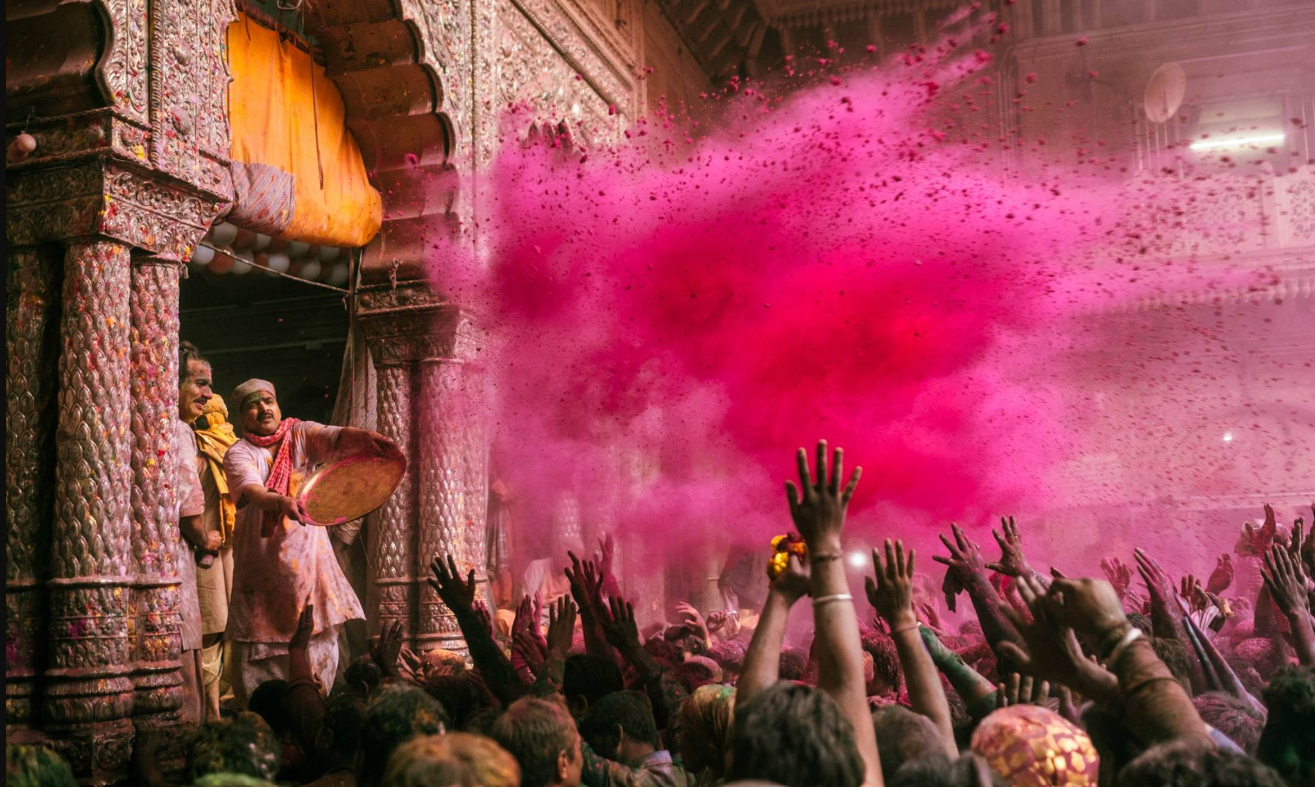
Holi 2026: When Devotion Meets Celebration
Holi 2026 arrives on Tuesday, March 3, bringing with it the timeless celebration of dharma’s victory over adharma, the playful love of Radha and Krishna, and the joyous arrival of Vasant Ritu. This year’s observance falls on a particularly auspicious day, allowing devotees to perform complete rituals with family and community.
Holi remains one of Sanatana Dharma’s most vibrant festivals, where sacred fire rituals of Holika Dahan merge with the colorful celebrations of Rangwali Holi. Whether you observe in the holy lands of Braj or in your own home, understanding the precise timings, rituals, and traditions ensures you receive the full spiritual benefit of this ancient festival.
This guide provides everything needed to observe Holi 2026 with complete devotion and traditional authenticity.
Holi 2026 Date and Auspicious Timings
Holi 2026 will be celebrated with Rangwali Holi (the main color festival) on Tuesday, March 3, 2026. However, the sacred rituals begin the evening before with Holika Dahan.
Complete Tithi and Muhurta Details:
Purnima Tithi Begins: 5:55 PM on March 2, 2026
Purnima Tithi Ends: 5:07 PM on March 3, 2026
Rangwali Holi: Morning of March 3, 2026, typically beginning after sunrise once families have applied Holika Dahan ash and visited temples for morning prayers.
The Purnima tithi spanning nearly 24 hours provides excellent opportunity for completing all rituals with proper devotion. Since Holi 2026 falls on Tuesday, ruled by Mangal (Mars), it adds warrior energy and courage to the festival, making it especially auspicious for burning away negative tendencies and ego.
Devotees should consult their local Panchang or temple priests for exact muhurta timings based on geographical location, as these can vary by region.
Significance of Holi 2026
Every Holi carries the eternal significance of Prahlada’s unwavering bhakti triumphing over Hiranyakashipu’s tyranny, the playful prema of Krishna coloring Radha and the gopis, and Kamadeva’s resurrection after being consumed by Shiva’s third eye. But observing Holi in 2026 holds special relevance for today’s devotees.
In our current times, when materialism pulls consciousness away from spiritual truths, Holi 2026 offers a powerful reminder that devotion creates an impenetrable shield around the sincere bhakta. Just as Prahlada remained protected despite sitting on the burning pyre, we too can remain unshaken by life’s trials when anchored in faith.
The festival teaches us to burn our ego, pride, jealousy, and other negative qualities in Holika Dahan’s sacred fire. The next morning’s colorful celebrations remind us that beyond our surface differences, all souls share the same divine essence. When Krishna colored Radha, he showed that in the realm of love and devotion, external appearances hold no meaning.
Holi also connects us to Prakriti’s rhythms. As Phalguna welcomes spring, we give thanks for the Rabi harvest that sustains our families. The new grains offered in Holika Dahan acknowledge our dependence on natural cycles and divine grace.
Observing Holi 2026 with traditional rituals, natural colors, and devotional consciousness transforms a social celebration into genuine sadhana. The festival breaks social barriers temporarily, reminding us that before Paramatma, all distinctions of caste, wealth, and status dissolve.
Learn Detailed Puja Vidhi with Sanskrit Mantras and Regional Traditions →
How to Observe Holi 2026: Complete Puja Vidhi and Guidelines
Holi 2026 on March 3 is the main festival day celebrating Radha-Krishna’s divine love through colors, bhajans, and community joy. Here’s how to observe this sacred day with traditional devotion.
Early Morning Rituals (March 3, 2026)
Wake before sunrise. Apply the sacred ash collected from previous evening’s Holika Dahan on your forehead and body for purification. This ash carries spiritual potency from the ritual fire and protects devotees throughout the day.
Bathe thoroughly using water mixed with a pinch of turmeric for additional purification. Wear fresh, clean clothes – preferably white or light colors that you don’t mind getting stained.
Morning Puja to Radha-Krishna
Before stepping out for color celebrations, perform puja at your home altar:
Essential Puja Items:
- Radha-Krishna idol or image
- Fresh flowers (preferably roses or marigolds)
- Agarbatti and dhoop
- Roli, chandan, kumkum
- Akshat (unbroken rice)
- Small bowl of natural gulal
- Traditional sweets prepared as bhog
- Water for abhishekam
- Bell and lamp for aarti
Puja Vidhi:
Light the lamp and incense. Sprinkle water around the altar for purification. Invoke Ganesha first: “Om Gam Ganapataye Namah” for obstacle-free celebration.
Perform abhishekam to Radha-Krishna with water or panchamrit (milk, curd, honey, ghee, sugar). Wipe dry and adorn with fresh clothes or decorative cloth.
Apply chandan and kumkum to the deities. Offer akshat and fresh flowers while chanting: “Om Radha-Krishnaya Namah”
Gently apply natural gulal to the deities’ feet, symbolizing the playful Holi lila. Offer the prepared sweets – gujiya, malpua, mathri – on a decorated thali.
Sing Krishna bhajans celebrating Holi, such as traditional Braj songs or “Jai Radhe Jai Radhe Jai Shri Radhe” kirtans. Perform aarti with ghee lamp, ringing the bell.
Offer prayers for family wellbeing, community harmony, and spiritual growth. Distribute the prasad to family members before beginning color play.
Temple Visit
After home puja, visit your local Krishna or Vishnu temple for community darshan and morning aarti. Many temples organize special Holi celebrations with:
- Extended Krishna abhishekam
- Phoolon ki Holi (flower celebrations)
- Community kirtan and bhajans
- Prasad distribution
Participate fully in these temple programs to deepen the devotional atmosphere of your Holi 2026 observance.
Color Play Guidelines
Return home and begin the joyous color celebrations:
Starting with Respect: First apply colors to elders’ feet as a mark of respect. Take their blessings before playing. This maintains the sacred hierarchy even in playful celebration.
Natural Colors Only: Use only plant-based colors made from:
- Palash flowers (red-orange)
- Turmeric (yellow)
- Neem leaves (green)
- Indigo (blue)
- Beetroot (purple)
These honor tradition, protect health, and respect the environment.
Playful Yet Mindful: Begin with dry gulal applied gently to faces. Progress to colored water if desired. Play joyfully but respect boundaries – never force colors on anyone who declines. Remember you’re celebrating Krishna’s playful lila with the gopis, not engaging in aggression.
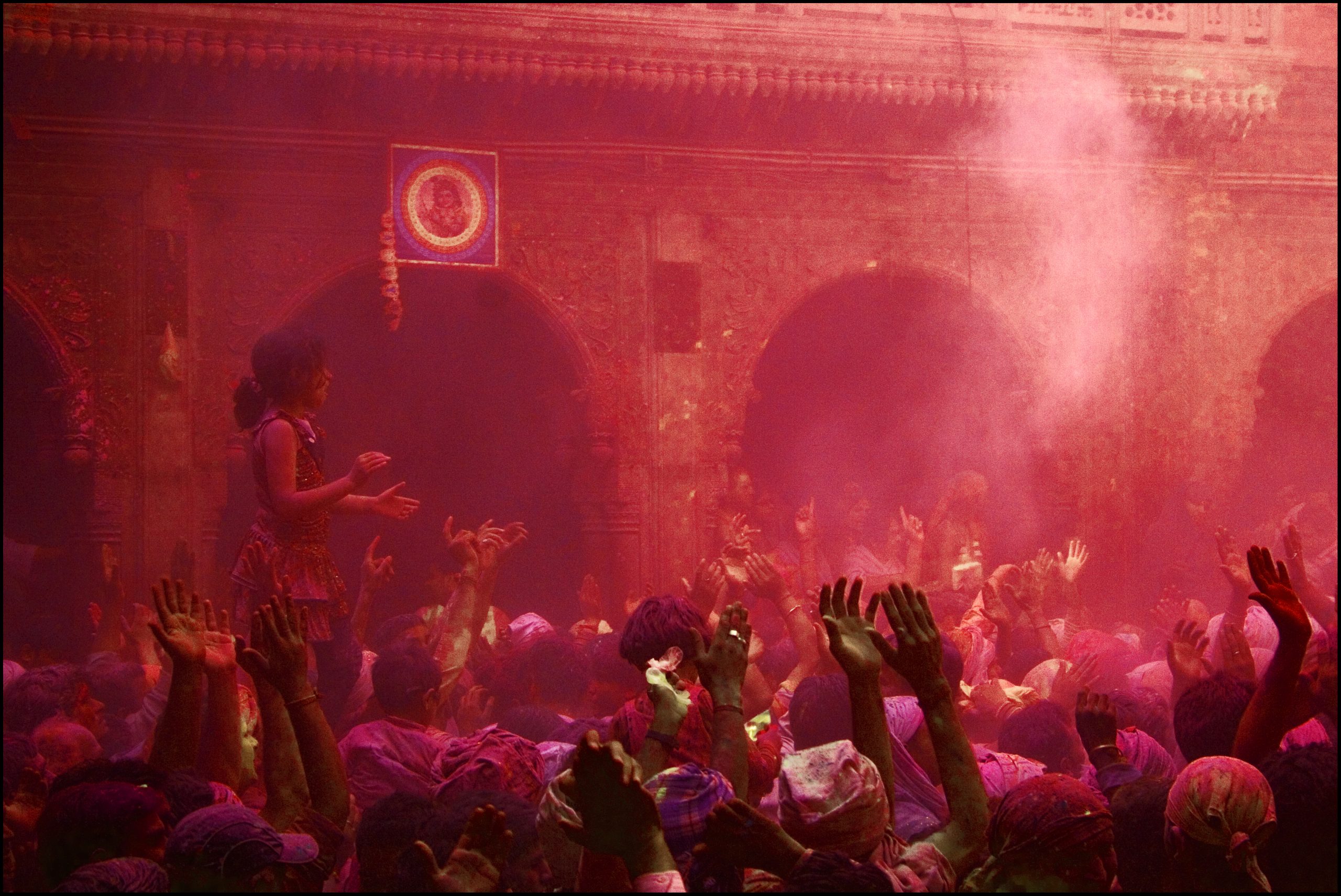
Community Celebrations
Visit neighbors, friends, and extended family throughout the day:
Exchange Sweets: Carry traditional sweets to share – gujiya, malpua, namkeens. Accept what others offer as prasad.
Seek Forgiveness: Use this sacred day to heal relationships. Approach those you’ve wronged, seek their forgiveness with sincere heart. Forgive those who hurt you, releasing past grudges.
Share Traditional Foods: Participate in community feasts. Share your prepared dishes, enjoy others’ offerings, maintaining the spirit of abundance and generosity.
Devotional Music: Join or organize bhajan sessions. Sing traditional Holi folk songs and Krishna kirtans. This keeps the celebration spiritually grounded rather than merely social.
Vrat (Fasting) Rules
No fasting on Holi 2026. This day celebrates abundance and joy through feasting. However, maintain sattvic consciousness:
- Avoid alcohol (traditional thandai with moderate bhang is culturally accepted in some regions but not mandatory)
- No tamasic foods like onion, garlic
- Eat prasad first before regular meals
- Practice moderation even in celebration
What to Offer as Bhog
Prepare these traditional items before color play begins:
Sweet Preparations:
- Gujiya (khoya-stuffed crescents) – minimum 11 pieces
- Malpua (sweet pancakes) with rabri
- Shakkarpara (diamond-shaped sweet)
- Mathri (flaky savory)
- Dahi vada
Drinks:
- Thandai (milk with almonds, saffron, cardamom)
- Lassi
Savory Items:
- Namkeens, chakli, murukku
- Kachori, samosa
Arrange beautifully on thali with flowers. Offer to Radha-Krishna with devotion. After aarti, this becomes prasad for family and distribution.
Evening Conclusion
As the day concludes:
- Bathe to remove colors
- Change into fresh clothes
- Light lamp at home altar
- Offer gratitude prayers to Radha-Krishna for a joyous celebration
- Reflect on the spiritual lessons: devotion’s power, unity in diversity, forgiveness, seasonal gratitude
Some families gather for Bhagavata Purana readings, focusing on Krishna’s Braj lilas. This connects the day’s celebrations back to their sacred origins.
Holi Puja Katha for 2026
The Holi Katha centers on two primary narratives that should be recited or listened to on this sacred day.
Prahlada and Holika Story:
Recite the complete story of how young Prahlada’s unshakable devotion to Vishnu protected him from all of Hiranyakashipu’s attempts to kill him. Detail how Holika took Prahlada onto the burning pyre confident in her fire-immunity boon, yet burned while the devotee remained safe. Conclude with Narasimha’s appearance at twilight on the threshold, destroying the demon king who thought himself invincible.
This katha teaches that no worldly power can harm one who has surrendered to Paramatma. It reinforces that divine protection is real and active for sincere devotees.
Radha-Krishna Katha:
Narrate how Krishna, insecure about his dark complexion compared to Radha’s fair skin, complained to mother Yashoda. She playfully suggested he color Radha’s face however he wished. Krishna took this literally and began the tradition of applying colors, first to Radha and then to all gopis of Vrindavan. This created the joyous celebration we continue today.
This katha emphasizes that in divine love, external appearances are meaningless. What matters is the purity of heart and depth of devotion.
Where Holi 2026 Will Be Celebrated Across Bharat
Braj Region – The Heart of Holi:
Holi 2026 celebrations in Mathura, Vrindavan, Barsana, and Nandgaon will be extraordinary. The week-long festivities begin days before March 3, with different villages celebrating on different days according to ancient tradition.
Barsana Lathmar Holi typically occurs a few days before Purnima, where women playfully beat men with sticks while men shield themselves, reenacting Radha’s friends chasing away Krishna and his cowherd companions.
Vrindavan’s Banke Bihari Temple hosts the famous Phoolon ki Holi (flower Holi) where priests throw flower petals instead of colored powder on devotees. The temple atmosphere becomes transcendental with continuous kirtan and the divine couple’s darshan adorned in spring colors.
Mathura’s Dwarkadhish Temple organizes elaborate programs with traditional folk performances, devotional music, and community color celebrations in the temple courtyard.
Temple Programs and Special Events:
Major ISKCON temples worldwide will organize Holi 2026 programs featuring Radha-Krishna abhishekam, kirtan, prasadam, and guided color celebrations. Check local temple websites for specific timings and programs.
Temples across Gujarat, Maharashtra, and South India may have special Kamadeva pujas and cultural programs highlighting regional traditions.
Home Celebration Guidelines for Holi 2026:
If unable to attend temple celebrations, create meaningful observance at home:
Establish a small altar with Radha-Krishna images or idols. Offer flowers, incense, and traditional sweets. Sing bhajans celebrating Krishna’s Holi lila.
Prepare natural colors from flower petals, turmeric, and other plant sources. Play Holi with family in your home’s courtyard or garden.
Prepare traditional foods together as a family. This cooking itself becomes an offering when done with devotional consciousness.
Visit neighbors and exchange sweets. Use the occasion to heal any strained relationships in your community.
Explore Full Regional Celebrations and Temple Traditions →
Benefits of Observing Holi and Rituals in 2026
Religious Benefits:
Observing Holi 2026 with traditional rituals maintains the unbroken chain of sankalpa that has continued for thousands of years. We honor our ancestors who celebrated this festival and strengthen dharma for future generations.
The festival deepens our understanding of bhakti’s power. Prahlada’s story is not mere mythology but a living truth – devotion truly does create divine protection.
Astrological Benefits:
Phalguna Purnima carries special lunar energy that supports letting go of the past and embracing new beginnings. The full moon amplifies intentions set during rituals.
Performing fire rituals on this day appeases planetary afflictions, particularly those related to Mars (since Holi 2026 falls on Tuesday, Mars’s day). The combined energies create powerful momentum for personal transformation.
Offering new grains acknowledges agricultural cycles and aligns us with natural abundance, inviting prosperity into our homes.
Do’s and Don’ts for Holi 2026
Essential Do’s:
Do use only natural, plant-based colors. Protect your skin, environment, and honor tradition simultaneously.
Do apply Holika Dahan ash this morning before beginning celebrations. This connects the spiritual and festive dimensions.
Do wear old, comfortable clothes made from natural fibers that you don’t mind getting stained.
Do visit temples early on March 3 for darshan before color play begins.
Do seek forgiveness from those you have wronged and forgive those who have hurt you. This spiritual cleansing is Holi’s true purpose.
Do prepare traditional foods and share them generously with neighbors, especially those who are elderly or alone.
Do conserve water. Play primarily with dry colors or minimal water. Remember that water scarcity affects many regions.
Do sing devotional bhajans and folk songs celebrating Krishna’s lila. Keep the spiritual atmosphere alive.
Do supervise children closely during both bonfire and color celebrations to ensure safety.
Important Don’ts:
Don’t use synthetic chemical colors that cause skin irritation, allergies, and environmental pollution. These violate the spirit of a festival celebrating nature’s renewal.
Don’t force colors on anyone who declines to participate. Respect boundaries even in celebration.
Don’t waste excessive water. Our dharma includes environmental stewardship.
Don’t consume alcohol or excessive bhang. While bhang has traditional ceremonial use, overconsumption leads to loss of consciousness that contradicts devotional awareness.
Don’t use Holi as excuse for inappropriate behavior toward women. The festival celebrates divine love, not license for harassment.
Don’t throw colors on animals. They cannot understand or consent to this play.
Don’t use balloons or water guns filled with muddy or dirty water. Keep celebrations clean and dignified.
Don’t play rough or aggressive Holi. The festival commemorates love and devotion, not violence.
Don’t forget to collect and properly dispose of color waste. Keep community spaces clean.
Don’t neglect the spiritual rituals in favor of only social celebration. The external colors mean nothing without inner transformation.
Frequently Asked Questions About Holi 2026
When exactly is Holi 2026 celebrated?
Holi 2026, the main color festival known as Rangwali Holi or Dhulandi, falls on Tuesday, March 3, 2026. Celebrations begin early morning after devotees apply sacred ash from the previous evening’s Holika Dahan, visit temples, and perform Radha-Krishna puja at home.
What is the best time to start playing colors on Holi 2026?
Begin color play after completing morning rituals – typically between 8:00 AM to 10:00 AM. First apply ash, bathe, visit temple for darshan, return home for puja, offer bhog to Radha-Krishna, and then start celebrations. Most communities play colors from mid-morning until early afternoon, avoiding the hottest part of the day.
Which natural colors should we use for Holi 2026?
Use only plant-based colors: palash (tesu) flowers for red-orange, turmeric for yellow, neem leaves for green, indigo for blue, beetroot for purple. Mix these with rice flour or cornstarch for safe dry gulal. Avoid synthetic chemical colors that harm skin and environment. Many organic color brands now offer pre-made natural options.
What puja should be performed on Holi 2026 morning?
Perform Radha-Krishna puja at home before color play. Apply chandan and kumkum to deities, offer fresh flowers and akshat, gently apply natural gulal to their feet symbolizing the Holi lila, offer traditional sweets as bhog, sing Krishna bhajans, and perform aarti. This connects the playful celebration to its devotional roots.
Is fasting required on Holi 2026?
No fasting on Holi 2026. The festival celebrates abundance through feasting. Prepare traditional foods, offer them to Radha-Krishna as bhog, then enjoy as prasad with family and community. However, maintain sattvic consciousness by avoiding tamasic foods and excessive consumption.
What traditional foods should be prepared for Holi 2026?
Essential preparations include gujiya (khoya dumplings), malpua (sweet pancakes), mathri (savory flaky biscuits), shakkarpara, dahi vada, and thandai (spiced milk drink). Prepare these before morning puja, offer as bhog to Radha-Krishna, then distribute as prasad throughout the day while visiting family and neighbors.
Can we play Holi if we don’t want to use colors?
Yes, you can participate meaningfully without colors. Attend temple celebrations, participate in bhajan singing, share traditional foods, visit family to exchange sweets, seek and offer forgiveness, and join community gatherings. Some temples celebrate Phoolon ki Holi using flower petals instead of powder. The festival’s essence lies in devotion, forgiveness, and community joy, not just colors.
How should children celebrate Holi 2026?
Children should participate in morning puja to learn rituals. Use only natural colors on their sensitive skin. Supervise closely during play to ensure gentle, respectful interaction. Teach them the stories of Krishna’s Holi lila with Radha and the gopis. Involve them in preparing traditional sweets. This builds cultural connection and devotional understanding from young age.
What is the significance of applying colors to elders first?
Starting color play by applying gulal to elders’ feet maintains dharmic respect even during playful celebration. This honors the guru-shishya and parent-child hierarchy that structures Hindu society. Taking blessings from elders before beginning ensures the celebration remains spiritually grounded and auspicious.
Should we visit temples on Holi 2026?
Yes, temple visit is essential for proper observance. Go early morning for Krishna darshan and special Holi aarti. Many temples organize extended programs with abhishekam, kirtan, phoolon ki Holi, and prasad distribution. This devotional atmosphere sets the right consciousness before social celebrations begin. ISKCON and Vaishnava temples particularly have elaborate Radha-Krishna Holi programs.
How can we make Holi 2026 more devotional and less just a party?
Focus on spiritual elements: perform complete morning puja with bhajans, listen to or recite Holi katha about Krishna’s lila, maintain awareness that color play honors divine love not mere entertainment, sing devotional songs during celebrations rather than only film music, actively practice forgiveness and reconciliation, share food as prasad not just snacks, and conclude the day with gratitude prayers and scripture reading.
What is the proper way to apply colors on Holi 2026?
Begin with dry gulal applied gently to faces using fingers, not forceful throwing. Apply colors to elders’ feet first in respect. For friends and family, apply to cheeks or forehead with affection. If using colored water, spray gently or pour from above, avoiding eyes and mouth. Always ask permission and respect those who decline. Remember this celebrates Krishna’s gentle, loving play with devotees.
Can married daughters visit parents on Holi 2026?
Yes, Holi is an excellent occasion for married daughters to visit their parental homes. The festival emphasizes family bonds and reconciliation. Many traditions encourage visiting extended family throughout the day to strengthen relationships. Exchange sweets, play colors together, and celebrate family unity.
What should we do with colored water after Holi 2026?
Use colored water to water plants rather than wasting it down drains. Natural plant-based colors won’t harm vegetation and conserves water. Avoid letting synthetic colors enter water systems. Clean courtyards and streets promptly to keep community spaces beautiful. This environmental consciousness honors dharma’s principle of respecting Prakriti.
How late can we play colors on Holi 2026?
Traditional practice suggests completing color play by early afternoon (around 2:00-3:00 PM). This allows everyone time to bathe, change, rest, and prepare for evening prayers. Some communities continue with bhajan sessions and food sharing into evening, but the active color throwing typically concludes by mid-afternoon to maintain dignity and allow proper closure to celebrations.
Conclusion: Embracing Holi 2026 with Devotion and Joy
Holi 2026 arrives on Tuesday, March 3, bringing the joyous celebration of Rangwali Holi that commemorates Krishna’s playful lila with Radha and the gopis in Vrindavan. Devotees wake early to apply sacred ash, visit Krishna temples for morning darshan, perform Radha-Krishna puja at home, and then begin colorful festivities using natural gulal made from flowers and turmeric.
The true essence of Holi 2026 lies in balancing joyous play with devotional consciousness, maintaining awareness that this celebration honors Krishna’s divine love through every colored embrace and shared sweet. Communities gather for bhajan singing, kirtans celebrating Braj traditions, and visiting extended family throughout the day to strengthen bonds and exchange blessings.
By evening, as colors wash away, Holi’s lessons remain: devotion creates divine protection, love transcends superficial differences, and community joy itself becomes worship when offered with pure hearts to Radha and Krishna.
Jai Shri Krishna! Jai Shri Radhe!