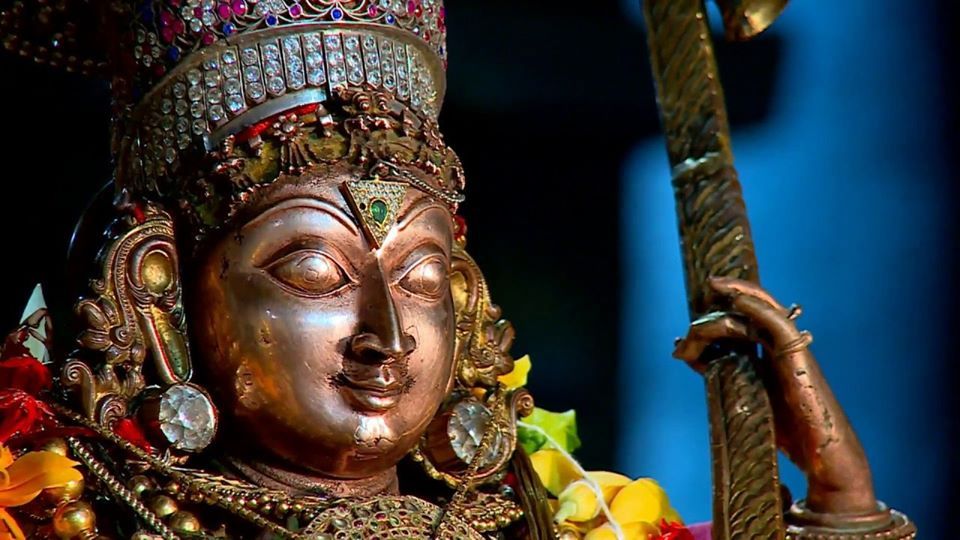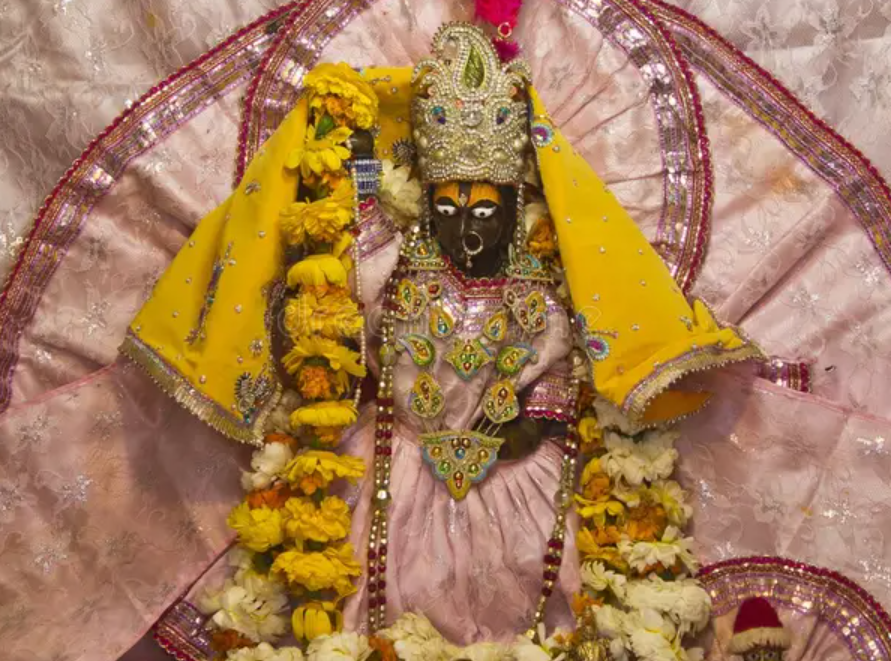
Kamada Ekadashi: The Sacred Vrat That Fulfils All Desires and Destroys All Sins
Kamada Ekadashi is one of the most auspicious Ekadashis in the Hindu calendar, observed on the eleventh lunar day of Shukla Paksha in the month of Chaitra. It falls as the first Ekadashi after the Hindu new year and marks the beginning of a spiritually charged season. Devotees across India and the world observe a strict fast on this day, worship Bhagawan Vishnu with complete devotion, and seek the fulfilment of sincere desires.

What Is Kamada Ekadashi
The name Kamada comes from Sanskrit. Kama means desire or wish, and da means one who gives or grants. Kamada therefore means the one who fulfils all desires. This Ekadashi is so named because observing it with sincere devotion and proper fasting fulfils the material and spiritual desires of the devotee.
It is also known in some regions as Chaitra Shukla Ekadashi, distinguishing it by its position in the lunar calendar. In Vaishnava circles, it holds special reverence as it arrives at the opening of the new year, setting the spiritual tone for the months ahead.
The origin of this Ekadashi is narrated in the Varaha Purana and is also found in the Padma Purana. Bhagawan Krishna narrated the glory of this Ekadashi to Arjuna during the time of the Mahabharata. The same story had earlier been narrated by Maharishi Vashishtha to King Dilip. This chain of transmission from sage to king to devotee reflects how deeply embedded this vrat is in the Vedic tradition.
In the Hindu lunar calendar, Chaitra is the first month of the new year. The Shukla Paksha Ekadashi of Chaitra therefore carries the energy of new beginnings, fresh resolve, and divine blessings. Coming immediately after Chaitra Navratri and Ram Navami, it arrives at a time when the spiritual atmosphere is already charged with bhakti and devotion.
Tithi and Timing
Kamada Ekadashi falls on the Ekadashi tithi, the eleventh lunar day, in Shukla Paksha, the fortnight of the waxing moon, in the month of Chaitra. According to the Gregorian calendar, this generally falls between late March and mid-April.
The Ekadashi tithi is considered especially sacred in Hindu tradition. Among all the tithis in a lunar month, Ekadashi holds the highest spiritual value for Vaishnava devotees. Bhagawan Vishnu is said to be most accessible to his devotees on this day.
The fast begins at sunrise on the Ekadashi day and the breaking of fast, known as parana, happens on the following morning, Dwadashi, after sunrise and after the Ekadashi tithi has ended. The most auspicious time for puja is the Brahma muhurta, the period approximately ninety minutes before sunrise, and then again during the morning hours after the ritual bath.
The nakshatra ruling the day varies year to year. When auspicious nakshatras such as Rohini, Hasta, Pushya, or Revati align with Ekadashi, the merit of the fast increases significantly. Devotees who consult a local panchang for the exact muhurta gain clarity on when to begin and conclude various ritual steps.
Astrological Significance of Kamada Ekadashi
From a Jyotish perspective, Chaitra Shukla Ekadashi holds considerable importance. The month of Chaitra corresponds to the period when the Sun transits through Meena or moves into Mesha. This solar transition brings with it a natural renewal of energy and spiritual clarity.
The waxing moon during Shukla Paksha strengthens mental resolve and devotional focus. When the Ekadashi tithi coincides with this phase, the mind becomes naturally inclined toward introspection, prayer, and surrender. Astrologers consider this combination highly favourable for mantra japa and sankalpa.
If auspicious yogas such as Amrita Siddhi Yoga or Sarvartha Siddhi Yoga are present on this day, as noted in regional panchangs, then any vow taken and any mantra chanted carries extraordinary potency. The siddhi of Vishnu Gayatri japa on such a yoga is said to yield results that would otherwise take years of practice.
For those experiencing malefic effects of Shani, Rahu, or Ketu in their birth chart, fasting on Kamada Ekadashi is considered a powerful remedial measure. The punya accumulated through the vrat neutralises graha doshas and restores harmony in one’s karmic trajectory.
Devotees belonging to Vrishchika, Makara, and Meena rashis often find particular benefit in this observance, as the Vishnu kripa invoked through this vrat aligns with the planetary needs of these signs. However, the scriptures make clear that this vrat benefits all rashis without discrimination. No rashi is excluded from the grace of Bhagawan Vishnu.
Religious Significance of Kamada Ekadashi
The religious significance of Kamada Ekadashi is vast and deeply rooted in Puranic literature. The Varaha Purana records that Bhagawan Krishna himself declared this Ekadashi to be the destroyer of all sins. He compared its purifying power to fire. Just as fire reduces wood to ash completely, Kamada Ekadashi reduces the accumulated sins of a devotee to nothing.
The Padma Purana expands on this by narrating the origin of Ekadashi herself as a shakti born from Bhagawan Vishnu to assist in vanquishing demonic forces. This gives Ekadashi a living, divine presence in Vaishnava theology. She is not merely a tithi on the calendar but a form of divine energy.
Among all the twenty-four Ekadashis observed through the year, Kamada Ekadashi holds a special position because of its association with desire fulfilment. Most fasts in Hindu tradition focus on renunciation or atonement. This one uniquely combines both, allowing the devotee to seek fulfilment of sincere wishes while simultaneously burning away karmic impurities.
The phala-shruti of this vrat as declared in the Puranas is remarkable. Sins equivalent to Brahmahatya, the gravest of sins in Vedic classification, are said to be destroyed by the merit of this fast. Curses imposed by kings, sages, or elders are lifted. Demonic influences tormenting a family or individual are removed. The devotee is freed from the cycle of lower births and eventually attains Vishnu Loka.
For Vaishnava sampradayas, this Ekadashi is central to the bhakti calendar. ISKCON temples across the world observe it with great fervour, emphasising the burning of sins and the power of Vishnu’s grace. In Smarta and broader Hindu households, it is observed as a general Vishnu vrat with complete dedication.
Which Form of Bhagawan Is Worshipped
Bhagawan Vishnu is the presiding deity of Kamada Ekadashi. He is worshipped in his form as Pundarikaksha, the lotus-eyed one. This name itself appears in the Vrat Katha when Lalita prays before the Vasudeva murti and addresses Bhagawan as Pundarikaksha while transferring the merit of her fast to her husband.
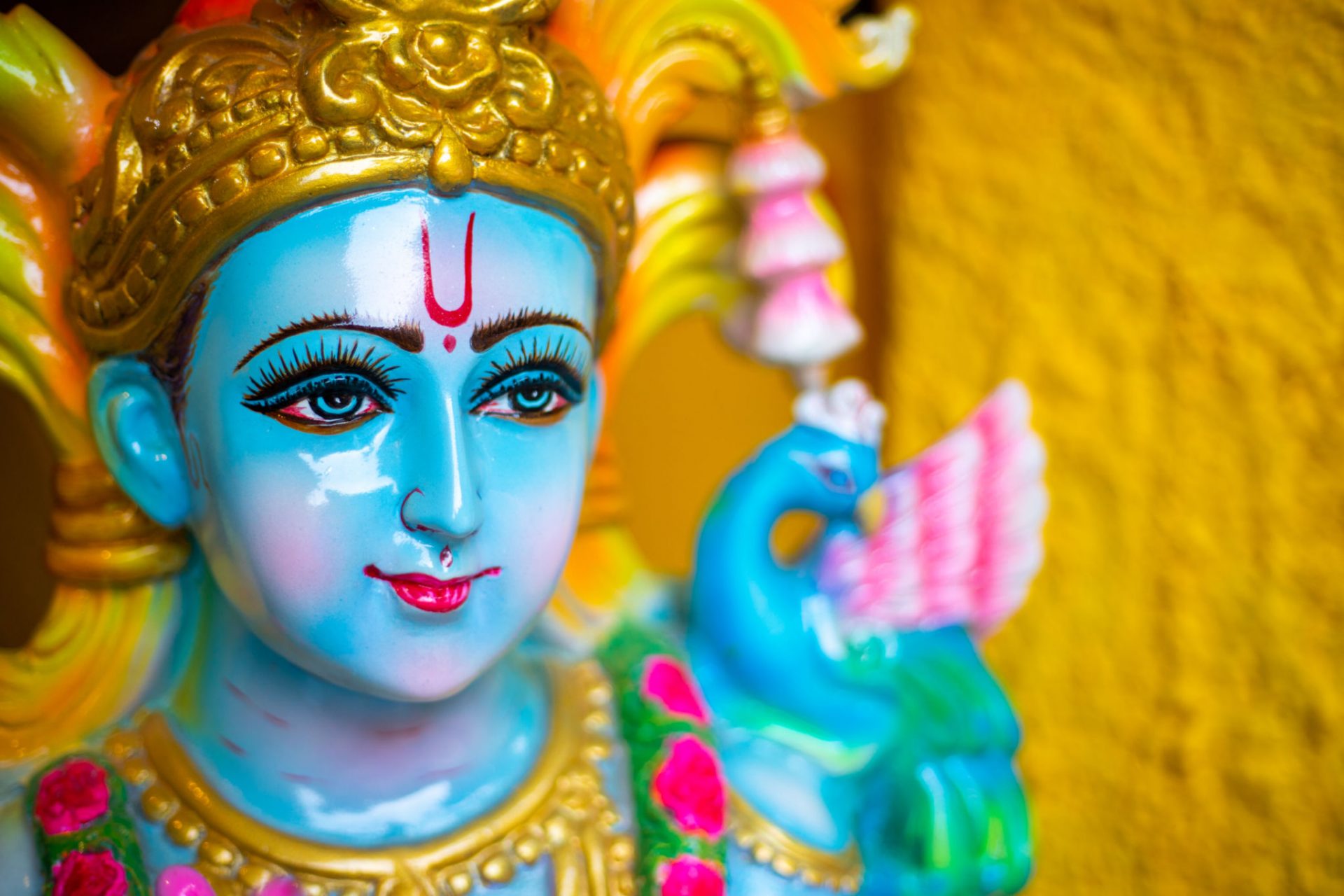
In most temples and households, Bhagawan Vishnu is worshipped in his Krishna avatar on this day. The Varaha Purana account involves Krishna narrating the glory of this Ekadashi, and the city where the story is set had citizens devoted to Krishna worship. This connection has made Krishna the primary form worshipped by most devotees on Kamada Ekadashi.
In Vaishnava temples, Bhagawan is adorned with yellow garments and flower garlands. Tulsi is considered non-negotiable in this worship. The scriptures specifically state that Bhagawan Vishnu does not accept any offering that is not accompanied by tulsi. A single tulsi leaf offered with genuine bhakti carries more merit than elaborate offerings made without it.
In the Jagannath tradition of Odisha, this Ekadashi is associated with special rituals known as Chakrabula Niti and Ekadashi Bedha, involving distinct processional customs. The regional variations reflect the cultural richness of Vishnu worship across India, all centred on the same divine grace.
Ekadashi Devi, considered a shakti of Bhagawan Vishnu, is also acknowledged in this tradition. She is the divine force through which the vrat operates to destroy sin and grant boons.
The Sacred Katha of Kamada Ekadashi
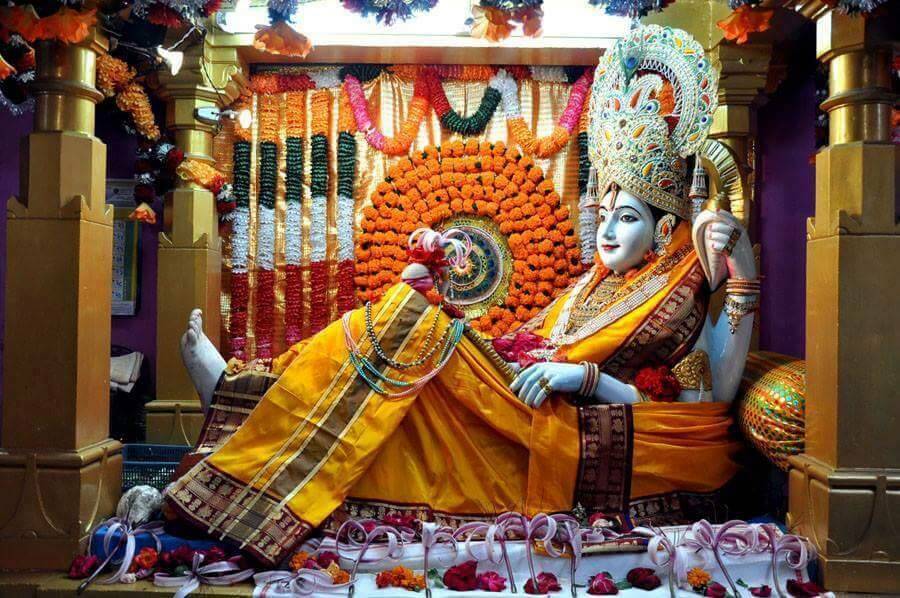
The vrat katha of Kamada Ekadashi is one of the most moving stories in all of Puranic literature. It is a story about love, consequence, devotion, and redemption.
In ancient times there was a prosperous city called Ratnapura, also referred to in some versions as Bhagipur. It was ruled by the noble king Pundarika and was adorned with great wealth and beauty. Among its residents were a Gandharva couple named Lalit and Lalita. They were deeply in love and were known for their extraordinary skill in music and song. Lalit served as a court singer before King Pundarika.
One day, while Lalit was singing in the royal assembly, his mind drifted to Lalita, who was absent from the court. This momentary distraction caused him to make errors in his performance. A Naga named Karkotaka noticed this and immediately complained to the king. Pundarika, enraged by this disrespect, cursed Lalit on the spot. He condemned him to become a terrifying rakshasa. In an instant, Lalit’s divine form vanished. His body grew eight yojanas long, his neck became like a mountain peak, his arms extended two yojanas, his eyes blazed like the sun and moon, flames poured from his mouth, and his nose opened like a cave in a cliff.
This creature wandered through dense forests, committing sinful acts out of its nature. Lalita, daughter of the Gandharva Veerdhanva, could not abandon her husband in this condition. She followed him through those forests, weeping and searching for a way to free him from this curse.
One day she came to the Vindhyachal mountain and found the ashram of Shringi Muni. She prostrated before the sage and told him everything. She asked him with tearful humility how she could free her husband from his demonic form.
Sage Shringi told her about Kamada Ekadashi. He instructed her to observe the vrat of Chaitra Shukla Ekadashi with full devotion and then transfer the merit of her fast to her husband. He assured her that this vrat had the power to destroy all sins and lift all curses.
Lalita observed the fast exactly as instructed. On the Dwadashi day, she stood before the Vasudeva murti in the presence of Brahmins and prayed with folded hands. She declared aloud that the entire merit of her Ekadashi vrat be transferred to her husband Lalit so that he may be freed from the curse of King Pundarika.
The moment this declaration was made, Lalit’s demonic form dissolved. He stood before her again in his divine Gandharva form, more radiant than before. Together, Lalit and Lalita ascended to Vishnu Loka on a Pushpaka Vimana, the divine aerial vehicle, where they attained eternal residence in the abode of Bhagawan Vishnu.
The deeper meaning of this story is significant. Lalit’s distraction from duty was not malicious. It came from love. But even well-intentioned lapses carry consequences. The story teaches that no curse is permanent in the face of sincere bhakti. More importantly, it teaches the power of punya dana, the transfer of merit. Lalita did not accumulate the merit of the fast for herself. She gave it entirely to her suffering husband. This selfless act, combined with the extraordinary power of the Ekadashi vrat, moved Bhagawan Vishnu to act immediately.
Complete Puja Vidhi
Preparation the Previous Evening
On Dashami, the day before Ekadashi, devotees should take a light meal before sunset. Avoid grains in the evening meal if possible. Maintain celibacy and keep the mind focused on Bhagawan Vishnu. Cleanse the puja area and prepare the required materials.
Morning Purification on Ekadashi Day
Wake before sunrise, ideally during Brahma muhurta. Brush teeth and go for a bath in a river, tank, or at home. While bathing, chant the Mrttike mantra invoking the earth to cleanse sin: Om Asvakrante Rathakrante Vishnukrante Vasundhara Mrttike Hara me Paapam yad Vishnu Loke Gatim Labhe.
Altar Setup
Place a clean cloth, preferably yellow, on the puja platform. Arrange the murti or image of Bhagawan Vishnu or Krishna at the centre. Place a small pot of water with tulsi leaves next to the murti. Light a ghee lamp and incense.
Ritual Steps
- Achamana: Sip water three times while chanting Om Achyutaya Namah, Om Anantaya Namah, Om Govindaya Namah.
- Pranayama: Perform three rounds of controlled breathing to steady the mind before beginning the vrat sankalpa.
- Sankalpa: With water in hand, declare your intention aloud. State your name, gotra, location, and the purpose of the vrat. Conclude the sankalpa by releasing the water into the puja plate.
- Dhyana: Meditate on the form of Bhagawan Vishnu, visualising his four arms, conch, chakra, mace, and lotus, his lotus eyes, his yellow garments, and the Kaustubha jewel on his chest.
- Avahana: Invite Bhagawan Vishnu to be present in the murti with folded hands and a brief invocation mantra.
- Panchamrit Abhishek: Bathe the murti with milk, curd, honey, ghee, and mishri while chanting Om Namo Narayanaya.
- Shuddhodaka Snan: Bathe again with clean water and wipe with a soft cloth.
- Vastra: Offer yellow cloth or a yellow thread as garment.
- Gandha: Apply sandalwood paste to the murti.
- Pushpa: Offer fresh flowers. Tulsi must be included. Yellow flowers are especially preferred.
- Dhupa: Offer incense while chanting.
- Deepa: Wave the ghee lamp in a circular motion before Bhagawan.
- Naivedya: Offer fruits, kheer, besan laddus, or other satvik preparations. Avoid onion, garlic, and non-satvik items entirely.
- Vishnu Sahasranama Patha: Recite the thousand names of Bhagawan Vishnu. This is one of the most important parts of the Kamada Ekadashi observance.
- Aarti: Conclude with full aarti, the waving of the lamp, followed by pradakshina and prostration.
Night Vigil
Stay awake through the night chanting Bhagawan’s names, singing bhajans, and listening to the Vrat Katha. The jagran on Kamada Ekadashi night greatly enhances the merit of the vrat.
Vrat Observance
Types of Fasting
Nirjala vrat means complete abstinence from both food and water throughout the Ekadashi day. This is the strictest form and carries the greatest merit. It is recommended for those who are physically able.
Phalahar vrat allows fruits, milk, sabudana preparations, potatoes, sendha namak, and singhara flour. This is widely observed and is appropriate for most devotees.
Partial fasting means abstaining from grains and cooked food while consuming specific permitted items. Some devotees in certain traditions abstain only from rice.
Who Can Observe
All Hindus, regardless of gender, age, or caste, can observe this vrat. Married couples should observe brahmacharya on this day. Pregnant women, the seriously ill, and the very elderly may modify the fast according to their capacity. Even partial observance or listening to the Vrat Katha on this day yields significant merit.
Sankalpa Mantra
At the time of sankalpa, the devotee should say clearly: I am observing the Kamada Ekadashi vrat in Chaitra Shukla Paksha to seek the grace of Bhagawan Vishnu, for the removal of my sins, the fulfilment of my desires, and the welfare of my family.
Daytime Practices
Chant Om Namo Bhagavate Vasudevaya throughout the day. Read or listen to the Vrat Katha. Visit a Vishnu or Krishna temple if possible. Spend time in kirtan, bhajan, or quiet japa.
Parana
On the Dwadashi morning after sunrise, once the Ekadashi tithi has ended, break the fast. Before eating, offer water and flowers to Bhagawan and chant: O Pundarikaksha, lotus-eyed one, now I eat. Grant me your shelter and grace. Then take charanamrit and have your first meal. Invite Brahmins or the needy to eat before yourself if possible.
Where the Festival Is Celebrated
North India
In Varanasi, Ayodhya, Mathura, and Vrindavan, Kamada Ekadashi is observed with great enthusiasm. Mathura and Vrindavan, being the land of Bhagawan Krishna, naturally hold special celebrations. Temples conduct elaborate abhishekams, kirtans lasting through the night, and mass prasad distribution.
South India
Vaishnava temples in Tamil Nadu, Andhra Pradesh, Telangana, and Karnataka observe this Ekadashi as part of their regular Ekadashi calendar. The Divya Desams conduct special puja sequences on all Ekadashi days. Tirupati and other significant Vishnu temples of the region see large gatherings on this day.
East India
In Odisha, the Jagannath tradition adds unique dimensions to Ekadashi observance with the Chakrabula Niti and Ekadashi Bedha customs. Puri becomes a major centre of devotion. Bengal also has a strong Vaishnava tradition through the Chaitanya Mahaprabhu lineage, and Ekadashi is observed strictly in those sampradaya communities.
West India
Dwarka, one of the Char Dham, is a major centre of Vishnu worship on this day. ISKCON temples in Mumbai, Pune, and Ahmedabad conduct special programmes with Vishnu Sahasranama, havan, and community kirtan.
Central India
Ujjain and other pilgrimage centres of Madhya Pradesh observe Kamada Ekadashi with temple rituals and community puja gatherings.
Hindu Diaspora
ISKCON temples globally observe Kamada Ekadashi with rigour, maintaining the Vaishnava standard of nirjala or phalahar fasting, night vigil, and katha. Communities in the United States, United Kingdom, Australia, Canada, and across Southeast Asia gather at their local temples and homes to observe this vrat together, maintaining the tradition far from their homeland.
Remedies and Charity on Kamada Ekadashi
Astrological Remedies
For those suffering from Pitru Dosha, observing the Kamada Ekadashi fast and donating food to Brahmins is an effective remedy. For those with Rahu or Ketu afflictions, donating black sesame seeds or coconut on this day after the fast is beneficial. For Shani-related difficulties, donating mustard oil or feeding the poor on Ekadashi day brings relief.
Dana and Charity
Anna dana, the gift of food, is considered the highest charity on Kamada Ekadashi. Feeding Brahmins, the poor, and the hungry earns merit that protects the giver across many lifetimes.
Feeding cows is highly recommended on this day. Donating yellow cloth to a Vishnu temple is also considered meritorious. Some devotees donate peacock feathers, turmeric, or a flute as offerings connected to Bhagawan Krishna.
Offering seva at a Vishnu temple in the form of cleaning, garland making, or lamp service earns the devotee a special place in Bhagawan’s grace.
Do’s on Kamada Ekadashi
- Wake early and bathe before sunrise
- Observe fast sincerely according to capacity
- Chant Vishnu mantras and read the Vrat Katha
- Stay awake at night in bhajan and kirtan
- Donate food and yellow cloth
- Maintain brahmacharya
Don’ts on Kamada Ekadashi
- Avoid rice, grains, and cooked food if fasting
- Avoid onion, garlic, meat, and non-satvik food
- Avoid idle conversation, anger, and harsh speech
- Avoid sleeping during the daytime
- Married couples should avoid conjugal relations
Frequently Asked Questions
What is Kamada Ekadashi? Kamada Ekadashi is the Ekadashi observed on the eleventh lunar day of Shukla Paksha in the month of Chaitra. It is the first Ekadashi of the Hindu new year and is dedicated to Bhagawan Vishnu. The name means the Ekadashi that grants all desires.
Why is Kamada Ekadashi celebrated? It is observed to fulfil sincere desires, destroy accumulated sins, remove curses, and seek the grace of Bhagawan Vishnu. The Puranas declare that no other fast equals it in its power to purify the soul and grant liberation.
Which deity is worshipped on Kamada Ekadashi? Bhagawan Vishnu is the presiding deity. He is worshipped in his form as Pundarikaksha, the lotus-eyed one, and in many regions he is worshipped specifically in his Krishna avatar.
What is the story behind Kamada Ekadashi? The Vrat Katha narrates the story of the Gandharva couple Lalit and Lalita. Lalit was cursed to become a demon by King Pundarika. His wife Lalita observed the Kamada Ekadashi vrat on the advice of Sage Shringi and transferred her merit to him, freeing him from the curse. Both then attained Vishnu Loka.
What is the religious importance of this Ekadashi? It is described in the Varaha Purana and Padma Purana. Its merit destroys sins equivalent to Brahmahatya, lifts family curses, removes demonic influences, and eventually grants the devotee passage to Vishnu Loka.
What is the astrological significance of Kamada Ekadashi? It falls during a period of significant solar and lunar energy in Chaitra. When auspicious yogas coincide with this tithi, mantra japa and sankalpa carry extraordinary power. The fast neutralises graha doshas and strengthens planetary harmony for the devotee.
What are the fasting rules for Kamada Ekadashi? Devotees may observe nirjala vrat (no food or water), phalahar vrat (fruits and milk only), or partial fasting (avoiding grains). Onion, garlic, rice, and non-satvik items must be avoided by all, even those not fully fasting.
What are the puja steps for Kamada Ekadashi? The puja includes an early bath, sankalpa, Panchamrit abhishek, offering of tulsi and yellow flowers, Vishnu Sahasranama recitation, naivedya of satvik food, aarti, and night vigil with bhajans and katha.
Can elderly or sick people observe the vrat? Yes. Those who cannot observe strict fasting may do phalahar fasting or simply listen to the Vrat Katha with devotion. Bhagawan Vishnu accepts the sincere intention of every devotee. Capacity should be respected and the vrat adjusted accordingly.
How is Kamada Ekadashi observed in temples? Temples conduct special abhishekam, Vishnu Sahasranama patha, bhajan kirtan through the night, and prasad distribution on Dwadashi morning. Jagannath temples in Odisha follow distinct processional customs. ISKCON temples worldwide hold community programmes.
What charity should one do on Kamada Ekadashi? Anna dana, feeding Brahmins and the poor, is the primary charity. Feeding cows, donating yellow cloth to a Vishnu temple, and offering seva at the temple are all meritorious acts on this day.
Can the merit of Kamada Ekadashi fast be transferred to another person? Yes. The Vrat Katha itself demonstrates this through Lalita’s act of transferring her merit to Lalit. This punya dana, the gift of merit, is a recognised practice in the Vaishnava tradition.
What is the parana timing for Kamada Ekadashi? The fast is broken on Dwadashi morning after sunrise, once the Ekadashi tithi has ended. Devotees should check the local panchang for the exact parana window. Breaking the fast outside this window is considered improper.
What mantras should be chanted on Kamada Ekadashi? Om Namo Bhagavate Vasudevaya is the central mantra, chanted 108 times or more. The Vishnu Gayatri mantra, Vishnu Sahasranama, and Hari Stotram are also chanted on this day.
Is Kamada Ekadashi connected to the Hindu new year? Yes. It falls as the first Ekadashi after the Hindu new year in Chaitra. This makes it especially significant as a spiritually powerful beginning to the new year, a day to set prayerful intentions for the months ahead.
Conclusion
Kamada Ekadashi stands among the most powerful vrats in the Vaishnava tradition, carrying within it the promise of divine grace that is rarely found in ordinary devotional practice. It arrives at the start of the new year as though Bhagawan Vishnu himself is placing before every devotee an open doorway to liberation, wish fulfilment, and spiritual renewal.
The story of Lalit and Lalita is not merely a tale from ancient times. It is a living truth that reflects what happens when a soul surrenders completely to the grace of Bhagawan. Lalita did not waver. She did not negotiate with the divine. She simply observed the vrat with complete faith, gave away her entire accumulated merit without reservation, and trusted Bhagawan to act. And He did.
Every devotee who fasts on Kamada Ekadashi, who stays awake through the night in His name, who offers even a single tulsi leaf with genuine bhakti, is participating in that same sacred exchange. The sins of many lifetimes are reduced to ash. Curses are dissolved. Graha doshas are quieted. And the heart, having surrendered its burdens at the feet of Pundarikaksha, is made light enough to ascend.
This is the grace of Kamada Ekadashi. Observe it with faith, observe it with love, and trust that Bhagawan Vishnu, the eternal preserver, the lotus-eyed remover of all suffering, will not leave any sincere devotee’s prayer unanswered.
Om Namo Bhavagate Vasudevaya!
Help Us Keep This Guide Accurate
At Temple Connect, we regularly update our content to ensure you receive the most relevant and authentic information. If you’d like to suggest improvements, share regional traditions, or report any updates, we’d love to hear from you at connect@templeconnect.com
Follow us on our X platform.
Note to Readers: This article is intended for educational and devotional purposes. The information presented is based on traditional Hindu scriptures, contemporary religious practice, and scholarly research.
Individual observance may vary based on family tradition, regional custom, and personal circumstance. For specific guidance, especially regarding complex astrological remedies, please consult qualified priests, pandits, or Vedic astrologers. The health-related aspects mentioned are traditional beliefs and should not replace professional medical advice.