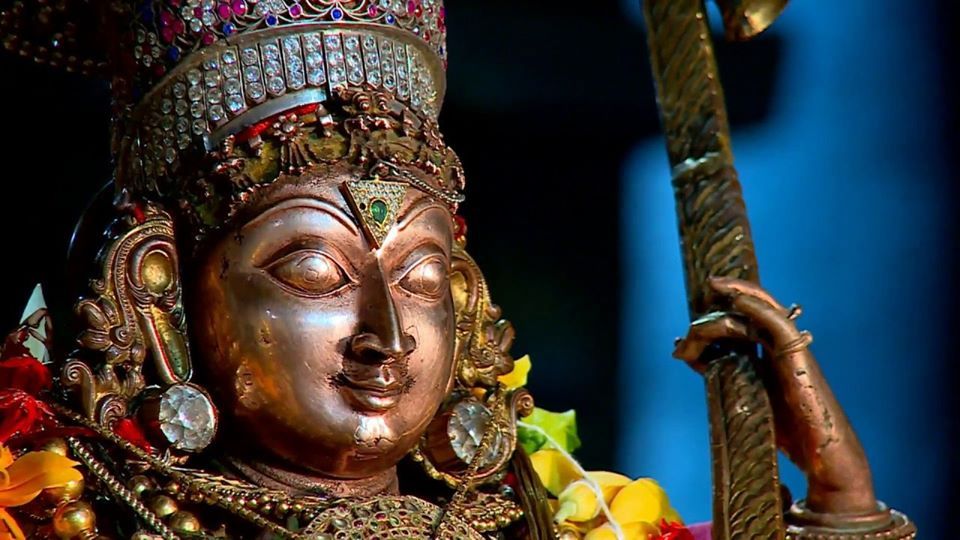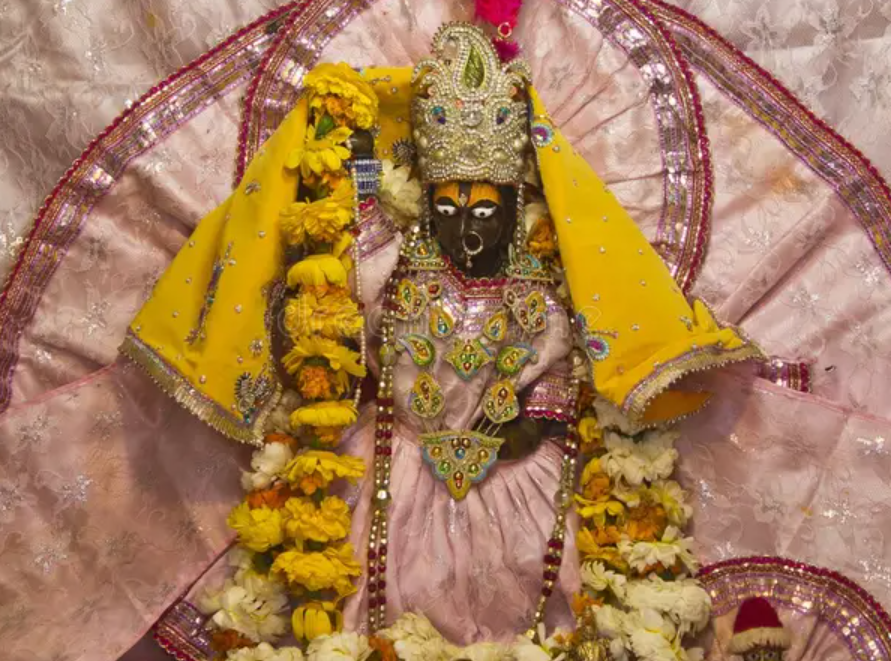
Kumbha Sankranti: The Sacred Solar Transit into Aquarius
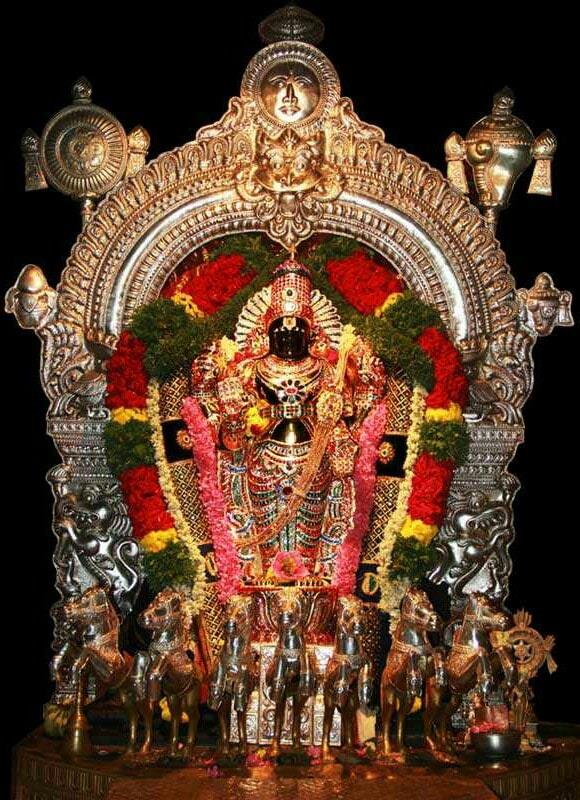
Kumbha Sankranti stands as one of the twelve sacred Sankrantis in the Hindu solar calendar, marking the divine moment when Surya Bhagavan transitions from Makara Rashi (Capricorn) into Kumbha Rashi (Aquarius). This celestial event, typically occurring in mid-February, carries profound spiritual significance for devotees seeking purification, divine blessings, and liberation from karmic debts.
Unlike ordinary festivals tied to lunar phases, Sankrantis follow the Sun’s journey through the zodiac, reflecting the Vedic wisdom that honors stellar positions with mathematical precision. Kumbha Sankranti belongs to the category of Vishnupadi Sankranti, where the sixteen ghatis (approximately eight hours) preceding the exact transit moment are considered supremely auspicious for performing sacred rituals, charity, and spiritual practices.
The festival’s essence lies in its connection to both cosmic order and earthly welfare. As the Sun enters Aquarius, a sign governed by Shani Dev and associated with humanitarian service, collective consciousness, and spiritual innovation, devotees are called to shed accumulated sins, honor their ancestors, and align themselves with dharma through acts of devotion and generosity.
The Astronomical and Astrological Foundation
Sidereal Astrology and the Solar Calendar
Hindu calendar follows Nirayana or Sidereal Astrology, which accounts for the Earth’s precession -the gradual shift in our planet’s rotational axis. This scientific approach ensures that Kumbha Sankranti occurs when the Sun aligns with the same constellation of stars year after year, maintaining cosmic accuracy over millennia.
The exact timing of Sankranti varies slightly based on geographical location and the sunrise at each place. Devotees consult their local panchangs (almanacs) to determine the precise Sankramana moment, along with the Punya Kala (auspicious period) and Maha Punya Kala (supremely auspicious period) for maximum spiritual benefit.
The Vishnupadi Significance
Among the twelve Sankrantis, four are classified as Vishnupadi Sankranti: Simha, Kumbha, Vrishabha, and Vrischika. For all Vishnupadi Sankrantis, the sixteen ghatis before the Sankranti moment hold special sanctity. This period, blessed by Sri Maha Vishnu’s presence, multiplies the fruits of charity, bathing, and worship manifold.
The timing precision stems from ancient Vedic astronomy, where rishis understood that celestial transitions create specific energy fields conducive to spiritual transformation. Performing rituals during these windows ensures that one’s intentions reach the divine realm with greater potency.
Kumbha Rashi and Its Spiritual Qualities
Aquarius, ruled by Shani Dev with co-rulership by Rahu, embodies qualities of detachment, humanitarian service, and collective welfare. The Sun’s transit here activates energies favorable for releasing attachment to material outcomes while embracing service to humanity and dharma.
For individual horoscopes, this transit influences the eleventh house in Aquarius lagna charts, traditionally associated with gains through selfless service. This astrological positioning makes charity (daan) during Kumbha Sankranti particularly powerful, as giving multiplies returns not just materially but karmically, clearing ancestral debts (pitra rin) and bringing prosperity aligned with righteousness.
Samudra Manthan and the Kumbha
The Churning of the Cosmic Ocean
The heart of Kumbha Sankranti’s spiritual power lies in the immortal narrative of Samudra Manthan, the churning of the cosmic ocean by Devas and Asuras seeking amrita, the nectar of immortality. This profound event from the Puranas reveals how divine and demonic forces collaborated under Lord Vishnu’s guidance, using Mount Mandara as the churning rod and Vasuki, the serpent king, as the rope.
From this cosmic churning emerged countless treasures, culminating in the appearance of Dhanvantari carrying the kumbha (sacred pitcher) filled with amrita. As the Devas and Asuras fought over this divine nectar, drops spilled at four earthly locations: Prayagraj, Haridwar, Nashik, and Ujjain. These drops fell when the Sun transited through specific rashis, forever sanctifying these tirthas with the power to grant moksha.
Vishnu as Mohini and the Divine Protection
Sri Maha Vishnu, manifesting as the enchanting Mohini, skillfully protected the amrita from the Asuras, ensuring that the Devas received the nectar first. This divine play reveals how dharma ultimately prevails through wisdom and divine intervention. The kumbha itself, the vessel containing immortality became the symbol of Aquarius, representing how spiritual wisdom must be both contained and shared for humanity’s upliftment.
This teaches that just as the nectar drops sanctified the four rivers, bathing in these sacred waters during Kumbha Sankranti grants devotees a taste of that same divine elixir, washing away sins accumulated over lifetimes and opening the path to liberation.
Story of Gunavati: A Lesson in Complete Devotion
In ancient times, there lived a devoted Brahmin named Haridas and his supremely pious wife, Gunavati. Despite observing countless vratas, performing elaborate pujas, and leading a life of impeccable virtue, Gunavati had unknowingly omitted worship and charity dedicated specifically to Yama Dharmaraj, the God of dharma and righteous conduct.
When her earthly life ended, Yamaduts arrived to escort her soul to Yamaloka. Before Yama Dharmaraj’s throne, Chitragupta, the divine record-keeper, reviewed her life’s ledger. Though filled with innumerable good deeds and spiritual practices, one glaring omission appeared: no daan, no puja, no specific acknowledgment of Yama Dharmaraj himself.
Despite her ocean of punya (merit), this single gap denied her complete peace and ultimate liberation. Overwhelmed with realization and genuine repentance, Gunavati pleaded for another opportunity.
The Path to Salvation
Moved by her sincere devotion and understanding, compassionate Yama Dharmaraj granted her return to earthly life for one complete year. He instructed her to observe all twelve Sankrantis properly, beginning with Makara Sankranti, dedicating worship and charity specifically to him at each transit. She was to maintain absolute purity in thought, word, and deed, performing til daan (sesame seed charity) with complete devotion, culminating in a grand udyapan (ceremonial conclusion) for attaining param gati (supreme liberation).
Gunavati returned and faithfully followed these instructions. At each Sankranti, including Kumbha Sankranti, she performed the prescribed rituals with wholehearted devotion, gave charity to Brahmins in Yama Dharmaraj’s name, maintained sattvic discipline, and completed the year-long observance. Upon completion, her soul achieved complete liberation, becoming an eternal inspiration.
The Living Lesson
This katha is recited during Kumbha Sankranti evening gatherings, reminding devotees that spiritual completeness requires honoring all aspects of dharma. Even the most devoted soul must acknowledge Yama Dharmaraj, for he embodies the very principle of righteous living and karmic balance. The story emphasizes that charity and worship must be comprehensive, leaving no deity unacknowledged, ensuring griha shanti (household peace) and ultimate moksha.
Deity Worship During Kumbha Sankranti
Surya Bhagawan: The Central Divine Presence
Surya Bhagawan remains the primary deity of all Sankrantis, as these festivals mark his celestial journey. On Kumbha Sankranti, devotees offer Surya Arghya at sunrise, standing in water (preferably in a river) or before a copper vessel, facing east, offering water mixed with akshat (unbroken rice), red flowers, and til (sesame seeds) while chanting:
“Om Suryaya Namah” (108 times) or the powerful
Gayatri Mantra: “Om Adityaya Vidmahe, Divakaraya Dhimahi, Tanno Suryah Prachodayat.”
This practice invokes Surya’s healing energies, removes health afflictions, destroys doshas in one’s horoscope, and bestows vitality and clarity of consciousness.
Goddess Ganga: The Purifier
Ganga Ma, whose sacred waters embody the amrita’s purifying essence, receives special reverence through the ritual bath (Sankramana Snana). Even those unable to reach sacred rivers mix Ganga jal (holy Ganges water) in their home bath, invoking her presence with devotion. This act cleanses not just physical impurities but karmic sins accumulated across lifetimes, granting health, longevity, and spiritual merit extending to seven generations.
Sri Maha Vishnu: Preserver and Protector
As the divine force behind Samudra Manthan, appearing as Kurma (tortoise) to support Mount Mandara and as Mohini to protect the amrita, Lord Vishnu receives worship through special havan offerings. Devotees offer tulsi leaves and prasad, seeking his protection and blessings for family welfare and spiritual progress.
Mahadev Shiva: The Poison Bearer
During the churning, the deadly halahala poison emerged, threatening all creation. bhagawan Shiva consumed it, holding it in his throat (earning the name Neelkanth), saving the universe. On Kumbha Sankranti, devotees offer bilva leaves at Shiva temples, especially at Kumbh sites, seeking his grace for spiritual advancement and destruction of negative karmas.
Shani Dev: The Aquarius Ruler
Shani Dev, planetary ruler of Kumbha Rashi and considered Surya’s son in Vedic mythology, receives special attention. The father-son cosmic relationship requires harmonization through til (sesame) daan and prayers. This worship alleviates Shani dosha, removes obstacles, and brings disciplined prosperity. The reconciliation of solar and saturnine energies during this transit creates favorable conditions for long-term success.
Ganesha: The Remover of Obstacles
Though not central to the Sankranti Katha, tantric traditions link Kumbha Sankranti to Chaturdasha Ganapati worship, particularly when coinciding with Ganesh Jayanti. Devotees perform panchamrit abhisheka (ritual bath with five sacred substances) of Ganesha murti before beginning Surya puja, ensuring all obstacles to worship are removed. Modak offerings invoke Vighnaharta’s blessings for smooth completion of rituals.
Yama Dharmaraj: The God of Righteousness
Following Gunavati’s lesson, devotees specifically acknowledge Dharmaraj through dedicated charity and prayers. After completing Surya worship, offerings of chana dal (split chickpeas) to Chitragupta and anna-vastra daan (food and clothing charity) in Yama’s name ensure dharmic alignment, protection from untimely death, and peaceful transition when earthly life concludes.
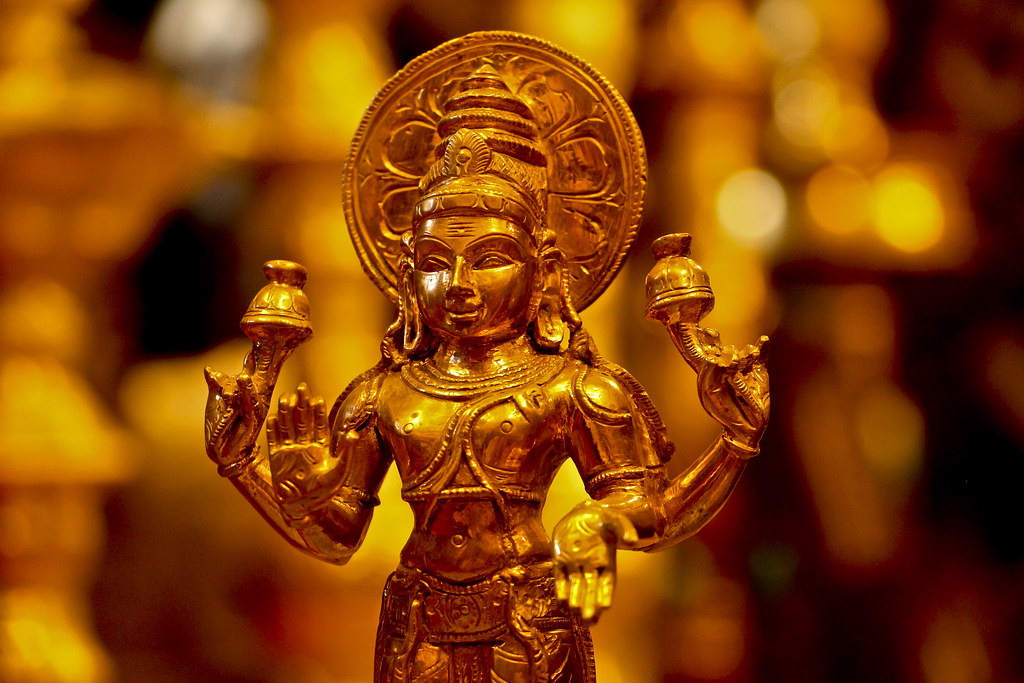
Detailed Puja Vidhi: Step-by-Step Ritual Procedure
Pre-Dawn Preparations
Devotees rise during Brahma Muhurta (approximately 1.5 hours before sunrise), the most spiritually charged period of the day. After attending to morning ablutions, they prepare for the Mangal Snan (auspicious bath).
The Sanctifying Bath
At the River:
- Arrive at a sacred river (Ganga, Yamuna, Godavari, Shipra, or any clean flowing water)
- Face east, offer prayers to the river goddess
- Immerse completely three times, chanting Surya mantras
- This Sankramana Snana washes away sins equivalent to receiving amrita drops
At Home:
- Mix Ganga jal in bathing water
- Add turmeric and ubtan (traditional cleansing paste)
- Bathe with devotion, visualizing purification
- Wear fresh, preferably yellow or orange clothing (colors representing solar radiance)
Surya Arghya at Sunrise
Immediately after bathing, while still damp, devotees offer water to the rising Sun:
- Fill a copper lota (vessel) with clean water
- Add akshat, red flowers (like hibiscus), and til
- Stand in water or before your puja space
- Face the rising Sun
- Hold the vessel at chest level
- Slowly pour water toward the Sun while chanting mantras
- Perform this offering three times
Setting Up the Puja Altar
Altar Arrangement:
- Clean the puja space thoroughly with Ganga jal
- Spread a red cloth facing east
- Place Surya yantra, murti, or image at the center
- Alternatively, install a copper kalash (pot) filled with water, mango leaves, and coconut
- Surround with twelve small wheat-filled kalashas representing the twelve rashis
- Arrange offerings: chandan (sandalwood paste), kumkum, bilva leaves, flowers, fruits
- Light a ghee diya (lamp) and incense
Invocation and Worship
Sankalpa (Sacred Vow): Begin by taking sankalpa, stating your intention: “Om, I perform this Kumbha Sankranti puja for the welfare of my family, removal of sins, and spiritual progress…”
Main Worship:
- Invoke Surya with the Beej Mantra
- Perform panchamrit abhisheka (if worshiping an idol):
- Mix milk, yogurt, honey, ghee, and sugar
- Pour gently over the deity while chanting
- Wipe clean and dress the deity with fresh cloth
- Apply chandan and kumkum
- Offer flowers, especially red and yellow varieties
- Present naivedya (food offerings):
- Sweet rice (adhara)
- Fresh fruits
- Kheer (sweet rice pudding)
- Til-gud laddoos
Mantra Recitation
During the Punya Kala period, recite with full devotion:
Surya Ashtakam (eight verses praising Surya as sin-remover): “Aadideva namastubhyam praseedha mama bhaskaraa…”
108 repetitions of the Surya Beej Mantra using a rudraksha or tulsi mala (prayer beads)
Aditya Hridayam Stotra for comprehensive blessings and protection
Hawan (Fire Ritual)
For those observing elaborate worship:
- Prepare a small havan kund (fire pit) or use a havan kit
- Invoke Agni (fire deity)
- Offer til, gud, ghee-soaked wood pieces
- Each offering accompanied by “Swaha”
- Conclude with purnahuti (final offering)
Aarti and Distribution
- Perform aarti by circling a camphor or ghee lamp before the deity
- Sing “Jai Suryadev Jai Bhaskar” or traditional Surya bhajans
- Distribute prasad to all family members and guests
- Tie a sacred thread (kalava) on the right wrist for men, left for women
Vrat Observance and Dietary Guidelines
The Sacred Fast
Kumbha Sankranti Vrat extends from sunrise to sunset, though some deeply devoted practitioners begin from the previous evening. The fast follows strict sattvic principles:
Allowed Foods:
- Fresh fruits (especially seasonal varieties)
- Milk and milk products (without additives)
- Nuts (almonds, cashews)
- Pure honey
- Fruit juices (freshly prepared)
Strictly Prohibited:
- All grains (rice, wheat, millet)
- Salt and spices (for nirjala vrat observers)
- Onion, garlic (tamasic foods)
- Any meat, fish, eggs
- Alcohol and intoxicants
- Pre-packaged or processed foods
Breaking the Fast
The vrat concludes after sunset prayers and Surya aarti. Devotees break their fast with Surya prasad—typically kheer, fruits, and items offered during the puja. This should be consumed with gratitude and shared with family members.
Extended Observances
Some devotees extend their vrat from Ekadashi (eleventh lunar day) before Sankranti through the Sankranti day itself, amplifying spiritual benefits. Others follow the Gunavati model, observing all twelve Sankrantis in sequence for complete karmic purification.
The Power of Charity: Daan Practices
Essential Charitable Acts
Charity during Punya Kala carries immeasurable merit. The scriptures declare that daan performed during Kumbha Sankranti’s auspicious window multiplies its fruits a thousandfold:
Primary Donations:
- Gau Daan (Cow Donation): The supreme charity, giving a healthy cow with calf, along with fodder, vessels, and cloth to a worthy Brahmin. This grants pitri mukti (liberation for ancestors) and brings prosperity
- Anna Daan (Food Distribution): Feeding the hungry, especially sadhus, Brahmins, and the destitute with wholesome sattvic meals
- Vastra Daan (Clothing Charity): Providing warm clothes and blankets, particularly relevant in mid-February’s cold
- Til-Tila Daan (Sesame Charity): Offering sesame seeds mixed with jaggery, dedicated to ancestors for their peace and liberation
Additional Meritorious Donations:
- Copper or brass vessels
- Gold or silver coins to Brahmins
- Grains (wheat, rice)
- Cooking oil and ghee
- Footwear for the poor
- Umbrellas for protection
- Books and educational materials
Dharmaraj-Specific Charity
Following the Gunavati tradition, devotees must perform charity specifically invoking Dharmaraj’s blessings:
- Chana dal offered to Chitragupta
- Black cloth or sesame for Yama worship
- Food to crows (considered Yama’s messengers)
- Donations to those involved in death rites or funeral services
Sacred Celebration Sites
The Kumbh Quartet: Where Amrita Blessed the Earth
Prayagraj (Triveni Sangam): The confluence of Ganga, Yamuna, and the mystical Saraswati becomes the epicenter of devotion during Kumbha Sankranti. Millions gather for Shahi Snan (royal bath), with akhadas (spiritual orders) leading processions. Key temples include Lete Hanuman and Veni Madhav Mandir.
Haridwar (Har Ki Pauri): Where the Ganga descends from the Himalayas, Har Ki Pauri’s ghats witness elaborate ceremonies. The sacred Brahmakund and nearby temples like Daksheshwar Mahadev and Mansa Devi enhance spiritual potency.
Ujjain (Shipra River): Madhya Pradesh’s spiritual capital hosts grand celebrations at Shipra ghats. The Mahakaleshwar Temple, one of the twelve Jyotirlingas, adds tremendous sanctity. Devotees perform night-long jagrans (vigils).
Nashik (Godavari River): Maharashtra’s sacred city features Ram Kund, where Lord Rama bathed during his exile. The Trimbakeshwar Temple and Kalaram Mandir draw massive congregations for Sankranti observances.
Prominent Surya Temples
Arasavalli Suryanarayana Temple (Andhra Pradesh): Special abhisheka and elaborate rituals mark Kumbha Sankranti, with devotees seeking healing from the Sun deity.
Suriyanar Koil (Tamil Nadu): This Navagraha temple dedicated to Surya conducts extended worship, benefiting those seeking relief from astrological afflictions.
Modhera Sun Temple (Gujarat): Though primarily archaeological, devotees gather for prayers, witnessing how ancient architecture aligned with solar movements.
Konark Sun Temple (Odisha): The architectural marvel hosts cultural programs and spiritual gatherings, celebrating solar worship traditions.
Regional Celebrations
Bengal and Bihar: Ganga ghats from Kolkata to Patna bustle with devotees, combining ritual baths with vibrant fairs featuring bhajans, spiritual discourses, and traditional wrestling (kushti) competitions.
Andhra Pradesh and Telangana: Godavari banks witness Kanuma-style cattle worship integrated with Sankranti, honoring the animals essential to agrarian life.
Maharashtra: Beyond Nashik, regional ghats host smaller but equally devoted gatherings, with sadhu-saint discourses on dharma and karma yoga.
South India: Tamil Kumbha Masam pujas at temples like Thilakeshwarar blend regional customs with Vedic traditions.
Essential Mantras and Stotras
Core Surya Mantras
Surya Gayatri: “Om Adityaya Vidmahe, Divakaraya Dhimahi, Tanno Suryah Prachodayat” (We meditate upon the Sun God, illuminate our intellect, may Surya inspire us)
Surya Beej Mantra: “Om Hram Hreem Hroum Sah Suryaya Namah” (Sacred seed mantra invoking Surya’s transformative power)
Arghya Mantra: “Om Ehi Surya Sahasransho Tejorashe Jagatpate Anukampaya Mam Bhaktyaa Grihananarghyam Divakar” (O thousand-rayed Surya, lord of the universe, accept this offering with compassion)
Surya Ashtakam
This eight-verse hymn describes Surya’s divine forms:
- Lohita Ratha-aroodha (seated on the red chariot)
- Saptashva-vahana (carried by seven horses representing seven chakras)
- Mahapapa-hara (destroyer of great sins)
Reciting this during Punya Kala ensures destruction of diseases (roga-nash) and removal of obstacles.
Aditya Hridayam
This powerful stotra, taught by Sage Agastya to Bhagawan Sri Rama before his battle with Ravana, contains the complete essence of Surya worship. Its recitation grants:
- Victory over enemies
- Healing from chronic illnesses
- Mental clarity and strength
- Spiritual illumination
Dos and Don’ts: Guidelines for Observance
Essential Dos
- Rise Early: Wake during Brahma Muhurta for maximum spiritual benefit
- Sacred Bath: Complete Mangal Snan before sunrise, preferably in flowing water
- Timely Worship: Perform Surya Arghya precisely at sunrise
- Mantra Discipline: Chant prescribed mantras during Punya Kala with full concentration
- Generous Charity: Give according to capacity without expectation of return
- Feed Living Beings: Offer food to cattle, birds, especially crows (for pitras)
- Ancestor Worship: Perform tarpan for departed souls
- Maintain Purity: Keep thoughts, words, and actions sattvic throughout the day
- Community Service: Help organize or support group celebrations
- Gratitude: Conclude the day expressing thankfulness for divine blessings
Important Don’ts
- Avoid Tamasic Foods: Never consume meat, alcohol, onion, garlic, or any impure substances
- No Anger or Conflict: Maintain peaceful demeanor; avoid arguments or harsh speech
- Don’t Sleep Late: Sleeping past sunrise on Sankranti wastes precious auspicious time
- Avoid Pollution: Don’t pollute rivers with soap, chemicals, or waste materials
- No New Ventures: Refrain from starting major new projects during Sandhi Kaal (transition period)
- Don’t Harm Life: Practice strict ahimsa; avoid causing pain to any creature
- Avoid Laziness: Sankranti requires active participation, not passive observation
- Don’t Skip Charity: Never let Sankranti pass without performing daan
- Avoid Negative Company: Stay away from those engaged in adharmic activities
- Don’t Break Vrat Rules: If observing fast, maintain discipline completely
Frequently Asked Questions About Kumbha Sankranti
Q: What is the most auspicious time to bathe during Kumbha Sankranti? The sixteen ghatis (approximately 6 hours and 24 minutes) before the exact Sankramana moment constitute the Punya Kala. However, bathing at sunrise or during Brahma Muhurta also carries immense merit. Consult your local panchang for precise timing.
Q: Can I observe Kumbha Sankranti vrat if I cannot visit a sacred river? Absolutely. Mix Ganga jal in your home bathing water, perform the bath with devotion while chanting Surya mantras, and proceed with the puja vidhi. Divine grace responds to genuine devotion, not merely physical location.
Q: What is the significance of til (sesame) in Kumbha Sankranti? Sesame seeds hold special importance for ancestor worship and Shani propitiation. Their warmth-giving properties, black color (pleasing to Shani), and association with longevity make them essential for Sankranti charity and offerings.
Q: How does Kumbha Sankranti differ from Makara Sankranti? While Makara Sankranti marks Uttarayana and emphasizes the Sun’s northward movement, Kumbha Sankranti belongs to Vishnupadi category, with auspicious time occurring before the transit. Kumbha focuses more on collective welfare and karmic cleansing aligned with Aquarius qualities.
Q: What specific benefits come from Kumbha Sankranti observance? Scriptures promise removal of sins across seven generations, relief from health afflictions, resolution of Shani dosha, ancestral liberation, material prosperity through righteous means, and spiritual progress toward moksha.
Q: Can women observe this vrat during their monthly cycle? While orthodox traditions suggest avoiding temple visits and murti worship during this time, women can still perform mental worship (manasik puja), listen to kathas, engage in charity, and maintain sattvic diet, as devotion transcends physical states.
Q: Is it necessary to perform all rituals, or can I do simplified worship? Perform what you can with complete devotion. A sincere Surya Arghya with heartfelt prayers carries more value than elaborate but mechanical rituals. However, never skip the sacred bath and charity, which form the core of Sankranti observance.
Q: What charity is most beneficial during Kumbha Sankranti? Gau daan (cow donation) ranks supreme, followed by anna daan (feeding the hungry). For those with limited means, even offering til-gud to Brahmins or feeding one hungry person with love yields tremendous merit.
Q: How should I recite the Gunavati Katha? Gather family members after evening aarti. Sit before the puja altar, light a lamp, and narrate the story with devotion and clarity. Conclude by emphasizing the lesson: comprehensive worship of all deities, especially Dharmaraj, ensures complete spiritual welfare.
Q: Can Kumbha Sankranti rituals help with astrological problems? Yes. The transit’s Shani connection makes it powerful for alleviating Shani dosha. Surya worship removes health-related planetary afflictions. Charity during this time reduces karmic debts reflected in horoscope challenges.
Q: What is the connection between Kumbha Sankranti and Kumbh Mela? The Kumbh pitcher that held amrita during Samudra Manthan gives both their names. While Kumbh Mela occurs every twelve years when Jupiter transits Aquarius (and in other configurations), Kumbha Sankranti occurs annually when the Sun enters this sign. Both commemorate the sacred amrita drops.
Q: Should children observe the vrat? Children can observe a modified, gentle vrat with parental guidance – fasting only from specific items, participating in puja, learning mantras, and most importantly, engaging in charity activities. This builds spiritual foundation without undue physical strain. Not Mandatory.
Q: What if the Sankranti occurs at night? The rituals adjust to the local sunrise following the Sankramana moment. The Punya Kala calculation remains based on the precise astrological transit, but practical observances like bathing and arghya occur at the next available sunrise, maintaining the spirit of the practice.
Conclusion: Embracing the Sacred Solar Journey
Kumbha Sankranti invites every sincere devotee into the cosmic dance of dharma, where the Sun’s celestial movement through Aquarius becomes a metaphor for our own spiritual evolution. As Surya Bhagavan transitions, he calls us to shed the darkness of ignorance and karmic burden, to rise from the waters of sacred rivers cleansed and renewed, to open our hands in charity reflecting Aquarius’s humanitarian heart.
The festival weaves together astronomical precision and mythological depth, rigorous ritual discipline and heartfelt devotion, individual purification and collective welfare. Whether standing at the Triveni Sangam surrounded by millions or performing solitary worship in one’s home shrine, the essence remains unchanged: aligning human consciousness with divine will through surrender, service, and spiritual aspiration.
The Gunavati Katha reminds us that our devotion must be complete, acknowledging all divine forces that govern existence from blazing Surya who grants life to stern Yama Dharmaraj who maintains cosmic order. The Samudra Manthan mythology reveals that immortality’s nectar comes not without churning, struggle, and divine grace working through our efforts.
As you observe Kumbha Sankranti, remember that the rituals are not mere tradition but living technologies for transformation. Each mantra vibrates with the frequency of ancient realization, each charitable act releases karmic knots, each holy bath dissolves the accumulated dust on the soul’s mirror. The sixteen ghatis of Punya Kala open a portal between earthly existence and divine realms, making the impossible accessible to those who approach with faith.
May Surya Bhagavan bless all who honor this sacred Sankranti with health, prosperity, wisdom, and ultimately, the supreme blessing of moksha. May the amrita drops that sanctified our holy rivers continue to purify countless generations of devoted souls. May the cosmic kumbha continue to pour forth blessings upon all creation.
Om Suryaya Namah।
Jai Surya Dev।
Jai Ganga Maiya।
Help Us Keep This Guide Accurate
At Temple Connect, we regularly update our content to ensure you receive the most relevant and authentic information. If you’d like to suggest improvements, share regional traditions, or report any updates, we’d love to hear from you at connect@templeconnect.com