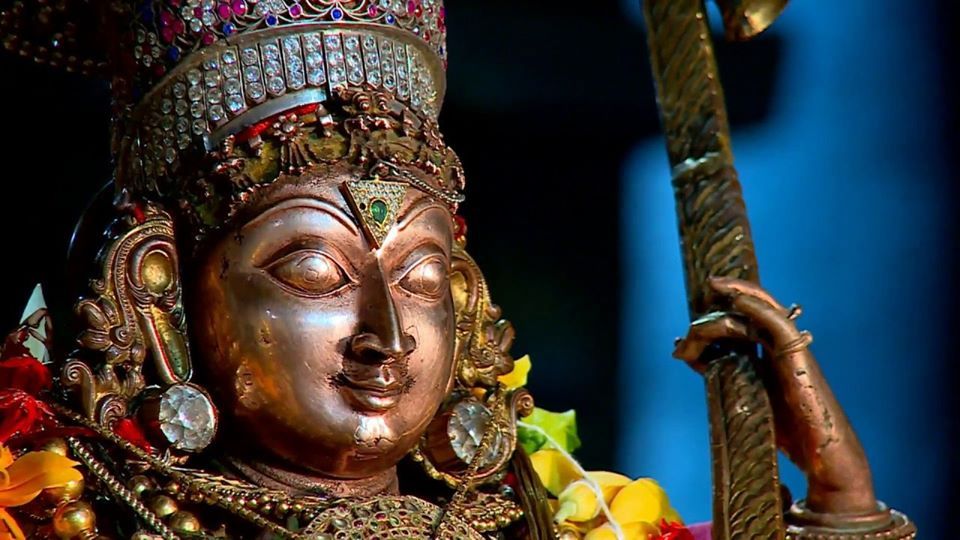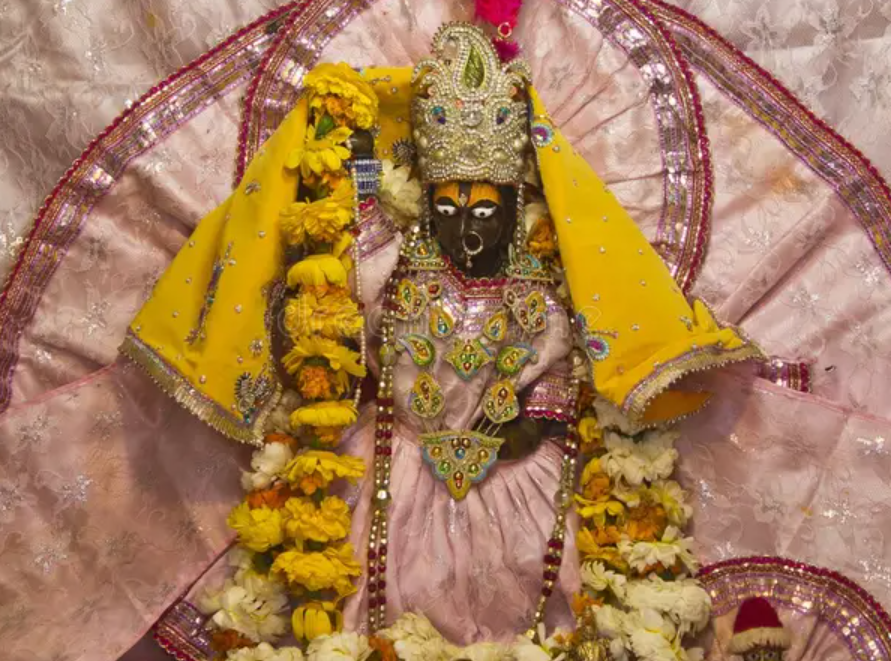
Lakshmi Jayanti: Complete Guide to Date, Puja Vidhi, Vrat, Astrological and Religious Significance
Lakshmi Jayanti celebrates the divine birth of Goddess Lakshmi on Phalguna Purnima, marking her radiant emergence during Samudra Manthan. This sacred day holds profound astrological significance under Uttara Phalguni Nakshatra, amplifying prosperity intentions through favorable planetary positions.
What is Lakshmi Jayanti
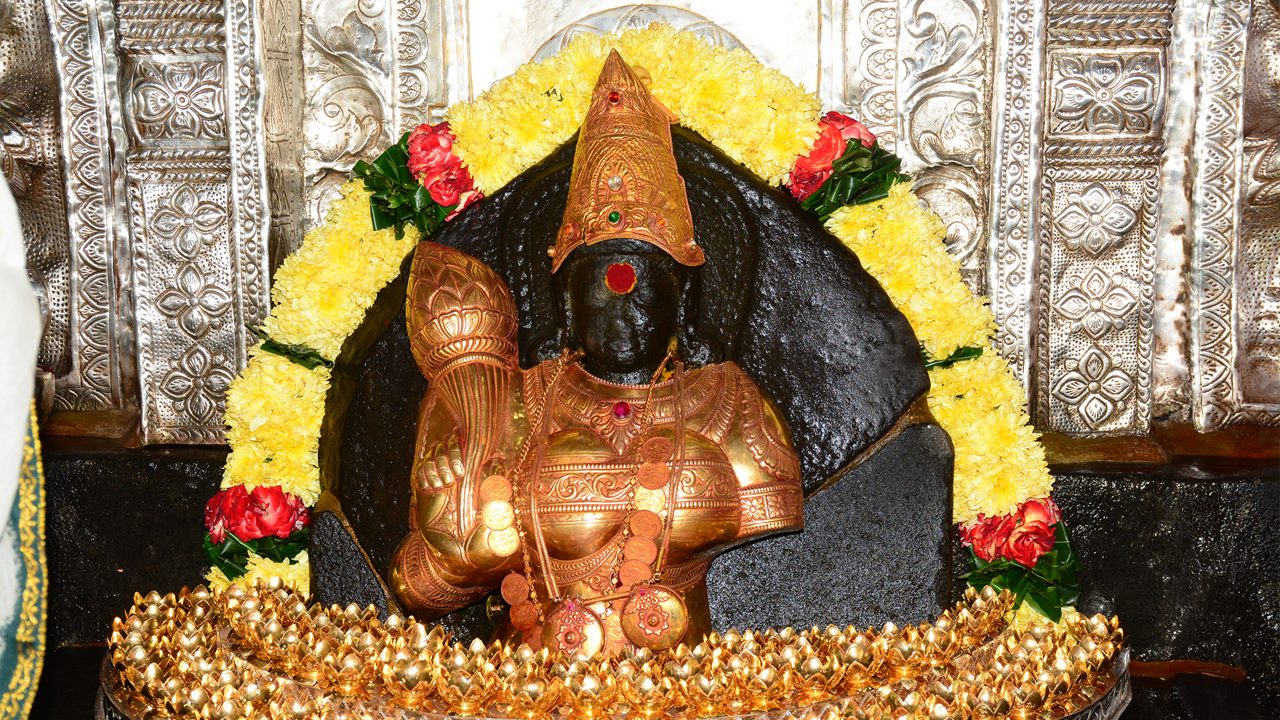
Lakshmi Jayanti is a revered Hindu festival marking the birth of Goddess Lakshmi, the divine embodiment of wealth, prosperity, purity, and spiritual abundance. The name “Jayanti” means birth anniversary, celebrating the moment when the goddess emerged radiant and golden during the Samudra Manthan.
Name Meaning and Origins
The term “Lakshmi” derives from the Sanskrit root “lakṣ” meaning to perceive, observe, or understand, signifying she who is witnessed or the mark of prosperity. She is also known as Shri, representing auspiciousness and grace.
Her birth during the churning of the cosmic ocean symbolizes the emergence of divine abundance from the depths of primordial waters. This emergence represents the manifestation of all that is auspicious and prosperous in creation.
Alternative Names
Devotees worship her by many sacred names:
- Shri (auspiciousness personified)
- Mahalakshmi (great goddess of wealth)
- Padma or Kamala (lotus-dwelling)
- Samudra-ja (ocean-born)
- Narayana-priya (beloved of Vishnu)
- Vishnu-patni (consort of Vishnu)
- Ramaa (delighter)
- Indira (possessing power)
Position in Hindu Calendar
Lakshmi Jayanti falls on the full moon day (Purnima) of the Phalguna month in the Hindu lunar calendar. This places it in the late winter to early spring period, typically February-March in the Gregorian calendar.
Unlike Diwali which celebrates her return to earthly realms, this Jayanti uniquely honors her cosmic birth. The festival marks a transition point in the Hindu year, occurring just before spring festivals commence.
The full moon’s complete luminosity mirrors the goddess’s radiant emergence, making this tithi especially sacred for her worship.
Tithi, Nakshatra, and Paksha Details
Lakshmi Jayanti occurs on Phalguna Purnima Tithi, the fifteenth day of the bright fortnight (Shukla Paksha) when the moon reaches full illumination. The most auspicious timing aligns with Uttara Phalguni Nakshatra, ruled by Aryaman, the solar deity governing contracts, partnerships, and prosperity.
The Purnima Tithi typically begins in the late afternoon or evening of one day and extends into the next. For maximum spiritual benefit, devotees consult panchangs to determine the exact muhurat when both Purnima and Uttara Phalguni overlap.
Gregorian Calendar Approximation
Lakshmi Jayanti generally falls between mid-February and mid-March. The exact date shifts annually due to the lunar calendar’s alignment with solar months.
Devotees should check traditional panchangs or authentic Hindu calendar sources each year for precise timing.
Celebration Duration
The main celebration occurs on Purnima day itself, with rituals beginning at Brahma Muhurta (approximately 90 minutes before sunrise) and continuing through sunset. The vrat (fast) is observed from sunrise to sunset.
Some devotees extend celebrations for three days, including the day before (Chaturdashi) for preparation and the day after (Pratipada) for continued worship.
Most Auspicious Timing for Rituals
The most powerful muhurat for Lakshmi puja occurs when:
- Purnima Tithi is active
- Uttara Phalguni Nakshatra prevails
- Sun is in Aquarius or Pisces
- Moon is fully illuminated and visible
Evening time between sunset and midnight is particularly favorable for main puja and aarti, as this mirrors the time of her emergence during Samudra Manthan.
For abhishekam (sacred bathing of deity), morning hours during Brahma Muhurta or shortly after sunrise are ideal.
Astrological Significance of Lakshmi Jayanti
Planetary Positions and Their Influence
Lakshmi Jayanti’s placement on Phalguna Purnima creates a unique celestial configuration where the moon reaches its maximum strength. The full moon in Kanya Rashi (Virgo) or Kumbha Rashi (Aquarius) amplifies the goddess’s purifying and wealth-bestowing energies.
Jupiter (Guru), the natural significator of wealth and wisdom, often occupies favorable positions during this period, enhancing prosperity consciousness. Venus (Shukra), representing material comforts and feminine energy, also influences this timing positively.
The Sun’s position in Aquarius or Pisces during Phalguna connects solar energy with humanitarian service and spiritual transcendence, reminding devotees that true wealth serves dharma.
Nakshatra Importance
Uttara Phalguni Nakshatra, spanning 26°40′ Leo to 10° Virgo, is ruled by Bhaga or Aryaman, solar deities associated with marital happiness, prosperity, and righteous contracts. This nakshatra embodies:
- Patronage and benevolence
- Long-lasting prosperity
- Righteous conduct
- Partnerships and alliances
The nakshatra’s presiding deity Aryaman ensures that wealth gained during this period comes through ethical means and sustains through generosity. This alignment makes Lakshmi Jayanti ideal for:
- Starting new business ventures
- Signing important contracts
- Beginning financial investments
- Initiating marriage negotiations
Zodiac Sign Relevance
The moon’s placement in earth or air signs during Phalguna Purnima grounds prosperity intentions in practical manifestation. Virgo (Kanya), an earth sign ruled by Mercury, combines analytical wisdom with service orientation, perfect for Lakshmi worship.
When the moon transits Virgo during this time, it activates the principle of Lakshmi through service – prosperity through helping others and maintaining cleanliness, both physical and spiritual.
Astrological Benefits of Observing the Festival
Observing Lakshmi Jayanti offers specific astrological remedies:
- Strengthens debilitated Venus in horoscope
- Mitigates Daridra Yoga (poverty combinations)
- Activates 2nd house (wealth) and 11th house (gains)
- Removes obstacles to material prosperity
- Enhances Jupiter’s blessings for wisdom and abundance
- Neutralizes negative effects of Rahu-Ketu on financial matters
Dosha Removal Aspects
The festival provides powerful remedies for:
- Daridra Dosha: Poverty afflictions from planetary combinations
- Graha Kalatra Dosha: Marital disharmony affecting family prosperity
- Pitru Dosha: Ancestral karma blocking wealth flow
- Weak or debilitated Venus causing financial instability
- Malefic aspects to 2nd house lord causing wealth loss
Why This Specific Tithi Is Chosen
Purnima represents complete fulfillment and wholeness. Lakshmi emerged on a Purnima, making this tithi eternally connected to her consciousness. The full moon’s reflective light symbolizes:
- Complete manifestation of divine grace
- Emotional fulfillment alongside material wealth
- Clarity of intention and purpose
- Nurturing, feminine energy at peak
Phalguna month, the last month of winter, represents the culmination of one cycle and preparation for spring renewal. This transitional energy aligns perfectly with Lakshmi’s principle of prosperity flowing from completion to new beginnings.
Religious Significance of Lakshmi Jayanti
Scriptural Importance
Lakshmi Jayanti finds its primary scriptural foundation in the Vishnu Purana, Bhagavata Purana, and Shri Suktam from the Rig Veda. The Vishnu Purana (Book 1, Chapter 9) elaborates on her emergence during Samudra Manthan, describing her divine beauty and choosing Vishnu as her eternal consort.
The Bhagavata Purana (8th Skandha) provides detailed narration of the churning event, emphasizing that among fourteen ratnas (treasures), Lakshmi emerged as the supreme blessing, embodying all prosperity.
The Shri Suktam, one of the most ancient Vedic hymns, invokes Lakshmi’s blessings for material and spiritual abundance, establishing her worship as a Vedic practice predating Puranic traditions.
Theological Meaning in Hindu Dharma
Lakshmi represents the Shakti of Vishnu, the preserver. Together they embody the cosmic principle of sustenance and preservation. Her worship on Jayanti reminds devotees that:
- Preservation requires prosperity
- Prosperity must align with preservation of dharma
- Material wealth serves spiritual evolution
- Abundance comes through grace, not mere effort
She is considered the Adi Param Prakriti – the primordial feminine energy from which material manifestation emerges. This makes her worship essential for those seeking harmony between worldly success and spiritual progress.
Role in Spiritual Progression
In Hindu spiritual framework, Lakshmi governs Artha (wealth/prosperity), one of the four Purusharthas (life goals). Her blessings enable:
- Dharma: Righteous living requires resources
- Kama: Legitimate desires fulfilled through prosperity
- Moksha: Freedom from material anxiety aids spiritual practice
True Lakshmi worship transcends mere wealth-seeking. It cultivates inner Lakshmi – contentment, gratitude, generosity, and purity of intention. These virtues attract external prosperity while preventing attachment and corruption.
Connection to Dharma, Artha, Kama, Moksha
Lakshmi’s eight forms (Ashta Lakshmi) cover all aspects of the Purusharthas:
- Adi Lakshmi: Source consciousness (Moksha)
- Dhana Lakshmi: Monetary wealth (Artha)
- Dhanya Lakshmi: Food and grains (Artha/Kama)
- Gaja Lakshmi: Royal prosperity and power (Artha/Dharma)
- Santana Lakshmi: Progeny and lineage (Kama/Dharma)
- Veera Lakshmi: Courage and strength (Dharma)
- Vijaya Lakshmi: Victory and success (all four)
- Vidya Lakshmi: Knowledge and wisdom (Moksha)
Importance in Different Sampradayas
Vaishnava Tradition: Lakshmi is inseparable from Vishnu. Her worship without acknowledging Narayana is considered incomplete. The Sri Vaishnava sampradaya particularly emphasizes her role as intercessor between devotee and Lord.
Shakta Tradition: She is worshipped as supreme Shakti, the creative power behind all manifestation. Her independence and power receive greater emphasis.
Smarta Tradition: She is one of the Panchayatana deities (five primary gods), representing prosperity among the five cosmic principles.
Shaiva Tradition: Though primarily Vaishnava, Shaivas honor her as Parvati’s friend and acknowledge her governance over material realm, leaving spiritual liberation to Shiva.
Spiritual Fruits (Phala-Shruti) of Observance
Scriptures promise specific benefits to Lakshmi Jayanti observers:
- Removal of Daridrata (poverty) for seven generations
- Griha Shanti (household peace) and harmony
- Success in all karya (undertakings)
- Protection from financial calamities
- Birth in prosperous families in future lives
- Eventual attainment of Vaikuntha (Vishnu’s abode)
- Development of Sattvic qualities like generosity and contentment
Connection to Hindu Cosmology and Time Cycles
Lakshmi’s emergence during Samudra Manthan occurred during Satya Yuga, the age of truth. Her annual Jayanti reconnects devotees to that primordial moment of divine grace.
In Kalpa (cosmic day) calculations, Lakshmi’s birth represents the manifestation of prosperity principle that sustains creation through each Yuga cycle. Even in Kali Yuga, observing her Jayanti with devotion brings Satya Yuga blessings.
Which Form of Goddess is Worshipped
Primary Deity and Specific Form
On Lakshmi Jayanti, devotees primarily worship Mahalakshmi or Shri in her Samudra-ja (ocean-born) form. This manifestation depicts her seated on a fully bloomed lotus, symbolizing purity rising from waters of material existence.
Her most common form shows her with four arms, golden-hued complexion, wearing crimson or red saree, adorned with gold ornaments and a crown. She holds:
- Padma (lotus) in upper right hand – purity and spiritual unfolding
- Amrita Kalasha (pot of nectar) in upper left hand – immortal abundance
- Lower right hand in Abhaya Mudra – fearlessness and protection
- Lower left hand in Varada Mudra or holding paddy sheaf – blessing and fertility
Manifestation Details
The Gaja Lakshmi form receives special emphasis during Phalguna Purnima. In this manifestation, she sits on a lotus throne while two elephants flank her, pouring sacred water from golden vessels. This represents:
- Royal prosperity and sovereignty
- Abhishekam (anointing) by natural forces
- Fertility of land and abundance of harvest
- Dharmic authority and righteous power
Scriptural References
Vishnu Purana (Book 1, Chapter 9): “From the ocean arose Lakshmi, seated on a full-blown lotus, in her hands two lotuses, her countenance bright with joy, anointed with the purifying spray from the trunks of elephants.”
Bhagavata Purana (8.8.8-13): Details her emergence with complete descriptions of her divine ornaments, her choosing Vishnu from all assembled deities, and her immediate gracing of the Devas with prosperity.
Shri Suktam (Rig Veda, Khilas): “Hiraṇyavarṇāṁ hariṇīṁ suvarṇa-rajata-srajām…” describes her golden complexion and lotus attributes.
Lakshmi Tantra (Pancharatra Agama): Explains her as the supreme Shakti, equal to and inseparable from Narayana, governing all material and spiritual prosperity.
Iconography and Symbolism
Four Arms: Represent the four Purusharthas and her ability to bestow all life goals
Lotus: Symbolizes detachment, purity, spiritual unfolding, and fertility
Golden Color: Represents wealth, auspiciousness, divine illumination
Red/Crimson Attire: Signifies active energy, passion for dharma, and life force
Coins Falling: Often shown with gold coins flowing from her hands, representing inexhaustible abundance
Owl (Uluka): Her vehicle in some traditions, representing wisdom in darkness and ability to see hidden opportunities
Elephants: Represent royal power, memory, wisdom, and rainfall (agricultural prosperity)
Regional Deity Variations
South India: Emphasizes Ashtalakshmi worship collectively, with separate shrines for each form
Maharashtra/Karnataka: Mahalakshmi of Kolhapur in standing posture, more warrior-like aspect
Odisha: Bata Lakshmi or Gaja Lakshmi receives particular focus during Phalguna
Bengal: Often worshipped with Lord Ganesha as Lakshmi-Ganesha, combining obstacles removal with prosperity
Tamil Nadu: Sri or Thirumagal, inseparable from Srinivasa (Vishnu), always worshipped together
Associated Deities Worshipped
Lord Ganesha: Always invoked first to remove obstacles to prosperity
Lord Vishnu/Narayana: Worshipped alongside or before Lakshmi, acknowledging their eternal union
Goddess Saraswati: Sometimes worshipped together, representing wealth and wisdom’s inseparability
Kubera: Lord of wealth, invoked for material abundance
Indra: King of Devas who first received Lakshmi’s blessings after Samudra Manthan
Sacred Stories and Katha
Samudra Manthan Katha (from Bhagavata Purana)
The primary legend of Lakshmi’s birth comes from the great churning of the cosmic ocean. After sage Durvasa cursed Indra for disrespecting a divine garland, Lakshmi left Swarga (heaven), and the Devas lost all their prosperity and strength. The Asuras, under Bali, conquered the three worlds.
Vishnu advised the weakened Devas to churn Kshira Sagara (ocean of milk) to obtain Amrita (nectar of immortality). Using Mount Mandara as churning rod (with Vishnu as Kurma avatar supporting it) and Vasuki serpent as rope, Devas and Asuras churned together.
First emerged deadly Halahala poison, which Shiva consumed to save creation. Then appeared various treasures: Kamadhenu (wish-fulfilling cow), Ucchaisravas (divine horse), Airavata (Indra’s elephant), Kaustubha gem, Parijata tree, Apsaras (celestial dancers), Chandra (moon), Dhanvantari with Amrita pot.
Finally, on the full moon day, Lakshmi emerged from the ocean, radiantly beautiful, seated on a thousand-petalled lotus. All Devas desired her presence, but she chose Narayana (Vishnu) as her eternal consort, placing a garland around his neck. The Devas, now blessed with her presence, regained their prosperity and defeated the Asuras.
Spiritual Teaching: Lakshmi chooses those aligned with dharma. The Devas, despite their weakness, maintained righteousness while Asuras pursued power through might. True prosperity comes to those who uphold dharma even in adversity.
Vrat Katha – The Devoted Brahmin Couple
A poor Brahmin couple lived in extreme poverty despite their devotion and righteous conduct. One day, a wandering sage visited and, seeing their pious nature and clean home despite poverty, revealed that Lakshmi Devi had not entered their home due to improper worship timing.
The sage instructed them to observe Lakshmi Jayanti Vrat on Phalguna Purnima with complete devotion. The couple followed every instruction: They cleaned their entire home, created beautiful rangoli, prepared special bhog, performed elaborate puja, observed complete fast, and recited Shri Sukta 108 times.
That night, Goddess Lakshmi appeared in their dreams, pleased with their sincere devotion. She blessed them saying, “Your home is now my home. Prosperity shall never leave you.” The next morning, they discovered their home filled with grain, precious gems appeared in their storage, and their life transformed.
They became prosperous but never forgot to share their wealth, feed Brahmins, help the poor, and observe Lakshmi Jayanti annually. Their seven generations enjoyed abundance, and they attained moksha through bhakti.
Spiritual Teaching: Sincere devotion and proper worship transform karma. Lakshmi values cleanliness, devotion, and dharmic conduct over existing wealth. Those who honor her on her birth day receive her permanent grace.
Bali and Lakshmi Rakhi Tale
After Vamana avatar’s three steps took all of Bali‘s kingdom, the righteous Asura king was sent to Patala (netherworld). Impressed by Bali’s dharmic nature and his keeping his promise despite loss, Vishnu granted him a boon to be near him.
However, Lakshmi Devi, concerned for her devotee Bali despite his Asura lineage, tied a sacred thread (proto-rakhi) on his wrist, promising protection and prosperity even in Patala. She declared him her brother, establishing that true devotion transcends birth and circumstances.
This act demonstrated Lakshmi’s compassion and her principle that those who maintain dharma in adversity deserve her grace regardless of their background.
Spiritual Teaching: Lakshmi transcends sectarian divisions. Her grace flows to all who maintain righteousness. True devotion creates bonds stronger than cosmic politics.
Symbolism in the Stories
All Lakshmi kathas emphasize:
- Purity of heart over material status
- Dharmic conduct attracting divine grace
- Devotion and ritual creating channels for blessings
- Generosity multiplying received abundance
- Partnership with divine (Vishnu-Lakshmi) as ideal
- Cleanliness as prerequisite for her presence
Complete Puja Vidhi: Step-by-Step Guide
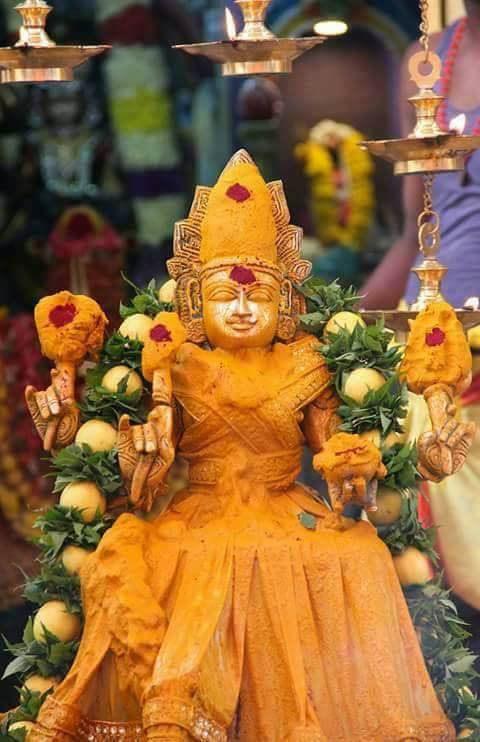
Preparation (Previous Evening and Morning)
Evening Before:
- Deep clean entire home, especially puja area
- Repair any broken items; Lakshmi avoids disorder
- Prepare puja items list and shop if needed
- Soak rice for rangoli paste
- Plan bhog menu (kheer, laddoos, panchamrit ingredients)
Morning of Jayanti (Brahma Muhurta – 90 mins before sunrise):
- Wake up, perform personal hygiene
- Take ceremonial snana (bath) with Ganga jal added to water
- Wear fresh, traditional clothes (red, yellow, or orange for women; dhoti-kurta for men)
- Create rangoli at entrance with rice paste (lotus, swastika, or Shri Yantra patterns)
- Light lamp at entrance and in puja room
Setting Up Altar/Mandap
Altar Arrangement:
- Spread red cloth on wooden chowki (low altar table)
- Place bed of rice grains on cloth (symbolizing abundance)
- Position copper kalash (pot) centrally on rice bed
- Install Lakshmi murti or patta (picture) at altar center, facing east
- Place Ganesha idol on right side (southwest direction)
- Place Vishnu idol or image on left side (northwest)
- Install Shri Yantra if available
Kalash Sthapana (Pot Installation):
- Fill copper kalash 75% with clean water
- Add supari (betel nut), coin, rice grains, marigold petals
- Place five mango leaves around kalash rim
- Top with whole coconut wrapped in red cloth, secured with sacred thread
- Tie red thread around kalash neck with turmeric piece
Detailed Puja Procedure
Step 1: Achamana and Pranayama
- Sip water three times chanting: “Om Keshavaya Namah, Om Narayanaya Namah, Om Madhavaya Namah”
- Perform three cycles of pranayama for mental purity
Step 2: Sankalpa (Sacred Resolution)
- Hold rice grains, flowers, and water in right palm
- Recite: “Om Vishnur Om Tat Sat. Adya Phalguna Masa, Shukla Paksha, Purnima Tithi, [your name] aham Lakshmi Jayanti Puja karishye”
- Release items into plate
Step 3: Ganesha Puja (Obstacle Removal)
- Invoke Ganesha: “Om Gan Ganapataye Namah”
- Offer modak or ladoo
- Light incense before Ganesha idol
Step 4: Kalash Puja
- Sprinkle Ganga jal on kalash
- Apply chandan, kumkum, haldi on kalash
- Offer flowers and akshata (rice with turmeric)
- Chant: “Om Varunaya Namah” (invoking water deity)
Step 5: Dhyana (Meditation)
- Close eyes, visualize Lakshmi’s golden form
- Chant Lakshmi Dhyana Mantra: “Om Mahalakshmyai Cha Vidmahe Vishnu Patnyai Cha Dheemahi Tanno Lakshmi Prachodayat”
Step 6: Avahana (Invocation)
- Ring bell continuously
- Offer pushpanjali (handful of flowers)
- Invite goddess: “Om Shreem Hreem Kleem Mahalakshmi Avahayami, Sthapayami, Pujayami”
Step 7: Shodashopachara (16 Steps of Worship)
- Asanam: Offer seat – “Om Mahalakshmyai Namah Asanam Samarpayami”
- Padyam: Wash feet with water from small vessel
- Arghyam: Offer water mixed with sandalwood to hands
- Achamaniyam: Offer water for sipping
- Snanam (Abhishekam): Bathe murti with panchamrita (milk, curd, ghee, honey, sugar) one by one, then water
- Vastram: Offer new cloth or symbolically touch red fabric
- Yajnopavitam: Offer sacred thread (symbolic)
- Gandham: Apply sandalwood paste
- Kumkum/Sindoor: Apply red vermillion
- Akshata: Offer rice grains with turmeric
- Pushpam: Offer fresh flowers (lotus, rose, marigold, jasmine)
- Dhupam: Light incense sticks
- Deepam: Light four-wick ghee lamp, circle clockwise
- Naivedyam: Offer bhog (kheer, fruits, sweets) – “Om Kleem Mahalakshmyai Namah Naivedyam Samarpayami”
- Tambulam: Offer betel leaves with areca nut
- Dakshina: Offer coins or currency
Step 8: Mantra Japa
- Chant Lakshmi Gayatri Mantra 108 times with mala: “Om Mahalakshmyai Cha Vidmahe Vishnu Patnyai Cha Dheemahi Tanno Lakshmi Prachodayat”
Or chant Beej Mantra: “Om Shreem Hreem Shreem Kamale Kamalaleyi Praseed Praseed Om Shreem Hreem Shreem Mahalakshmyai Namah”
Step 9: Ashtottara Shatanamavali (108 Names)
- Recite Lakshmi Ashtottara offering one flower per name
- If unable to recite 108, minimum 8 names sufficient
Step 10: Stotra Recitation
- Recite Shri Suktam (Vedic hymn)
- Or recite Lakshmi Chalisa
- Or Mahalakshmi Ashtakam
Step 11: Aarti
- Light camphor in aarti plate
- Wave clockwise before deity with bell ringing
- Sing “Om Jai Lakshmi Mata” aarti
- All family members should stand and join
Step 12: Pushpanjali and Pradakshina
- Offer final flower offering
- Circumambulate altar clockwise three times
- Perform dandavat pranam (full prostration) or shashtanga namaskara
Step 13: Prarthana (Prayer)
- Offer personal prayers for family welfare
- Seek blessings for ethical prosperity
Step 14: Visarjan (Conclusion)
- Request goddess to remain in home: “Sthane Sthane Mahalakshmi”
- Sprinkle remaining water from kalash as prasad
Step 15: Prasad Distribution
- Distribute prasad to all family members
- Share with neighbors following tradition
Evening/Night Rituals
Evening Puja (After Sunset):
- Light lamps throughout home
- Perform brief puja with flowers and incense
- Sing bhajans/kirtans
- Recite Shri Suktam again
- Keep ghee lamps burning throughout night if possible
Vrat Observance
Types of Fasting
Nirjala Vrat: Complete waterless fast from sunrise to moonrise. Most rigorous, undertaken by devoted practitioners seeking maximum spiritual benefit.
Phalahar Vrat: Fruits, milk, nuts allowed. No grains, salt, or cooked food. Suitable for those who cannot manage complete fast.
Partial Vrat: One meal of sattvic food (no grains) after evening puja. Ideal for elderly, children, pregnant women.
Who Can/Should Observe
Should Observe:
- Married women seeking family prosperity
- Those facing financial difficulties
- Individuals starting new business ventures
- Anyone desiring Lakshmi’s permanent grace
- Families wanting household harmony
May Observe with Modifications:
- Pregnant or nursing mothers (phalahar only)
- Children above 7 years (phalahar)
- Elderly persons (partial vrat)
- Those with health conditions (consult and modify)
Exempted:
- Infants and very young children
- Seriously ill individuals
- Women during menstruation (can worship without fasting)
Complete Vrat Procedure
Morning Sankalpa: After bath, standing before deity, hold water, flowers, rice in right palm:
“Mama Sarva Dushkrutam Kshyantaram Shri Mahalakshmi Preetaye Phalguna Purnima Vrat Karishye” (I observe this Lakshmi Jayanti fast for removal of poverty and gaining Mahalakshmi’s grace)
Release into puja plate.
Rules and Restrictions During Vrat:
- No grains, cereals, pulses, or regular salt
- Avoid onion, garlic, meat, eggs
- No tamasic thoughts, anger, or conflicts
- Maintain brahmacharya (celibacy)
- Speak minimally, avoid gossip
- Read or recite Lakshmi stotras
- Avoid sleeping during day
- Wear clean, traditional clothes
Allowed Items (Phalahar):
- Fresh fruits (banana, apple, grapes, pomegranate)
- Milk and milk products (not curd)
- Dry fruits and nuts
- Rock salt (sendha namak)
- Sabudana (tapioca) preparations
- Singhara (water chestnut) flour items
- Potatoes
Daytime Activities:
- Continuous japa of Lakshmi mantras
- Reading Lakshmi kathas and stotras
- Helping in puja preparations
- Creating rangoli
- Visiting Lakshmi temples if possible
- Donating to poor
Evening Puja:
- Perform complete puja vidhi as described earlier
- Extra emphasis on aarti and bhajans
- Light multiple lamps in home
Parana (Breaking Fast)
Timing:
- After sighting full moon (moonrise)
- After evening puja and aarti completion
- Minimum 12 hours after sunrise
- Before sunrise next morning (essential)
Method:
- First consume prasad kheer or sweet
- Offer water to moon if visible
- Then eat phalahar items
- Regular meal only next morning after sunrise
If Unable to Complete:
- Partial observance better than none
- Can break fast after evening puja if health demands
- Apologize to deity and resolve to complete next time
Vrat Benefits
Religious Benefits:
- Permanent residence of Lakshmi in home
- Removal of seven generation poverty
- Birth in wealthy family in next life
- Attainment of Vaikuntha after death
- All wishes fulfillment
Astrological Benefits:
- Strengthens Venus (Shukra) in horoscope
- Activates 2nd and 11th house energies
- Removes Daridra Yoga
- Mitigates malefic Rahu-Ketu effects on finances
- Enhances Jupiter’s blessings
- Protects from sudden financial losses
Worldly Benefits:
- Steady income and wealth accumulation
- Success in business ventures
- Property acquisition
- Debt clearance
- Family harmony and peace
- Children’s prosperity
- Victory over enemies and obstacles
Where Lakshmi Jayanti is Celebrated: Regional Traditions
National Observance Pattern
Lakshmi Jayanti is celebrated throughout India, though regional variations exist in emphasis and customs. The festival sees maximum observance in temple-rich states and areas with strong Vaishnava traditions.
North India Traditions
Uttar Pradesh: Varanasi and Mathura-Vrindavan see elaborate celebrations. Lakshmi temples conduct special maha abhishekam and anna prasad. Devotees perform vrat with emphasis on katha recitation. Many combine it with Holi preparations, as Phalguna Purnima marks transition to colorful spring festivals.
Rajasthan: Known for Ashtalakshmi puja in homes. Women gather for collective puja and katha sessions. Traditional ghevar sweet prepared as bhog. Temple processions with Lakshmi utsav murti.
Punjab and Haryana: Less elaborate compared to Diwali but still observed. Focus on langar (community feeding) at temples. Gurdwaras also participate, acknowledging Lakshmi’s universal prosperity principle.
Himachal Pradesh and Uttarakhand: Mountain regions observe with havan (fire ceremonies). Special attention to cleanliness and purity. Many avoid blowing conch (shankh) during puja, respecting her ocean birth.
South India Observances
Tamil Nadu: Ashtalakshmi worship is central. Chennai’s Besant Nagar Ashtalakshmi Temple sees massive crowds. Each of eight Lakshmi forms receives separate puja. Kolam (rangoli) competitions held. Connection with Panguni Uthiram festival in some years when dates overlap.
Karnataka: Udupi and Gokarna temples conduct special aradhana. Bata Lakshmi worship in coastal regions. Holige (sweet flatbread) prepared as prasad. Many combine with Holi next day.
Andhra Pradesh and Telangana: Significant observance, especially in Hyderabad and temple towns. Yadadri Lakshmi Narasimha temple hosts grand celebrations. Tirumala pilgrims often include Lakshmi Jayanti darshan. Garelu (vada) and payasam traditional offerings.
Kerala: More subdued observance. Focus on Shri Chakra worship. Thrissur area temples conduct special poojas. Many prefer Varalakshmi Vrata over Jayanti.
East India Traditions
Odisha: Gaja Lakshmi form receives particular emphasis. Puri and Konark temples host special rituals. Festival sometimes extends 7-10 days in certain communities. Khiri (payesh) made with palm jaggery.
West Bengal: Observed alongside spring celebrations. Dakshineswar and Kalighat also honor Lakshmi as Kali’s prosperity aspect. Kolkata homes perform Lakshmi-Ganesha combined puja. Sandesh (sweets) offered as bhog.
Assam and Northeast: Less widespread but growing in urban centers. Focus on home worship. Integration with local prosperity deities.
West India Customs
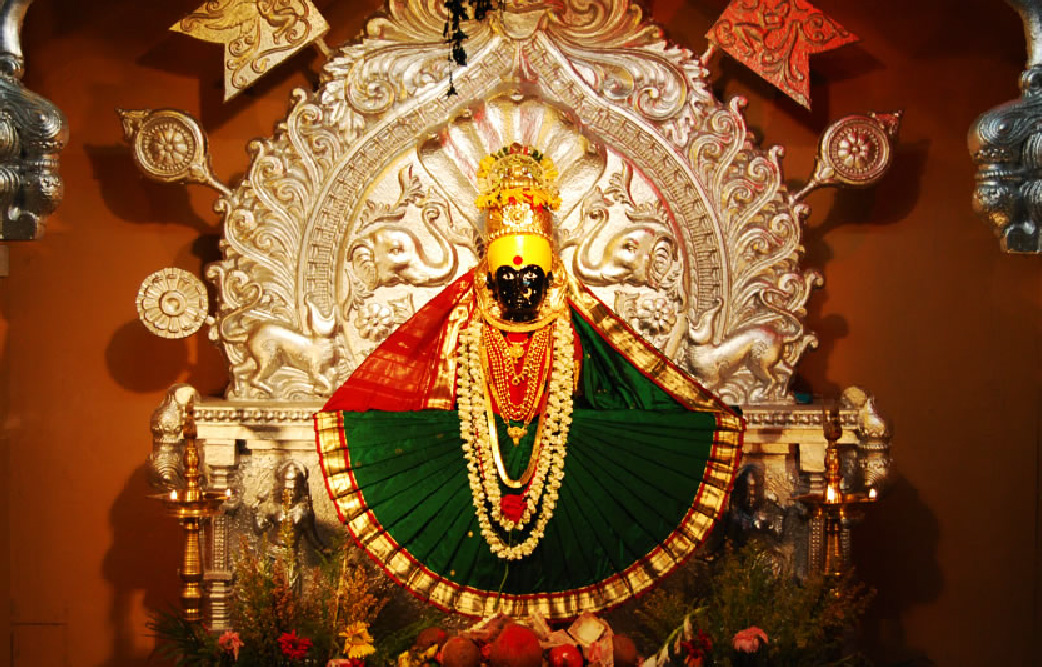
Maharashtra: Kolhapur Mahalakshmi temple sees lakhs of devotees. This is THE primary Lakshmi Jayanti pilgrimage site for Maharashtra, Karnataka, Goa border regions. Special darshan windows from dawn to midnight. Puran poli traditional offering.
Gujarat: Business communities observe strictly. New account books opened (similar to Diwali). Dwarkadhish temple hosts elaborate celebrations. Mohanthal sweet prepared.
Goa: Portuguese influence visible in decorations. Home altars elaborate with flowers and lamps. Connection to spring harvest celebrations.
Central India
Madhya Pradesh: Ujjain temples conduct full-day programs. Many combine with Holi festivities. Malpua and gujiya offered as bhog.
Chhattisgarh: Tribal communities also participate, integrating local prosperity customs. Forest produce offered along with traditional items.
Specific Famous Temples and Celebrations
Kolhapur Mahalakshmi Temple (Maharashtra):
- 7th century Shakti Peeth
- Ambabai form of Mahalakshmi
- Special maha abhishekam from 4 AM
- Oti bharne ritual (filling granary)
- Lakhs attend; advance darshan booking needed
Chennai Ashtalakshmi Temple (Tamil Nadu):
- Built in 1970s but highly significant
- Eight separate shrines for eight Lakshmi forms
- Located at Besant Nagar beach
- All-day continuous puja
- Cultural programs in evening
Vellore Golden Temple (Tamil Nadu):
- Sri Lakshmi Narayani Temple
- 1,500 kg gold plating
- Shri Chakra path for circumambulation
- International devotees gather
- 24-hour puja on Jayanti
Mumbai Mahalakshmi Temple:
- Central Mumbai location
- Three deities: Mahalakshmi, Mahakali, Mahasaraswati
- Endless darshan lines
- Evening aarti particularly powerful
Yadadri Lakshmi Narasimha (Telangana):
- Renovated ancient hilltop temple
- Lakshmi-Narasimha together
- Known for debt removal
- Special kalyana utsavam
Padmavathi Temple, Tiruchanoor (Andhra Pradesh):
- Lord Venkateswara’s consort
- Part of Tirupati circuit
- Must visit after Tirumala
- Combined Tirumala-Kolhapur-Tiruchanoor considered ultimate Lakshmi pilgrimage
International Celebrations
North America: Hindu temples organize community pujas. Virtual participation common. Diaspora maintains strict vrat observance.
Europe: UK’s Neasden Temple and other BAPS/ISKCON temples host events. Cultural preservation emphasized.
Southeast Asia: Bali, Malaysia, Singapore temples celebrate. Fusion with local prosperity traditions.
Australia: Growing observance in Sydney, Melbourne temples. Summer timing (Southern hemisphere) adds unique flavor.
Mantras and Stutis
Core Mantras
Lakshmi Beej Mantra: Om Shreem Hreem Shreem Kamale Kamalalaye Praseed Praseed Om Shreem Hreem Shreem Mahalakshmyai Namah
Lakshmi Gayatri: Om Mahalakshmyai Cha Vidmahe Vishnu Patnyai Cha Dheemahi Tanno Lakshmi Prachodayat
Simple Lakshmi Mantra: Om Shreem Mahalakshmyai Namah (minimum 108 times)
Shri Suktam (from Rig Veda): Beginning: “Hiraṇyavarṇāṁ hariṇīṁ suvarṇa-rajata-srajām…” (Complete recitation recommended)
Ashtottara Shatanamavali
108 Names of Lakshmi – Recite offering one flower per name:
- Om Prakritiyai Namah (Salutations to primordial nature)
- Om Vikrityai Namah (To the transformed one)
- Om Vidyayai Namah (To knowledge)
- Om Sarva Bhutahita Pradayai Namah (To giver of welfare) (Continue through all 108 names with devotion)
Lakshmi Chalisa
40-verse Hindi devotional hymn praising Lakshmi’s qualities and seeking blessings. Recitation brings family prosperity and peace.
Mahalakshmi Ashtakam
Eight-verse Sanskrit stotra. Each verse describes different aspects:
- Verse 1: Invocation of golden goddess
- Verse 2: Lotus-seated, elephant-adorned
- Verse 3: Remover of poverty and sins
- Verse 4: Bestower of all wishes (Continue through all eight)
Stuti for Jayanti
“Namaste’stu Mahamaye Shri Pithe Sura Poojite Shankha Chakra Gada Haste Mahalakshmi Namostute”
“Sarva Mangala Mangalye Shive Sarvartha Sadhike Sharanye Tryambake Gauri Narayani Namostute”
Sankalpa Mantra
“Mama Sarva Dushkrutam Kshyantaram Shri Mahalakshmi Preetaye Phalguna Purnima Lakshmi Jayanti Puja Vrat Karishye”
Remedial Measures and Benefits
Traditional Astrological Remedies
For Weak Venus (Shukra):
- Worship Lakshmi every Friday
- Wear diamond or white sapphire after consultation
- Donate white items on Fridays
- Observe Lakshmi Jayanti vrat annually
For Daridra Yoga:
- Install Shri Yantra in home
- Daily Lakshmi Gayatri 108 times
- Feed cows, donate to women
- Never disrespect wealth or grain
For Debt Removal:
- Visit Yadadri or similar Lakshmi temples
- Offer yellow flowers and turmeric
- Donate to educational causes
- Chant “Om Shreem Hreem Kleem Mahalakshmyai Namah” 21 times daily
For Business Growth:
- Install small Lakshmi murti in office
- Keep workplace extremely clean
- Never speak harshly in business premises
- Donate part of profits regularly
Charitable Acts (Dana)
Specific Dana for Lakshmi’s Grace:
- Feed Brahmins and poor on Jayanti day
- Donate clothes to needy women
- Provide food grains to widows
- Support girls’ education
- Contribute to temple anna prasad
- Offer blankets in winter
Materials to Donate:
- Rice, wheat, pulses (food security)
- Yellow clothes (prosperity color)
- Utensils for cooking (household welfare)
- Educational materials (Vidya Lakshmi)
- Money to deserving causes
Do’s and Don’ts
DO’s:
- Wake before sunrise
- Thoroughly clean house
- Wear traditional, clean clothes
- Light lamps in evening
- Share prasad with all
- Maintain pleasant demeanor
- Help in household puja
- Recite mantras with devotion
- Feed animals and birds
- Maintain brahmacharya
DON’Ts:
- Sleep during day
- Speak harshly or argue
- Keep home dirty or disorganized
- Waste food or money
- Disrespect women
- Criticize others’ poverty
- Be greedy or stingy
- Eat prohibited foods during vrat
- Skip puja due to laziness
- Ignore beggars or needy
Home Vastu for Lakshmi
To Invite Permanent Presence:
- Keep Northeast clean and clutter-free
- Place Lakshmi in North or East wall
- Never keep broken items
- Repair leaking taps immediately
- Ensure main door opens fully
- Use pleasant fragrances
- Grow tulsi plant
- Keep safe/treasury in North
- Avoid shoes near puja area
- Maintain kitchen cleanliness
Frequently Asked Questions
Basic Questions
Q1: What is Lakshmi Jayanti and why is it celebrated? Lakshmi Jayanti celebrates the divine birth of Goddess Lakshmi during Samudra Manthan on Phalguna Purnima. Unlike Diwali which marks her return, Jayanti honors her original cosmic emergence, emphasizing her eternal role as bestower of both material prosperity and spiritual abundance.
Q2: When is Lakshmi Jayanti celebrated? Lakshmi Jayanti falls on Purnima (full moon) of Phalguna month, typically between mid-February and mid-March. The exact date varies annually according to lunar calendar. It occurs under Uttara Phalguni Nakshatra for maximum astrological benefit.
Q3: Which form of Goddess Lakshmi is worshipped on this day? Devotees primarily worship Mahalakshmi in her Samudra-ja (ocean-born) form, seated on lotus with four arms. Gaja Lakshmi (flanked by elephants) and collectively all Ashtalakshmi forms receive special attention during Phalguna Purnima celebrations.
Q4: Is Lakshmi Jayanti different from Diwali Lakshmi Puja? Yes, significantly different. Diwali celebrates Lakshmi’s annual return to homes after wandering, emphasizing renewal. Lakshmi Jayanti honors her original birth and cosmic emergence, focusing on her eternal nature as prosperity principle. The puja methods and significances differ.
Q5: Can men observe Lakshmi Jayanti vrat? Absolutely. While traditionally women observe more prominently, men equally benefit from Lakshmi vrat. Family prosperity requires both partners’ devotion. Men should participate fully in puja and can observe nirjala or phalahar vrat.
Astrological Questions
Q6: What is the astrological significance of Phalguna Purnima? Phalguna Purnima under Uttara Phalguni Nakshatra creates powerful prosperity yoga. Full moon strengthens lunar energies for emotional and material abundance. Aryaman, the nakshatra ruler, governs contracts and partnerships, making this timing ideal for financial ventures and alliances.
Q7: Which planetary positions are favorable during Lakshmi Jayanti? Strong Jupiter (prosperity karaka), well-placed Venus (material comforts), and full moon in earth or air signs create optimal conditions. Sun in Aquarius/Pisces adds humanitarian and spiritual dimensions. These positions strengthen 2nd and 11th houses governing wealth and gains.
Q8: Can Lakshmi Jayanti remove Daridra Dosha? Yes, observing Lakshmi Jayanti with complete devotion is powerful remedy for Daridra Dosha (poverty affliction). Combined with Shri Yantra installation, regular Lakshmi Gayatri japa, and charitable acts, it gradually neutralizes negative planetary combinations causing financial struggles.
Q9: What are zodiac-specific benefits of celebrating Lakshmi Jayanti? All rashis benefit, but earth signs (Taurus, Virgo, Capricorn) see enhanced material gains. Water signs (Cancer, Scorpio, Pisces) gain emotional prosperity. Fire signs (Aries, Leo, Sagittarius) achieve victory in endeavors. Air signs (Gemini, Libra, Aquarius) obtain intellectual and social prosperity.
Q10: Why is Uttara Phalguni Nakshatra considered auspicious for Lakshmi worship? Uttara Phalguni, ruled by Aryaman (solar deity of contracts), embodies patronage, benevolence, and righteous prosperity. Its symbol is the bed’s back legs, representing rest after achievement. This nakshatra ensures wealth gained is stable, ethical, and long-lasting rather than temporary or ill-gotten.
Religious Questions
Q11: What scriptures describe Lakshmi’s birth? Vishnu Purana (Book 1, Chapter 9), Bhagavata Purana (8th Skandha), and Shri Suktam from Rig Veda provide detailed accounts. Lakshmi Tantra from Pancharatra Agamas explains her theological significance as supreme Shakti inseparable from Narayana.
Q12: What is the spiritual benefit (phala-shruti) of observing Lakshmi Jayanti? Scriptures promise removal of poverty for seven generations, household peace, success in all undertakings, protection from financial calamities, birth in prosperous families in future lives, and eventual attainment of Vaikuntha. Most importantly, development of sattvic qualities like generosity and contentment.
Q13: How does Lakshmi Jayanti connect to the four Purusharthas? Lakshmi’s eight forms collectively cover all four Purusharthas. Her blessings enable Dharma (resources for righteous living), fulfill Artha (prosperity), satisfy legitimate Kama (desires), and support Moksha (freedom from material anxiety allows spiritual focus).
Q14: Is Lakshmi worship important in all Hindu sampradayas? Yes, with varying emphases. Vaishnavas see her as inseparable from Vishnu. Shaktas worship her as supreme creative power. Smartas honor her among Panchayatana deities. Even Shaivas acknowledge her governance of material realm, seeing her as Parvati’s friend and complementary principle.
Q15: What does Samudra Manthan symbolize spiritually? The churning represents spiritual practice (sadhana) where body-mind (ocean) is churned using devotion (Mandara) and breath control (Vasuki) with divine cooperation (Vishnu). Poison (ego, desires) emerges first, requiring Shiva-like detachment. Eventually, Lakshmi (divine grace, prosperity consciousness) emerges naturally.
Puja and Rituals
Q16: What is the minimum puja one should perform on Lakshmi Jayanti? Minimum: Clean house, light lamp, offer flowers to Lakshmi image/murti, chant “Om Shreem Mahalakshmyai Namah” 108 times, perform simple aarti, distribute prasad. Even this basic worship done with sincere devotion brings blessings.
Q17: What items are essential for Lakshmi Jayanti puja? Essentials: Lakshmi murti/image, flowers (lotus, rose, marigold), incense, ghee lamp, kumkum, turmeric, sandalwood paste, rice, fruits, sweets (especially kheer), betel leaves, coins, red cloth, kalash with water, and mango leaves.
Q18: Can Lakshmi be worshipped without Vishnu? Ideally, Lakshmi and Vishnu should be worshipped together, acknowledging their eternal union. However, if Vishnu murti unavailable, worshipping Lakshmi alone is acceptable. Her grace includes Narayana’s blessings as they are inseparable consciousness.
Q19: What bhog should be offered to Lakshmi on Jayanti? Traditional offerings: Kheer (rice pudding), laddoos, panchamrita, coconut, pomegranate, bananas, grapes. Importantly, prepare with clean hands, sattvic mindset, and offer with devotion before consuming. Quality and devotion matter more than quantity.
Q20: What mantras must be recited during puja? Essential mantras: Lakshmi Gayatri (108 times), Beej Mantra “Om Shreem Hreem Shreem,” Shri Suktam (Vedic hymn), and Ashtottara Shatanamavali (108 names). If time constrained, minimum “Om Shreem Mahalakshmyai Namah” 108 times with devotion.
Fasting Questions
Q21: What type of fast should one observe on Lakshmi Jayanti? Three options: Nirjala (complete waterless fast), Phalahar (fruits, milk, nuts only), or Partial (one sattvic meal after evening puja). Choose based on health and capacity. Sincerity matters more than severity. Pregnant women, elderly, and ill persons should take phalahar or partial vrat.
Q22: Can I drink water during Lakshmi Jayanti vrat? In phalahar vrat, water is allowed. In nirjala vrat, no water until moonrise or vrat completion after evening puja. If health demands, drinking water doesn’t invalidate devotion—goddess values health over rigid fasting rules.
Q23: When should the vrat be broken (parana)? Ideal parana time is after sighting full moon, completing evening puja, and performing aarti. Must break fast before sunrise next morning. Begin with prasad sweet (kheer), then take phalahar items. Regular meal next morning after sunrise.
Q24: Who should not observe strict fasting? Pregnant or nursing mothers, children under 7, seriously ill persons, and elderly with health issues should avoid nirjala vrat. They can observe phalahar vrat or simply participate in puja without fasting. Devotion matters more than physical austerity.
Regional and Practical Questions
Q25: Which are the most important Lakshmi temples to visit on Jayanti? Top pilgrimage sites: Kolhapur Mahalakshmi (Maharashtra), Chennai Ashtalakshmi Temple, Vellore Golden Temple (Tamil Nadu), Mumbai Mahalakshmi, Yadadri Lakshmi Narasimha (Telangana), and Padmavathi Temple Tiruchanoor (Andhra Pradesh). Combined Tirumala-Kolhapur-Tiruchanoor circuit considered ultimate.
Conclusion
Lakshmi Jayanti stands as a profound celebration of divine prosperity’s eternal principle, marking the moment when the goddess of wealth and abundance emerged from cosmic waters during Samudra Manthan. Observed on Phalguna Purnima under the auspicious Uttara Phalguni Nakshatra, this sacred day offers devotees a direct connection to the source of all material and spiritual prosperity.
Unlike Diwali’s celebration of Lakshmi’s annual return, Jayanti honors her original birth, her eternal nature, and her inseparable unity with Lord Vishnu. This distinction makes the festival uniquely significant, it’s not merely about inviting temporary prosperity but establishing a permanent relationship with the divine principle of abundance itself.
The astrological timing of Phalguna Purnima creates a powerful yoga where full moon energies, favorable planetary positions, and Uttara Phalguni’s purifying influence combine to multiply the benefits of worship. Observing puja, vrat, mantra japa, and charitable acts on this day removes generations of poverty karma, strengthens Venus and Jupiter in one’s horoscope, and neutralizes doshas blocking wealth flow.
Religiously, the festival encompasses all four Purusharthas through Ashtalakshmi worship, teaching that true prosperity serves dharma, fulfills legitimate desires, and ultimately supports spiritual liberation. The sacred kathas remind us that Lakshmi chooses devotees based on cleanliness, righteousness, and generous hearts rather than existing wealth or status.
From the elaborate puja vidhi with its sixteen steps of worship to the simple act of lighting a lamp with devotion, from nirjala vrat to participating in temple darshan, from reciting Shri Suktam to distributing prasad, every aspect of Lakshmi Jayanti observance creates channels for divine grace to flow into our lives.
The festival’s celebration across India, from Kolhapur’s massive gatherings to home altars in villages, from Ashtalakshmi temples of Tamil Nadu to Yadadri hills of Telangana, demonstrates the universal appeal of Lakshmi’s blessings. Regional variations enrich the tradition while maintaining core principles of purity, devotion, and dharmic conduct.
May all devotees observing Lakshmi Jayanti with sincere hearts receive her complete blessings – Adi Lakshmi’s spiritual consciousness, Dhana Lakshmi’s material prosperity, Dhanya Lakshmi’s food security, Gaja Lakshmi’s royal abundance, Santana Lakshmi’s family blessings, Veera Lakshmi’s courage, Vijaya Lakshmi’s victory, and Vidya Lakshmi’s wisdom. May her grace permanently reside in homes and hearts, removing poverty, bestowing peace, and guiding all toward dharmic prosperity and ultimate liberation.
Om Shreem Mahalakshmyai Namah!
Help Us Keep This Guide Accurate
At Temple Connect, we regularly update our content to ensure you receive the most relevant and authentic information. If you’d like to suggest improvements, share regional traditions, or report any updates, we’d love to hear from you at connect@templeconnect.com
Follow us on our X platform.
Note to Readers: This article is intended for educational and devotional purposes. The information presented is based on traditional Hindu scriptures, contemporary religious practice, and scholarly research.
Individual observance may vary based on family tradition, regional custom, and personal circumstance. For specific guidance, especially regarding complex astrological remedies, please consult qualified priests, pandits, or Vedic astrologers. The health-related aspects mentioned are traditional beliefs and should not replace professional medical advice.