Lakshmi Jayanti 2026: Date, Puja Vidhi, Vrat Rules, and Complete Celebration Guide
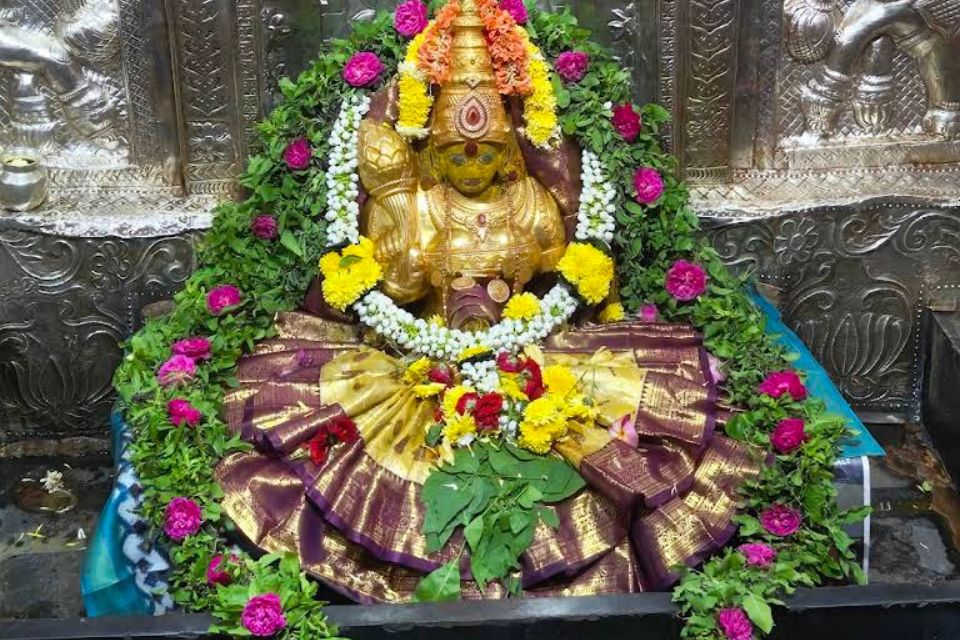
Lakshmi Jayanti 2026, the divine birth celebration of Goddess Lakshmi, arrives on Tuesday, March 3, 2026. This sacred day marks the moment when the golden goddess of wealth and prosperity emerged radiant from the cosmic ocean during Samudra Manthan. Unlike Diwali which celebrates her return, Lakshmi Jayanti honors her original cosmic birth, making it uniquely powerful for establishing a permanent relationship with divine abundance.
Observed on Phalguna Purnima under the auspicious Uttara Phalguni Nakshatra, this festival combines profound astrological timing with deep religious significance. Devotees seeking material prosperity, spiritual wealth, and household harmony observe elaborate puja, strict vrat, and charitable acts to receive the goddess’s eternal blessings.
Lakshmi Jayanti 2026: Exact Date and Timing
Lakshmi Jayanti Date: Tuesday, March 3, 2026
Purnima Tithi Timings:
- Purnima Tithi Begins: 05:55 PM on March 02, 2026
- Purnima Tithi Ends: 05:07 PM on March 03, 2026
Best Muhurat for Puja
The most auspicious time for Lakshmi puja falls when Purnima Tithi and Uttara Phalguni Nakshatra overlap. Since the tithi begins on evening of March 2nd, devotees have flexibility:
Morning Puja (March 3): Start between 5:30 AM – 8:00 AM during Brahma Muhurta and early sunrise hours for abhishekam and main rituals.
Evening Puja (March 3): Perform between 5:30 PM – 8:00 PM for aarti and completing ceremonies before tithi ends at 5:07 PM.
Most devotees observe the vrat from sunrise to sunset on March 3rd, performing main puja in evening before moonrise.
Why Lakshmi Jayanti 2026 is Celebrated
The Sacred Story of Her Birth
The Bhagavata Purana recounts how Goddess Lakshmi emerged during Samudra Manthan—the great churning of the cosmic ocean. When sage Durvasa cursed Indra and prosperity left the heavens, Lord Vishnu advised Devas to churn Kshira Sagara (ocean of milk) to obtain Amrita (nectar of immortality).
Using Mount Mandara as churning rod and serpent Vasuki as rope, Devas and Asuras churned together. First emerged deadly Halahala poison (consumed by Shiva), then various treasures—Kamadhenu, Airavata, Parijata tree, Kaustubha gem, and finally, on Purnima, Goddess Lakshmi appeared radiantly beautiful, seated on a thousand-petalled lotus.
All desired her grace, but she chose Lord Narayana as her eternal consort, blessing the righteous Devas with prosperity. This is why Lakshmi Jayanti emphasizes dharmic conduct—the goddess chooses those who maintain righteousness even in adversity.
Religious Significance
Lakshmi Jayanti embodies the harmony of bhoga (material enjoyment) and moksha (liberation). Her worship teaches that true prosperity must align with righteousness, compassion, and selfless service. She bestows not just dhan (wealth) but also virtues like humility, gratitude, and generosity.
The festival invokes Ashtalakshmi her eight forms covering wealth, grains, progeny, courage, victory, knowledge, and spiritual abundance. This comprehensive blessing ensures devotees receive prosperity in all life dimensions, not mere money.
Astrological Significance of Lakshmi Jayanti 2026
Why Phalguna Purnima is Powerful
Astrologically, Lakshmi Jayanti on Phalguna Purnima creates exceptional prosperity yoga. The full moon reaches maximum strength, amplifying lunar energies for emotional fulfillment and material abundance. Moon’s fullness mirrors Lakshmi’s radiant emergence, making this tithi eternally connected to her consciousness.
Uttara Phalguni Nakshatra Benefits
Uttara Phalguni Nakshatra, ruled by Aryaman (solar deity of contracts and prosperity), governs:
- Patronage and benevolence
- Long-lasting prosperity through ethical means
- Successful partnerships and alliances
- Marital happiness and family harmony
This nakshatra ensures wealth gained during Lakshmi Jayanti comes through righteous conduct and sustains through generosity, not fleeting luck.
Planetary Positions on March 3, 2026
Jupiter (Guru), the natural significator of wealth and wisdom, occupies favorable position during this period. Venus (Shukra), representing material comforts and feminine energy, also influences positively. Sun’s position in Pisces adds spiritual dimension, reminding devotees that true wealth serves dharma.
Astrological Remedies and Dosha Removal
Observing Lakshmi Jayanti provides powerful remedies for:
- Daridra Dosha: Poverty afflictions from negative planetary combinations
- Weak Venus: Financial instability and lack of comforts
- Malefic Rahu-Ketu effects: Sudden losses and obstacles to wealth
- 2nd and 11th house afflictions: Blocks in income and gains
The combined power of Purnima, Uttara Phalguni, and sincere devotion neutralizes these doshas, activating prosperity consciousness that attracts abundance naturally.
Which Form of Goddess Lakshmi is Worshipped
On this Lakshmi Jayanti 2026, devotees worship Mahalakshmi in her Samudra-ja (ocean-born) form-seated on fully bloomed lotus, golden-hued, wearing crimson saree, adorned with gold ornaments and crown.
Her Divine Iconography
She holds four items in her four arms:
- Padma (lotus): Purity and spiritual unfolding
- Amrita Kalasha (nectar pot): Immortal abundance
- Abhaya Mudra: Fearlessness and protection
- Varada Mudra: Blessing and boon-giving
Gaja Lakshmi Form
The Gaja Lakshmi form receives special emphasis on Phalguna Purnima. She sits on lotus throne while two elephants flank her, pouring sacred water from golden vessels representing royal prosperity, fertility, and dharmic authority.
Ashtalakshmi : Eight Forms of Prosperity
Many devotees worship all eight Lakshmi forms collectively:
- Adi Lakshmi: Source consciousness
- Dhana Lakshmi: Monetary wealth
- Dhanya Lakshmi: Food and grains
- Gaja Lakshmi: Royal prosperity
- Santana Lakshmi: Progeny and lineage
- Veera Lakshmi: Courage and strength
- Vijaya Lakshmi: Victory and success
- Vidya Lakshmi: Knowledge and wisdom
Complete Lakshmi Jayanti 2026 Puja Vidhi
Preparation (Evening of March 2 and Morning of March 3)
Evening Before (March 2):
- Deep clean entire home, especially puja area
- Repair any broken items
- Prepare puja items: flowers, incense, fruits, sweets
- Soak rice for rangoli paste
Morning of March 3:
- Wake before sunrise during Brahma Muhurta
- Take ceremonial bath with Ganga jal added to water
- Wear fresh traditional clothes (red, yellow, or orange preferred)
- Create beautiful rangoli at entrance with lotus or swastika patterns
- Light lamp at entrance and puja room
Setting Up the Altar
- Spread red cloth on wooden chowki (altar table)
- Place bed of rice grains on cloth
- Fill copper kalash 75% with water, add betel nut, coin, rice, marigold petals
- Top kalash with five mango leaves and coconut in red cloth
- Install Lakshmi murti or photo centrally facing east
- Place Ganesha idol on right, Vishnu on left
- Arrange flowers, diyas, incense, fruits, sweets around deity
Step-by-Step Puja Procedure
1. Sankalpa (Sacred Resolution) Hold rice, flowers, and water in right palm. Declare your intention: “I observe this Lakshmi Jayanti puja and vrat for removal of poverty and gaining Mahalakshmi’s eternal grace.”
2. Ganesha Puja Always begin by invoking Lord Ganesha for obstacle removal: “Om Gan Ganapataye Namah” Offer modak or ladoo.
3. Kalash Puja Sprinkle Ganga jal on kalash, apply sandalwood, kumkum, and turmeric. Offer flowers while chanting: “Om Varunaya Namah”
4. Lakshmi Invocation (Avahana) Ring bell continuously and chant: “Om Mahalakshmyai Cha Vidmahe Vishnu Patnyai Cha Dheemahi Tanno Lakshmi Prachodayat”
Offer handful of flowers (pushpanjali) to invite the goddess.
5. Abhishekam (Sacred Bathing) Bathe the murti with panchamrita (milk, curd, ghee, honey, sugar) one by one, then with water. Wipe gently and dress with red cloth.
6. Sixteen Steps Worship
- Apply sandalwood paste
- Apply kumkum and turmeric
- Offer rice grains mixed with turmeric
- Offer fresh flowers (lotus, rose, marigold, jasmine)
- Light incense sticks
- Light four-wick ghee lamp and circle clockwise
- Offer bhog (kheer, fruits, sweets)
- Offer betel leaves with areca nut
- Offer coins as dakshina
7. Mantra Japa Chant Lakshmi Gayatri or Beej Mantra 108 times with mala: “Om Shreem Mahalakshmyai Namah” (simplest and most powerful)
8. Stotra Recitation Recite Shri Suktam, Lakshmi Chalisa, or Ashtottara Shatanamavali (108 names).
9. Aarti Light camphor and wave clockwise before deity while singing: “Om Jai Lakshmi Mata” All family members should stand and join.
10. Prasad Distribution Distribute prasad to all family members and share with neighbors following tradition.
Evening Rituals
After sunset on March 3rd:
- Light lamps throughout home
- Perform brief puja with flowers and incense
- Sing bhajans and kirtans
- Keep ghee lamps burning through the night if possible
Lakshmi Jayanti Vrat Rules
Types of Fasting
Nirjala Vrat: Complete waterless fast from sunrise to sunset. Most rigorous, undertaken by devoted practitioners.
Phalahar Vrat: Fruits, milk, nuts allowed. No grains, salt, or cooked food. Suitable for most people.
Partial Vrat: One sattvic meal after evening puja. Ideal for elderly, children, pregnant women.
Who Should Observe
- Married women seeking family prosperity
- Those facing financial difficulties
- Individuals starting business ventures
- Anyone desiring Lakshmi’s permanent grace
- Families wanting household harmony
Exemptions: Pregnant/nursing mothers, young children, seriously ill persons, elderly with health conditions should take phalahar or skip fasting, focusing on puja participation instead.
Vrat Procedure for March 3, 2026
Morning (After Sunrise): Take sankalpa after bath, standing before deity. Hold water, flowers, rice and declare: “I observe this Lakshmi Jayanti fast for removal of poverty and gaining Mahalakshmi’s grace.”
Throughout Day:
- Chant Lakshmi mantras continuously
- Read Lakshmi kathas and stotras
- Avoid anger, conflicts, harsh speech
- Maintain brahmacharya
- Help in puja preparations
- Visit Lakshmi temple if possible
What You Can Eat (Phalahar):
- Fresh fruits (banana, apple, pomegranate)
- Milk and milk products
- Dry fruits and nuts
- Sabudana preparations
- Potatoes with rock salt
What to Avoid:
- All grains and cereals
- Regular salt (only rock salt allowed)
- Onion, garlic, meat, eggs
- Anger and negative thoughts
- Sleeping during day
- Wasting food or money
Breaking the Fast (Parana)
Ideal Timing: After moonrise on March 3rd, completing evening puja and aarti, but before sunrise on March 4th.
Method:
- First consume prasad kheer or sweet
- Offer water to moon if visible
- Then eat phalahar items
- Full regular meal next morning
Benefits of Observing Lakshmi Jayanti
Religious Benefits
- Permanent residence of Lakshmi in home
- Removal of poverty for seven generations
- Family harmony and peace
- Success in all undertakings
- Birth in prosperous family in future lives
- Attainment of Vaikuntha
Astrological Benefits
- Strengthens Venus (Shukra) in horoscope
- Removes Daridra Yoga (poverty combinations)
- Activates 2nd house (wealth) and 11th house (gains)
- Neutralizes Rahu-Ketu negative effects on finances
- Enhances Jupiter’s blessings
Powerful Mantras for Lakshmi Jayanti 2026
Essential Mantras to Chant
Simple Lakshmi Mantra (Most Accessible): “Om Shreem Mahalakshmyai Namah” Chant minimum 108 times with devotion.
Lakshmi Gayatri (Most Powerful): “Om Mahalakshmyai Cha Vidmahe Vishnu Patnyai Cha Dheemahi Tanno Lakshmi Prachodayat”
Beej Mantra (Advanced): “Om Shreem Hreem Shreem Kamale Kamalalaye Praseed Praseed Om Shreem Hreem Shreem Mahalakshmyai Namah”
Shri Suktam: Vedic hymn from Rig Veda beginning with “Hiraṇyavarṇāṁ hariṇīṁ…” Complete recitation brings maximum blessings.
Famous Lakshmi Temples to Visit

Top Pilgrimage Sites for Lakshmi Jayanti
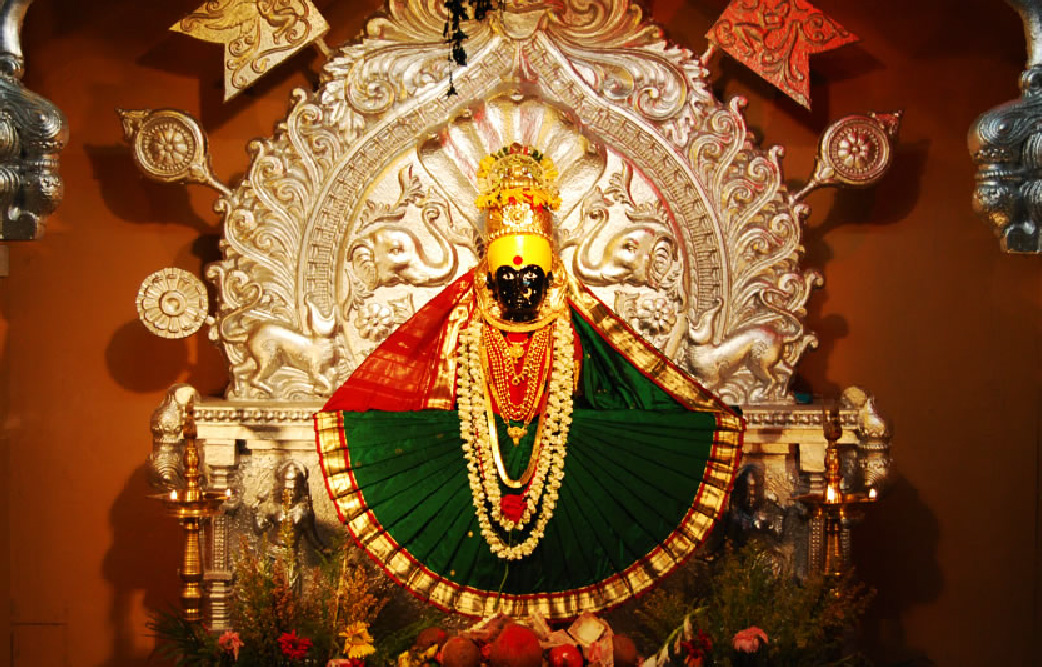
Kolhapur Mahalakshmi Temple (Maharashtra): 7th century Shakti Peeth where Ambabai form resides. Lakhs attend special maha abhishekam from 4 AM onwards. This is THE primary Lakshmi Jayanti destination.
Chennai Ashtalakshmi Temple (Tamil Nadu): Eight separate shrines for eight Lakshmi forms at Besant Nagar beach. All-day continuous puja with cultural programs.
Vellore Golden Temple (Tamil Nadu): Sri Lakshmi Narayani Temple with 1,500 kg gold plating. Shri Chakra circumambulation path. International devotees gather.
Mumbai Mahalakshmi Temple: Central location with three deities—Mahalakshmi, Mahakali, Mahasaraswati. Evening aarti particularly powerful.
Yadadri Lakshmi Narasimha (Telangana): Recently renovated hilltop temple. Known for debt removal. Special kalyana utsavam performed.
Do’s and Don’ts for Lakshmi Jayanti
Do’s
✓ Wake before sunrise ✓ Thoroughly clean house (Lakshmi avoids disorder) ✓ Wear traditional, clean clothes ✓ Light lamps in evening throughout home ✓ Share prasad generously ✓ Maintain pleasant demeanor ✓ Recite mantras with devotion ✓ Feed animals and birds ✓ Donate to needy
Don’ts
✗ Sleep during day ✗ Speak harshly or argue ✗ Keep home dirty or cluttered ✗ Waste food or money ✗ Disrespect women ✗ Be greedy or stingy ✗ Eat prohibited foods during vrat ✗ Skip puja due to laziness ✗ Ignore beggars or needy
Charitable Acts for Maximum Blessings
Lakshmi values generosity above all. On Jayanti, donate:
- Feed Brahmins and poor people
- Provide clothes to needy women
- Donate food grains to widows
- Support girls’ education
- Contribute to temple anna prasad
- Offer blankets in winter
- Give utensils for cooking
The more you share, the more Lakshmi multiplies your blessings. Her principle: wealth earned ethically and shared generously never diminishes.
Frequently Asked Questions (FAQs) – Lakshmi Jayanti 2026
Date and Timing Questions
Q1: When is Lakshmi Jayanti in 2026?
Lakshmi Jayanti falls on Tuesday, March 3, 2026. The Purnima Tithi begins at 05:55 PM on March 2, 2026, and ends at 05:07 PM on March 3, 2026.
Q2: What is the best time to perform Lakshmi puja on March 3, 2026?
The most auspicious time is during morning hours between 5:30 AM – 8:00 AM for main rituals and abhishekam, or evening between 5:30 PM – 8:00 PM for aarti before the tithi ends at 5:07 PM.
Q3: Can I perform puja on March 2nd evening since tithi starts at 5:55 PM?
Yes, you can begin preparations and kalash sthapana on March 2nd evening after 5:55 PM. However, the main puja and vrat are traditionally observed on March 3rd when Purnima is fully active.
Q4: What is the significance of March 3, 2026 being a Tuesday?
Tuesday is ruled by Mars (Mangal), bringing energy and determination to prosperity efforts. This adds extra strength to Lakshmi worship, making it favorable for removing obstacles and achieving financial goals.
Basic Information
Q5: What is Lakshmi Jayanti and why is it celebrated?
Lakshmi Jayanti celebrates the divine birth of Goddess Lakshmi during Samudra Manthan (churning of cosmic ocean) on Phalguna Purnima. Unlike Diwali which marks her return, Jayanti honors her original emergence, establishing permanent connection with divine prosperity.
Q6: How is Lakshmi Jayanti different from Diwali Lakshmi Puja?
Lakshmi Jayanti commemorates her cosmic birth and eternal nature, while Diwali celebrates her annual return to homes. Jayanti focuses on establishing permanent relationship with prosperity consciousness, whereas Diwali emphasizes renewal and welcoming her back.
Q7: Which form of Goddess Lakshmi is worshipped on Jayanti?
Devotees worship Mahalakshmi in her Samudra-ja (ocean-born) form—seated on lotus with four arms holding lotus, nectar pot, and displaying blessing mudras. Gaja Lakshmi (flanked by elephants) and collectively all Ashtalakshmi (eight forms) are also worshipped.
Q8: What does Phalguna Purnima mean?
Phalguna Purnima is the full moon day (Purnima) of the Phalguna month in Hindu lunar calendar, typically falling in February-March. It’s considered highly auspicious for Lakshmi worship as the full moon mirrors her radiant emergence.
Puja Procedure Questions
Q9: What items do I need for Lakshmi Jayanti puja?
Essential items: Lakshmi murti/image, copper kalash, mango leaves, coconut, flowers (lotus, rose, marigold), incense, ghee lamp, kumkum, turmeric, sandalwood paste, rice, fruits, sweets (especially kheer), betel leaves, coins, red cloth, and Ganga jal.
Q10: What is the step-by-step procedure for Lakshmi puja?
Begin with Ganesha puja, perform kalash sthapana, invoke Lakshmi with Gayatri mantra, perform abhishekam with panchamrita, offer 16-step worship (shodashopachara), chant mantras 108 times, recite stotras, perform aarti, and distribute prasad.
Q11: Which mantras should I chant during puja?
Essential mantras: “Om Shreem Mahalakshmyai Namah” (108 times minimum), Lakshmi Gayatri, Beej Mantra “Om Shreem Hreem Shreem,” Shri Suktam, and Lakshmi Ashtottara Shatanamavali (108 names).
Q12: What bhog should I offer to Goddess Lakshmi?
Traditional offerings include kheer (rice pudding), laddoos, panchamrita, coconut, pomegranate, bananas, grapes, and other sweets. Prepare with clean hands and sattvic mindset. Kheer is considered most auspicious.
Q13: Can I worship Lakshmi without Vishnu on this day?
While ideally Lakshmi and Vishnu should be worshipped together acknowledging their eternal union, worshipping Lakshmi alone is acceptable if Vishnu murti is unavailable. Her grace includes Narayana’s blessings as they are inseparable.
Vrat (Fasting) Questions
Q14: What type of fast should I observe on Lakshmi Jayanti 2026?
Three options: Nirjala (complete waterless fast), Phalahar (fruits, milk, nuts only), or Partial (one sattvic meal after evening puja). Choose based on health and capacity. Sincerity matters more than severity.
Q15: Can I drink water during Lakshmi Jayanti vrat?
In phalahar vrat, water is allowed throughout. In nirjala vrat, no water until moonrise or after completing evening puja. If health demands, drinking water doesn’t invalidate devotion—goddess values wellbeing over rigid rules.
Q16: When should I break the fast on March 3, 2026?
Break fast after sighting the moon (moonrise), completing evening puja and aarti, but before sunrise on March 4th. Begin with prasad kheer, then take phalahar items. Regular meal next morning after sunrise.
Q17: Who should not observe strict fasting?
Pregnant or nursing mothers, children under 7 years, seriously ill persons, and elderly with health conditions should avoid nirjala vrat. They can observe phalahar vrat or simply participate in puja without fasting.
Q18: What foods are allowed during phalahar vrat?
Allowed: Fresh fruits (banana, apple, pomegranate), milk and milk products, dry fruits, nuts, sabudana preparations, potatoes with rock salt (sendha namak), and water chestnut flour items. Avoid: All grains, regular salt, onion, garlic.
Astrological Significance
Q19: What is the astrological significance of Lakshmi Jayanti 2026?
March 3, 2026 falls under Uttara Phalguni Nakshatra ruled by Aryaman (solar deity of prosperity). The full moon amplifies lunar energies for abundance. Favorable Jupiter and Venus positions enhance prosperity intentions, making this timing powerful for removing Daridra Dosha and activating wealth houses in horoscope.
Q20: Can Lakshmi Jayanti remove financial problems astrologically?
Yes, observing this festival with devotion remedies Daridra Dosha (poverty affliction), strengthens weak Venus, neutralizes Rahu-Ketu negative effects on finances, and activates 2nd house (wealth) and 11th house (gains) in your horoscope.
Q21: Why is Uttara Phalguni Nakshatra important?
Uttara Phalguni, ruled by Aryaman, embodies patronage, benevolence, and righteous prosperity. This nakshatra ensures wealth comes through ethical means and sustains through generosity rather than temporary luck. It’s ideal for contracts, partnerships, and long-lasting financial stability.
Religious and Spiritual Questions
Q22: What are the spiritual benefits of observing Lakshmi Jayanti?
Scriptures promise removal of poverty for seven generations, household peace, success in all undertakings, protection from financial calamities, birth in prosperous families in future lives, development of virtues like gratitude and generosity, and eventual attainment of Vaikuntha (Vishnu’s abode).
Q23: What is the significance of Ashtalakshmi worship?
Ashtalakshmi represents eight forms covering all life dimensions: Adi Lakshmi (spiritual consciousness), Dhana Lakshmi (monetary wealth), Dhanya Lakshmi (food), Gaja Lakshmi (royal prosperity), Santana Lakshmi (progeny), Veera Lakshmi (courage), Vijaya Lakshmi (victory), and Vidya Lakshmi (knowledge).
Q24: Which Hindu scriptures mention Lakshmi’s birth?
Vishnu Purana (Book 1, Chapter 9), Bhagavata Purana (8th Skandha), Shri Suktam from Rig Veda, and Lakshmi Tantra from Pancharatra Agamas provide detailed accounts of her emergence during Samudra Manthan and theological significance.
Practical and General Questions
Q25: Can men observe Lakshmi Jayanti vrat?
Absolutely. While women observe more prominently, men equally benefit from Lakshmi vrat. Family prosperity requires both partners’ devotion. Men should participate fully in puja and can observe nirjala or phalahar vrat.
Q26: Which temples should I visit for Lakshmi Jayanti 2026?
Major pilgrimage sites: Kolhapur Mahalakshmi Temple (Maharashtra), Chennai Ashtalakshmi Temple, Vellore Golden Temple (Tamil Nadu), Mumbai Mahalakshmi, Yadadri Lakshmi Narasimha (Telangana), and Padmavathi Temple Tiruchanoor (Andhra Pradesh).
Q27: What charitable acts bring maximum blessings?
Feed Brahmins and poor people, donate clothes to needy women, provide food grains to widows, support girls’ education, contribute to temple prasad, give utensils for cooking, and offer blankets. Lakshmi values generosity – the more you share, the more blessings multiply.
Q28: What should I avoid on Lakshmi Jayanti day?
Avoid: Sleeping during day, speaking harshly, arguing, keeping home dirty or cluttered, wasting food or money, disrespecting women, being greedy, eating prohibited foods during vrat, skipping puja due to laziness, and ignoring needy persons.
Q29: How do I ensure Lakshmi stays permanently in my home?
Keep home clean and organized, repair leaking taps immediately, maintain Northeast direction clutter-free, grow tulsi plant, use pleasant fragrances, never keep broken items, ensure main door opens fully, practice regular Lakshmi worship, maintain sattvic lifestyle, and practice generosity consistently.
Q30: Can I perform Lakshmi puja in the evening instead of morning?
Yes, evening puja is equally powerful and traditionally preferred for Lakshmi Jayanti. Many devotees perform abhishekam in morning and main puja with aarti in evening between 5:30 PM – 8:00 PM before moonrise, aligning with the time of her original emergence.
Conclusion: Welcoming Lakshmi Permanently
Lakshmi Jayanti 2026 on Tuesday, March 3rd offers a divine opportunity to establish permanent prosperity consciousness in your life. This is not about temporary wealth but creating lasting relationship with the goddess who emerged from cosmic waters to bless all creation.
By observing proper puja vidhi, sincere vrat, continuous mantra japa, and generous charitable acts on this auspicious Phalguna Purnima, you align yourself with the very source of abundance. The Uttara Phalguni Nakshatra timing ensures this wealth comes through ethical means and sustains through dharmic conduct.
Remember, Goddess Lakshmi chooses devotees based on cleanliness, righteousness, and generous hearts not existing wealth. Your home’s purity, your mind’s devotion, and your heart’s compassion matter more than your bank balance.
This Lakshmi Jayanti, clean your home, purify your intentions, perform sincere worship, observe the vrat with dedication, chant her sacred mantras, and open your hands in charity. Watch how divine grace transforms your life, not just materially but spiritually, bringing the inner Lakshmi of contentment, gratitude, and peace.
May Goddess Mahalakshmi shower her eight-fold blessings upon you and your family. May her presence permanently reside in your home, removing poverty, bestowing prosperity, and guiding you toward dharmic abundance and ultimate liberation.
Om Shreem Mahalakshmyai Namah!
Help Us Keep This Guide Accurate
At Temple Connect, we regularly update our content to ensure you receive the most relevant and authentic information. If you’d like to suggest improvements, share regional traditions, or report any updates, we’d love to hear from you at connect@templeconnect.com
Follow us on our X platform.
Note to Readers: This article is intended for educational and devotional purposes. The information presented is based on traditional Hindu scriptures, contemporary religious practice, and scholarly research.
Individual observance may vary based on family tradition, regional custom, and personal circumstance. For specific guidance, especially regarding complex astrological remedies, please consult qualified priests, pandits, or Vedic astrologers. The health-related aspects mentioned are traditional beliefs and should not replace professional medical advice.