Papamochani Ekadashi: Significance, Vrat Katha, Puja Vidhi, and Complete Observance Guide
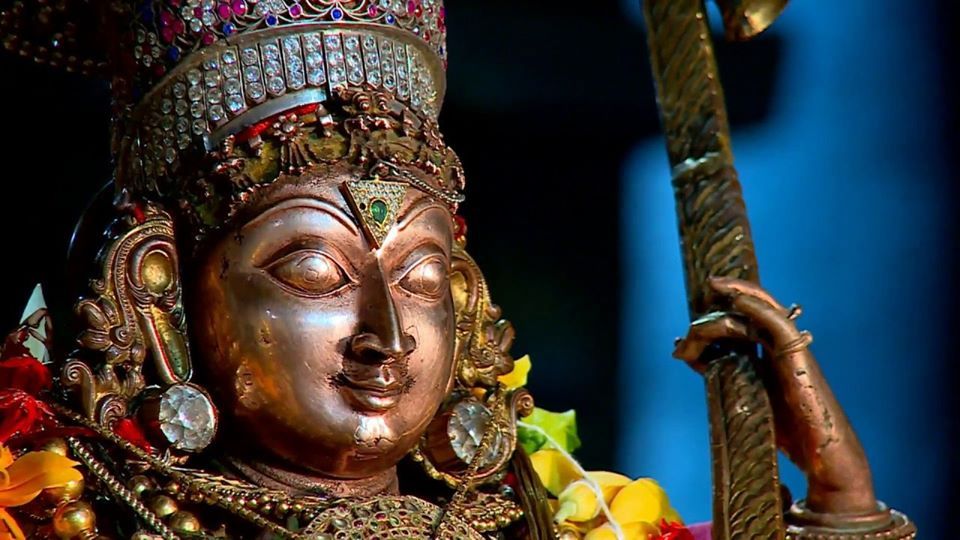
Papamochani Ekadashi stands as one of the most sacred observances in the Hindu lunar calendar, falling on the Krishna Paksha Ekadashi of Chaitra month. Dedicated to Sri Maha Vishnu in his Vasudeva form, this vrat carries the divine power to dissolve lifetimes of accumulated sins, reverse karmic afflictions, and set the devotee firmly on the path of moksha.
Papamochani Ekadashi is the final Ekadashi of the Hindu lunar year – a celestial gateway of forgiveness that absolves even the gravest sins and purifies the soul before the new spiritual year begins.
What is Papamochani Ekadashi
The name Papamochani is derived from two Sanskrit roots: Papa, meaning sin or transgression, and Mochani, meaning liberator or one who releases. Together, the name translates simply and powerfully as “the remover of sins.” This Ekadashi is also referred to in regional traditions as Papmochani Ekadashi, and in some South Indian texts it carries the Sanskrit descriptor Chaitra Krishna Ekadashi.
The origins of this observance are rooted in the Bhavishya Uttara Purana and the Padma Purana, where Bhagawan Shri Krishna himself narrates its glory to Arjuna. The same story is retold by Lomash Rishi to King Mandhata, giving the katha two layers of divine transmission both pointing to its immense antiquity and scriptural authenticity.
Position in the Hindu Calendar
Papamochani Ekadashi occurs on the eleventh tithi of Krishna Paksha in the month of Chaitra (March-April). The Hindu lunisolar calendar observes 24 Ekadashis each year – one during Shukla Paksha and one during Krishna Paksha of every month. In leap years (Adhik Maas), this number rises to 26.
Among all 24, Papamochani holds the distinction of being the last Ekadashi of the Hindu lunar year, observed just before the commencement of Chaitra Navratri and the Hindu New Year. This position makes it a final spiritual reckoning, an opportunity to shed accumulated karmic weight before a fresh cycle begins.
Tithi and Timing
The Ekadashi tithi of Krishna Paksha in Chaitra marks the precise day of observance. The fast begins from Dashami sunset and extends through Ekadashi, with Parana (fast-breaking) performed on Dwadashi, after sunrise, following the morning Vishnu puja.
The most auspicious period for puja is Brahma Muhurta approximately 96 minutes before sunrise when the atmosphere is sattvik and the mind is naturally inclined toward devotion. The morning hours up to midday are considered the primary window for abhishek, mantra japa, and katha recitation.
Evening jagaran (night vigil) with bhajans and Bhagavad Gita parayana extends the observance into the following dawn, completing the full spiritual arc of the vrat.
Astrological Significance of Papamochani Ekadashi
Planetary Positions and Their Influence
During Chaitra Krishna Paksha, the Sun has typically entered Meena Rashi (Pisces), which in Vedic astrology represents liberation, dissolution of the ego, and the ending of cycles. This transit places the Sun in the Revati Nakshatra zone, a star associated with completion and spiritual crossing. The waning moon of Krishna Paksha further reduces tamas and external distractions, making the mind receptive to inner purification.
Jupiter’s influence during this period strengthens Dharmic resolve, while the fasting itself is believed to reduce physical inertia (tamas guna), which astrologically enhances both Moon and Jupiter in the individual’s chart improving mental clarity and capacity for devotion.
Nakshatra Importance
In many years, this Ekadashi coincides with Shravana Nakshatra, which is directly associated with Lord Vishnu. Shravana’s symbol is the ear it governs listening, learning, and divine reception. Reciting the Vishnu Sahasranama or the Vrat Katha on a Shravana-aligned Ekadashi is said to carry magnified merit, and chanting Om Namo Bhagavate Trivikramaya on such a day is traditionally linked with attainment of the ashta siddhis (eight perfections).
Astrological Benefits of Observance
This Ekadashi is one of the few days in the Vedic calendar specifically prescribed as a remedy for Pitru Dosha, the affliction arising from ancestral karmic debts. Sincere observance is believed to liberate up to ten generations of ancestors from negative karmic cycles. It also neutralizes the malefic influence of Rahu, the planet of illusion and confusion, particularly when combined with the application of white sandalwood (Safed Chandan).
The twenty-four Ekadashis are linked in yogic astrology to twenty-four subtle energy centers within the heart; Papamochani governs the center associated with divine forgiveness and grace. Together, these dimensions make this Ekadashi a powerful astrological remedy as much as a religious observance.
Religious Significance of Papamochani Ekadashi
The Bhavishya Uttara Purana contains the most detailed account of this Ekadashi’s glory, narrated by Lord Krishna to Arjuna. The Padma Purana reinforces this with the Lomash Rishi Mandhata dialogue. Both texts emphasize that observing this fast with proper sankalpa and devotion grants merit equivalent to performing a thousand Ashvamedha Yajnas – one of the most elaborate and costly rituals in the Vedic tradition.
The Puranas further state that the mere act of hearing or reading the Vrat Katha earns the equivalent of donating a thousand cows in charity, a punya considered among the highest in the smriti literature. These scriptural proclamations are not mere hyperbole; they reflect the Puranic understanding that Vishnu’s grace, invoked on the correct tithi with correct intention, accelerates karmic resolution exponentially.
Papamochani Ekadashi occupies a unique theological position: it is the point where karma meets kripa where accumulated sin meets divine mercy. Hindu dharma teaches that karma is not punishment but consequence, and that sincere repentance combined with right action can dissolve karmic residue. This Ekadashi is the ritual embodiment of that principle. It demonstrates that no fall is final, no sin is beyond redemption provided the devotee turns toward Vishnu with genuine surrender.
Importance Across Sampradayas
Among Vaishnavas, this Ekadashi is observed with particular intensity, as it directly glorifies Lord Vishnu’s papmochani shakti – his power to liberate souls from sin. ISKCON temples worldwide organize special abhisheks, kirtans, and katha recitations on this day.
Shaivas who honor Ekadashi observances generally recognize its purifying power while viewing the story of Medhavi Rishi – a Shiva devotee – through the lens of Shiva’s grace enabling Vishnu’s redemptive act. Smarta households follow the vrat as part of their regular Ekadashi calendar, emphasizing its position as the year’s final purifier.
Connection to Hindu Cosmology
The Hindu concept of time operates in cycles – days, lunar months, Ekadashis, Navaratris, and ultimately the grand yugas. Papamochani Ekadashi sits at the hinge between the closing of one lunar year and the opening of the next. Just as the universe undergoes its periodic dissolution and renewal, this Ekadashi invites the individual soul to undergo its own micro-pralaya, a dissolution of accumulated impurity before re-emerging renewed.
Deities Worshipped on Papamochani Ekadashi
Primary Deity and Specific Form
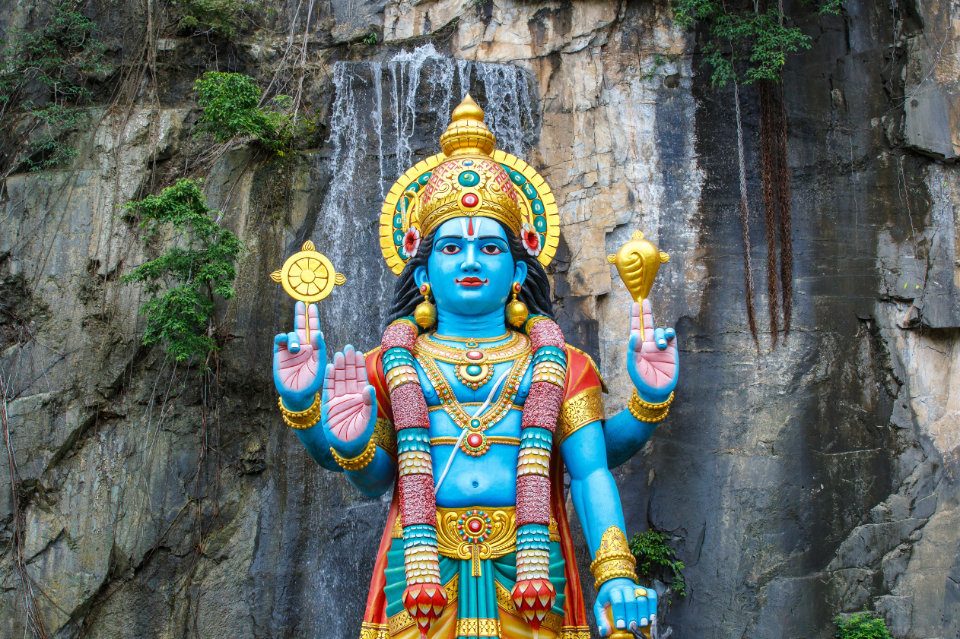
Lord Vishnu is worshipped on Papamochani Ekadashi in his Vasudeva form, the all-pervading, eternally present aspect of the divine. In iconographic tradition, this form depicts Vishnu reclining on Shesha Naga with Goddess Lakshmi at his feet, symbolizing cosmic protection and the dissolution of sin through divine grace.
Tulsi (the holy basil plant) is considered Vishnu’s eternal consort in ritual worship and holds supreme importance on all Ekadashis. On Papamochani Ekadashi, offering Tulsi leaves during abhishek is considered especially meritorious, as Tulsi patra is described in the Puranas as the single offering most pleasing to Vishnu.
Scriptural References
The Vishnu Purana and Bhagavata Purana describe Vasudeva as the primordial cause of all existence. The specific glorification of Vishnu’s sin-removing power on this Ekadashi is found in the Bhavishya Uttara Purana, where Krishna declares: observing this fast destroys brahmahatya (killing of a Brahmin), gold theft, intoxication, and illicit relations transgressions considered among the most severe in the smriti texts.
Associated Deities
Goddess Lakshmi is worshipped alongside Vishnu, as she embodies divine grace and abundance. Tulsi Devi receives her own ritualistic offering. In some regional traditions, particularly in Rajasthan around Pushkar, Ekadashi Mata herself is invoked as a presiding deity of the vrat.
Sacred Stories and Vrat Katha
The Legend of Medhavi Rishi and Manjughosha
The Vrat Katha, as narrated in the Bhavishya Uttara Purana through Lord Krishna’s words to Arjuna, unfolds in the ancient Chaitraratha forest, a celestial woodland of eternal spring where apsaras, kinnaras, and gandharvas roamed freely. Here, Medhavi Rishi, son of the sage Chyavan and an ardent devotee of Lord Shiva, performed intense tapasya. His spiritual radiance was so powerful that Indra, fearing the sage might claim dominion over the heavens, dispatched the apsara Manjughosha to break his penance.
Aided by Kamadeva, who fashioned weapons from the beauty of Manjughosha herself, using her eyebrows as a bow and her glances as arrows — the apsara sat nearby and played the veena with enchanting skill. Medhavi, young and resplendent as a second Kamadeva, gradually fell under the spell of her music and beauty. He abandoned his tapasya and spent years in pleasurable company, unaware of time’s passage.
When Manjughosha finally sought permission to leave, she revealed the truth: fifty-seven years had passed. The sage, horrified at this realization, flew into a rage and cursed her to become a Pishachini, a vampiric spirit being. In an instant she transformed, weeping and pleading. Guilt-stricken at his own anger and the ruin of his penance, Medhavi relented. He instructed her to observe the fast of Papamochani Ekadashi in Chaitra Krishna Paksha promising that this alone would free her from the cursed form.
He then confessed his fall to his father Chyavan, who prescribed the same fast as atonement. Both Medhavi and Manjughosha observed the vrat with complete devotion. Medhavi’s sins were destroyed and his tapas restored; Manjughosha shed the pishachini body, regained her celestial form, and ascended once more to heaven.
Symbolism in the Story
The katha is not merely mythological narrative, it is a precise symbolic map. Medhavi represents the disciplined soul capable of great tapasya; Manjughosha represents the beguiling nature of sensory pleasure; and Kamadeva represents the inner force of desire that exploits human vulnerability.
The fifty-seven years symbolize how deeply one can sink into unconsciousness under the influence of kama. The Pishachini curse represents the spiritual degradation that follows when a soul falls from its dharmic path. And Papamochani Ekadashi represents the grace that dissolves even this, not through denial of the fall, but through sincere atonement.
Complete Puja Vidhi: Step-by-Step Guide

Preparation (Dashami Evening)
On the evening before Ekadashi, consume a light, sattvic meal before sunset. Avoid grains, meat, onion, garlic, and tamasic food. Set the intention (sankalpa) for the following day’s fast.
Morning of Ekadashi
- Rise during Brahma Muhurta (96 minutes before sunrise).
- Take a purifying bath using Kush grass, sesame seeds, and a few drops of Gangajal or clean water charged with intention.
- Wear fresh yellow or white attire, yellow is considered especially auspicious for Vishnu worship.
- Clean the puja altar completely.
Setting Up the Altar
- Spread a yellow cloth on the altar. Place Vishnu’s idol or photo at the center, with a Tulsi plant to the side.
- Arrange items: panchamrit ingredients (milk, curd, ghee, honey, sugar), chandan, kumkum, yellow flowers, garlands, incense, ghee lamp, fruits, kheer, and Tulsi leaves.
Puja Procedure
- Invoke Lord Vishnu with: Om Namo Bhagavate Vasudevaya.
- Recite the Sankalpa – state your name, gotra, place, and vow to observe the fast for the destruction of sins and attainment of Vishnu’s grace.
- Perform Abhishek with panchamrit, pour milk, curd, ghee, honey, and sugar over the idol sequentially, followed by a plain water rinse.
- Apply chandan (sandalwood paste) and kumkum on the idol’s forehead.
- Offer fresh yellow flowers, garlands, and Tulsi patra, Tulsi is the most essential offering and must not be omitted.
- Light dhup (incense) and deep (ghee lamp).
- Offer naivedya: fruits, dry fruits, and kheer. Grain-based offerings are not permitted.
- Recite the Vishnu Sahasranama or the Hare Krishna Mahamantra with a full mala (108 repetitions).
- Read or listen to the complete Vrat Katha aloud, this itself carries the merit of donating a thousand cows.
- Perform aarti with the ghee lamp, circling the flame clockwise while chanting Om Jai Jagdish Hare.
Evening and Night Rituals
Perform jagaran, an all-night vigil with continuous bhajans, Bhagavad Gita parayana, and mantra japa. This keeps the devotee alert, focused, and in Vishnu’s presence throughout the night.
Parana (Breaking the Fast)
On Dwadashi, after sunrise and following the morning Vishnu puja, break the fast with sattvic food, fruits, kheer, or simple grain dishes. Avoid honey, urad dal, and multi-course meals on Dwadashi.
Vrat Observance
Types of Fasting
- Nirjala: Complete abstention from food and water- recommended for robust adults capable of full observance.
- Phalahar: Fruits, milk, nuts, and water, appropriate for most devotees.
- Partial Sattvic: A single light meal free of grains, pulses, and tamasic items, permitted for the elderly, unwell, or pregnant women.
Rules and Restrictions During Vrat
Avoid grains, pulses, rice, meat, onion, garlic, and tamasic substances through the entire Ekadashi. Do not sleep during daytime, this is considered a critical rule on all Ekadashis, as daytime sleep is said to negate the fast’s merit. Avoid gambling, conflict, and the company of those engaged in adharmic activities. Speak minimally and with purpose; the day’s energy supports silence and inward focus.
Who Can and Should Observe
The vrat is open to all men, women, and children (with phalahar) who have the sincere intention to purify themselves. Those with serious medical conditions may observe with light phalahar after consulting their physician.
Papamochani Ekadashi Vrat Benefits – Religious and Astrological
According to the Puranas, this vrat destroys sins of brahmahatya, gold theft, intoxication, and illicit conduct. Astrologically, it strengthens Moon and Jupiter, neutralizes Rahu’s malefic influence, and provides remedy for Pitru Dosha. Health benefits include digestive rest and mental clarity through the 24-hour fasting period.
Where Papamochani Ekadashi is Celebrated: Regional Traditions
Primary Temples and Celebrations
Tirupati (Andhra Pradesh): Sri Venkateswara Temple observes all Ekadashis with special Vishnu abhisheks and large-scale prasad distribution. Papamochani draws significant footfall.
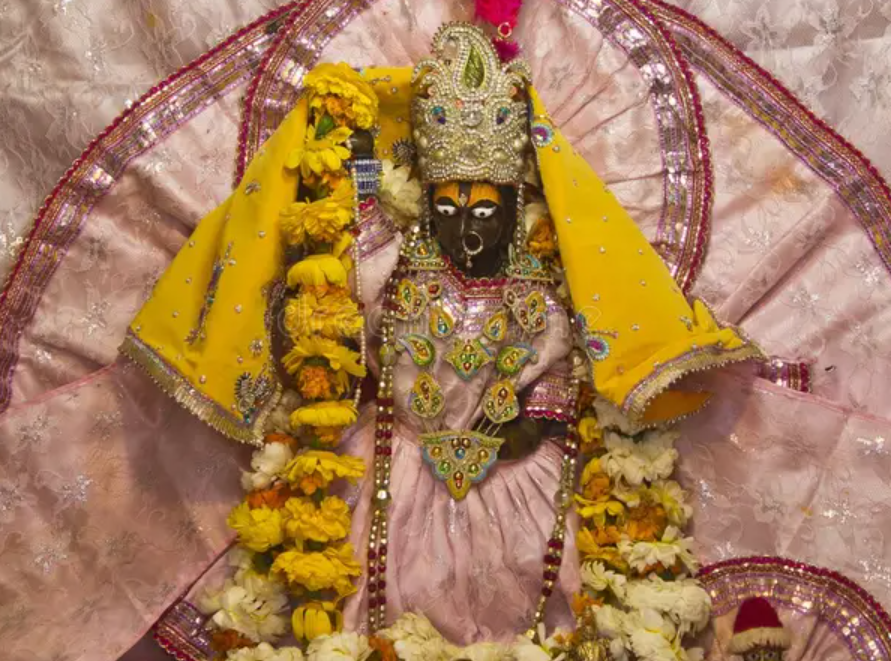
Pushkar (Rajasthan): The Pap Mochani Temple in Pushkar, dedicated to Ekadashi Mata, is arguably the most distinctive celebration of this Ekadashi in India. Pilgrims take ritual dips in Pushkar Lake on this day, believing the waters wash away accumulated sins. The festival includes a large mela with kirtan, darshan, and annadan.
Vrindavan and Mathura (Uttar Pradesh): ISKCON temples in Vrindavan organize akhand kirtan, special Vishnu abhisheks, and katha path, drawing devotees from across India and international Vaishnava communities.
Dwarka (Gujarat): The Dwarkadhish Temple observes the day with elaborate puja and mangal aarti attended by thousands.
Puri (Odisha): The Jagannath Temple observes Ekadashi with full Vaishnava protocols, including nirjala fasting by the sevayats (temple priests).
South India
In Telangana and Andhra Pradesh, family-centered observances are common — households recreate temple rituals at home altars, combining them with visits to local Vishnu temples. The emphasis is on the full Vrat Katha recitation and charity to Brahmins and the needy. Tamil Nadu and Karnataka ISKCON centers observe with kirtan-heavy programs and Vishnu Sahasranama recitation.
North India
Uttar Pradesh sees riverbank gatherings along the Ganga and Yamuna, with early morning ritual baths preceding temple visits. In Rajasthan, the Pushkar observance draws lakhs of pilgrims. In Delhi and the NCR region, ISKCON Dwarka and various Vaishnava mandirs host special programs.
International Celebrations
ISKCON temples in the United States, United Kingdom, Australia, and across Southeast Asia observe Papamochani Ekadashi with the same Vaishnava protocols — fasting, kirtan, katha recitation, and prasad distribution, making this a globally observed sacred day within the Vaishnava diaspora.
Charitable Acts (Dana) and Their Benefits
Charity on Papamochani Ekadashi carries amplified merit due to the sanctity of the tithi. Prescribed acts of dana include:
- Feeding Brahmins or the needy – equivalent in punya to performing a yajna
- Donating clothes, grains, or money to the deserving
- Offering jasmine flowers in puja, considered highly meritorious on this specific Ekadashi
- Performing kshamapana, seeking forgiveness from those one has wronged, and offering forgiveness freely
Traditional Remedies and Astrological Practices
- Apply Safed Chandan (white sandalwood paste) on the forehead to neutralize Rahu’s influence.
- Gaze at the morning Sun while chanting Om Ghrini Vishnu Aditya to align the soul’s energy with Vishnu’s preserving grace.
- For Pitru Dosha relief, perform tarpan (ancestral water offerings) after the morning puja and pray for the liberation of ancestors.
- Chant Om Namo Bhagavate Trivikramaya 108 times on days when Shravana Nakshatra coincides with this Ekadashi, for the invocation of the eight siddhis.
Conclusion
Papamochani Ekadashi is not merely a ritual occasion, it is a living declaration that no soul is beyond redemption. The story of Medhavi Rishi, who lost 57 years of tapasya to distraction yet regained his purity through this single vrat, is the eternal assurance that Vishnu’s grace is available to all who turn toward it with sincerity.
As the last Ekadashi of the lunar year, it serves as the final cleansing before the new cycle begins, a spiritual threshold through which the devotee crosses lighter, cleaner, and more aligned with dharma. Observe the vrat with faith, recite the katha with attention, perform the puja with devotion, and give generously to those in need. The rest belongs to Lord Vishnu’s papmochani shakti, the most merciful force in the cosmos.
Frequently Asked Questions
What is Papamochani Ekadashi? Papamochani Ekadashi is a sacred Hindu fasting day observed on the eleventh tithi of Krishna Paksha in the month of Chaitra. Dedicated to Sri Maha Vishnu, it is regarded as the most powerful day for the destruction of sins, atonement, and karmic purification. Its name literally means “remover of sins.”
When does Papamochani Ekadashi fall? It falls on the Krishna Paksha Ekadashi of the Chaitra month (March-April) in the Hindu lunisolar calendar. This makes it the final Ekadashi of the Hindu lunar year, occurring just before Chaitra Navratri and the Hindu New Year.
Which deity is worshipped on Papamochani Ekadashi? Lord Vishnu is the central deity, worshipped in his Vasudeva form. Goddess Lakshmi is also venerated alongside him, and the Tulsi plant receives special ritual attention as it is the offering most beloved by Vishnu.
Why is Papamochani Ekadashi considered special among all Ekadashis? It is the last of the 24 Ekadashis in the Hindu lunar year, positioned as the final spiritual purifier before the new year begins. The Bhavishya Uttara Purana states that fasting on this day grants merit equivalent to a thousand Ashvamedha Yajnas and destroys even the gravest sins, including brahmahatya.
What is the story behind Papamochani Ekadashi? The Vrat Katha narrates the story of Medhavi Rishi, who lost 57 years of tapasya to the enchantments of the apsara Manjughosha. In his anger, he cursed her to become a Pishachini. Both eventually observed Papamochani Ekadashi as prescribed, had their sins absolved, and regained their spiritual dignity.
What are the fasting rules for Papamochani Ekadashi? Grains, pulses, rice, meat, onion, garlic, and tamasic items are strictly prohibited. Devotees may observe Nirjala (complete fast), Phalahar (fruits and milk), or a single sattvic meal depending on their health and capacity. Daytime sleep must be avoided.
What mantra should be chanted on Papamochani Ekadashi? The primary mantra is Om Namo Bhagavate Vasudevaya. The Hare Krishna Mahamantra and Vishnu Sahasranama are also recited. On years when Shravana Nakshatra coincides with this Ekadashi, Om Namo Bhagavate Trivikramaya is particularly potent.
What is the astrological significance of Papamochani Ekadashi? This Ekadashi coincides with the Sun’s presence in Meena Rashi (Pisces) and often with Shravana Nakshatra. It is a powerful remedy for Pitru Dosha, neutralizes Rahu’s malefic influence, and strengthens Moon and Jupiter in the individual’s chart through the act of fasting and devotion.
Where is Papamochani Ekadashi most prominently celebrated? Key celebration centers include Pushkar (Rajasthan) at the Pap Mochani Temple, Tirupati, Vrindavan, Dwarka, and Puri. ISKCON temples globally also observe it with full Vaishnava protocols including kirtan and katha recitation.
When and how is the fast broken (Parana)? The fast is broken on Dwadashi, the day following Ekadashi, after sunrise and after completing the morning Vishnu puja. The meal should be sattvic, fruits, kheer, or simple grain dishes. Honey, urad dal, and multi-course meals are avoided on Dwadashi.
Can pregnant women or elderly devotees observe this Ekadashi? Yes. Those unable to observe full fasting may opt for Phalahar (fruits, milk, nuts) or a single light sattvic meal. The sincerity of devotion matters more than the strictness of the fast; exemptions exist for health-based reasons.
What charitable acts are recommended on this day? Feeding the needy or Brahmins, donating clothes and grains, offering jasmine flowers in puja, and performing kshamapana (seeking and offering forgiveness) are highly recommended. The merit of charity is multiplied significantly on this auspicious tithi.
What is the remedy for Pitru Dosha on Papamochani Ekadashi? Observing the fast sincerely, performing tarpan (ancestral water offerings) after the morning puja, and praying for the liberation of ancestors is traditionally prescribed as a remedy for Pitru Dosha. The Puranas state this practice can liberate up to ten generations of ancestors from negative karmic cycles.
Is this Ekadashi observed differently across India? Yes. Rajasthan emphasizes the Pushkar mela and lake-side rituals; Vaishnava communities in UP observe strict Nirjala fasting; South Indian traditions emphasize Tulsi theertha and family puja; ISKCON centers worldwide prioritize kirtan and katha recitation. The core vrat, however, remains consistent across all regional variations.
What happens if someone only reads or listens to the Papamochani Ekadashi Vrat Katha without fasting? According to the Bhavishya Uttara Purana, even hearing or reading the Vrat Katha sincerely yields merit equivalent to donating one thousand cows in charity. While fasting amplifies the vrat’s full benefit, the katha itself carries independent and significant spiritual power.
Om Namo Bhagavate Vasudevaya!
Help Us Keep This Guide Accurate
At Temple Connect, we regularly update our content to ensure you receive the most relevant and authentic information. If you’d like to suggest improvements, share regional traditions, or report any updates, we’d love to hear from you at connect@templeconnect.com
Follow us on our X platform.
Note to Readers: This article is intended for educational and devotional purposes. The information presented is based on traditional Hindu scriptures, contemporary religious practice, and scholarly research.
Individual observance may vary based on family tradition, regional custom, and personal circumstance. For specific guidance, especially regarding complex astrological remedies, please consult qualified priests, pandits, or Vedic astrologers. The health-related aspects mentioned are traditional beliefs and should not replace professional medical advice.