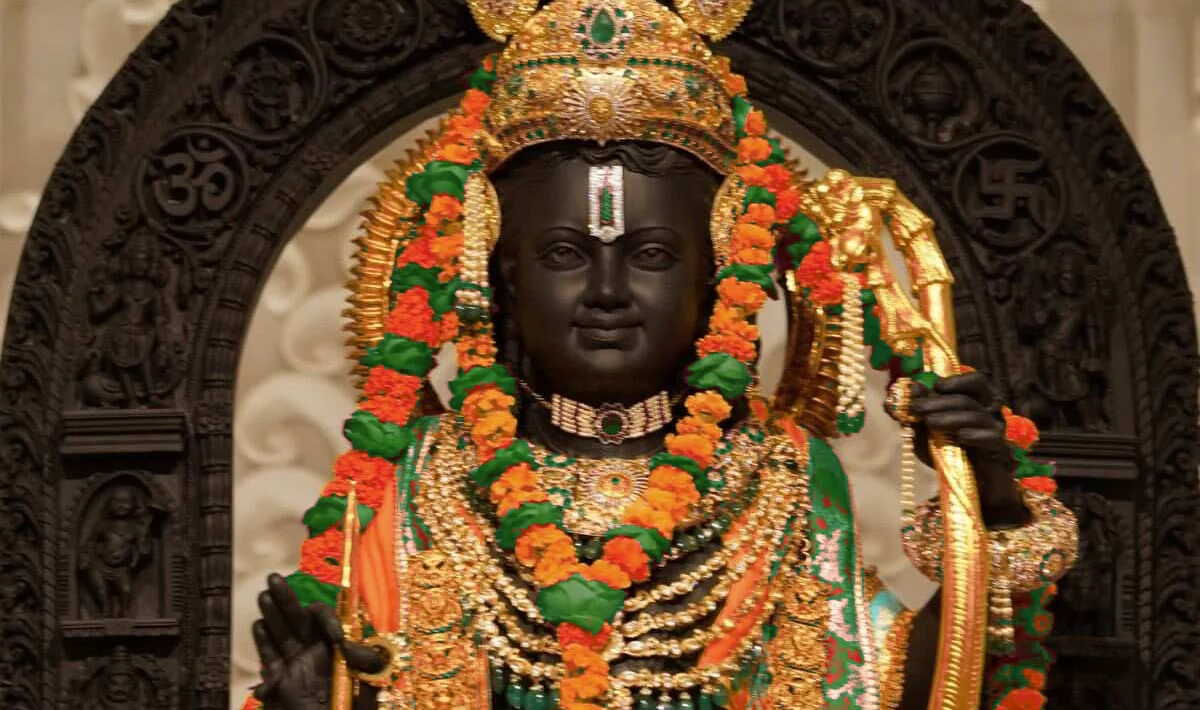
Phulera Dooj: The Complete Guide to the Divine Festival of Radha-Krishna’s Union
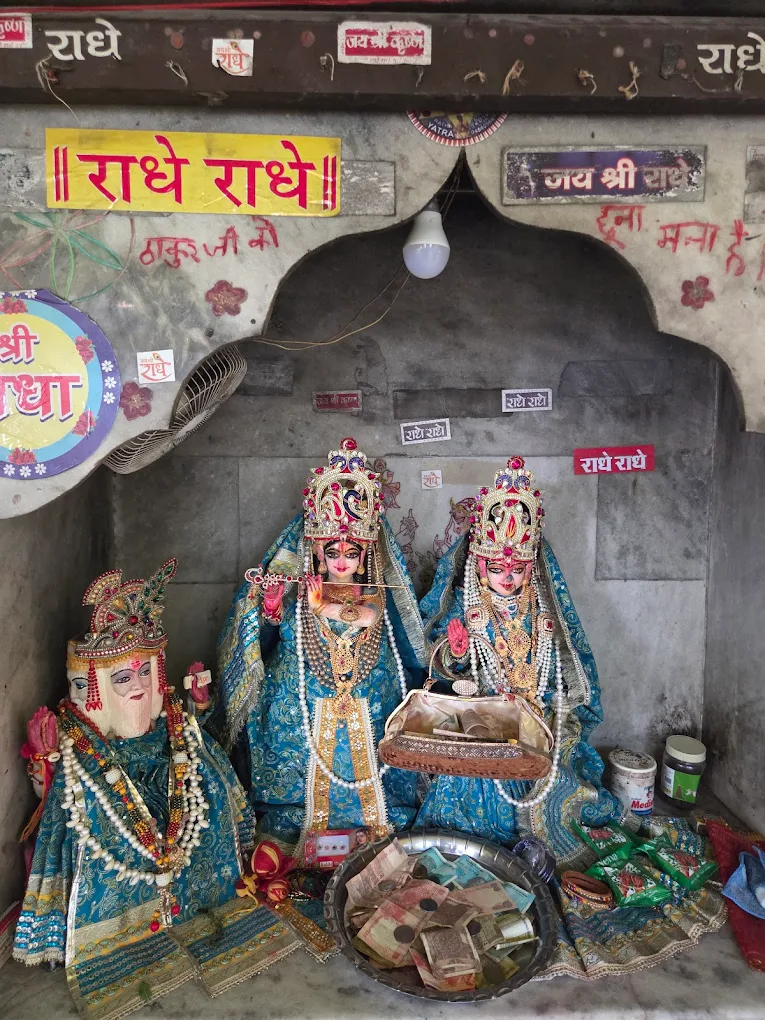
Phulera Dooj marks the sacred beginning of Holi festivities in Braj, celebrating the divine marriage of Radha and Krishna on Phalguna Shukla Dwitiya. Observed as an exceptionally auspicious, dosh-free day, devotees worship Shri Krishna, the eighth avatar of Vishnu, alongside Srimati Radha through gentle flower offerings. This festival symbolizes the blossoming of pure devotion, the arrival of spring, and the start of week-long Holi celebrations across India.
What is Phulera Dooj
Phoolera Dooj, also called Phulera Dooj, Phul Dooj, or “phoolon wali Holi,” is a major Vaishnava festival dedicated to Radha and Krishna. The name derives from “phool” (flower) and “Dooj” (Dwitiya), meaning the second lunar day of flowers. This festival falls on Shukla Dwitiya of Phalguna month, positioning itself between Vasant Panchami and the main Holi festivities.
Phulera Dooj serves as the official spiritual beginning of Holi celebrations in the Braj region. From this day onwards, temples and devotees begin the week-long countdown to Dhulandi (Rangwali Holi). The colors offered to Krishna start as flowers and sacred gulal rather than the exuberant powder play of later days.
The festival is widely recognized as an “Abujh Muhurat,” a day so inherently auspicious that no separate muhurat calculations are required for weddings, griha pravesh, naming ceremonies, or any sacred undertakings. This makes it one of the most sought-after days for marriages across North India.
Date and Timing
Phulera Dooj is observed on Phalguna Shukla Dwitiya according to the traditional North Indian panchang. This typically corresponds to late February or early March in the Gregorian calendar. The exact date varies each year based on lunar calculations, falling approximately 10-15 days before the main Holi festival.
The celebration begins at sunrise on Dwitiya tithi and continues until the tithi ends. Devotees perform morning puja during Brahma Muhurat, followed by temple darshan and evening aarti. The most auspicious time for conducting marriages and other ceremonies is during the daytime hours when both sun and moon favor the muhurat.
This timing places Phulera Dooj at the transition from winter (Shishir Ritu) to spring (Vasant Ritu). Nature itself is in celebration mode with blooming flowers, warming weather, and vibrant colors painting the landscape. The festival acknowledges this natural transformation as a manifestation of divine joy.
Which Form of Vishnu is Worshipped on Phulera Dooj
Phulera Dooj is fundamentally dedicated to Bhagawan Shri Krishna as the eighth avatar of Vishnu, worshipped together with Srimati Radha Rani. This is explicitly established in sacred texts including Brahma Vaivarta Purana (Krishna Janma Kanda) and Garga Samhita. The festival celebrates their divine wedding and eternal love.
Krishna is worshipped specifically in his Braj roop, the cowherd boy and youthful lover of Vrindavan. This is distinct from his Dwarakadheesh form as a king or his cosmic Vishnu manifestation with four arms. The emphasis is on madhurya bhava, the sweet and intimate love between devotee and Divine, rather than the awe-inspiring cosmic aspect.
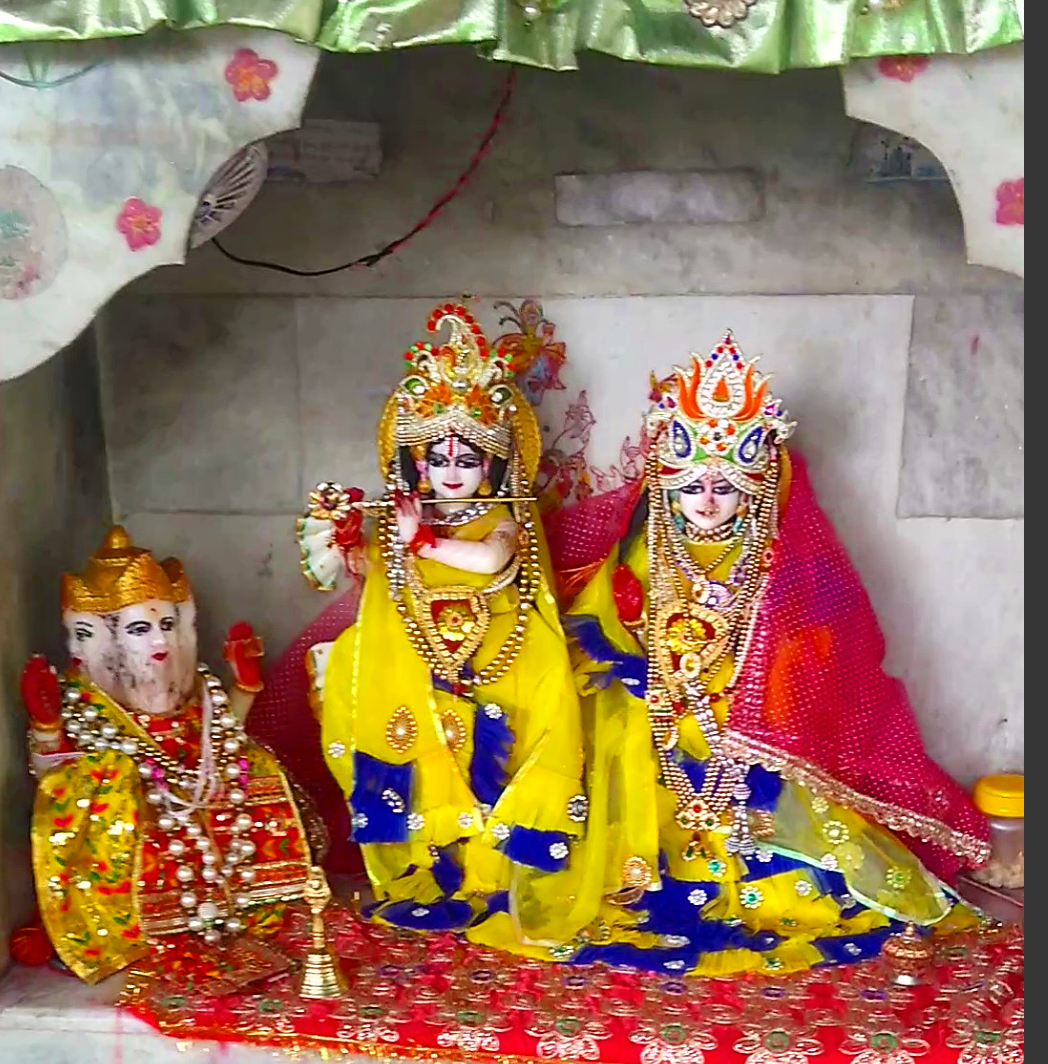
Temples highlight specific forms during this festival: Banke Bihari of Vrindavan (the tilted form), Bhandir Bihari of Bhandirvan (Krishna filling Radha’s parting with sindoor), Radha Vallabh Lal (where Radha’s crown sits beside Krishna), and Laddu Gopal (child Krishna popular in home worship). The deity is always shown with his flute, adorned with flower garlands rather than heavy royal jewelry.
Regional Deity Variations
While Radha-Krishna remain central across most regions, some variations exist based on local Vaishnava traditions. In South Indian Vishnu temples, devotees may offer flowers to Srinivasa (Venkateswara Swamy) and Padmavathi, maintaining the Vaishnava connection. Rajasthan’s Nathdwara celebrates with elaborate seva to Shrinathji, another form of Krishna.
Gujarat’s Swaminarayan mandirs and ISKCON temples observe the day with kirtan and flower abhishek to their installed deities. Bengal’s Gaudiya Vaishnava communities honor Radha-Govinda forms with special offerings incorporating local flowers like Shiuli and Champa. Despite regional variations, the core worship remains focused on Krishna as Vishnu’s avatar and his beloved Radha.
The Sacred Story: Radha-Krishna’s Divine Wedding at Bhandirvan
The primary katha associated with Phulera Dooj comes from Brahma Vaivarta Purana and Garga Samhita. This narrative forms the religious foundation explaining why this day is celebrated with such reverence for marriages and divine love.
One day, young Krishna accompanied Nanda Baba to herd cows in Bhandirvan, one of the twelve sacred forests of Braj. Suddenly, fierce clouds gathered, thunder roared, and torrential rain began threatening the cattle and cowherds. Nanda, worried for everyone’s safety, requested Krishna to calm the storm with his divine powers.
As Krishna lifted his hand to dispel the storm, the clouds parted and Srimati Radha manifested in the forest clearing. She approached Nanda and gently lifted infant Krishna from his lap. The moment Radha held him, Krishna transformed into a youthful form equal in age and height to Radha herself.
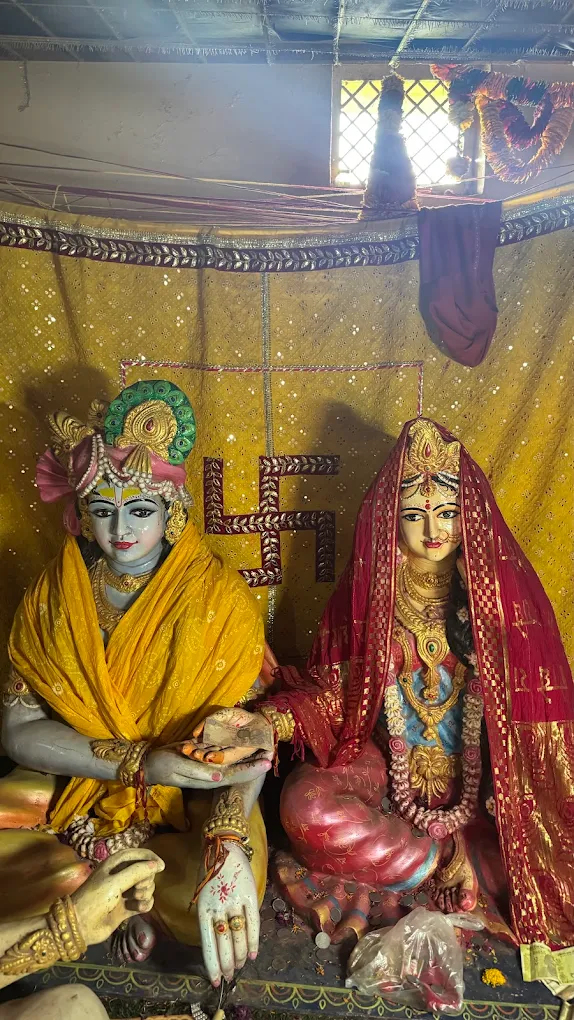
Witnessing this extraordinary leela, Brahma descended from the heavens. Overwhelmed with devotion, he begged permission to serve as the priest for their wedding ceremony. Right there in Bhandirvan, under the sacred Vat (banyan) tree, Brahma performed complete Vedic marriage rites of Radha and Krishna on Phalguna Shukla Dwitiya.
After the sacred ceremonies concluded with all proper mantras and rituals, Krishna playfully resumed his child form and returned to Nanda’s lap. This divine wedding remained hidden from ordinary eyes but was revealed to pure devotees through sacred texts. This is why Phulera Dooj is celebrated as the eternal anniversary of Radha-Krishna’s divinely sanctioned union.
The Bhandir Bihari temple near Mant in Braj today preserves this memory. The temple enshrines a unique murti showing Krishna standing on his toes, filling Radha’s parting (maang) with sindoor, forever commemorating this wedding moment. Devotees, especially married and soon-to-be-married couples, visit this temple on Phulera Dooj to perform Radha-Krishna wedding rituals as sacred vows seeking blessings.
The Phulera Dooj Vrat Katha
Another important story forms the Phulera Dooj Vrat Katha, traditionally narrated during the day’s puja and vrat observance. This katha directly explains the festival’s connection with flowers and the beginning of Holi celebrations.
Once, Krishna had been away from Vrindavan for an extended period, absorbed in his divine duties elsewhere. In his absence, Radha sank into such profound viraha (divine separation) that her sorrow affected all of creation. Flowers wilted and lost their fragrance, greenery faded to brown, birds fell silent, and even the sacred Yamuna’s waters seemed to lose their sparkle.
Seeing Radha’s unbearable pain, Krishna’s compassionate heart melted. On Shukla Dwitiya of Phalguna month, he returned to Vrindavan to reunite with his beloved. To break Radha’s deep grief and bring back her divine smile, Krishna plucked a fragrant spring flower and gently, playfully tossed it at her.
Radha, surprised and delighted by Krishna’s return and playful gesture, smiled for the first time in many days. She picked up flowers scattered around her and threw them back at Krishna in loving response. Soon, all the gopis joined in this joyful celebration, showering the divine couple with colorful, fragrant petals while dancing and singing.
As this blissful flower-play continued, Vrindavan itself underwent magical transformation. Flowers bloomed abundantly everywhere, fields turned lush green, peacocks danced, and birds resumed their melodious songs in the trees. This first “Holi” of flowers, gentle and fragrant rather than riotous, became the eternal seed of Phulera Dooj celebrations.
The katha concludes with the teaching that wherever Krishna’s divine presence returns, complete harmony and joy return not only to the devotee’s heart but to the entire cosmos. Devotees observing Phulera Dooj vrat must listen to this story during their puja, as hearing and reflecting on Krishna’s leelas is itself considered a sacred form of worship.
Why Phulera Dooj is Called Abujh Muhurat
One of the most significant aspects making Phulera Dooj highly popular is its designation as an “Abujh Muhurat.” The term “Abujh” means that which requires no understanding or calculation of auspicious timing. This makes Phalguna Shukla Dwitiya exceptionally powerful for beginning any important life event.
Vedic astrologers and panchang scholars classify this tithi as “nirguna,” meaning completely free from planetary afflictions, doshas, and inauspicious yogas. Unlike other days where specific muhurat must be carefully calculated considering nakshatra, tithi, karana, and planetary positions, Phulera Dooj itself sanctifies any activity performed with devotion. No additional astrological consultation is required.
This classification makes Phulera Dooj particularly favorable for conducting weddings without elaborate muhurat calculations. Since the day commemorates Radha-Krishna’s own divine marriage performed by Brahma himself, couples marrying on this day receive the blessings of the eternal divine union. Marriage halls and temples across North India witness numerous wedding ceremonies on this single day.
Auspicious Activities on Phulera Dooj
Based on the Abujh Muhurat status, the following activities are considered highly auspicious:
- Marriage ceremonies and engagement rituals
- Griha pravesh (entering a new home)
- Naming ceremonies for newborn children
- Starting new business ventures or shop inaugurations
- Purchasing vehicles, property, or valuable assets
- Beginning educational pursuits or joining new institutions
- Initiating construction of homes or temples
- Any shubh karya requiring divine blessings
Devotees undertake these activities confidently knowing the day itself carries divine grace. The popular belief states that activities begun on Phulera Dooj proceed smoothly without obstacles and yield fruitful results. The only prerequisite is maintaining purity of intention and offering prayers to Radha-Krishna before beginning.
Phulera Dooj Puja Vidhi: Complete Step-by-Step Guide
The puja vidhi for Phulera Dooj combines standard Vaishnava worship protocols with unique flower-centric traditions. Following the proper vidhi ensures that devotees receive maximum blessings from observing this sacred festival.
Preparation (Previous Evening and Early Morning)
Begin preparations on the evening of Phalguna Shukla Pratipada (the day before Phulera Dooj). Clean your home thoroughly, especially the puja room or area where you will establish the altar. Gather all necessary puja materials including fresh flowers, incense, ghee for diyas, sandalwood paste, kumkum, rice, and ingredients for bhog preparation.
Wake up during Brahma Muhurat (approximately 90 minutes before sunrise) on Phulera Dooj morning. Complete your daily bath and wear fresh, clean clothes, preferably yellow or white colored. Yellow represents spring and is especially dear to Vishnu-Krishna, while white signifies purity and devotion.
Clean the puja area again using water mixed with Ganga jal if available. Create beautiful rangoli patterns near the altar using flower petals and colored powder. Prepare the elevated platform (chowki) where you will place the deity, covering it with fresh silk cloth.
Setting Up the Altar
Place your Radha-Krishna murti (idol) or framed picture on the prepared platform. If you worship Laddu Gopal (child Krishna), prepare for abhishek ceremony. Many households create a “phool bangla” (flower palace) by constructing a small decorative canopy made entirely of flowers or flower strings around the deity.
Arrange fresh seasonal flowers all around the altar. Traditional choices include yellow marigolds, red roses, white jasmine, and orange Palash (flame of the forest) flowers if available. The altar should appear as a blooming spring garden reflecting Vrindavan’s natural beauty.
Detailed Puja Steps
Step 1: Dhyana (Meditation and Invocation)
Sit before the altar in a clean posture with folded hands. Close your eyes and meditate on the divine forms of Radha and Krishna standing in a blooming Vrindavan garden, surrounded by flowering creepers, peacocks, and gentle spring breeze. Invoke their presence with sincere devotion.
Step 2: Abhishek (Sacred Bathing of Deity)
If using movable murtis, perform abhishek ceremony:
- First bathe with panchamrit (mixture of milk, yogurt, ghee, honey, sugar)
- Follow with pure water or Ganga jal
- Gently dry with soft, clean cloth
- If using framed pictures, skip abhishek and proceed to next step
Step 3: Vastra (Dressing the Deity)
Dress the deity in fresh, new clothes. White or yellow colored garments are most appropriate for this festival. Apply chandan (sandalwood paste) tilak on the forehead. Adorn with flower garlands, keeping the decoration natural and spring-themed rather than heavy with jewelry.
Step 4: The Unique Gulal-Cloth Tradition
This step is distinctive to Phoolera Dooj and central to its identity as the beginning of Holi:
- Take a small piece of clean white or yellow cloth
- Place a small pinch of colored gulal powder in the center
- Tie the cloth securely into a small bundle
- Gently tie this bundle around Krishna’s waist, wrist, or place it at his feet
- This represents offering the “first color” of the Holi season to Krishna
- The cloth remains throughout the day and is removed after evening bhog
Step 5: Pushpa Puja (Flower Worship)
This is the main ritual that defines Phoolera Dooj:
- Offer fresh flowers at the deity’s feet one by one with devotion
- Apply chandan paste to fresh flowers and offer them
- Sprinkle rose water or scented water around the altar
- Light ghee diyas (oil lamps) on both sides of the deity
- Light incense sticks to sanctify the atmosphere
- Offer akshat (unbroken rice grains mixed with kumkum)
Step 6: Phoolon ki Holi (Flower Holi Before Deity)
Recreate the Vrindavan flower-leela before your altar:
- Take handfuls of fresh flower petals
- Gently toss them in front of the deity while chanting Radha-Krishna names
- Some devotees lightly shower petals over the murti itself
- Create a bed of colorful petals around the deity’s feet
- This gentle, devotional flower play represents the original Holi
Step 7: Mantra Japa and Kirtan
Chant the following mantras with full concentration:
Hare Krishna Maha Mantra (minimum 108 times): “Hare Krishna Hare Krishna, Krishna Krishna Hare Hare, Hare Rama Hare Rama, Rama Rama Hare Hare”
Vishnu Mantra: “Om Namo Bhagavate Vasudevaya”
Radha-Krishna Mantra: “Radhe Krishna Radhe Krishna, Krishna Krishna Radhe Radhe”
Phulera Dooj Special Mantra: “Vasantaya Madhumataya Riturajaya Te Namah, Phalguni Phalguni Maaye Radha Krishna Namostute”
Sing bhajans and kirtans describing Krishna’s Holi leelas. Popular choices include “Hori Khelat Nand Lal,” “Rang Barse Bheege Chunar Wali,” and traditional Braj Bhasha rasiya songs.
Step 8: Vrat Katha Path (Reading the Sacred Story)
Narrate or read the Phulera Dooj Vrat Katha (the flower-leela story) aloud. All family members should listen attentively as this storytelling is integral to the vrat observance. The katha can be read from printed booklets available at religious stores or recited from memory.
Step 9: Bhog Offering
Prepare and offer traditional sattvic foods to Radha-Krishna:
Traditional Bhog Items:
- Panjeeri (sweet made with wheat flour, ghee, sugar, dry fruits)
- Kheer (rice pudding or makhana kheer)
- Makhan-mishri (fresh butter with sugar crystals)
- Besan laddus or Boondi laddus
- White sweets (peda, barfi, rasgulla)
- Malpua (sweet pancakes)
- Fresh seasonal fruits
- Thandai (for evening offering)
- Poha (flattened rice preparation)
Arrange the bhog on clean plates and place before the deity. Offer it with folded hands, sincere prayers, and these words: “He Radha-Krishna, kripaya yeh bhog sweekar kijiye” (O Radha-Krishna, please accept this offering). Sprinkle water around the bhog three times and wait for 10-15 minutes allowing the deity to “consume” it.
Step 10: Aarti
Perform the complete aarti ceremony:
- Light a ghee lamp with multiple wicks (preferably 5 or 7)
- Wave the lamp in circular clockwise motions before the deity
- First circle the lamp around the feet, then body, then face, then full form
- Complete with circular motion around the entire altar
- Ring bells throughout the aarti
- Sing traditional Radha-Krishna aartis
Popular Aarti Songs:
- “Aarti Kunj Bihari Ki”
- “Radha Krishna Prabhu Ki Aarti”
- “Aarti Shri Radha Ramana Bihari Ji Ki”
Step 11: Pushpanjali and Pranaam
After aarti, offer final respects:
- Take flower petals in cupped hands
- Offer pushpanjali (flower offering) at deity’s feet
- Perform full prostration (dandavat pranaam) or bow with folded hands
- Pray for devotion, family harmony, prosperity, and removal of obstacles
Step 12: Evening Ritual and Gulal-Cloth Removal
In the evening, perform a shorter puja with diyas and incense. Offer the evening or night bhog (Shayan Seva). After this evening offering, respectfully remove the gulal-cloth tied in the morning. At this point, take a small pinch of gulal and lightly sprinkle it in front of the altar as symbolic completion of offering Holi’s first colors to Krishna.
Step 13: Prasad Distribution
Distribute the offered bhog as prasad among all family members, neighbors, friends, and any guests present. It is considered highly auspicious to share Phulera Dooj prasad widely, spreading the blessings of Radha-Krishna.
Phulera Dooj Vrat Observance
Fasting on Phulera Dooj is optional but widely practiced by devoted followers. The vrat emphasizes joyful devotion rather than strict austerity, making it accessible to devotees based on their physical capacity and circumstances.
Types of Fasting
Phalahar Vrat (Fruit and Milk Fast):
- Consume only fruits, milk, yogurt, nuts
- Sabudana (sago) preparations allowed
- Sendha namak (rock salt) permitted
- Avoid all grains, lentils, regular salt
- This is the most common fasting method
Nirjala Vrat (Waterless Fast):
- Only for physically strong devotees
- No food or water throughout the day
- Complete the fast next morning after sunrise
- Not recommended for elderly, children, pregnant women, or those with health conditions
Partial Fast:
- One light sattvic meal during the day
- Avoid onion, garlic, non-vegetarian food
- No grains in some traditions
- Focus on maintaining purity of food and thought
Complete Vrat Procedure
Morning Sankalp (Sacred Vow): Wake during Brahma Muhurat, complete bath, and sit before Radha-Krishna altar. Take water in your right palm, state your name and gotra (if known), mention the tithi and purpose. Declare: “I am observing Phulera Dooj vrat for the blessings of Radha-Krishna, for family prosperity, devotion, and happiness.” Release the water at the deity’s feet or in a plant.
Daytime Activities:
- Engage in continuous mantra japa throughout the day
- Read Srimad Bhagavatam, especially 10th Canto describing Krishna’s leelas
- Study Bhagavad Gita, focusing on bhakti yoga chapters
- Listen to or narrate Krishna kathas and devotional stories
- Avoid worldly conversations, entertainment, and distractions
- Maintain silence (mauna) if possible
Evening Puja: Perform an elaborate evening puja with renewed devotion. Offer fresh flowers, light multiple diyas, perform extended aarti, and distribute prasad.
Parana (Breaking the Fast): Break the fast the following morning after sunrise. Perform brief morning puja, offer fresh food to deity, and consume it as prasad. If observing Nirjala vrat, first drink water offered to deity, then gradually consume light foods.
Vrat Benefits
Traditional texts and devotional practice attribute specific benefits to observing Phulera Dooj vrat:
- Strengthening of devotion and love for Radha-Krishna
- Harmony in marital relationships
- Success in finding suitable life partner
- Removal of obstacles in important undertakings
- Purification of mind and body
- Fulfillment of sincere desires aligned with dharma
Where Phulera Dooj is Celebrated: Regional Traditions
Braj Region: The Heartland
The Braj region of Uttar Pradesh remains the undisputed center of Phulera Dooj celebrations. This sacred land encompassing Mathura, Vrindavan, Gokul, Barsana, Nandgaon, and Bhandirvan celebrates with unmatched devotion and traditional authenticity.
Vrindavan Temples:
Banke Bihari Temple: The most famous temple for Holi-related festivities. The deity receives special floral garments (vastra) made entirely of fresh flowers. Priests perform elaborate flower-seva throughout the day. The sandhya aarti features magnificent devotional singing with traditional instruments. Devotees receive blessed flower petals as prasad, which they preserve throughout the year.
Radha Vallabh Temple: This temple uniquely emphasizes Radha’s equal presence. A jeweled crown representing Radha is placed beside Krishna’s murti. The evening features “samaj mein rasiya,” a traditional responsive singing format where Braj Bhasha verses about Krishna’s Holi sports are sung. Accompanied by mridanga and manjira, the atmosphere becomes intensely devotional yet playfully joyful.
Radha Raman Temple: Established by Gopal Bhatt Goswami, this temple extends darshan timings on Phulera Dooj. The deity is placed on a specially constructed flower-decorated swing (jhula), and devotees can witness the gentle swaying throughout the day.
Shahji Temple: Known for architectural magnificence, the main hall hosts a stunning floral swing for Radha-Krishna. The deity appears to sway amid thousands of spring blooms, creating a mesmerizing darshan experience.
Prem Mandir: This modern temple complex creates elaborate flower decorations and light displays. Special programs include kirtan, pravachan (spiritual discourse), and community prasad distribution.
Bhandirvan: The spiritual epicenter of Phoolera Dooj celebrations. The Bhandir Bihari temple witnesses the largest gathering of devotees, especially couples seeking marital blessings. Wedding-style rituals for Radha-Krishna are performed by temple priests. Devotees circumambulate the sacred banyan tree and offer prayers at the exact spot where Brahma performed the divine wedding.
Barsana and Nandgaon: These villages famous for Lathmar Holi consider Phulera Dooj as the official launch of Holi season. Temple committees announce the dates for upcoming Lathmar Holi events. Devotees gather for early morning kirtans singing phag songs. Small-scale flower-Holi events begin in temple courtyards.
North India: Urban Krishna Temples
Mathura: The birthplace of Krishna witnesses extensive celebrations. Krishna Janmabhoomi temple, Dwarkadhish temple, and numerous other mandirs conduct special sevas. Markets sell flowers, bhog ingredients, and puja materials at peak volumes. Cultural programs featuring Braj folk music and dance are organized in public spaces.
Delhi: Major temples in Chhatarpur, East of Kailash, Punjabi Bagh, and other areas host programs. ISKCON temples in Delhi conduct extended kirtans, abhishek ceremonies, and community feasts. Devotees from across the city visit multiple temples throughout the day.
Agra: Close proximity to Braj makes Phulera Dooj significant here. Temples follow Vrindavan-style traditions with flower decorations and prasad distribution.
Jaipur: Govind Dev Ji temple, situated in the City Palace complex, celebrates elaborately. The deity receives special flower garments. Royal family members sometimes participate in traditional sevas. Other Radha-Krishna temples across the city organize community gatherings.
Lucknow: Krishna temples conduct bhajan sessions, distribute prasad, and organize satsangs. The city’s Gaudiya Vaishnava community maintains strong Phulera Dooj traditions.
Varanasi: Ancient temples dedicated to Krishna incorporate flower offerings into their regular seva routine with special emphasis on this day. The city’s devotional culture blends Shaiva and Vaishnava traditions harmoniously.
Rajasthan and Gujarat: Western India
Nathdwara: The Shrinathji temple’s seva calendar follows Holi traditions closely. Phulera Dooj marks the beginning of special spring sevas. The deity receives elaborate flower decorations and seasonal bhog offerings. Pilgrims from across Rajasthan visit for darshan.
Pushkar: Radha-Krishna temples in this sacred town celebrate with traditional Rajasthani devotional music and flower decorations.
Ahmedabad: Multiple ISKCON centers, Swaminarayan mandirs, and traditional Vaishnava temples organize programs. Community members gather for kirtan, aarti, and prasad distribution.
Vadodara: Temples conduct extended puja schedules. Cultural organizations present Krishna-leela performances and devotional music concerts.
Dwarka: Though primarily dedicated to Dwarakadheesh (Krishna as king), temples acknowledge the Braj traditions by offering flowers and conducting special sevas.
South India: Growing Observance
Tamil Nadu:
- Udupi Krishna temples offer flower decorations
- ISKCON Chennai conducts elaborate programs with kirtan and feast
- Guruvayur temple in Kerala maintains Vishnu worship traditions
- Growing awareness through Vaishnava sanghas
Karnataka:
- ISKCON Bangalore hosts thousands of devotees
- Udupi’s main Krishna temple follows traditional seva calendar
- Smaller Radha-Krishna temples in Mysore and Mangalore participate
Andhra Pradesh and Telangana:
- ISKCON Hyderabad organizes major celebrations
- Traditional Vishnu temples in Tirupati region acknowledge the day
- Urban centers see increasing home-based observances
Kerala:
- Guruvayur Krishna temple, though following separate traditions, recognizes Vaishnava festivals
- ISKCON centers introduce Phoolera Dooj to local devotees
Eastern India
West Bengal: Gaudiya Vaishnava communities, followers of Chaitanya Mahaprabhu’s tradition, observe Phulera Dooj with devotion. Radha-Govinda temples in Kolkata, especially in areas like Bagbazar and Kalighat, conduct special flower pujas. Devotees sing Bengali kirtan compositions alongside traditional Braj songs.
Odisha: ISKCON temples in Bhubaneswar and Puri organize programs. The strong Vaishnava tradition from Jagannath worship provides natural connection to Krishna-centered festivals.
Assam and Northeast: Growing ISKCON presence introduces Phulera Dooj traditions. Urban centers with Vaishnava communities observe with home pujas and small temple gatherings.
International Celebrations
United States: ISKCON temples across major cities (New York, Los Angeles, Dallas, Chicago, Houston) conduct programs. Devotee communities organize home gatherings with traditional puja, prasad, and kirtan sessions.
United Kingdom: Bhaktivedanta Manor (London), Birmingham, Leicester temples host celebrations. Large Indian diaspora communities maintain Braj traditions.
Canada: Toronto, Vancouver, Calgary temples organize events. Online satsangs connect devotees unable to visit temples.
Australia: Melbourne and Sydney ISKCON centers conduct programs adapted to Southern Hemisphere seasons while maintaining traditional devotional elements.
Middle East: Large Indian communities in UAE, Qatar, Kuwait observe at home due to limited temple infrastructure. Community halls host group celebrations.
Southeast Asia: Singapore, Malaysia, Indonesia have established Krishna communities celebrating Phoolera Dooj with increasing awareness.
Traditional Beliefs and Remedial Practices
Marriage and Relationship Harmony
Phulera Dooj’s association with Radha-Krishna’s wedding makes it especially powerful for relationship matters. Traditional practices include:
For Unmarried Devotees Seeking Marriage:
- Write the name of your desired life partner on clean paper
- Place it at Radha-Krishna’s feet during morning puja
- Offer yellow flowers and white sweets
- Pray sincerely for a blessed, dharmic union
- Maintain the prayer daily until marriage materializes
For Married Couples:
- Worship together at the altar
- Jointly offer yellow marigolds and white sweets
- Tie the gulal-cloth together as a couple
- Pray for increased love, understanding, and harmony
- Share the same prasad symbolizing unity
For Resolving Marital Discord:
- Perform joint puja to Radha-Krishna
- Light ghee lamp together in evening
- Recite “Radhe Krishna” mantra 108 times in unison
- Offer forgiveness to each other before the deity
- Distribute prasad to at least five other couples
Remedies for Doshas and Obstacles
For Planetary Doshas:
- Light ghee lamp with 5 wicks before Radha-Krishna
- Offer white flowers and sandalwood paste
- Chant “Om Namo Bhagavate Vasudevaya” 108 times
- Donate white clothes to temple or needy persons
- Feed cows with wheat flour mixed with jaggery
For Career and Business Success:
- Begin new ventures after morning puja
- Offer yellow flowers representing prosperity
- Keep a small packet of offered flowers in workspace
- Distribute prasad to colleagues or business associates
- Maintain the gulal-cloth as blessing for the year
For Children and Education:
- Perform puja with children present
- Teach them to offer flowers and chant simple mantras
- Pray for their wisdom and success in studies
- Begin new academic courses on this auspicious day
General Charitable Acts
Performing dana (charity) on Phulera Dooj multiplies its spiritual merit:
- Feed cows with fresh green grass, jaggery, wheat flour
- Donate to temples or Radha-Krishna seva organizations
- Provide meals to poor and needy
- Gift clothes, especially yellow or white colored
- Support widow welfare or orphan care institutions
- Distribute sweets and fruits in hospitals or old-age homes
Frequently Asked Questions About Phulera Dooj
Q1. What is Phulera Dooj? Phulera Dooj is a Vaishnava festival celebrating Radha-Krishna’s divine marriage, observed on Phalguna Shukla Dwitiya. It marks the devotional beginning of Holi festivities with flower offerings instead of colored powder.
Q2. When is Phulera Dooj celebrated? It falls on the second day of Shukla Paksha in Phalguna month, typically in late February or early March. The exact date varies annually based on lunar calendar calculations.
Q3. Which deity is worshipped on Phulera Dooj? Bhagawan Shri Krishna, the eighth avatar of Vishnu, is worshipped together with Radha. The focus is on their youthful Braj forms celebrating divine love.
Q4. Why is it called a festival of flowers? The name comes from “phool” (flower) and “Dooj” (second day). Devotees offer flowers to Krishna as the gentle, fragrant beginning of Holi celebrations.
Q5. What is the significance of Radha-Krishna’s wedding? According to Brahma Vaivarta Purana and Garga Samhita, Lord Brahma performed their wedding at Bhandirvan on this tithi, making it exceptionally auspicious for marriages.
Q6. Why is Phulera Dooj called Abujh Muhurat? This day is considered so auspicious that no separate muhurat calculations are needed for weddings, housewarming, or other important ceremonies.
Q7. Is fasting mandatory on Phulera Dooj? No, fasting is optional. Devotees can observe phalahar (fruit and milk) or partial fasts based on their physical capacity and devotion level.
Q8. What should be offered as bhog? Traditional offerings include panjeeri, kheer, makhan-mishri, besan laddus, white sweets, malpua, fresh fruits, and thandai.
Q9. How is the gulal-cloth tradition performed? A small white cloth filled with gulal powder is tied to Krishna’s waist or wrist in the morning, representing the first Holi color offering. It is removed after evening puja.
Q10. What is the Phulera Dooj katha? A sacred story describing how Krishna returned to Vrindavan after long absence, reunited with Radha through playful flower-tossing, bringing joy and blooming back to nature.
Q11. Where is Phulera Dooj celebrated most prominently? The Braj region of Uttar Pradesh, especially Vrindavan, Mathura, Barsana, Nandgaon, and Bhandirvan, celebrates with greatest devotion and traditional authenticity.
Q12. Can this festival be celebrated outside India? Absolutely. ISKCON temples and Vaishnava communities worldwide observe Phoolera Dooj with home altars, local flowers, kirtan sessions, and community gatherings.
Q13. What mantras should be chanted? The Hare Krishna Maha Mantra, “Om Namo Bhagavate Vasudevaya,” and “Radhe Krishna” are primary. Any Krishna bhajans or kirtans are appropriate.
Q14. What is special about Bhandirvan temple? This temple preserves the exact location where Brahma performed Radha-Krishna’s wedding. It houses a unique murti showing Krishna filling Radha’s parting with sindoor.
Q15. How does Phulera Dooj relate to Holi? It marks the official spiritual beginning of Holi in Braj. From this day, week-long festivities build toward the main Holi celebration with colors.
Q16. What flowers should be offered? Fresh seasonal flowers are best – yellow marigolds, red roses, white jasmine, orange Palash, and any locally blooming spring flowers.
Q17. Can unmarried people observe this festival? Yes, everyone can observe Phoolera Dooj. Unmarried devotees especially benefit by praying for a suitable life partner blessed by Radha-Krishna.
Q18. What activities are considered auspicious? Marriages, engagements, griha pravesh, naming ceremonies, business launches, property purchases, and beginning any important venture.
Q19. Are there specific temple timings? Most temples extend darshan hours. Morning abhishek begins early, followed by daytime darshan, special sandhya aarti, and evening programs.
Q20. What is the significance of offering flowers instead of colors? Flowers represent pure, selfless devotion that leaves fragrance (joy) without stains (selfish desires). They symbolize the gentle, sattvic approach to celebrating divine love.
Q21. Should couples worship together? Yes, married couples worshipping together on this day strengthen their bond. The festival commemorates divine marriage, making joint worship especially beneficial.
Q22. What prasad should be distributed? Any bhog offered to deity becomes prasad. Share widely among family, neighbors, friends, and especially give to those who cannot prepare elaborate offerings themselves.
Q23. Can this puja be performed without deity idols? Yes, framed pictures of Radha-Krishna work perfectly. The sincerity of devotion matters more than elaborate arrangements.
Q24. What is phoolon ki Holi? The gentle play of tossing flower petals before the deity and sometimes among devotees, recreating Krishna’s original flower-play with Radha and gopis.
Q25. How long does the festival last? The main observance is on Dwitiya tithi (approximately 24 hours), but it initiates week-long Holi festivities culminating in Dhulandi.
Conclusion
Phulera Dooj represents the perfect harmony between nature’s celebration and devotional worship. As spring announces its arrival with blooming flowers, devotees mirror this external blossoming through internal devotion to Radha-Krishna. The festival teaches that true love, whether divine or human, requires the gentleness of flowers, the fragrance of purity, and the beauty of selfless offering.
Whether you observe Phulera Dooj in the sacred temples of Vrindavan, in your home altar with a simple Laddu Gopal murti, or by joining community celebrations in distant lands, the essence remains the same. Offer your heart like a fresh flower at the feet of Radha-Krishna, tie the symbolic gulal-cloth representing your commitment to divine love, and welcome the colorful celebrations of Holi with the blessings of the eternal divine couple.
This Abujh Muhurat day stands ready to bless every sincere devotee. Marriages begun on this day receive the eternal blessing of Radha-Krishna’s own union. Ventures started carry the divine grace of spring’s abundance. Hearts opened in devotion experience the blossoming of pure bhakti that transforms life itself into a joyful celebration.
May Radha-Krishna bless you with the fragrance of devotion, the colors of joy, and the eternal sweetness of divine love.
Jai Shri Radhe Krishna! Radhe Radhe!
Help Us Keep This Guide Accurate
At Temple Connect, we regularly update our content to ensure you receive the most relevant and authentic information. If you’d like to suggest improvements, share regional traditions, or report any updates, we’d love to hear from you at connect@templeconnect.com
Follow us on our X platform.
Note to Readers: This article is intended for educational and devotional purposes. The information presented is based on traditional Hindu scriptures, contemporary religious practice, and scholarly research.
Individual observance may vary based on family tradition, regional custom, and personal circumstance. For specific guidance, especially regarding complex astrological remedies, please consult qualified priests, pandits, or Vedic astrologers. The health-related aspects mentioned are traditional beliefs and should not replace professional medical advice.