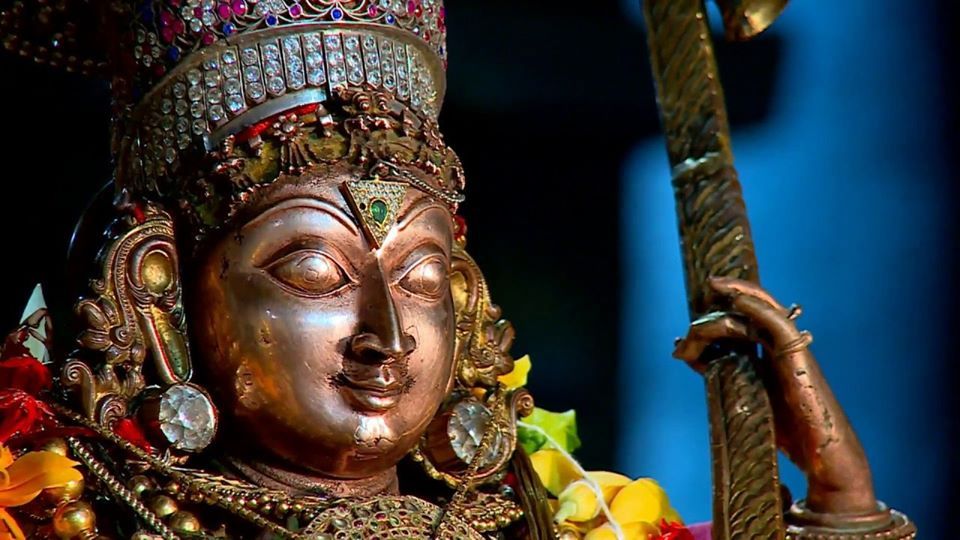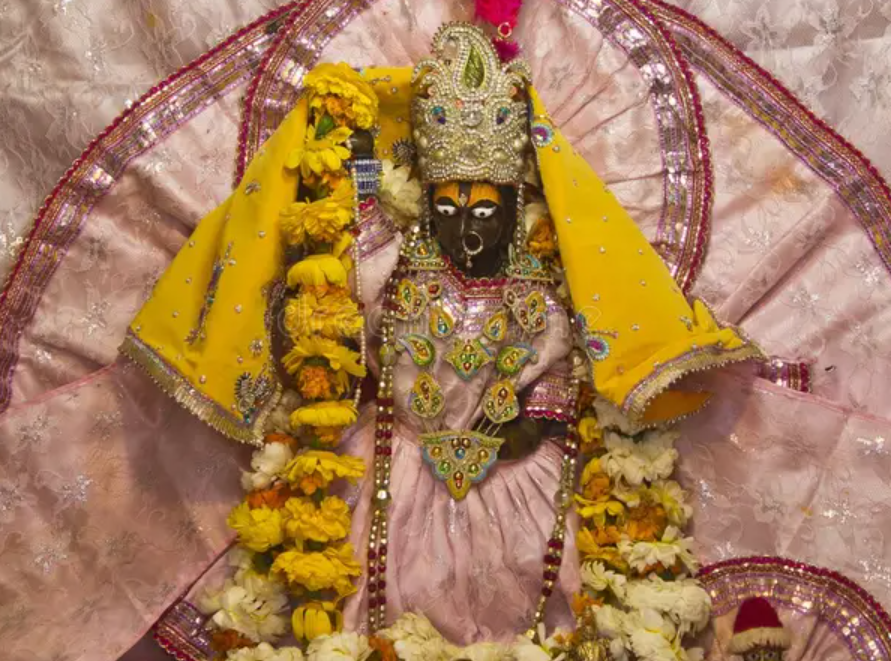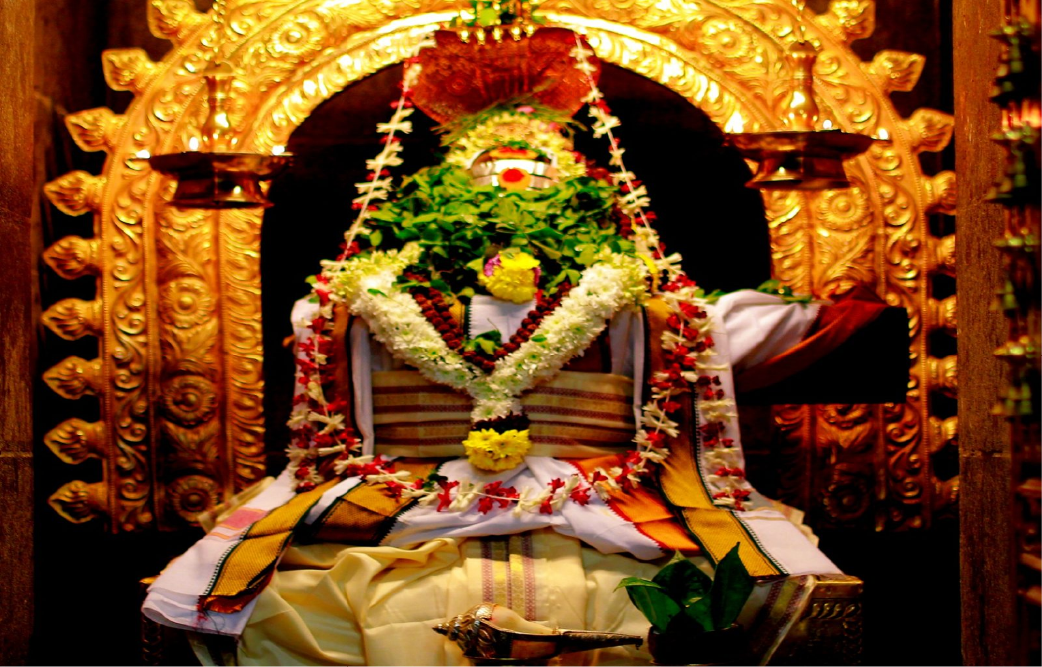
Shani Trayodasi: The Sacred Convergence of Saturn’s Justice and Divine Grace
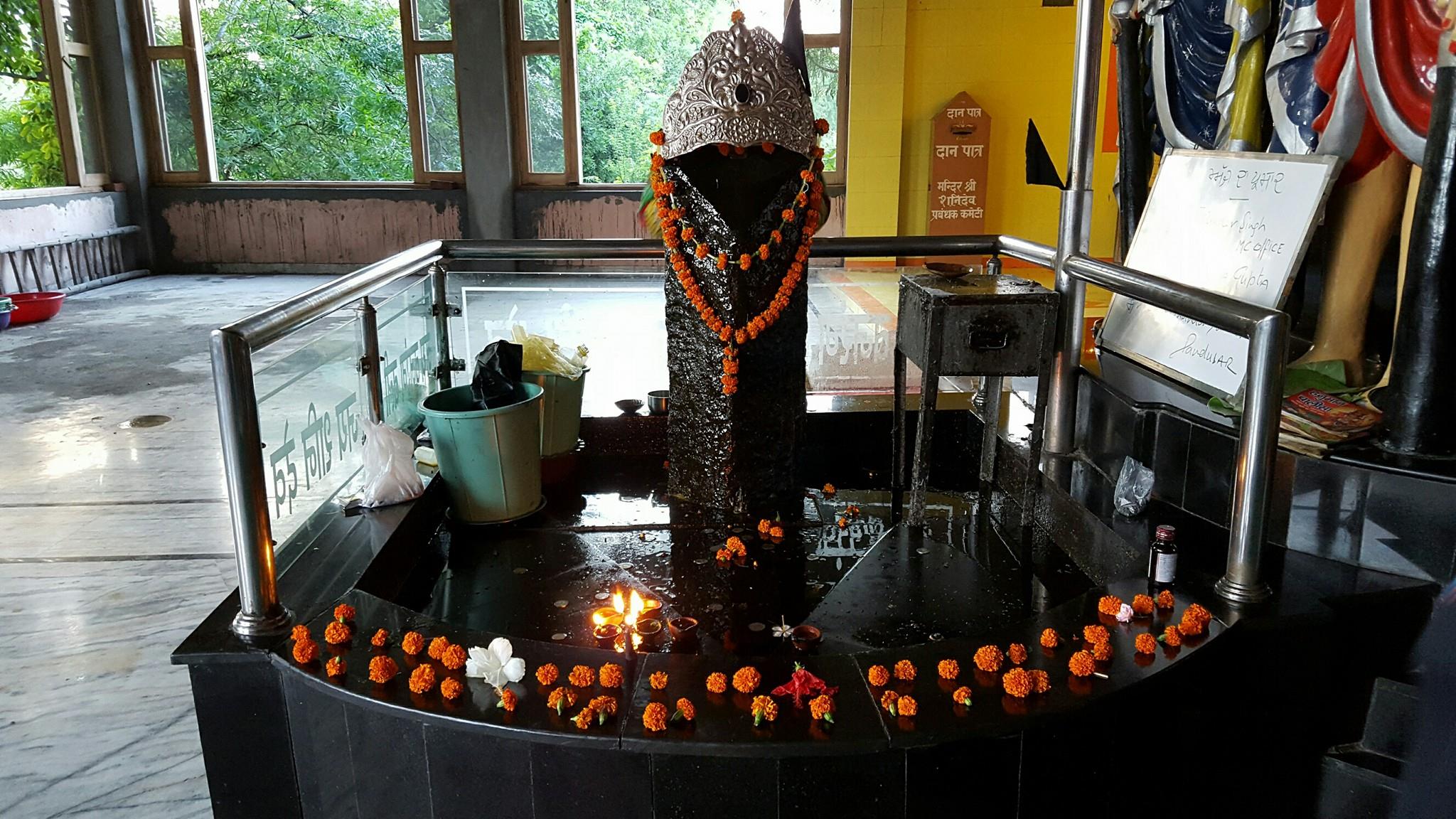
Shani Trayodasi, also called Shani Pradosh Vrat, is observed when the Trayodasi tithi, the thirteenth lunar day of either Krishna Paksha or Shukla Paksha, falls on a Saturday. It marks a combined worship of Mahadev Shiva and Shani dev, linking Shiva’s protection with Shani’s role in karmic balance.
Shani Trayodasi : Etymology and Meaning
“Shani Trayodasi” is formed from two Sanskrit words that explain the observance itself. “Shani” refers to Shanidev, son of Surya and Chhaya, who governs Saturn in Vedic astrology and represents justice, discipline, patience, and karmic retribution. “Trayodasi” combines trayo (three) and dasha (ten), meaning the thirteenth lunar day in the Hindu calendar.
Distinction from Regular Trayodashi and Pradosh Vrat
Trayodasi comes twice every month, creating 24 Pradosh Vrat observances each year. Regular Pradosh is dedicated to Shiva and Parvati and performed during Pradosh Kaal, about 1.5 hours before and after sunset. When Trayodashi falls on certain weekdays, it carries added planetary effects and specific benefits:
- Som Pradosh(Monday): Brings good health, mental peace, and fulfillment of wishes through Moon’s influence
- Bhaum Pradosh(Tuesday): Cures diseases and grants longevity through Mars’ energy
- Guru Pradosh(Thursday): Grants wisdom, wealth, and victory over enemies through Jupiter’s blessings
- Shani Pradosh(Saturday): Most powerful for removing karmic afflictions, Shani Dosha, and Saturn-related challenges
Religious Foundations
Scriptural References
The observance of Shani Trayodasi finds authoritative sanction in multiple Hindu scriptures, particularly the Puranas that form the backbone of Hindu religious practice:
Skanda Purana: This largest of all Puranas explicitly mentions that worshipping Mahadev Shiva and Shani dev on Shani Trayodasi brings good fortune, success, peace of mind, and freedom from sins. It states that those who perform this vrat with faith are freed from negative karma and attain divine blessings that support both spiritual and material growth.
The Skanda Purana emphasizes that even lighting a single oil lamp in a Shiva temple during Pradosh Kaal is sufficient to please Mahadev and grants immense spiritual merit.
Shiva Purana: Describes the Pradosh period as the time when Mahadev Shiva and Goddess Parvati are most receptive to devotees’ prayers, showering blessings and fulfilling desires. It narrates how Shiva performed his cosmic Tandava dance during Pradosh Kaal after consuming the Halahala poison during Samudra Manthan, thereby establishing this period’s sanctity.
Padma Purana: References to Shani Trayodasi in this Purana highlight the day’s capacity to purify karma, remove planetary afflictions, and grant divine protection. It describes specific rituals for pacifying Shani dev’s malefic effects.
The Samudra Manthan Legend: Foundation of Pradosh Worship
According to the Skanda Purana and other texts, the origin of Pradosh worship is linked to the Samudra Manthan. Before Satya Yuga, the Devas and Asuras churned the cosmic ocean under Vishnu’s guidance using Mount Mandara and serpent Vasuki to obtain Amrita. During this churning, the deadly poison Halahala emerged and threatened all creation.
Unable to control the poison, they sought Shiva’s help. Out of compassion, Shiva consumed Halahala to protect the universe. Parvati maa held his throat to stop the poison from spreading, turning it blue and giving him the name “Neelkanth”.
The Story of the Widow and the Prince: Vrat Katha
A poor Brahmin widow lived on alms with her son Suchivrata but remained devoted to Shiva. One day she rescued a wounded stranger and cared for him like family. He was Prince Dharmagupta of Vidarbha, fleeing after his kingdom was taken. While staying with her, he saw her observe Pradosh Vrat taught by sage Sandilya and joined the fast.
After months of vrat, change began to unfold. Suchivrata found and drank divine nectar. Dharmagupta met Gandharva princess Anshumati after a Pradosh observance in the forest. Shiva appeared in her father’s dream, revealed the prince’s identity, and ordered their marriage.
The Skanda Purana concludes this narrative by stating that devotees who listen to or read this Pradosh Vrat Katha with devotion after performing Shiva Puja will be freed from poverty for a hundred lifetimes and will never face degradation or meanness.
King Harishchandra and Shani dev’s Test
King Harishchandra, famed for absolute truthfulness, faced a severe karmic test from Shani dev. During his Sade Sati, he lost his kingdom, wealth, and family. Reduced to servitude at a cremation ground, he endured humiliation and suffering. These trials were ordained to test his commitment to dharma.
Even in misery, Harishchandra never spoke falsehood or broke a promise. He chose truth though it deepened his pain. His unwavering righteousness pleased both Shani Dev and Mahadev Shiva. His endurance proved that dharma stands above circumstance.
Deities Worshipped and Their Relationships
Mahadev Shiva
Mahadev Shiva, worshipped as Parameshwara and the Great God, stands at the heart of Pradosh observance. He is the destroyer of ignorance, Nataraja whose Tandava reflects creation and dissolution. He is also the compassionate protector who drank poison to save the universe. During Pradosh Kaal, he is believed to be especially benevolent to devotees.
On Shani Trayodasi, Shiva is honored as the Guru of Shani dev. Hindu cosmology teaches that he guides all Navagrahas, with a special bond with Shani. Shiva instructed Shani in justice, discipline, and righteous judgment. This guru-disciple union gives the day its ritual power.
Goddess Parvati
Goddess Parvati, Shiva’s eternal consort and Shakti, is worshipped alongside Mahadeva during Pradosh. She represents compassion, nurturing love, and the balancing force to Shiva’s ascetic nature. Maa Parvati’s worship is essential because she mediates between devotees and Shiva, softening the intensity of divine justice with maternal compassion.
According to mythology, when Bhagawan Shiva consumed the Halahala poison, it was Goddess Parvati who immediately held his throat, preventing the poison from harming him. Her quick action and protective love saved not only Shiva but the entire cosmos. Her presence during Pradosh worship ensures that devotees’ prayers reach Shiva in the most favorable manner.
Shani dev

Shani embodies the planet Saturn and is shown dark in form, clothed in black or blue, holding weapons and riding a crow. He is the son of Surya and Chhaya, and the step-brother of Yama. His imagery reflects austerity and vigilance. Devotees approach him with reverence and restraint.
He is feared yet known as Nyayadhipati and Karmaphala Data, the just giver of karmic results. Periods like Sade Sati and Dhaiya bring delays, obstacles, and trials. These arise from Saturn’s movement in the horoscope. Scripture treats them as lawful outcomes, not arbitrary suffering.
Shani’s trials are meant to teach humility, patience, and discipline. Those who stay righteous and worship with faith gain strength and clarity. His justice ultimately leads to stability and spiritual growth. Devotion turns hardship into purification.
Nandi
Detailed Ritual Procedures: The Complete Puja Vidhi
Pre-Vrat Preparations (Previous Day/Evening)
The preparation for Shani Trayodasi ideally begins the evening before the actual fasting day. Devotees should:
- Clean the house thoroughly, especially the puja space, removing all clutter and impurities
- Gather all necessary puja materials (described in detail below)
- Take an early dinner and mentally prepare for the next day’s fast
- Some particularly devoted practitioners perform a preliminary Ganesh Puja the evening before to remove obstacles
- Maintain a sattvic (pure) state of mind, avoiding arguments, negative thoughts, or inappropriate entertainment
Early Morning Rituals (Brahma Muhurta to Sunrise)
Waking and Purification (4:00 AM – 6:00 AM):
Brahma Muhurta is the sacred pre-dawn period when the mind is calm and sattva guna is dominant. Devotees rise during this time for purity and focus before beginning the vrat.
-
Offer mental pranam to Mahadev Shiva and Shani dev upon waking
-
Take a full bath, preferably with cool water, for bodily and mental purification
-
Wear clean clothes, traditionally black or dark blue for Shani worship, white is acceptable
-
Face the rising Sun and offer Arghya with Surya mantra, honoring Shani as Surya Putra
-
Take Sankalpa to observe Shani Trayodasi vrat for Shiva-Parvati blessings, Shani dev’s grace, removal of karmic obstacles, and spiritual growth
Morning Puja (After Bath):
-
Prepare a clean puja space, ideally in the northeast corner of the home
-
Place murti or images of Mahadev Shiva (Shivalinga preferred), Parvati Devi, and Shani dev
-
Light a ghee lamp for Shiva and a sesame oil lamp for Shani dev
-
Offer fresh flowers. Bilva leaves to Shiva. Blue or dark flowers to Shani dev
-
Offer water, incense, and simple prayers with steady mind
-
Recite basic mantras with devotion, even if brief, but with attention and sincerity
Daytime observance and fasting (sunrise to Pradosh puja)
The vrat is kept from sunrise until the evening Pradosh puja is completed. Choose the fast based on health and capacity. The sankalpa matters more than austerity.
-
Nirjala: no food, no water. Only for healthy and experienced devotees
-
Phalahar: fruits, milk, fruit juice, water. Most common and safe for many
-
Ek bhojan: one simple sattvic meal. Avoid grains, pulses, onion, garlic, tamasic food. Vrat foods like sabudana, kuttu atta, singhara atta, and root vegetables are used in many homes
Permitted: fresh fruits, milk and milk products, nuts and dry fruits, sendha namak, water or coconut water, fruit juices, vrat dishes like sabudana khichdi, kuttu puri, aloo raita, singhara halwa.
Avoid: grains, pulses and lentils, regular salt, onion and garlic, non veg, alcohol and intoxicants, packaged and processed foods.
Day conduct stays simple and clean: keep the mind calm. Avoid anger, arguments, gossip, harsh speech, and unnecessary entertainment. Spend time in japa, dhyana, and reading sacred texts. If possible, take darshan at a Shiva temple or Shani dev temple, and listen to Shiva Purana or Shani kathas. Mauna or minimal speech strengthens the vrat.
Evening Pradosh puja (the central worship)
Pradosh kaal begins about 1.5 hours before sunset and continues about 1.5 hours after sunset. The exact time changes by city, so check a local panchang. The puja is done in this twilight window, with Mahadev Shiva, Parvati Devi, and Shani dev worship together.
Samagri, kept traditional and complete
For Mahadev: Shivalinga, bilva leaves, white flowers, clean water or Ganga jal, panchamrit, sandalwood paste, kumkum, dhoop, ghee deepam. Datura or bhang is optional as per sampradaya.
For Parvati Devi: image or murti, red flowers, kumkum, turmeric, sweets or fruits.
For Shani dev: image or murti, black til, sesame or mustard oil, black urad, black or dark blue cloth, blue or dark flowers, iron item.
General: kalash with water, mango leaves, coconut, fruits, sattvic sweets, agarbatti, camphor, bell, conch if available.
Puja flow, in the usual order
-
Begin a few minutes before Pradosh kaal: clean the place again, light the ghee lamp for Shiva and sesame oil lamp for Shani dev, ring bell, do achamana. Invoke Ganapati first with “Om Gan Ganapataye Namah.”
-
Do kalash sthapana with water, mango leaves, coconut. This is treated as a seat of sacred presence.
-
Avahana: “Om Namah Shivaya.” “Om Hreem Parvatyai Namah.” “Om Sham Shanicharaya Namah.”
Abhishekam to Shivalinga, in sequence : Water, milk, curd, honey, ghee, sugar water, panchamrit, and finally pure water. Collect the abhisheka water for charanamrit.
Alankara and offerings : Apply sandalwood, offer bilva leaves with “Om Namah Shivaya,” and place flowers. For Shani dev, light the oil lamp, offer black til and black urad, and offer a few drops of oil on a plate. Oil is not applied directly on the murti. Offer the black cloth and blue or dark flowers.
Mantra japa, the heart of the vrat
-
Mahadev: “Om Namah Shivaya” 108 times or more. Maha Mrityunjaya 11, 21, or 108 times
-
Shani dev: “Om Sham Shanicharaya Namah” minimum 108. Beej mantra “Om Praam Preem Praum Sah Shanaischaraya Namah” can be used
Use rudraksha for Shiva japa. Black hakik or rudraksha for Shani dev. Some aim for 1008, as capacity allows.
Vrat katha and aarti
After japa, read or listen to the Pradosh vrat katha. Then do aarti with camphor or ghee lamp. Shiva aarti “Om Jai Shiv Omkara” is common. Shani aarti can be done if known. Offer naivedya, distribute prasad, and sprinkle charanamrit.
Closing
Offer gratitude, pray for relief from Shani dosha and obstacles, welfare of family, and steady spiritual progress. Do kshama prarthana, then visarjana with respect.
Parana (Breaking the Fast): Timing and Method
Parana is done only after the Pradosh puja is completed. Ideally it is after Pradosh kaal ends, and before Trayodashi tithi ends. Start with a little water, then prasad, then fruits or milk, and then a light sattvic meal. Heavy and oily food is avoided immediately, and after nirjala, rehydration is done slowly.
Key mantras to keep ready
-
Shiva: “Om Namah Shivaya.” “Om Tryambakam Yajamahe…” (Maha Mrityunjaya)
-
Shani dev: “Om Sham Shanicharaya Namah.” “Om Praam Preem Praum Sah Shanaischaraya Namah.” Shani Gayatri and the dhyana shloka can be added as per time.
Sacred Texts and Prayers
Shani Chalisa
The Shani Chalisa is a 40-verse hymn dedicated to Lord Shani that devotees recite for protection and blessings. Reading or listening to this text on Shani Trayodasi is considered highly auspicious. The complete text is available in most Hindu prayer books and online resources.
Hanuman Chalisa
Interestingly, devotees also recite Hanuman Chalisa on Shani Trayodasi because Lord Hanuman is believed to have power over Lord Shani. According to mythology, Hanuman once rescued Shani Dev from Ravana’s captivity, and in gratitude, Shani promised never to trouble Hanuman’s devotees. Therefore, Hanuman worship provides additional protection from Saturn’s difficulties.
Shani Stotra
Various Shani Stotras (hymns) exist, including the Dashrath Shani Stotra attributed to King Dashrath, Rama’s father. These elaborate prayers describe Shani’s glory, seek his mercy, and request relief from afflictions.
Regional practices
Shani Trayodasi is observed widely, with some regional emphasis. Maharashtra centers around Shani Shingnapur with tailabhisheka to the swayambhu murti and strong Saturday discipline. South India calls it Shani Pradosham and focuses on temple worship, especially at Tirunallar with Nalan Theertham bath and Navagraha tradition. North and West India often combine home Pradosh puja, fasting, and dana, with temple darshan.
Correct date depends on three alignments: Trayodashi tithi, Saturday, and Pradosh kaal overlapping Trayodashi. Tithi and sunset vary by city, so always use a location-specific panchang. For overseas devotees, city-based panchang is essential.
Temple Celebrations
Major Shani temples experience their busiest days during Shani Trayodasi:
Shani Shingnapur, Maharashtra: The most prominent celebration site, attracting thousands of devotees. Special pujas, abhishekas, and processions mark the day.
Tirunallar Temple, Puducherry/Tamil Nadu: As one of the primary Navagraha temples, it sees elaborate Shani Peyarchi ceremonies and receives pilgrims performing remedial rituals for Sade Sati.
Shani Dham, New Delhi: Featuring the world’s tallest Shani statue (21 feet), this temple conducts special abhishekas and distributes prasad to large crowds.
Yerdanur Shani Temple, Telangana: The 20-foot statue attracts devotees from the Telugu states, with special Telugu language prayers and rituals.
Significance and Benefits: Spiritual and Material Blessings
Spiritual Benefits According to Scriptures
- Purification of Karma: The primary spiritual benefit of Shani Trayodasi is the cleansing of negative karmic accumulations. Shani represents the law of karma, and when worshipped alongside Mahadev Shiva (who grants liberation), the combination helps devotees resolve karmic debts and purify their subtle bodies.
- Removal of Sins: The Skanda Purana explicitly states that observing this vrat with devotion removes sins accumulated over multiple lifetimes. The combination of fasting, prayer, and charity during this auspicious time creates powerful spiritual merit (punya).
- Spiritual Discipline and Growth: The practice of fasting, maintaining sattvic lifestyle, controlling senses, and focusing on devotion cultivates spiritual discipline. Lord Shani’s energy teaches patience, perseverance, and detachment – essential qualities for spiritual advancement.
- Path to Moksha: Both Mahadev Shiva and Shani dev, through their respective roles as liberator and karma-dispenser, guide devotees toward ultimate liberation (moksha). Regular observance of this vrat is said to accelerate one’s spiritual evolution.
Astrological Significance and Remedies
- Relief from Sade Sati: The most sought-after benefit is relief from Sade Sati, the challenging 7.5-year period when Saturn transits through the 12th, 1st, and 2nd houses from one’s natal Moon. Devotees experiencing Sade Sati report significant easing of hardships through sincere Shani Trayodasi observance.
- Mitigation of Shani Dosha: Various astrological afflictions related to Saturn’s placement in one’s horoscope known collectively as Shani Dosha can be pacified through this worship. This includes: – Ashtama Shani (Saturn in 8th house from Moon) – Kaala Sarpa Dosha (all planets hemmed between Rahu and Ketu) when Saturn is involved – Saturn’s malefic aspects on important houses or planets.
- Dhaiya Relief: The 2.5-year period when Saturn transits the 4th or 8th house from one’s natal Moon, known as Dhaiya, brings difficulties less severe than Sade Sati but still challenging. Shani Trayodasi worship provides significant relief.
- Planetary Balance: The observance helps balance Saturn’s energy in the horoscope, transforming potential negative manifestations into positive lessons and growth opportunities.
Material and Worldly Benefits
- Financial Stability: Shani’s blessings bring material stability, though not necessarily sudden wealth. The benefits manifest as steady income, debt relief, resolution of financial problems, and protection from major losses.
- Career Progress: Relief from obstacles in professional life, resolution of workplace conflicts, and progress in career advancement are reported benefits. Saturn’s lessons teach the discipline and persistence needed for long-term success.
- Legal and Justice Matters: As the god of justice, Shani’s favor is particularly beneficial for those involved in legal disputes, court cases, or seeking justice for wrongs suffered.
- Health Improvements: While not a substitute for medical treatment, devotees report relief from chronic ailments, particularly those related to bones, joints, teeth, and chronic diseases, all Saturn-related health issues.
- Family Harmony: The combined blessings of Shiva and Goddess Parvati strengthen family bonds, resolve domestic conflicts, and bring peace to households.
- Protection from Enemies: Shani’s justice extends to protecting devotees from enemies’ harmful intentions, neutralizing negative energies, and preventing accidents or sudden misfortunes.
Charitable Acts and Donations
Charity (dana) forms an integral part of Shani Trayodasi observance. Shani dev is particularly pleased by acts of selfless giving, especially to those in need.
Items Specific to Shani dev
- Black Sesame Seeds (Til): The most important offering to Shani. Donate black sesame seeds to temples, feed them to ants (considered Shani’s messengers), or distribute them to the needy.
- Mustard Oil:Donate bottles of mustard oil to temples or poor families. Lighting lamps with mustard or sesame oil in temples is particularly meritorious.
- Black Cloth: Donate black, dark blue, or dark-colored clothes to the poor, especially to those who work as laborers or servants, occupations associated with Saturn.
- Iron Items: Small iron utensils, tools, or symbolic iron pieces can be donated to temples or workers who use iron tools.
- Black Urad Dal: Distribute or donate black gram lentils, either raw to families or as prepared food to the hungry.
Food Donations and Feeding
- Feeding Crows:Crows are Lord Shani’s vahana (vehicle). Offering food to crows, especially rice mixed with black sesame seeds, is considered highly auspicious. Many devotees specifically feed crows on Saturday mornings.
- Feeding Black Dogs:Black dogs are also associated with Shani Dev. Providing food to stray black dogs earns merit.
- Feeding the Poor:Arrange food for the underprivileged, especially those who are disabled, elderly, or suffering from chronic illnesses—groups under Saturn’s karmic influence.
- Anna Dana (Food Donation):Sponsor meals at temples, community kitchens, or directly feed hungry people. Some devotees sponsor entire bhandaras (community meals) on Shani Trayodasi.
To Whom Donations Should Be Made
- Brahmins and Priests:Traditional recipients of religious charity who perform prayers on behalf of the community.
- The Poor and Destitute:Those suffering poverty, hunger, or homelessness are especially favored recipients for Shani-related charity.
- Disabled Persons:Those with physical disabilities or chronic health challenges are considered under Saturn’s influence; helping them earns special merit.
- Laborers and Workers:Manual workers, especially those doing physically demanding or socially underappreciated work, are appropriate recipients as they represent Saturn’s domain.
- Temples:Donations to Shiva temples and Shani temples support their maintenance and ritual activities.
Significance of Each Act
Oil Donations: Oil represents illumination of darkness, symbolic of removing ignorance and bringing light to one’s life path.
Black Items: Black color absorbs negativity; donating black items symbolizes taking away others’ sufferings and karmic burdens.
Food Donations: Hunger represents one of the most basic sufferings; feeding the hungry is among the highest forms of charity, addressing both physical need and karmic merit.
Serving Animals: Animals cannot verbally thank or repay, making such service truly selfless, the essence of Shani-pleasing charity.
Do’s and Don’ts: Behavioral Guidelines
Essential Do’s
- Wake Early:Rise during Brahma Muhurta for maximum spiritual benefit
- Maintain Cleanliness:Both physical (bathing, clean clothes) and mental (pure thoughts)
- Practice Truthfulness:Lord Shani particularly values honesty and integrity
- Show Respect:To elders, teachers, parents, and all beings
- Maintain Celibacy:Sexual abstinence on the vrat day enhances spiritual focus
- Speak Softly:Use gentle, kind speech throughout the day
- Help Others:Look for opportunities to serve and assist those in need
- Meditate:Spend time in quiet contemplation or meditation if possible
- Listen to Sacred Texts:Read or listen to Shiva Purana, vrat kathas, or spiritual discourse
- Wear Appropriate Colors:Black, dark blue, or white clothing is recommended
Things to Strictly Avoid
- Anger and Irritation:Lord Shani dislikes anger; maintain calm even if provoked
- Harsh Speech:Avoid criticism, gossip, or hurtful words
- Non-vegetarian Food:Complete vegetarianism is mandatory, even if you’re not fasting
- Alcohol and Intoxicants:Strictly prohibited throughout the day
- Tamasic Foods:Onion, garlic, and heavily spiced or processed foods
- Lying or Deception:Absolute truthfulness is essential
- Violence:Towards any living being, including insects
- Sexual Activity:Observe brahmacharya (celibacy) on the vrat day
- Cutting Hair or Nails:Traditional observance avoids these on vrat days
- Sleeping During Day:Excessive sleep or laziness should be avoided
- Entertainment:Movies, television, video games, or frivolous entertainment
- Quarrels:Avoid arguments, conflicts, or confrontations
- Excessive Talking:Minimize unnecessary conversation
- Negative Thoughts:Consciously maintain positive, devotional mental state
Recommended Activities
- Temple Visits:Visit Shiva or Shani temples, if accessible
- Reading Sacred Texts:Study spiritual literature, particularly Shiva-related scriptures
- Mantra Japa:Continuous or periodic chanting throughout the day
- Seva (Service):Help family members, neighbors, or community members
- Charity:Perform dana activities as described above
- Nature Appreciation:Spend some time in natural surroundings, recognizing divine presence
- Pranayama:Breathing exercises enhance meditation and focus
Comparison with Related Observances
Relationship to Shani Jayanti
Shani Jayanti celebrates Shani’s birthday, falling on Amavasya (new moon) in the month of Jyeshtha (May-June) according to the lunar calendar. While Shani Jayanti is the primary festival dedicated to Lord Shani’s birth and honors his divine manifestation, Shani Trayodasi serves a different purpose, it’s a remedial observance for pacifying Saturn’s influence and combining Shani worship with Shiva’s grace.
Devotees typically observe both Shani Jayanti as the main annual celebration and Shani Trayodasi as recurring opportunities throughout the year for continued worship and relief.
Shani Trayodasi vs. Shani Amavasya
Shani Amavasya occurs when the new moon (Amavasya) falls on a Saturday. This day is considered particularly powerful for Shani worship, especially at Shani Shingnapur temple where massive crowds gather. Shani Amavasya is deemed ideal for: – Performing Tailabhisheka – Seeking relief from extreme Shani afflictions – Major remedial rituals
Shani Trayodasi, by contrast, offers the unique advantage of combining Shani worship with the Pradosh period’s special Shiva-Parvati blessings, creating a different kind of spiritual synergy.
Connection to Saturday (Shanivar) Fasts
Many devotees observe weekly fasts every Saturday to honor Lord Shani. Shani Trayodasi can be viewed as a special, enhanced version of the regular Saturday vrat, occurring when the auspicious Trayodashi tithi amplifies Saturday’s natural connection to Saturn.
Weekly Saturday Vrat: – Simpler observance – Less elaborate rituals – Good for continuous devotion – Establishes regular practice
Shani Trayodasi: – More elaborate and complete – Combines multiple auspicious factors – Greater spiritual potency – Requires fuller commitment
Both practices complement each other regular Saturday observances build devotional habit, while Shani Trayodasi provides periodic deep spiritual experiences.
Conclusion: The Path of Disciplined Devotion
-
Shani Trayodasi is more than a ritual day. It brings together Mahadev Shiva’s compassion that liberates and Shani dev’s justice that balances karma. Life’s difficulties are seen as part of one’s evolution, not random pain.
-
Shani dev may be feared, but he is a strict teacher, not an enemy. His tests build patience, discipline, and inner strength. When Shani worship is joined with devotion to Mahadev, karmic burdens become a path toward lightness and freedom.
-
The vrat is a framework for righteous living, especially during difficult Saturn transits or long obstacles. Real relief comes with character change. Patience, humility, truthfulness, compassion, and detachment from ego.
-
The day’s practices work together as one sadhana. Fasting disciplines the body. Mantra and meditation steady the mind. Dana opens the heart. Puja connects the devotee to the divine.
-
Whether observed fully or adapted to modern life, the essence stays the same. Sincere bhakti, discipline, and selfless service. With this, Shani dev’s justice becomes protective, and Mahadev’s grace becomes accessible.
Om Sham Shanicharaya Namah!
Help Us Keep This Guide Accurate
At Temple Connect, we regularly update our content to ensure you receive the most relevant and authentic information. If you’d like to suggest improvements, share regional traditions, or report any updates, we’d love to hear from you at connect@templeconnect.com
Follow us on our X platform.
Note to Readers: This article is intended for educational and devotional purposes. The information presented is based on traditional Hindu scriptures, contemporary religious practice, and scholarly research.
Individual observance may vary based on family tradition, regional custom, and personal circumstance. For specific guidance, especially regarding complex astrological remedies, please consult qualified priests, pandits, or Vedic astrologers. The health-related aspects mentioned are traditional beliefs and should not replace professional medical advice.