Soma Pradosh Vrat: Complete Guide to Rituals, Significance, Legends, and Observance
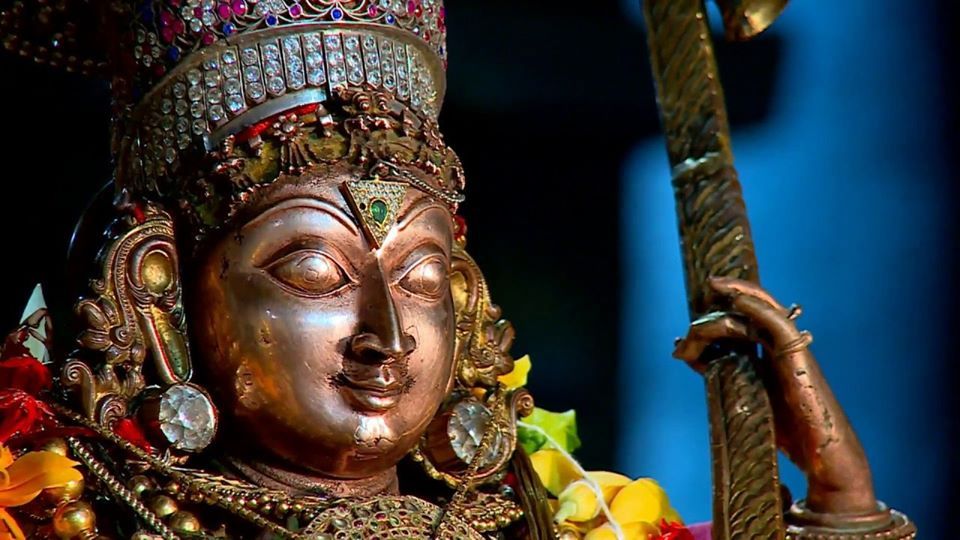
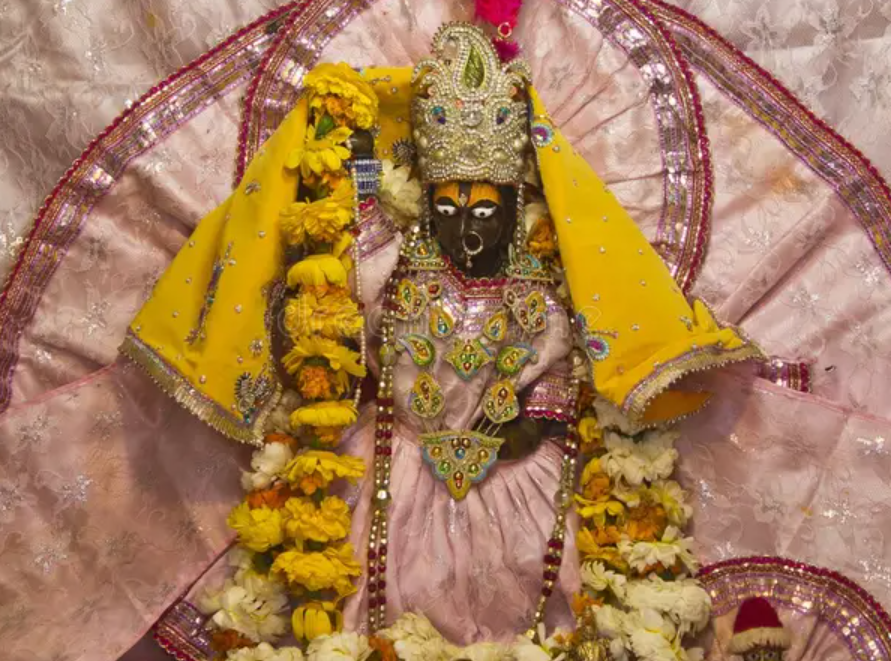
Soma Pradosh Vrat is one of the most sacred observances in Shaiva tradition, falling on the Trayodashi tithi of each lunar fortnight when it coincides with a Monday. Dedicated to Mahadev Shiva and Goddess Parvati, this vrat is observed during the Pradosh Kaal, the twilight window when Shiva is said to be most gracious. Devotees fast through the day and perform elaborate puja in the evening to seek divine grace.
Pradosham is a unique 3-hour time frame that begins 1.5 hours before sunset and extends to 1.5 hours after sunset. It occurs twice a month on the 13th day (Trayodashi) of each lunar fortnight-both in the Shukla (waxing) and Krishna (waning) Pakshas. This window is considered highly auspicious for the worship of Shiva and his mount, Nandi.
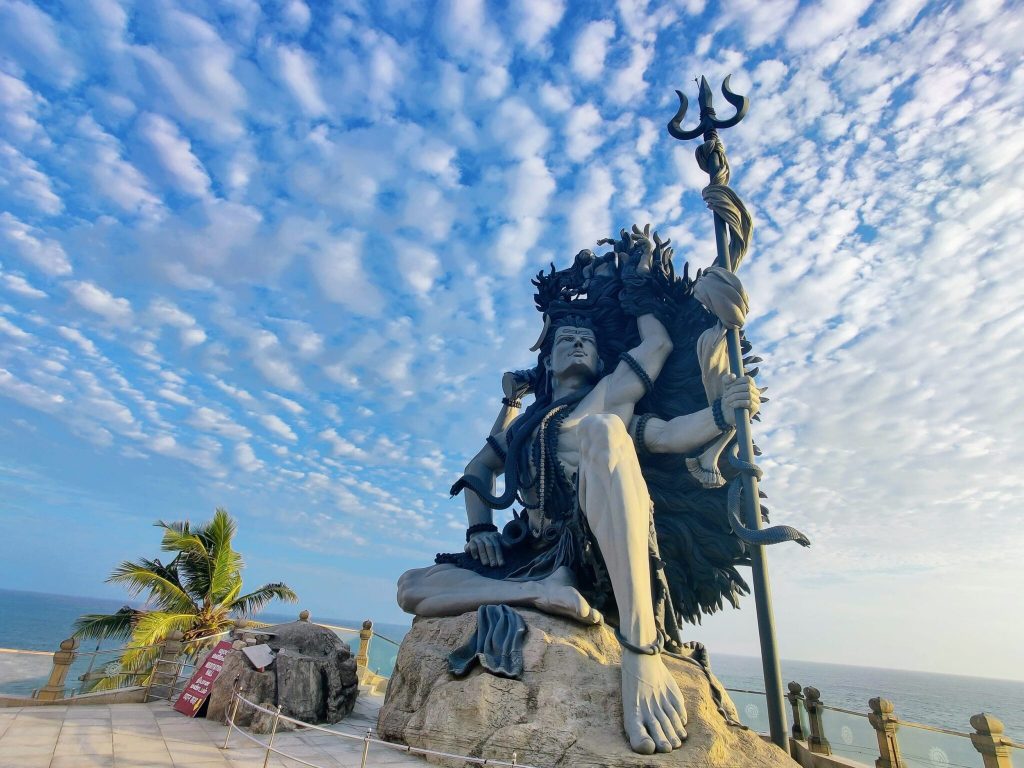
“In the Moon’s gentle glow and Shiva’s silent power, Soma Pradosh heals the heart and awakens the soul.”
What Is Soma Pradosh Vrat?
Among all the Pradosh observances in the Hindu calendar, Soma Pradosh Vrat holds a very special place. When the Trayodashi tithi, the thirteenth day of the lunar fortnight, falls on a Somavar, that is, a Monday, it becomes Soma Pradosham. This is not just an ordinary Monday fast. It is a convergence of two extremely powerful spiritual streams: the grace of Mahadev Shiva during Pradosh Kaal and the calm, cooling influence of the Moon, which rules Monday.
The word “Pradosh” itself points to a very specific slice of time. It begins roughly one and a half hours before sunset and extends up to one hour after sunset. This is the sacred twilight window, the Pradosh Kaal, when Lord Shiva is believed to be in his most joyful and benevolent mood, performing the Ananda Tandava on the peaks of Mount Kailash in the presence of Goddess Parvati, Nandi, and all the devatas. During this time, scriptures say, he readily grants boons to those who approach him with sincere devotion.
“Soma” carries a beautiful dual meaning. It refers to the Moon, Chandra, who adorns Shiva’s matted locks as Chandrasekhara. It also derives from the phrase “Saha Uma,” meaning “with Uma,” pointing directly to the presence of Goddess Parvati beside Shiva. So Soma Pradosh is, at its very heart, a celebration of the divine couple together.
Pradosh Vrat occurs twice every month, once in Shukla Paksha and once in Krishna Paksha. When either of these Trayodashi tithis falls on a Monday, it becomes Soma Pradosham. Its rarity and its double blessing make it particularly precious for devotees.
Why Is Soma Pradosh Vrat So Important in Hindu Tradition?
The Shiva Purana speaks at length about Pradosh Vrat, describing it as one of the most accessible yet most powerful forms of Shiva worship available to human beings in Kali Yuga. Mahadev Shiva himself, in conversation with Parvati Devi, is said to have declared that sincere observance of Pradosh Vrat grants the devotee all four purusharthas: dharma, artha, kama, and moksha. That is no small promise.
What makes Soma Pradosh specifically elevated among Pradosh observances is the lunar factor. The Moon governs the mind in Vedic thought. Our emotions, our inner stability, our ability to think clearly and relate harmoniously with others, all of this falls under Chandra’s domain. When Monday’s lunar energy aligns with Shiva’s Pradosh grace, the effect on the mind and heart of the devotee is said to be extraordinary.
Shiva wears the crescent moon on his head not merely as an ornament. It is a statement. He is the master of the mind. He controls the waxing and waning of Chandra, and therefore of the human consciousness. Worshipping him on Soma Pradosh, precisely when the Moon’s energy is concentrated, is considered one of the most direct paths to mental clarity and inner purification.
The Skanda Purana and Shiva Purana both affirm that during Pradosh Kaal, the Shivling becomes especially charged. All the devatas, from Brahma and Vishnu to Indra and the Ashtadik Palakas, are said to be present in the Shivling during this window, offering their own worship to Mahadev. When a devotee performs puja at this time, it carries the combined weight of all that divine presence.
The Legend Behind Pradosh Vrat
Every vrat in our tradition comes with a katha, a story that carries the essence of the observance within it. The central katha of Pradosh Vrat, as narrated in the Shiva Purana, is deeply moving.
There was once a Brahmin widow who lived in poverty with her young son. She had no wealth, no property, and no protector. Every day she went out to gather alms and returned to feed her child. One evening, as she returned home, she found a young man lying injured and unconscious near the road. He was the crown prince of Vidarbha, whose kingdom had been seized by enemies who had killed his father and driven him away.
The compassionate woman brought him home, tended to his wounds, and cared for him as she would her own son. The prince recovered and lived humbly with them.
One day, the sage Sandilya visited their home. Recognizing the devotion in the widow’s heart, he instructed her to observe Pradosh Vrat with sincerity and full faith in Mahadev Shiva. She did exactly that, never missing a Pradosh, fasting with complete dedication, and performing puja during the Pradosh Kaal with whatever simple offerings she could gather.
Bhagawan Shiva, moved by her devotion, orchestrated events in a way that no one could have predicted. A Gandharva princess named Anshumati fell in love with the prince. Her parents, guided by a divine dream in which Shiva himself directed them, arranged their marriage. With the support of the Gandharvas, the prince reclaimed his kingdom, restored justice, and in gratitude and love for the widow who had sheltered him, gave her son an honored position in the royal court and housed her in the palace with all comfort.
What had begun in poverty and grief ended in abundance and dignity, purely because of faith in Shiva and the observance of Pradosh Vrat. This katha is recited during evening puja on Pradosh days because it reminds every devotee: sincere bhakti changes what seems unchangeable.
The Legend of Samudra Manthan and Pradosh Kaal
There is another foundational legend that is inseparable from Pradosh Vrat. During the churning of the cosmic ocean, the Samudra Manthan, when the terrible poison Halahala emerged and threatened to destroy all of creation, it was Lord Shiva who stepped forward. He consumed the Halahala poison during the twilight hour, the Pradosh Kaal, and Goddess Parvati swiftly held his throat to prevent the poison from descending further, giving him the name Neelakantha, the blue-throated one.
This act of self-sacrifice for the sake of creation happened precisely at Pradosh time. This is why Pradosh Kaal is considered so sacred. Shiva’s grace was at its peak in that twilight moment. To worship him at the same hour, on every Trayodashi, is to honor that act of supreme compassion and to draw from the same reservoir of his grace.
Astrological Significance of Soma Pradosh Vrat
In Jyotish Shastra, the Moon holds rulership over the mind, the mother, the home, and emotional wellbeing. When Chandra is weak or afflicted in a person’s horoscope, the effects are felt in the inner world: anxiety, depression, sleep disturbances, emotional instability, and difficulty forming harmonious relationships.
Soma Pradosh Vrat is one of the most recommended observances for those experiencing Chandra Dosha or going through Chandra Mahadasha or Antardasha. The reason is direct: Shiva himself carries the Moon, stabilizes it, and governs its cycles. Praying to him on this day, with offerings of white items, milk, white flowers, and moonstone-connected prayers, is a way of placing the afflicted Chandra into the hands of the one who can heal it.
Those with difficulties in the second house (family and speech), the fourth house (home and mental peace), or the seventh house (marriage and partnership) find Soma Pradosh Vrat especially significant. The vrat is also traditionally linked to Pitru Dosha relief and karmic cleansing across lifetimes.
Jyotishis often recommend this vrat to be observed alongside the Maha Mrityunjaya Japa and wearing silver as a Chandra remedy post-puja.
How to Observe Soma Pradosh Vrat: Complete Vrat Vidhi
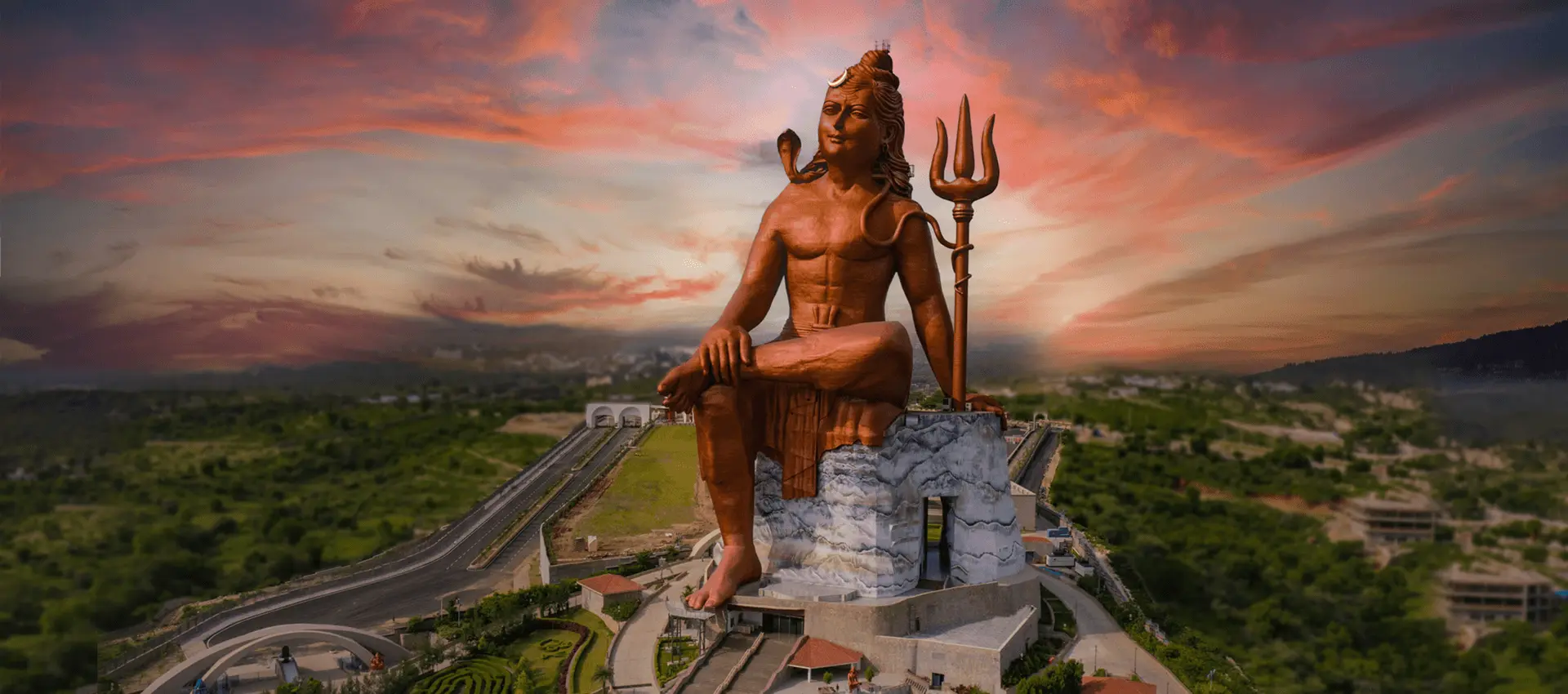
Preparation and Sankalpa (Morning)
The vrat begins well before dawn. Devotees rise during Brahma Muhurta, bathe, and with clean body and settled mind, take the sankalpa: “I am observing Soma Pradosh Vrat for the grace of Mahadev Shiva and Goddess Parvati.” This inner resolve, spoken sincerely, anchors the entire day’s observance.
Throughout the day:
- Avoid grains, tamasic foods, onion, garlic, and non-vegetarian food
- Choose nirjala (without water), phalahar (fruits and milk), or partial fasting based on your capacity
- Maintain sattva throughout the day; avoid arguments, harsh speech, and distractions
- Spend time in Shiva Ashtottara recitation, Shiva Purana reading, or quiet contemplation
Soma Pradosh Puja Vidhi (Evening, During Pradosh Kaal)
The main puja must take place during Pradosh Kaal. Consult the daily panchang to determine the exact window for your location.
Step by step:
- Cleanse the puja space with Ganga jal and place the Shivling or Shiva-Parvati murti on a clean platform
- Light the ghee diya before beginning
- Begin with Ganesha dhyana and invocation
- Face north while performing puja
- Perform Panchamrit Abhishekam: pour milk, curd, ghee, honey, and sugar over the Shivling one by one, chanting the Panchakshari mantra “Om Namah Shivaya”
- Add Ganga jal, rose water, and sandalwood paste to the abhishekam if available
- Offer white flowers: kaner, mogra, and white lotus are especially favored
- Offer bilva patra in sets of three, placed at the Shivling with the smooth side facing the linga
- Offer white chandan tilak and dhupa (sandalwood agarbatti)
- Present naivedya: kheer made from white rice, payasam, or seasonal fruits. Offer bhang if it is part of your regional tradition
- Perform Maha Mrityunjaya Japa 108 times on a rudraksha mala
- Recite the Shiva Chalisa, Rudra Ashtakam, or Shiva Stuti
- Read or listen to the Pradosh Vrat Katha
- Conclude with aarti and kshama prarthana, asking forgiveness for any errors in the puja
- Perform pradakshina (circumambulation) around the Shivling
Breaking the Fast
After the Pradosh Kaal concludes and the puja is complete, break the fast with prasad: kheer, panchamrit, or fruits are ideal. Donate white items such as rice, milk, white cloth, or coins to Brahmins or cows.
Key Mantras for Soma Pradosh Vrat
Panchakshari Mantra: Om Namah Shivaya
Maha Mrityunjaya Mantra: Om Tryambakam Yajamahe Sugandhim Pushtivardhanam Urvarukamiva Bandhanan Mrityor Mukshiya Maamritat
Shiva Gayatri: Om Tatpurushaya Vidmahe Mahadevaya Dhimahi Tanno Rudrah Prachodayat
Soma Pradosh Vrat Across India: Regional Observances
Soma Pradosh Vrat is observed with great devotion across every region of India, though the particular customs vary beautifully from place to place.
South India (Tamil Nadu and Karnataka): Temples like Arunachaleshwarar at Tiruvannamalai conduct grand Rishabha Vahana processions, where the idol of Shiva and Parvati seated on Nandi is taken around the temple in a ceremonial parade. Thousands of devotees line the streets. The tradition of singing Thevaram hymns and performing special lamp offerings is deeply rooted here.
Maharashtra: At Bhimashankar and Trimbakeshwar, two of the twelve Jyotirlingas, Soma Pradosh sees marathon abhishekam sessions through the Pradosh Kaal, with thousands of devotees participating in the Shiva worship.
Uttar Pradesh and Bihar: Kashi Vishwanath in Varanasi and local Shiva temples see enormous gatherings. The offering of bilva leaves and raw milk directly onto the Shivling is the most prominent devotional act. The Ganga aarti at dusk holds special resonance on Soma Pradosh.
Ujjain: At Mahakaleshwar, the Bhasma Aarti tradition, where Shiva is worshipped with sacred ash, continues with special observances on every Pradosh, and Soma Pradosh draws the largest crowds of Shaiva devotees in the region.
Kerala: Temples such as Tali Mahadeva in Kozhikode emphasize Uma-Maheshwara puja, and the focus on Parvati worship alongside Shiva is especially prominent. Theertham distribution to devotees after puja is a key part of the experience.
Benefits of Observing Soma Pradosham Vrat
- Removes sins from current and past lives.
- Grants mental peace, reduces anxiety and depression.
- Fulfills desires and manifests prosperity.
- Helps attract a good spouse and ensures family harmony.
- Balances lunar energy and heals mind-related disorders.
- Opens the gateway to Moksha (liberation).
Frequently Asked Questions About Soma Pradosh Vrat
What makes Soma Pradosh different from regular Pradosh Vrat?
Every Trayodashi is a Pradosh. But when Trayodashi falls on a Monday, it becomes Soma Pradosh. The addition of Monday’s lunar energy, ruled by Chandra, combines with Shiva’s Pradosh grace to create an observance particularly powerful for mental peace, emotional healing, and removing Chandra Dosha. It amplifies the effect of regular Pradosh significantly.
Can unmarried women observe Soma Pradosh Vrat?
Yes. Soma Pradosh Vrat is observed by men, women, married, and unmarried alike. Unmarried women observe it with the intention of finding a suitable life partner. Married women observe it for the wellbeing of their husband and children, and for harmony in family life. The emphasis on Parvati worship during this vrat makes it especially meaningful for women.
What should not be done during Soma Pradosh Vrat?
Avoid consuming grains, non-vegetarian food, onion, garlic, and alcohol on this day. Equally important is the inner discipline: avoid anger, harsh speech, gossip, and unnecessary worldly involvement. The Shiva Purana specifically emphasizes that the quality of the mind during the vrat matters as much as the external rituals.
Is it necessary to visit a temple, or can the puja be done at home?
Both are acceptable. Temple visits amplify the experience because of the presence of a properly consecrated Shivling and the collective energy of many devotees. However, sincere home puja performed during the Pradosh Kaal with full devotion is equally valid. The Brahmin widow in the Pradosh Vrat Katha performed her puja at home with simple offerings and received Shiva’s full grace.
How many times should one observe Soma Pradosh Vrat continuously?
There is no fixed minimum. The traditional recommendation is to observe it continuously for at least one year without a break. Many devotees take a vow to observe every Soma Pradosh for a specific period, such as 12, 21, or 48 consecutive observances. What matters most is sincerity and regularity.
Can the vrat be observed without complete fasting?
Yes. While nirjala fasting (without even water) is the most rigorous form, phalahar (subsisting on fruits and milk) and partial fasting are also fully valid for those with health limitations. Children, elderly persons, and those with medical conditions should adapt the fasting form to their capacity. Shiva’s grace is not conditional on physical hardship alone; it responds to the sincerity of the heart.
What is the significance of bilva patra in this puja?
Bilva patra, the three-leafed bel leaf, is the most important offering in Shiva puja. The three leaves represent the trisula, the three gunas, and the holy trinity of Brahma, Vishnu, and Shiva. The Shiva Purana states that offering a single bilva leaf to Shiva with devotion is equivalent to offering all other forms of worship combined. On Soma Pradosh, bilva offerings carry exceptional significance.
The Inner Meaning of Soma Pradosh Vrat
The great teachers of our tradition have always reminded us that no vrat is purely external. Soma Pradosh, at its deepest level, is a practice of turning the mind inward at the most auspicious moment of the day and the most auspicious day of the lunar cycle.
The Pradosh Kaal is twilight. It is neither day nor night. In our tradition, the spaces between things, the junction points, the sandhis, are considered most sacred. It is at these junctions that the subtle world becomes accessible to the sincere seeker. Shiva’s dance at twilight is the cosmos itself in its most revealed state.
Monday is ruled by the Moon, which is the mind. Soma Pradosh asks us to bring the mind, this restless instrument that ordinarily pulls us in every direction, and offer it at the feet of Shiva. The very act of fasting through the day, maintaining inner purity, chanting, performing abhishekam with devotion, and then sitting quietly in the Pradosh Kaal before the Shivling is itself a form of surrender.
Shiva does not need milk or bilva patra. He is the infinite. What he receives, what he truly receives, is the bhakta’s complete, uncalculating surrender. And that is what Soma Pradosh Vrat, observed properly, creates in the devotee.
Om Namah Shivaya!
Help Us Keep This Guide Accurate
At Temple Connect, we regularly update our content to ensure you receive the most relevant and authentic information. If you’d like to suggest improvements, share regional traditions, or report any updates, we’d love to hear from you at connect@templeconnect.com
Follow us on our X platform.
Note to Readers: This article is intended for educational and devotional purposes. The information presented is based on traditional Hindu scriptures, contemporary religious practice, and scholarly research.
This article draws from the Shiva Purana, Skanda Purana, and the living traditions of Shaiva worship across India. Devotees are encouraged to consult their local panchang and family traditions for specific details relevant to their observance.
Individual observance may vary based on family tradition, regional custom, and personal circumstance. For specific guidance, especially regarding complex astrological remedies, please consult qualified priests, pandits, or Vedic astrologers. The health-related aspects mentioned are traditional beliefs and should not replace professional medical advice.