Tara Jayanti 2026: Date, Timings, Puja Vidhi, and Complete Guide
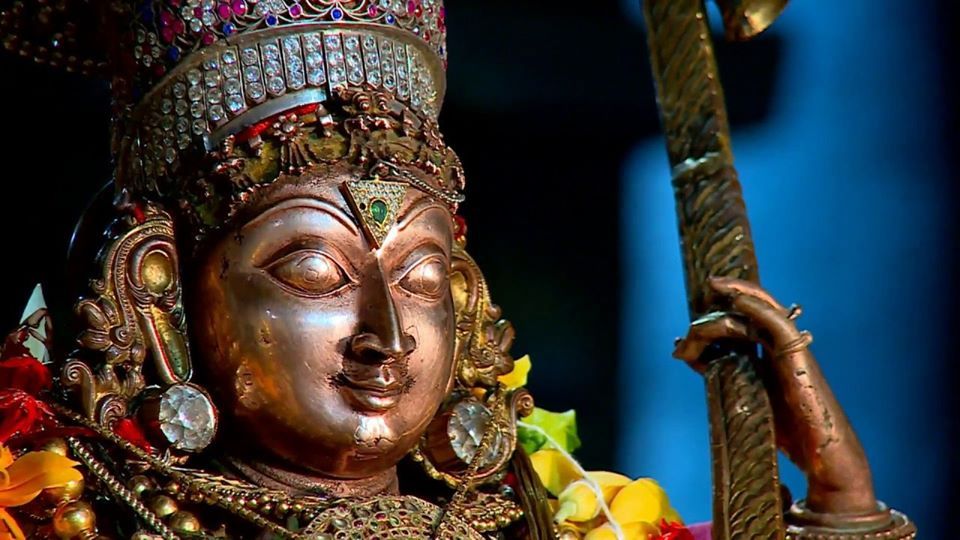
Tara Jayanti 2026 arrives as one of the most auspicious observances in the Shakta calendar, falling in the sacred month of Chaitra when cosmic energies are at their most receptive. Dedicated to Maa Tara, the second of the ten Mahavidyas, this festival marks her divine appearance on earth and invites devotees to seek her protection, wisdom, and grace.
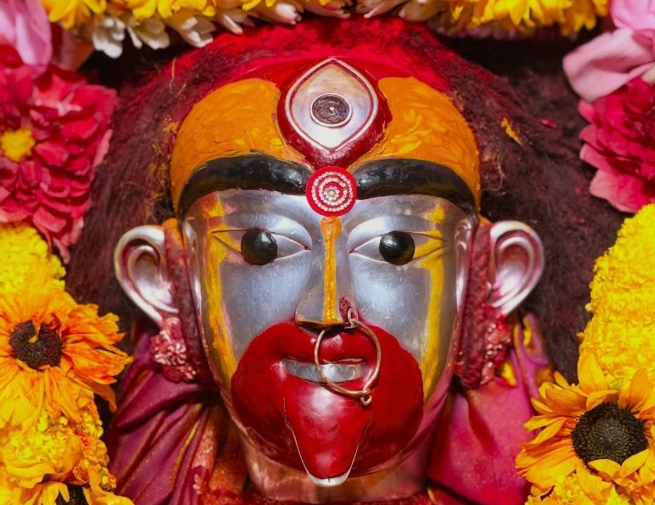
She is Tarini, the one who carries her bhaktas across the ocean of suffering. She is Neel Saraswati, the goddess of divine speech and knowledge. She is Ugratara, the fierce mother who destroys every enemy, seen and unseen. Whether you are a lifelong sadhaka or a devoted grihasthi approaching her for the first time, Tara Jayanti 2026 is the most powerful day in the year to seek Maa Tara’s blessings.
Tara Jayanti 2026 Date and Timings
Tara Jayanti 2026 falls on Thursday, March 26, 2026, corresponding to Chaitra Shukla Navami in the Hindu lunar calendar. This is the ninth day of the waxing fortnight of Chaitra month, a tithi that carries immense spiritual weight within the Mahavidya tradition.
The Navami Tithi begins at 11:48 AM on March 26, 2026, and concludes at 10:06 AM on March 27, 2026. Devotees who wish to observe the vrat should begin their sankalpa after this tithi commences on March 26.
According to the Mahakal Samhita, Maa Tara appeared on Chaitra Shukla Ashtami, observed as Tara Ashtami, and the night that follows into Navami is called Tara Ratri. This sacred night, which falls in the transition from March 26 into March 27, is considered the most potent window for tantric sadhana, mantra japa, and midnight puja. Devotees who maintain jagran through Tara Ratri are said to receive her darshan in dreams or inner vision.
The Brahma Muhurta of March 26, approximately ninety-six minutes before sunrise, is the ideal time to take the sacred bath, wear clean clothes, and begin the morning puja with sankalpa. Kanya Puja and bhandara programs are generally conducted during the daytime hours, while midnight japa and maha aarti are reserved for Tara Ratri. Sadhakas are advised to consult their local panchang for precise Brahma Muhurta timings based on their city or region.
The fact that Tara Jayanti 2026 falls on a Thursday, which is Guruvar, adds a layer of astrological significance. Thursday is governed by Guru, the planet of wisdom and dharma, and Maa Tara herself is deeply connected to Guru’s energy as the supreme Vidya Daatri. Performing her worship on this Thursday amplifies the benefits for those seeking mastery of speech, clarity of intellect, and removal of Guru dosha.
Significance of Tara Jayanti
Tara Jayanti 2026 is not simply a ritual occasion. It is a direct meeting with one of the most powerful manifestations of Adi Shakti. Maa Tara is the second Mahavidya among the ten divine forms that include Kali, Tripura Sundari, Bhuvaneshwari, Chhinnamasta, Bhairavi, Dhumavati, Bagalamukhi, Matangi, and Kamala. She belongs to the Kalikula tradition and is regarded as the cosmic mother who carries her devotees across the turbulent ocean of samsara.
The name Tara comes from the Sanskrit root “tar,” meaning to cross or to save. She is Tarini. She is also worshipped as Neel Saraswati, Ekajata, and Ugratara. Great rishis including Maharishi Vashishtha, Vishwamitra, and Gorakhnath worshipped her to attain knowledge, siddhis, and mastery of speech.
Observing Tara Jayanti 2026 with devotion removes accumulated paapa, dissolves pitru dosha, and opens doors that have been closed by ignorance or past karma. She blesses with vidya, health, fearlessness, and ultimately, moksha.
Learn detailed puja vidhi and sacred stories: https://templeconnect.com/tara-jayanti/
How to Observe Tara Jayanti 2026
Puja Vidhi Overview
Observing Tara Jayanti 2026 with proper vidhi begins the night before. Clean the puja space thoroughly. Arrange all necessary items: Tara Yantra, pink cloth for the altar, raw rice for four mounds, cloves, ghee lamp, blue and white flowers, panchamrit ingredients, fruits, kheer, and incense sticks.
On the morning of March 26, rise during Brahma Muhurta. Bathe with Gangajal or water mixed with a few drops of Gangajal. Wear white unstitched or freshly washed clothes. Sit facing west. Begin with sankalpa, stating your name, gotra, and the intention of performing Tara Puja on Chaitra Shukla Navami.
Place the Tara Yantra on four mounds of rice with a clove on each mound. Invoke Ganesha and the Navagrahas before proceeding. Perform abhisheka of the yantra with panchamrit followed by clean water. Offer blue lotus flowers, chandan, kumkum, and vastra. Light the ghee lamp and dhoop. Offer kheer, fruits, and mishri as naivedya.
Chant “Om Hreem Streem Hum Phat” or “Om Aim Hreem Streem Taraai Namah” 108 times. Recite the Tara Stotra. Conclude with maha aarti using a five-flame deepa. Perform Kanya Puja by honoring nine young girls with new clothes, food, and dakshina.
Vrat Rules and Fasting Guidelines
Advanced sadhakas may observe nirjala vrat on Tara Jayanti 2026, fasting without water from sunrise until the following Pratipada. Grihasthas observe phalahar, consuming only fruits, milk, and dry fruits. All observers must avoid grains, onion, garlic, and tamasic food and maintain sattva in thought and speech throughout the day.
Bhog Offerings
Kheer made with milk and rice, fresh seasonal fruits, coconut, and black sesame laddoo are the primary bhog items for Tara Jayanti 2026. After offering to Maa, distribute prasad to family, neighbors, and kanyas.
Tara Jayanti Puja Katha for 2026
The recitation of the sacred katha is an essential part of observing Tara Jayanti 2026. Listening to or reading the katha with attention and devotion is itself considered a form of sadhana. The stories of Maa Tara’s appearance on the banks of the Cholana River, her act of saving Bhagwan Shiva from the Halahala poison during Samudra Manthan, and her hidden role in the destruction of Ravana are among the most moving and spiritually potent narratives in the Shakta tradition.
The best time to recite or listen to the katha is during the evening of March 26, after the main puja, and ideally continued into Tara Ratri. Many families and sadhana groups hold jagran through the night, reciting the katha and singing bhajans in her honor. Listening to the katha with concentration fulfills manokamna, removes shatru badha, and strengthens sampatti.
Where Tara Jayanti 2026 Will Be Celebrated
Tarapith, West Bengal
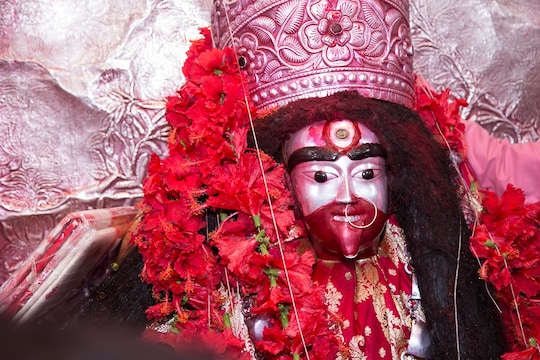
The most celebrated gathering for Tara Jayanti 2026 will be at Tarapith temple in Birbhum district, West Bengal, on the banks of the Dwarka River. This is the foremost Shaktipeetha of Maa Tara, where the eyes of Goddess Sati are believed to have fallen. Here she is also known as Nayantara. Thousands of devotees and tantric sadhakas converge at Tarapith on this day. Maha yagnas are performed in the names of all three principal forms of Maa Tara: Ugra Tara, Neel Saraswati, and Ekajata. The evening aarti here is a profoundly moving experience, and the swayambhu murti receives elaborate abhisheka and shringar.
Mahishi, Saharsa, Bihar
The Ugra Tara Shaktipeetha in Mahishi village of Saharsa district holds special significance on Tara Jayanti 2026. This is the sacred site where Maharishi Vashishtha completed his Tara Mahavidya sadhana through the Chinachara tantric method. The temple houses Maa Tara alongside Ekajata and Neel Saraswati and draws large numbers of devotees from across Bihar and eastern India.
Varanasi and North India
Neel Saraswati shrines in Varanasi observe Tara Jayanti 2026 with stotra recitation, special abhisheka, and midnight puja during Tara Ratri. The Vindhyachal Mahavidya peetha also marks this day with dedicated worship.
South India
Shakti temples in Andhra Pradesh, Telangana, and Karnataka observe Tara Jayanti 2026 with Devi puja, kanya puja, and annadana programs. Devotional communities in these states hold bhajan and jagran events honoring the goddess through the night.
Home Celebrations
For devotees who cannot travel to temples, Tara Jayanti 2026 can be fully and beautifully observed at home. The puja vidhi described above is complete in itself. Set up a clean altar, install the Tara Yantra, perform the puja with devotion, conduct kanya puja, and maintain jagran through Tara Ratri with mantra japa and stotra recitation. Maa Tara’s grace does not depend on location. It depends on sincerity.
Explore full rituals and traditions for Tara Jayanti: https://templeconnect.com/tara-jayanti/
Benefits of Observing Tara Jayanti 2026
Religious Benefits
Worshipping Maa Tara on Tara Jayanti 2026 dissolves accumulated sins, removes karmic obstacles, and opens the path to liberation. She protects her devotees from akal mrityu, unforeseen calamities, and danger of all kinds. She blesses with knowledge, eloquence, and spiritual clarity. Kanya puja performed on this day is said to purify the household and attract Maa Tara’s grace upon all members of the family.
Astrological Benefits
Tara Jayanti 2026 falling on a Thursday amplifies the Guru energy already associated with Maa Tara. Those experiencing Guru dosha, Rahu-Ketu afflictions, pitru dosha, obstacles in education, or chronic fears will find her worship on this day exceptionally potent. Charity and annadana on this occasion carry multiplied phala and contribute to grah shanti across the horoscope.
Do’s and Don’ts on Tara Jayanti 2026
Do’s
Rise before sunrise and take a purifying bath. Begin the puja with a sincere sankalpa. Wear clean white clothes and maintain purity of body and thought throughout the day. Chant Maa Tara’s mantra with consistency and focus. Perform Kanya Puja with reverence, offering new clothes, food, and dakshina to nine young girls. Donate food, clothes, and books to the deserving. Feed cows and contribute to bhandara if possible. Keep the ghee lamp burning through Tara Ratri. Offer blue flowers and kheer as bhog. Speak truth throughout the day and maintain silence where possible.
Don’ts
Do not use iron utensils during puja. Do not consume grains, onion, garlic, or non-vegetarian food. Do not engage in anger, falsehood, cruelty, or idle gossip. Do not neglect the kanya puja, as it is central to this observance. Do not perform the puja mechanically. Maa Tara responds to inner surrender far more than outer correctness. Avoid tamasic entertainment and keep the mind focused on her form throughout the day and night of Tara Jayanti 2026.
Frequently Asked Questions About Tara Jayanti 2026
When is Tara Jayanti 2026? Tara Jayanti 2026 falls on Thursday, March 26, 2026. The Navami Tithi begins at 11:48 AM on March 26 and ends at 10:06 AM on March 27.
Which goddess is worshipped on Tara Jayanti 2026? Maa Tara, the second Mahavidya of the Dasha Mahavidya tradition, is the primary deity worshipped on Tara Jayanti 2026. She is approached in her forms as Neeltara, Ugratara, and Ekajata.
What is the main mantra for Tara Jayanti 2026 puja? The primary mantras are “Om Hreem Streem Hum Phat” and “Om Aim Hreem Streem Taraai Namah.” The traditional concluding mantra is “ॐ तारे तुत्तारे तुरे स्वाहा।”
Can grihasthas observe Tara Jayanti 2026 vrat? Yes, grihasthas observe phalahar vrat on Tara Jayanti 2026, consuming only fruits, milk, and dry fruits. The nirjala vrat is for initiated sadhakas. The elderly and unwell may observe a partial sattvic fast.
What charity should be done on Tara Jayanti 2026? Annadana and vastra daan are the primary acts of charity. Donating blue cloth and books to brahmins and students, feeding the poor, and contributing to bhandara are all highly recommended for Tara Jayanti 2026.
What is Tara Ratri and when does it fall in 2026? Tara Ratri is the sacred night of Chaitra Shukla Navami, considered the most potent time for Maa Tara’s sadhana. In 2026, Tara Ratri falls on the night of March 26 into the early hours of March 27.
Where is the most important temple to visit for Tara Jayanti 2026? Tarapith temple in Birbhum, West Bengal, is the foremost Shaktipeetha of Maa Tara and the most significant destination for Tara Jayanti 2026. The Ugra Tara temple in Mahishi, Bihar, is also highly significant.
Why is Tara Jayanti 2026 especially auspicious? Tara Jayanti 2026 falls on a Thursday, Guruvar, which is governed by Guru, the planet most closely aligned with Maa Tara’s energy as Vidya Daatri. This makes it particularly potent for seekers of knowledge, those with Guru dosha, and sadhakas seeking mantra siddhi.
What is Kanya Puja on Tara Jayanti 2026? Kanya Puja involves honoring nine young girls as living manifestations of Maa Tara’s Shakti. On Tara Jayanti 2026, they are offered new clothes, food, and dakshina in reverence to the goddess in her most innocent form.
Conclusion
Tara Jayanti 2026 on Thursday, March 26, is a sacred invitation from Maa Tara herself. The Navami Tithi opening at 11:48 AM on this day marks the beginning of a cosmic window that sincere devotees have awaited since last year. From the banks of the ancient Cholana River where she first appeared, to the thousands of homes and temples where her name will be chanted through Tara Ratri this year, her presence is as immediate and alive as it has ever been.
Approach this day with a pure heart, a surrendered mind, and genuine longing for her grace. Observe the vrat, perform the puja, honor the kanyas, give in charity, and stay awake through her sacred night. Maa Tara does not ask for perfection. She asks for surrender.
For the complete guide to Tara Jayanti including the full puja vidhi, sacred katha, mantra sadhana, regional traditions, and astrological significance, read the detailed pillar article: https://templeconnect.com/tara-jayanti/
Jai Maa Tara. ॐ श्री मात्रे नमः!
Help Us Keep This Guide Accurate
At Temple Connect, we regularly update our content to ensure you receive the most relevant and authentic information. If you’d like to suggest improvements, share regional traditions, or report any updates, we’d love to hear from you at connect@templeconnect.com
Follow us on our X platform.
Note to Readers: This article is intended for educational and devotional purposes. The information presented is based on traditional Hindu scriptures, contemporary religious practice, and scholarly research.
Individual observance may vary based on family tradition, regional custom, and personal circumstance. For specific guidance, especially regarding complex astrological remedies, please consult qualified priests, pandits, or Vedic astrologers. The health-related aspects mentioned are traditional beliefs and should not replace professional medical advice.