Varuthini Ekadashi: Complete Guide to Observance, Significance, and Spiritual Benefits
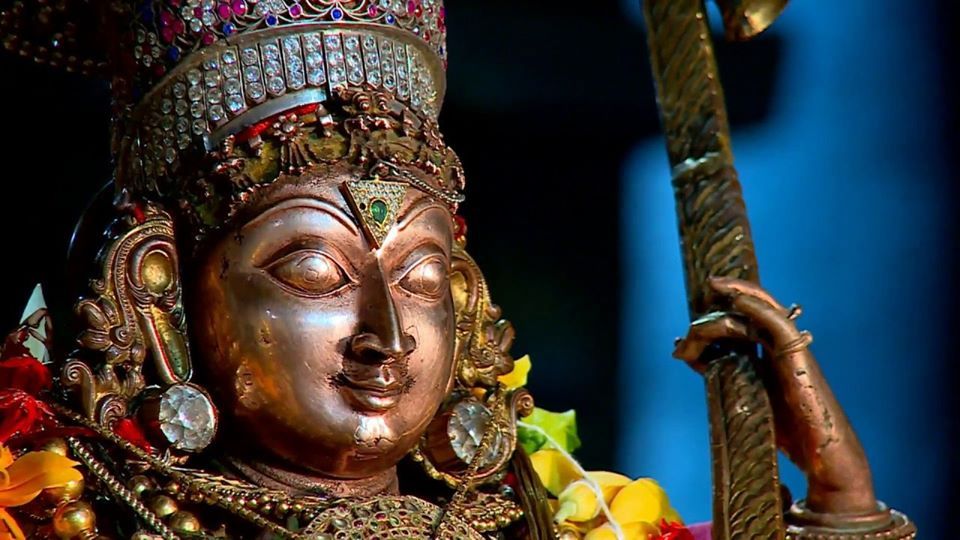
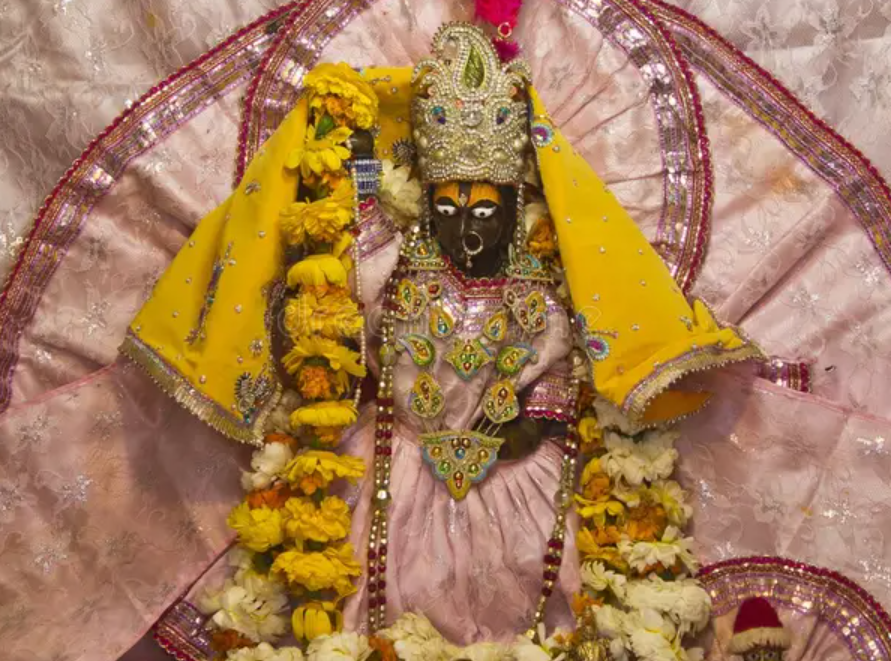
Varuthini Ekadashi is a sacred Vaishnava observance dedicated to Bhagawan Vishnu, falling on the eleventh lunar day of Krishna Paksha in Vaishakha or Chaitra month. The name signifies divine protection and spiritual armor against negativity and karmic burdens. Described in the Bhavishya Purana, this Ekadashi combines fasting, worship, charity, and devotion to purify the soul, remove sins, and grant the devotee refuge in Vishnu’s protective grace.
What is Varuthini Ekadashi
Name Meaning and Origins
The word Varuthini comes from the Sanskrit root meaning “protected,” “armored,” or “shielded.” This name captures the essence of the observance as a spiritual shield that guards devotees from negative influences, karmic suffering, and the cycle of rebirth. The festival is also known as Baruthini Ekadashi or Varuthuni Ekadashi in different regional pronunciations.
Varuthini Ekadashi represents one of the most potent Ekadashi observances in the Vaishnava calendar. The protection it offers is not merely physical but extends to spiritual and karmic dimensions, making it a complete sadhana for those seeking divine refuge.
Position in Hindu Calendar
Varuthini Ekadashi falls on the eleventh tithi of Krishna Paksha in the Hindu month of Vaishakha according to the Purnimant calendar followed in North India. In South India, where the Amavasyant calendar system is used, the same tithi falls in Chaitra month. Both observations mark the same lunar day but differ in month reckoning.
According to the Gregorian calendar, Varuthini Ekadashi typically occurs in April or May each year. The exact date varies based on lunar calculations and regional panchang traditions.
Significance
This Ekadashi holds exceptional importance because it combines purification, protection, and prosperity in a single sacred day. The observance is not merely a ritual fast but a comprehensive spiritual discipline involving body restraint, speech control, devotional absorption, and generous charity.
Traditional sources describe the merit of this vrata as equivalent to thousands of years of tapasya, making it a condensed opportunity for immense spiritual progress. The day is especially recommended for those seeking freedom from past karmic burdens and protection from future difficulties.
Tithi and Timing
Tithi Details
Varuthini Ekadashi occurs on the Ekadashi tithi during Krishna Paksha, the waning phase of the moon. Ekadashi itself means the eleventh day in the lunar fortnight, and it appears twice each month, once during the bright half (Shukla Paksha) and once during the dark half (Krishna Paksha).
The Krishna Paksha Ekadashi of Vaishakha or Chaitra is specifically designated as Varuthini Ekadashi. The tithi is calculated based on the angular distance between the sun and moon, making precise timing essential for proper observance.
Most Auspicious Timing for Rituals
The vrata should begin on Dashami evening with preparatory discipline and continue through Ekadashi day. Devotees rise before sunrise on Ekadashi morning to begin worship during Brahma Muhurta, the most sattvic period of the day.
The parana, or breaking of the fast, must occur on Dwadashi tithi but only after sunrise and outside of Hari Vasara (the first one-fourth duration of Dwadashi). Breaking the fast too early during Dwadashi or missing the parana window entirely is considered spiritually harmful. The ideal parana time is during Pratahkal (morning period after Hari Vasara) or after Madhyana (afternoon).
Astrological Significance of Varuthini Ekadashi
Planetary Positions and Influence
During Vaishakha month, the sun transits through Mesha rashi (Aries), marking a period of new beginnings and spiritual energy. This solar position creates a favorable backdrop for tapasya and vrata observance. The Krishna Paksha phase represents a natural cycle of withdrawal and introspection, aligning the devotee’s inner state with cosmic rhythms.
The moon’s waning during Krishna Paksha symbolizes the reduction of mental turbulence and external attachments. This phase is traditionally associated with dissolving negativity, releasing karmic debts, and turning inward toward the divine.
Nakshatra Importance
The specific nakshatra prevailing during Varuthini Ekadashi varies yearly, but the underlying principle remains constant. Ekadashi tithis are considered especially powerful regardless of nakshatra because the eleventh lunar day itself creates a spiritual opening. The lunar phase naturally supports fasting, mantra japa, and devotional concentration.
Traditional Jyotish texts describe Ekadashi as a threshold moment when the mind becomes more receptive to divine vibrations and less attached to material cravings. This makes the day ideal for breaking negative patterns and establishing sattvic discipline.
Astrological Benefits of Observing the Festival
Observing Varuthini Ekadashi provides multiple astrological remedies. The vrata helps reduce doshas related to past karmic actions, especially those creating obstacles, health problems, or relationship difficulties. The Krishna Paksha timing specifically supports removal of negative influences accumulated over time.
The fast strengthens the positive effects of Jupiter (dharma, wisdom, spiritual growth) and reduces the malefic impact of planets causing suffering or confusion. Charity performed on this day amplifies beneficial planetary influences while neutralizing harmful ones.
Summary of Astrological Significance
Varuthini Ekadashi harnesses the purifying energy of Krishna Paksha and the spiritual potency of the Ekadashi tithi to create a powerful moment for karmic correction. The waning moon phase supports letting go of negativity, while the eleventh tithi opens a gateway for divine grace. Combined with conscious fasting, worship, and charity, these astrological conditions help the devotee transcend planetary afflictions and align with higher spiritual forces.
Religious Significance of Varuthini Ekadashi
Scriptural Importance
The glory of Varuthini Ekadashi is primarily described in the Bhavishya Purana, where Bhagawan Krishna explains the vrata’s benefits to Yudhishthira. Some sources specifically cite the Bhavishya-uttara Purana section. The scriptural presentation is unambiguous: this Ekadashi destroys sins, grants fortune, and leads devotees toward liberation.
The Purana frames the observance as far more than dietary restriction. It is presented as a complete transformation of consciousness, combining physical discipline with mental purity and devotional surrender.
Theological Meaning in Hindu Dharma
Within Hindu dharma, Varuthini Ekadashi represents the principle of divine protection (raksha) operating through devotional surrender. The theological foundation rests on the understanding that Bhagawan Vishnu, as the preserver and sustainer, extends his protective grace to those who approach him with sincere devotion and self-discipline.
The vrata embodies the dharmic principle that spiritual merit arises not from mechanical ritual alone but from aligning one’s entire being with divine will. The emphasis on truthfulness, charity, and mental purity alongside fasting reflects this holistic understanding.
Importance in Different Hindu Sampradayas
Varuthini Ekadashi is primarily a Vaishnava observance, making it central to all Vaishnava sampradayas including Gaudiya, Sri, Ramanuja, Madhva, and Vallabha traditions. Each lineage emphasizes slightly different aspects while maintaining the core practice of fasting and Vishnu worship.
In Gaudiya Vaishnavism, particularly ISKCON communities, the day involves congregational chanting of the Hare Krishna maha-mantra, scripture reading, and prasadam distribution. Sri Vaishnava temples may emphasize specific stotras and archana procedures from their agamic traditions.
Smartas and followers of other sampradayas may also observe the vrata, recognizing Vishnu as one supreme form of Brahman worthy of devotion. The universality of Ekadashi observance across Hindu traditions demonstrates its foundational importance.
Spiritual Fruits of Observance
The phala-shruti described in the Bhavishya Purana is extraordinary. The text declares that observing Varuthini Ekadashi yields merit equivalent to donating gold during a solar eclipse at Kurukshetra, performing thousand years of tapasya, or giving hundreds of kanyadana (the highest form of charitable giving).
More specifically, the vrata promises:
- Complete destruction of accumulated sins from this life and past births
- Protection from visible dangers and invisible karmic threats
- Freedom from the cycle of birth and death (moksha)
- Material prosperity and good fortune in present and future births
- Satisfaction of ancestors and divine beings
The highest benefit comes not merely from personal observance but from sharing the knowledge and significance of the vrata with others, thus extending the merit to the community.
Connection to Larger Hindu Cosmology
Ekadashi observances connect to the Hindu understanding of time as cyclical and sacred. Each tithi carries specific spiritual qualities, and the eleventh day is considered especially favorable for Vishnu worship. This creates a monthly rhythm of devotional intensity within the larger framework of yugas and kalpas.
Varuthini Ekadashi specifically falls during the transition period in the Hindu calendar, marking the shift from one seasonal and spiritual cycle to another. The timing reflects the cosmic principle of transformation and renewal.
Which Form of Bhagawan is Worshipped
Primary Deity and Specific Form
Bhagawan Vishnu is the primary deity of Varuthini Ekadashi. Different traditions and temples emphasize different avatars of Vishnu, most commonly Varaha (the boar incarnation) and Vamana (the dwarf incarnation).
The Varaha form is particularly significant because the festival’s protective quality mirrors Varaha’s role as the rescuer who lifted the earth from cosmic waters. The imagery of protection, strength, and restoration aligns perfectly with the vrata’s purpose.
Manifestation Details
Varaha avatar represents Vishnu’s third incarnation, appearing as a divine boar to rescue Bhudevi (Mother Earth) from the demon Hiranyaksha. The form symbolizes divine intervention in times of cosmic crisis and the preservation of dharma against destructive forces.
Vamana avatar, Vishnu’s fifth incarnation, appeared as a dwarf Brahmana to humble the demon king Bali and restore cosmic balance. This form represents the principle that true power lies in humility and dharma, not worldly dominance.
Scriptural References
The Bhavishya Purana’s description of Varuthini Ekadashi includes specific references to Vishnu worship and the Varaha form. In the katha narrated by Krishna, King Mandhata is instructed to worship Varaha avatar in Mathura to receive protection and purification.
Different Vaishnava Puranas and Samhitas provide detailed descriptions of both Varaha and Vamana worship, including specific mantras, dhyana shlokas, and ritual procedures appropriate for each form.
Regional Deity Variations
In North Indian temples, particularly those in Mathura and Vrindavan, Varaha murti receives special worship on Varuthini Ekadashi. ISKCON Bangalore and other Gaudiya temples may emphasize Vamana worship, as indicated in their festival descriptions.
South Indian Vaishnava temples following Pancharatra agamas may incorporate their tradition-specific archana procedures while maintaining the core Vishnu worship. Sri Vaishnava temples often include worship of Lakshmi-Narayana together.
Associated Deities Also Worshipped
Goddess Lakshmi is often worshipped alongside Vishnu on this auspicious day, as prosperity and protection are interlinked blessings. Tulsi Devi, considered an incarnation of Lakshmi and eternally beloved of Vishnu, receives special reverence through offering of tulsi leaves.
Garuda, Vishnu’s vahana, and Hanuman, the devoted servant of Rama, may also receive worship as part of the broader Vaishnava observance. Some devotees also perform puja to their family kula devata while keeping Vishnu as the primary focus.
Sacred Stories and Katha
Primary Legend: King Mandhata
The most widely narrated katha comes from the Bhavishya Purana dialogue between Bhagawan Krishna and Yudhishthira. Yudhishthira inquires about the significance of Varuthini Ekadashi, and Krishna responds with the story of King Mandhata.
King Mandhata was a righteous ruler of the Ikshvaku dynasty who governed his kingdom near the banks of the Narmada River. Despite his devotion and just rule, he faced unexpected suffering as part of his karmic journey.
One day, while Mandhata was deep in meditation in the forest, a fierce wild bear suddenly attacked him. The bear began mauling the king violently, yet Mandhata remained composed and continued his prayer to Bhagawan Vishnu without breaking his meditation.
Pleased by such unwavering devotion even in the face of death, Vishnu appeared instantly and destroyed the bear with his Sudarshan Chakra. Mandhata was saved, but he felt deeply troubled. He questioned Vishnu: “How is it that despite my righteousness and devotion, I suffered this attack?”
Bhagawan Vishnu explained that the suffering was the result of sins from Mandhata’s previous birth. The karmic debt had manifested as physical danger in this life. However, Vishnu provided the remedy: “Go to Mathura and observe Varuthini Ekadashi with complete devotion. Worship my Varaha form. Through this vrata, you will be freed from all past sins and protected from future misfortunes.”
King Mandhata followed the instruction perfectly. He traveled to Mathura, observed the vrata with full discipline, and worshipped Varaha avatar. The result was complete purification and restoration of his spiritual and material well-being.
Symbolism in the Story
The Mandhata katha teaches that suffering is not always punishment for current actions but can be the karmic fruit of past deeds ripening in the present. The story emphasizes that divine grace, accessed through sincere vrata observance, can neutralize karmic debts that would otherwise require many lifetimes to exhaust.
The fact that Mandhata maintained his meditation even while being attacked demonstrates the level of devotional absorption required. The vrata is thus presented not as a magical solution but as a transformative discipline that realigns the soul with divine protection.
Secondary Legend: Brahma and Shiva
According to another Puranic narrative, this Ekadashi’s power was first demonstrated in the relationship between Brahma and Shiva. Initially, Brahma had four heads. When he created Shatarupa, his daughter, he was captivated by her extraordinary beauty. Unable to control his attraction, he began following her everywhere.
To escape Brahma’s gaze, Shatarupa moved to different directions and heights. Brahma then created a fifth head to keep watching her. When Bhagawan Shiva learned of this improper conduct, he became furious at Brahma’s attraction toward his own creation. In anger, Shiva severed Brahma’s fifth head.
Brahma, humiliated and angry, cursed Shiva in return. Shiva then observed Varuthini Ekadashi vrata on the eleventh day of Krishna Paksha in Vaishakha to free himself from Brahma’s curse. Through the vrata’s power, Shiva was completely liberated from the curse’s effects.
This story establishes that even divine beings benefit from Ekadashi observance, demonstrating its universal applicability and power to remove afflictions regardless of their source.
Third Legend: King Dhundhumara
Another supporting narrative mentions King Dhundhumara, also from the Ikshvaku dynasty. Unlike Mandhata, Dhundhumara was initially a cruel and unjust ruler who committed numerous sins and wronged his subjects.
Due to his misdeeds, Bhagawan Shiva cursed Dhundhumara to suffer various afflictions. Realizing his mistakes and seeking redemption, the king approached learned Brahmanas who advised him to observe Varuthini Ekadashi with sincere repentance.
Dhundhumara performed the vrata with complete dedication, fasting strictly and worshipping Vishnu with devotion. Through the power of the observance, he was freed from Shiva’s curse, purified of his sins, and transformed into a righteous king.
This katha emphasizes that Varuthini Ekadashi is accessible even to those with heavy karmic burdens. Sincere repentance combined with proper vrata observance can redeem even serious transgressions.
Historical and Mythological Context
All three kathas share common elements: the reality of karma, the possibility of karmic correction through devotion, and the specific power of Varuthini Ekadashi to provide protection and purification. The stories span divine realms (Brahma-Shiva), royal dynasties (Mandhata, Dhundhumara), and individual devotees, showing the vrata’s universal applicability.
The emphasis on Mathura and Varaha worship in Mandhata’s story connects the vrata to specific sacred geography and divine forms, giving devotees concrete focal points for their worship.
Complete Puja Vidhi: Step-by-Step Guide
Preparation the Previous Evening
On Dashami evening, begin reducing food intake and avoiding prohibited items. Eat a single, simple sattvic meal in the evening. Avoid onion, garlic, meat, alcohol, and overly spicy or tamasic foods.
Prepare the puja space by cleaning the worship area thoroughly. Gather necessary items: Vishnu murti or picture, flowers (especially tulsi leaves), incense, ghee lamp, fruits, sweets for bhog, water in a kalash, sandalwood paste, kumkum, and puja vessels.
Maintain mental discipline by avoiding anger, harsh speech, unnecessary conversation, and worldly entertainment. Read devotional texts or chant Vishnu mantras to establish a sattvic mood.
Morning Preparation on Ekadashi
Wake up during Brahma Muhurta (approximately 1.5 hours before sunrise). If possible, take a bath in holy rivers like Ganga, Yamuna, Godavari, Narmada, or Kaveri. If not accessible, add a few drops of Ganga water to your bathing water or at least take a thorough bath with pure water.
Wear clean, fresh clothes, preferably white, yellow, or other sattvic colors. Avoid dark or inauspicious colors. Keep the hair covered and maintain ritual cleanliness.
Setting Up the Altar
Clean the worship area again and spread a clean cloth. Place Vishnu murti or picture in the center, ideally facing east. If worshipping Varaha or Vamana specifically, use appropriate images or murtis of these forms.
Arrange a kalash filled with water to the right side. Place a ghee lamp (preferably with a cotton wick), incense holder, flower plate, and bhog offerings in proper positions around the main murti.
Create a simple mandap using mango leaves or flowers if desired, though this is optional. The focus should be on cleanliness and devotional atmosphere rather than elaborate decoration.
Detailed Puja Procedure
Step 1: Sankalpa Begin by sipping water three times from your right palm (achaman) while chanting Vishnu names. Then make the sankalpa: “Om tat sat. Adya [current tithi, masa, year] Varuthini Ekadashi punyakale, sakala papaparihararthe, Bhagawan Vishnu prasadaya, Varuthini Ekadashi vrata aham karishye.”
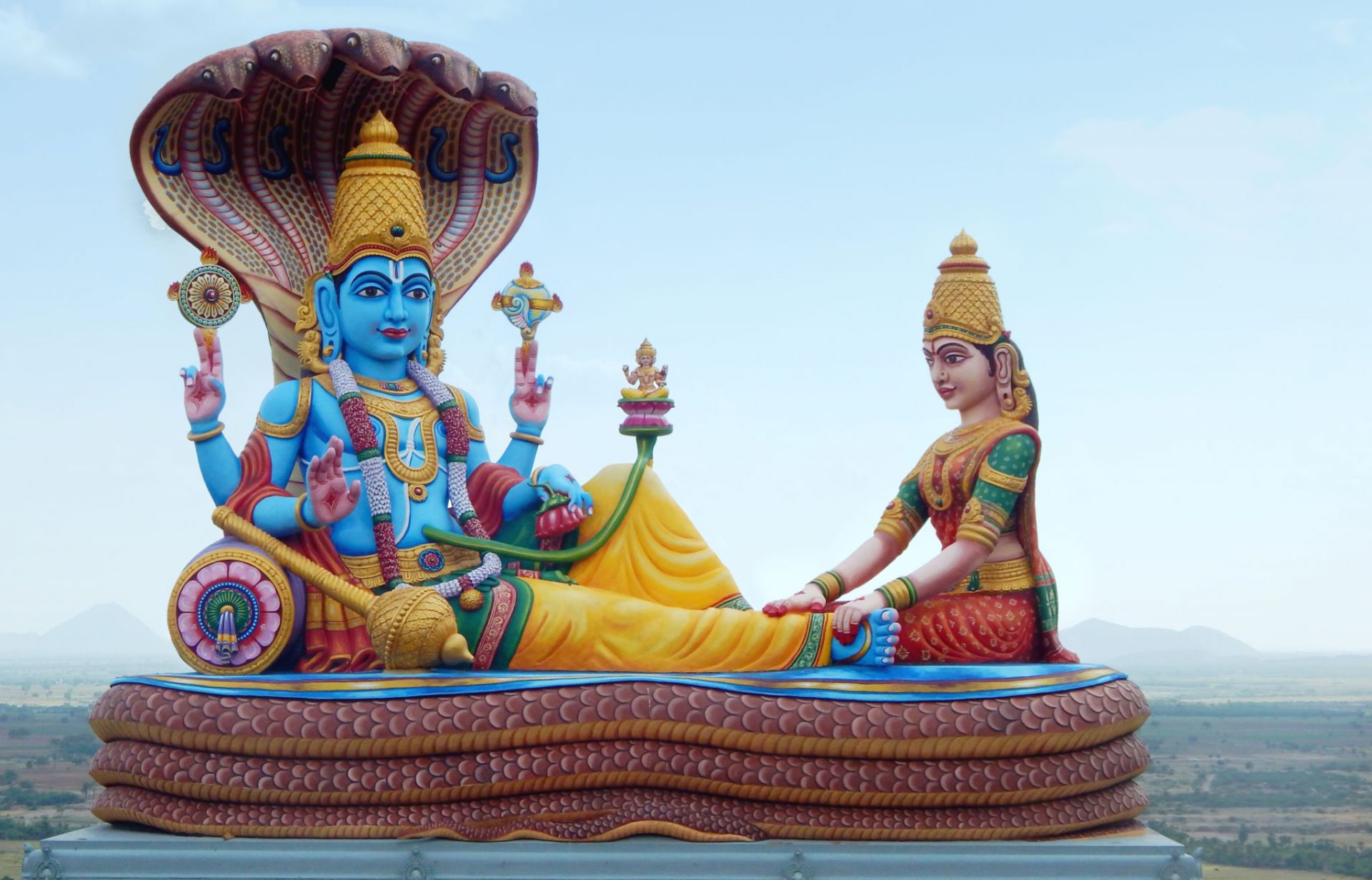
Step 2: Dhyana and Invocation Close your eyes and meditate on Bhagawan Vishnu’s form. Visualize him with four arms holding shankha, chakra, gada, and padma, residing in your heart. Chant: “Om Namo Bhagavate Vasudevaya” to invoke his presence.
Step 3: Avahana Invite Vishnu to accept your worship: “Om Srimannarayana, ihagachha, iha tishtha” (O Vishnu, please come here and remain present).
Step 4: Asana Offer a symbolic seat: “Om Vishnave namah, asanam samarpayami.”
Step 5: Padya Offer water for washing feet, pouring a little water from your right hand: “Om Vishnave namah, padyam samarpayami.”
Step 6: Arghya Offer water for washing hands: “Om Vishnave namah, arghyam samarpayami.”
Step 7: Achamana Offer water for sipping: “Om Vishnave namah, achamaniyam samarpayami.”
Step 8: Snana Symbolically bathe the murti by sprinkling water or milk: “Om Vishnave namah, snanam samarpayami.”
Step 9: Vastra Offer new cloth or symbolically: “Om Vishnave namah, vastram samarpayami.”
Step 10: Yajnopavita Offer sacred thread: “Om Vishnave namah, yajnopavitam samarpayami.”
Step 11: Gandha Apply sandalwood paste to the murti’s forehead: “Om Vishnave namah, gandham samarpayami.”
Step 12: Pushpa Offer flowers, especially tulsi leaves: “Om Vishnave namah, pushpam samarpayami.” Offer tulsi leaves while chanting Vishnu’s names or the Vishnu Sahasranama.
Step 13: Dhupa Light incense and wave it before the murti: “Om Vishnave namah, dhupam samarpayami.”
Step 14: Dipa Light the ghee lamp and offer it: “Om Vishnave namah, dipam samarpayami.”
Step 15: Naivedya Offer bhog (fruits, sweets, kheer, or halwa prepared without grains): “Om Vishnave namah, naivedyam samarpayami.” Sprinkle water around the offering and chant three times: “Om Namo Bhagavate Vasudevaya.”
Mantra Japa
After the main puja, sit for mantra japa. Recommended mantras include:
Vishnu Moola Mantra: “Om Namo Narayanaya” Chant 108 times minimum, ideally 1008 times.
Vishnu Mantra: “Om Namo Bhagavate Vasudevaya” Chant 108 times.
Vishnu Gayatri Mantra: “Om Shri Vishnave cha Vidmahe, Vasudevaya Dhimahi, Tanno Vishnuh Prachodayat” Chant 28 or 108 times.
Hare Krishna Maha-Mantra: “Hare Krishna Hare Krishna, Krishna Krishna Hare Hare, Hare Rama Hare Rama, Rama Rama Hare Hare” Chant continuously as much as possible.
Stotra and Shloka Recitations
Recite Vishnu Sahasranama (1000 names of Vishnu) if time permits. Alternatively, recite shorter stotras like Vishnu Ashtottara Shatanamavali (108 names).
Read or listen to the Varuthini Ekadashi katha from the Bhavishya Purana. If available, read chapters from Bhagavad Gita, especially those focusing on devotion and surrender.
Aarti Procedure
Perform aarti in the evening using a ghee lamp with multiple wicks. Sing traditional Vishnu aartis like “Jai Jagadisha Hare” or sampradaya-specific aartis.
Wave the lamp in circular motion before the murti while ringing a bell. After aarti, offer camphor flame and distribute the aarti flame’s warmth to all participants.
Prasad Distribution
Offer the bhog items to Vishnu first, then distribute as prasad to family members and guests. Traditional prasad items include fruits, dry fruits, kheer made with non-grain milk alternatives, or simple sweet preparations.
Night Vigil and Continued Worship
Spend the night in devotional activities rather than sleeping. Engage in kirtan, bhajan singing, scripture reading, or quiet meditation. Many temples organize night-long programs with continuous nama-sankirtan.
Vrat Observance
Types of Fasting
Nirjala Vrat: The strictest form involves complete abstinence from food and water for the entire period from sunrise on Ekadashi until parana on Dwadashi. This is considered most meritorious but should only be undertaken by those with sufficient health and stamina.
Phalahar Vrat: This moderate form allows fruits, milk, water, and non-grain preparations. Devotees can consume fruits like banana, apple, pomegranate, milk, yogurt, dry fruits, and root vegetables like potato or sweet potato prepared without grains.
Partial Vrat: Some devotees, especially elderly, ill, or those new to Ekadashi observance, may consume one simple meal of permissible items during the day. Even this partial observance, done with devotion, is considered beneficial.
Who Can and Should Observe
All Hindus, especially Vaishnavas, can observe Varuthini Ekadashi. The vrata is particularly recommended for:
- Those seeking protection from dangers and negative influences
- Devotees carrying heavy karmic burdens from past lives
- People facing obstacles, litigation, or enemies
- Those desiring prosperity and good fortune
- Spiritual seekers wanting moksha
Young children, pregnant women, seriously ill persons, and elderly with medical conditions are exempt from strict fasting but can participate through prayer, listening to the katha, and following other aspects of the observance.
Complete Vrat Procedure
On Dashami evening, eat one simple sattvic meal. Avoid grains, lentils, beans, honey, betel nut, and non-vegetarian food even if not fasting strictly.
Wake before sunrise on Ekadashi, bathe, and begin worship. Throughout the day, maintain the fast according to your chosen level. Spend time in devotional activities: chanting, reading scriptures, listening to discourses, or serving in temples.
Morning Sankalpa
After bathing and before beginning puja, make the vrata sankalpa. Sit facing east, hold water and akshata (rice grains mixed with turmeric) in your right palm, and speak your intention:
“Om. I [name] undertake this Varuthini Ekadashi vrata for the pleasure of Bhagawan Vishnu, for the removal of all sins, for the welfare of my family and ancestors, and for progress toward moksha. May Vishnu grant me the strength to complete this vrata properly.”
Release the water and akshata at the base of the puja area or a tulsi plant.
Rules and Restrictions During Vrat
Dietary Prohibitions:
- All grains (rice, wheat, barley, etc.)
- All lentils and beans (chickpeas, black gram, moong dal, etc.)
- Honey
- Betel nut
- Onion, garlic, and other tamasic vegetables
- Non-vegetarian food
- Alcohol and intoxicants
Behavioral Prohibitions:
- Sleeping during the day
- Gambling
- Sexual activity
- Anger and harsh speech
- Criticism of others
- False speech and gossip
- Brushing teeth with paste (water rinsing is acceptable)
- Applying oil to body or hair
- Shaving or cutting hair
- Cutting nails
Recommended Activities:
- Continuous chanting of Vishnu mantras
- Reading Bhagavad Gita and Bhagavatam
- Listening to or reading the Varuthini Ekadashi katha
- Serving devotees and giving charity
- Temple darshan if possible
- Quiet meditation and reflection
Parana: Breaking the Fast
Parana timing is critical. The fast must be broken on Dwadashi tithi, but not during:
- Hari Vasara (first one-fourth of Dwadashi tithi)
- Before sunrise
The ideal parana time is during Pratahkala (morning after Hari Vasara ends) or after Madhyana (afternoon period). Consult a panchang for exact timing in your location.
Parana Procedure:
- Bathe and perform brief morning worship
- Donate food or other items to Brahmanas or devotees
- Offer bhog to Vishnu first
- Break the fast with prasad – traditionally fruits, milk, or simple sattvic food
- Gradually return to normal eating; avoid heavy or tamasic foods immediately
Failing to break the fast within Dwadashi tithi is considered spiritually harmful, as it extends the vrata beyond its prescribed limit and can negate the merit.
Vrat Benefits: Religious and Astrological
Religious Benefits:
- Complete purification from sins of current and past lives
- Protection from visible dangers (accidents, enemies, diseases) and invisible threats (negative energies, curses, karmic afflictions)
- Merit equal to donating gold at Kurukshetra during solar eclipse
- Merit equal to hundreds of kanyadana
- Satisfaction of ancestors and deities
- Progress toward moksha and freedom from rebirth cycle
- Material prosperity and good fortune
Astrological Benefits:
- Removal of planetary doshas, especially those causing obstacles
- Strengthening of Jupiter’s beneficial influence (wisdom, dharma, prosperity)
- Reduction of malefic planetary effects causing suffering
- Balancing of karmic debts manifesting through planetary transits
- Enhanced spiritual receptivity during favorable lunar phases
- Protection from negative astrological periods
Contraindications and Exemptions
The following groups are exempt from strict fasting but can participate through prayer and other non-fasting aspects:
- Children under 8 years
- Pregnant and nursing mothers
- Seriously ill persons or those with chronic health conditions requiring regular medication and food
- Elderly persons with medical restrictions
- Those recovering from surgery or injury
Even exempt individuals should avoid prohibited foods like onion, garlic, meat, and alcohol, and should participate in worship, katha listening, and charity if possible.
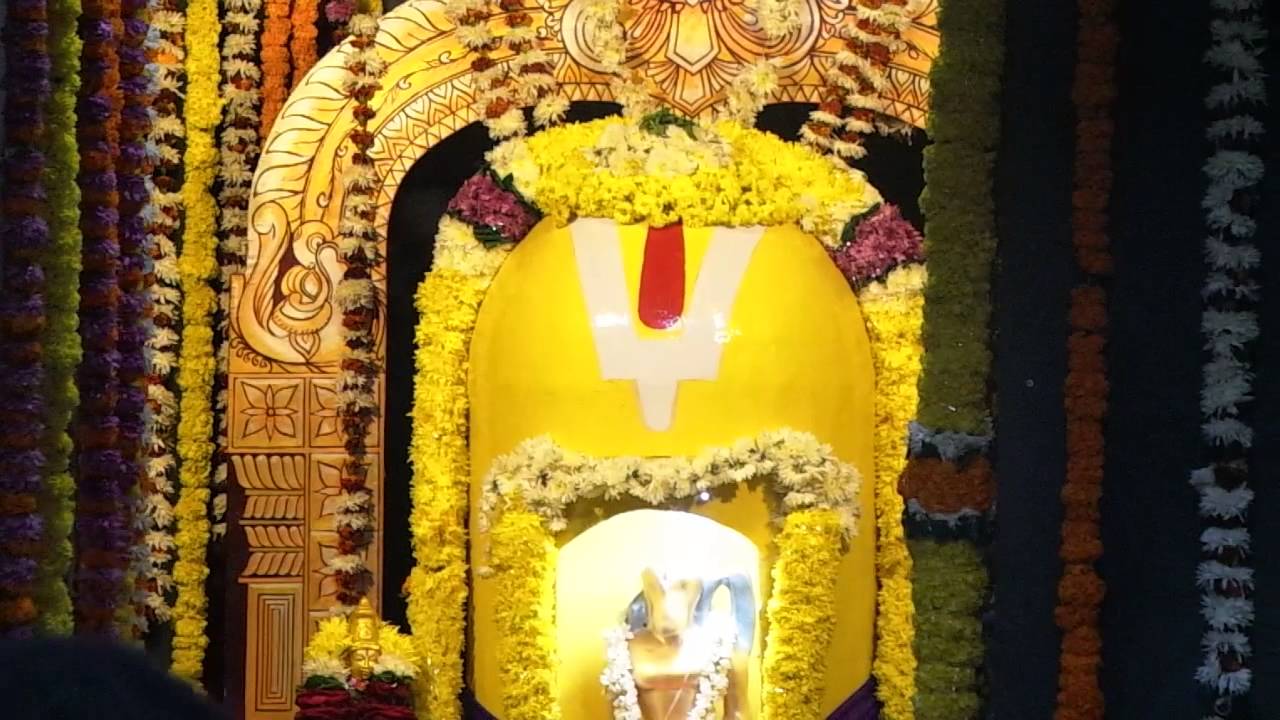
Where Varuthini Ekadashi is Celebrated: Regional Traditions
Pan-Indian and Transnational Observance
Varuthini Ekadashi is not limited to one region but is celebrated wherever Vaishnava and Hindu communities maintain the lunar calendar. The observance spans all of India and extends to the global Hindu diaspora in countries like USA, UK, Canada, Australia, South Africa, Trinidad, Fiji, and Singapore.
The festival’s universality reflects Ekadashi observance’s fundamental importance in Hindu religious practice. While specific customs vary regionally, the core elements of fasting, Vishnu worship, and devotional discipline remain consistent.
North India Observances
In North India, where the Purnimant calendar is followed, Varuthini Ekadashi falls in Vaishakha month (April-May). The regions of Uttar Pradesh, particularly Mathura and Vrindavan, hold special significance because the Mandhata katha specifically directs worship toward Mathura.
Mathura and Vrindavan: Major temples in these holy cities conduct elaborate celebrations. The Banke Bihari Temple, Prem Mandir, ISKCON Vrindavan, and other prominent shrines organize special darshan schedules, extended hours for devotees, and night-long kirtans.
Devotees throng these temples on Ekadashi, and many travel specifically to observe the vrata in Krishna’s birthplace. The Yamuna ghats see increased bathing activity as devotees perform ritual snana before temple visits.
Other North Indian States: In Rajasthan, Gujarat, and Madhya Pradesh, Vaishnava communities observe the vrata with family pujas and temple gatherings. Swaminarayan temples across Gujarat organize congregational celebrations with katha readings, bhajan sessions, and communal prasad distribution.
South India Traditions
South India follows the Amavasyant calendar, placing Varuthini Ekadashi in Chaitra month. The observance is particularly strong in Tamil Nadu, Karnataka, Andhra Pradesh, and Telangana, where Vaishnava traditions run deep.
Tamil Nadu: Major Vishnu temples like Srirangam Ranganathaswamy Temple, Tirupati Balaji, and Parthasarathy Temple in Chennai conduct special abhishekams and alankaram on Ekadashi. Devotees following Sri Vaishnava traditions observe strict fasting and participate in temple archanas.
Andhra Pradesh and Telangana: The famous Tirumala Venkateswara Temple in Tirupati sees massive crowds during Ekadashi. Special pujas and Suprabhata Seva attract thousands of devotees. Telugu-speaking communities maintain strong Ekadashi vrata traditions, with many families observing monthly Ekadashis regularly.
Karnataka: Udupi Krishna Temple and other Madhva tradition temples emphasize Ekadashi observance. The Madhva sampradaya has specific puja guidelines for Varuthini Ekadashi following their agamic procedures.
East India Practices
In West Bengal, Odisha, and northeastern states, Gaudiya Vaishnava influence shapes Ekadashi observance. ISKCON temples in Kolkata and Mayapur conduct major celebrations with prolonged kirtans and Bhagavatam readings.
Jagannath Temple in Puri and other Odia Vaishnava shrines mark the day with special rituals. Bengali devotees often observe Ekadashi with cultural elements like devotional songs composed by Vaishnava poets.
West India Customs
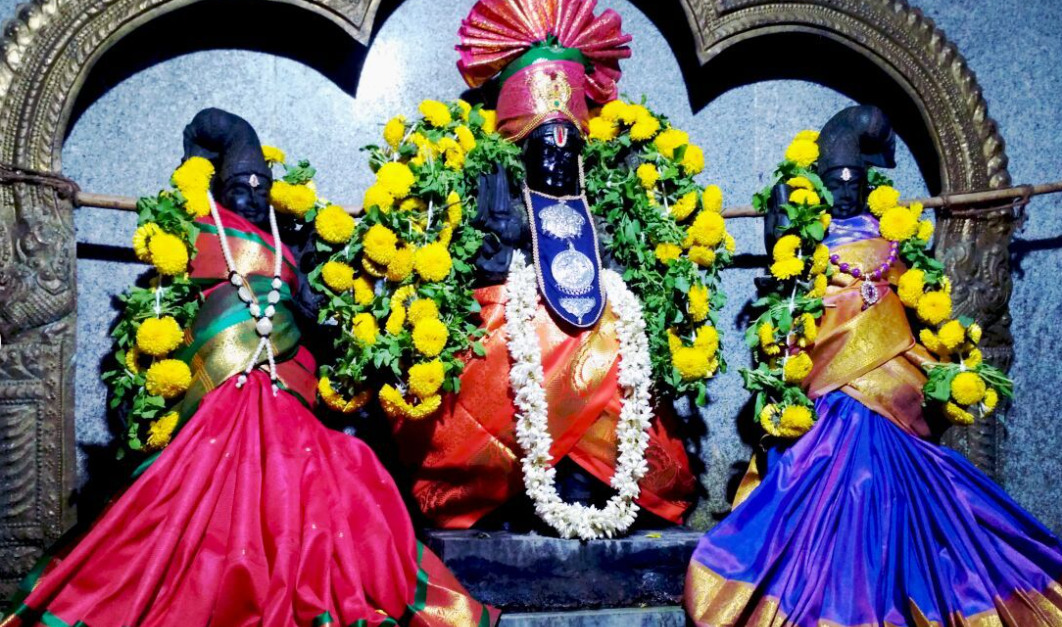
Maharashtra, Gujarat, and Goa maintain vibrant Ekadashi traditions. Pandharpur, home of Vitthal-Rukmini (Vishnu-Lakshmi), becomes a pilgrimage destination during important Ekadashis.
Swaminarayan temples across Gujarat and the diaspora organize elaborate programs. The BAPS and other Swaminarayan organizations conduct structured worship schedules, youth activities, and community service projects aligned with the vrata’s charitable emphasis.
International Diaspora Celebrations
Hindu communities abroad maintain Varuthini Ekadashi observance with adaptations for local contexts:
ISKCON Centers Globally: ISKCON temples worldwide celebrate all major Ekadashis with standardized procedures. Devotees gather for morning programs, katha readings, kirtan sessions, and evening aartis. The consistent format helps diaspora communities maintain connection with Vaishnava tradition.
Community Organizations: Hindu temples in Western countries organize special programs during Ekadashi weekends (adjusted for work schedules). These often combine traditional puja with educational components explaining the significance to second-generation diaspora members.
Traditional Practices: Do’s and Don’ts
Charitable Acts and Their Benefits
Charity (dana) forms an essential component of Varuthini Ekadashi observance. The Bhavishya Purana emphasizes that generous giving on this day multiplies spiritual merit exponentially.
Recommended Donations:
- Anna Dana (Food): Feeding Brahmanas, devotees, or the poor. This is considered the most accessible and beneficial charity.
- Vastra Dana (Clothing): Donating clean clothes to the needy or to temple priests.
- Go Dana (Cow Donation): Supporting gaushalas or donating cows to worthy recipients. In modern context, contributing to cow protection organizations.
- Suvarna Dana (Gold): Donating gold ornaments, coins, or cash equivalent to temples or charitable causes.
- Bhu Dana (Land): Donating land for temples, dharmshalas, or community welfare.
- Vidya Dana (Education): Supporting students’ education, donating books, or funding educational institutions.
- Ashva Dana (Horse) and Gaja Dana (Elephant): Historically significant; in modern times translated as supporting animal welfare or transportation for temples.
Each form of charity yields specific benefits, but the underlying principle is selfless giving that pleases Vishnu and purifies the giver’s karma.
Traditional Remedies
For Doshas and Afflictions: Observing Varuthini Ekadashi helps remove various doshas including ancestral curses (pitru dosha), planetary afflictions, and karmic burdens from past lives. The protection offered by the vrata acts as a shield against negative energies.
For Health and Prosperity: Regular Ekadashi observance, especially powerful ones like Varuthini, is believed to cure chronic illnesses, improve vitality, and attract material abundance. The fasting itself provides physical purification alongside spiritual benefits.
For Relationship Harmony: Couples can observe the vrata together to strengthen their bond and remove obstacles to marital happiness. Family members fasting together creates spiritual unity and reduces household conflicts.
Regional Customs and Beliefs
Different regions have developed unique customs while maintaining core practices:
Temple Visiting Traditions: In some communities, devotees visit multiple Vishnu temples on Ekadashi, collecting prasad from each. Others make pilgrimages to specific sacred sites associated with Vishnu avatars.
Community Gatherings: Many regions organize community bhoj (feast) on Dwadashi after parana, where everyone shares prasad together. This strengthens social bonds and allows collective celebration.
Night Vigil Variations: While some traditions emphasize complete wakefulness, others allow brief rest periods as long as devotees wake regularly for prayer and chanting. Family vigils may include story-telling, devotional singing, and scripture discussion.
Essential Do’s
Do:
- Wake early during Brahma Muhurta
- Take holy bath (preferably in sacred rivers)
- Wear clean, sattvic clothing
- Maintain mental and physical cleanliness
- Chant Vishnu mantras continuously when possible
- Read or listen to Varuthini Ekadashi katha
- Offer tulsi leaves in worship
- Give charity generously according to capacity
- Maintain peaceful, devotional atmosphere at home
- Break fast at proper time on Dwadashi
- Share knowledge of the vrata with others
- Serve devotees and guests with respect
- Keep truthful speech throughout
- Practice patience and compassion
Critical Don’ts
Don’t:
- Consume prohibited foods (grains, beans, onion, garlic, meat, alcohol)
- Sleep during Ekadashi day or night
- Engage in sexual activity
- Express anger or speak harshly
- Criticize or gossip about others
- Tell lies or engage in deceit
- Gamble or engage in frivolous activities
- Apply oil or cosmetics excessively
- Cut hair, nails, or shave
- Brush teeth with toothpaste (water rinsing is acceptable)
- Engage in business negotiations or worldly transactions
- Watch entertainment media or indulge in sensory pleasures
- Miss the parana timing on Dwadashi
- Break fast before proper time or during prohibited periods
These guidelines ensure the vrata’s spiritual integrity and maximize its purifying effects.
Frequently Asked Questions
Q1: What is Varuthini Ekadashi and when does it occur? Varuthini Ekadashi is a sacred Vaishnava observance dedicated to Bhagawan Vishnu, falling on the eleventh lunar day of Krishna Paksha in Vaishakha month (North India) or Chaitra month (South India), typically during April-May.
Q2: What is the meaning of “Varuthini”? Varuthini means “protected,” “armored,” or “shielded” in Sanskrit, signifying the divine protection granted to devotees who observe this fast with devotion.
Q3: Which form of Vishnu is primarily worshipped on this day? Bhagawan Vishnu in his Varaha (boar) or Vamana (dwarf) avatar is primarily worshipped, though worship of any Vishnu form is appropriate and beneficial.
Q4: What is the scriptural source for Varuthini Ekadashi? The Bhavishya Purana, particularly the Bhavishya-uttara section, describes the glory and observance of Varuthini Ekadashi through Krishna’s dialogue with Yudhishthira.
Q5: What are the main religious benefits of observing this Ekadashi? The vrata destroys sins from current and past lives, grants divine protection from dangers, provides merit equal to thousands of years of tapasya, brings prosperity, and helps devotees progress toward moksha.
Q6: What astrological significance does Varuthini Ekadashi hold? Falling during Krishna Paksha (waning moon), this Ekadashi provides powerful energy for karmic purification, dosha removal, planetary affliction relief, and strengthening beneficial spiritual influences.
Q7: Can I do partial fasting instead of complete nirjala fast? Yes. Phalahar (fruit and milk diet) or even consuming one simple meal of permitted items is acceptable, especially for those with health constraints. Sincere devotion matters more than strict dietary observance.
Q8: What foods are absolutely prohibited during Varuthini Ekadashi? All grains (rice, wheat, etc.), all lentils and beans, onion, garlic, honey, betel nut, non-vegetarian food, and alcohol must be avoided completely.
Q9: When should I break the fast (parana)? Parana must occur on Dwadashi tithi after sunrise, but not during Hari Vasara (first quarter of Dwadashi) or before Madhyana if that’s the prescribed window. Consult local panchang for exact timing.
Q10: What happens if I cannot break the fast at the right time? Missing the parana window or breaking fast too early negates much of the vrata’s merit and is considered spiritually harmful. Timing precision is essential.
Q11: What is the story of King Mandhata associated with this Ekadashi? King Mandhata was attacked by a wild bear during forest meditation. Vishnu saved him and revealed the attack was karmic fruit from past lives. Vishnu instructed him to observe Varuthini Ekadashi in Mathura for complete purification.
Q12: Is Varuthini Ekadashi observed differently in North and South India? The month differs (Vaishakha in North, Chaitra in South) due to calendar systems, but the core observance remains identical: fasting, Vishnu worship, charity, and devotional discipline.
Q13: What mantras should I chant during this vrata? Om Namo Narayanaya, Om Namo Bhagavate Vasudevaya, Vishnu Gayatri, Vishnu Sahasranama, and Hare Krishna maha-mantra are all highly appropriate and powerful.
Q14: Who is exempt from strict fasting? Young children, pregnant and nursing women, seriously ill persons, elderly with health issues, and those on critical medications are exempt from strict fasting but should participate through prayer and other non-fasting aspects.
Q15: What charitable acts are most beneficial on Varuthini Ekadashi? Feeding the poor or devotees (anna dana), donating clothes, supporting cow protection, giving to temples, and any selfless charitable giving done with devotion multiplies merit on this sacred day.
Conclusion
Varuthini Ekadashi stands as one of the most powerful Ekadashi observances in the Vaishnava tradition, offering devotees a direct path to divine protection, karmic purification, and spiritual elevation. The name itself, meaning “armored” or “protected,” captures the essential gift this sacred day bestows upon sincere practitioners.
Rooted in the Bhavishya Purana and validated by the experiences of kings, sages, and countless devotees across centuries, Varuthini Ekadashi combines the purifying discipline of fasting with the transformative power of Vishnu worship. The observance addresses both immediate worldly needs and ultimate spiritual goals, making it accessible and beneficial for devotees at all stages of their spiritual journey.
The practice requires minimal external resources but demands sincere internal commitment. Whether one observes complete nirjala fasting or modified phalahar, the heart of the vrata lies in devotional absorption, mental purity, generous charity, and surrender to Bhagawan Vishnu’s protective grace. The stories of Mandhata, Dhundhumara, and even Shiva demonstrate that this Ekadashi’s power transcends ordinary ritual and reaches into the deepest karmic patterns affecting our lives.
As we navigate the complexities of modern existence, Varuthini Ekadashi offers a timeless refuge, a monthly opportunity to pause worldly pursuits and realign with eternal dharmic principles. The merit described in the Puranas may sound extraordinary, but generations of devotees have verified these benefits through lived experience.
May all who observe Varuthini Ekadashi with faith and discipline receive Bhagawan Vishnu’s complete protection, purification from all sins, prosperity in this life, and ultimate liberation from the cycle of birth and death. Om Namo Bhagavate Vasudevaya.
Om Namo Bhagavate Vasudevaya!
Help Us Keep This Guide Accurate
At Temple Connect, we regularly update our content to ensure you receive the most relevant and authentic information. If you’d like to suggest improvements, share regional traditions, or report any updates, we’d love to hear from you at connect@templeconnect.com
Follow us on our X platform.
Note to Readers: This article is intended for educational and devotional purposes. The information presented is based on traditional Hindu scriptures, contemporary religious practice, and scholarly research.
Individual observance may vary based on family tradition, regional custom, and personal circumstance. For specific guidance, especially regarding complex astrological remedies, please consult qualified priests, pandits, or Vedic astrologers. The health-related aspects mentioned are traditional beliefs and should not replace professional medical advice.