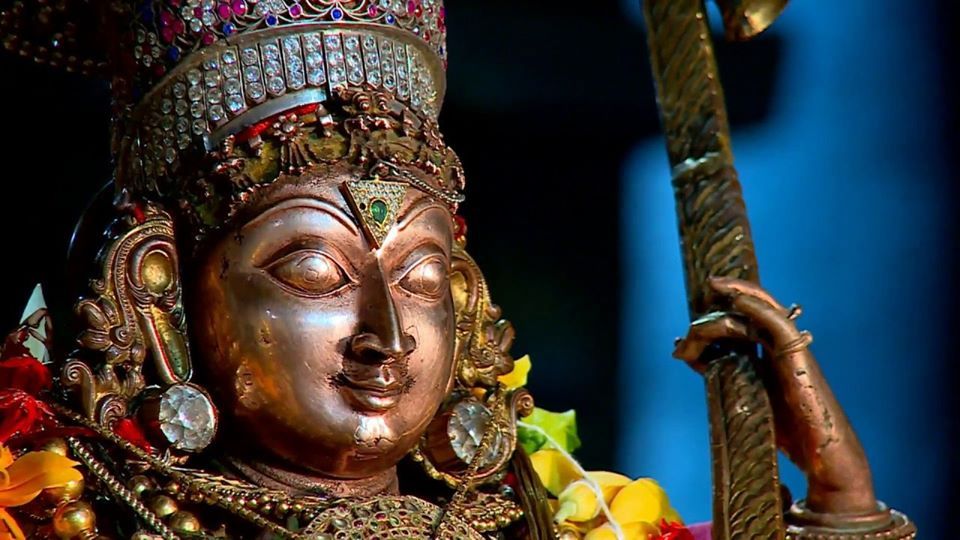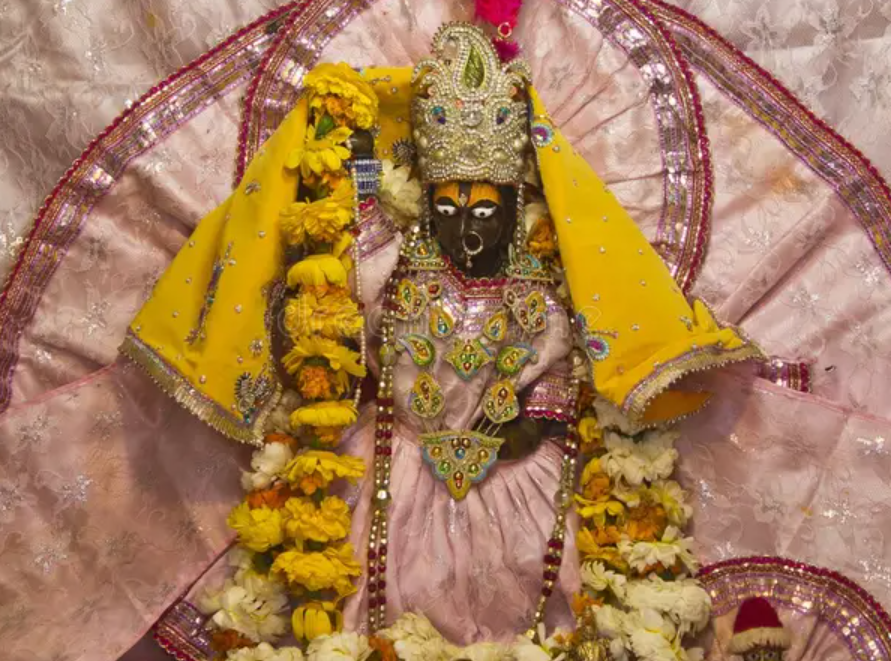
Vasudeva Chaturthi
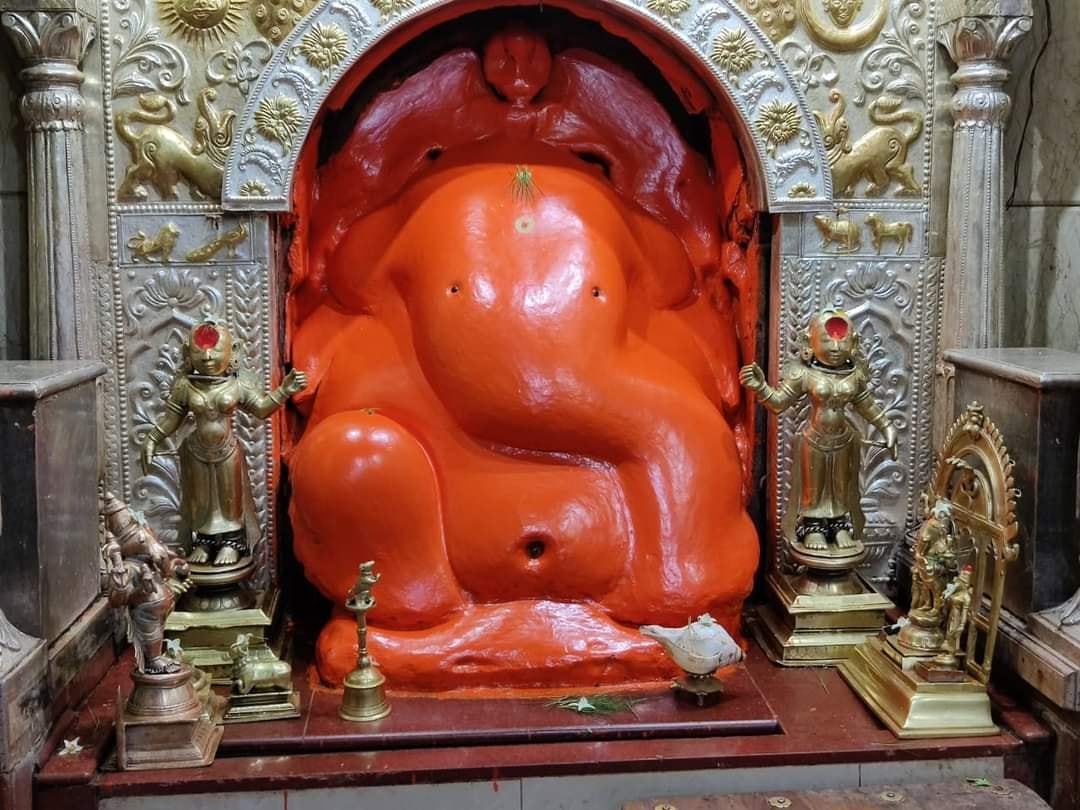
Vasudeva Chaturthi is a sacred Hindu observance dedicated to Ganesha in his Vasudeva form, falling on the Chaturthi tithi of Shukla Paksha in the month of Chaitra. Observed with deep devotion across North and East India, this vrat is revered for granting the four purusharthas: dharma, artha, kama, and moksha. Ganesha, the remover of all obstacles, is worshipped on this day in a form that blends Ganapatya and Vaishnava traditions into one unified act of bhakti.
About Vasudeva Chaturthi
The name Vasudeva Chaturthi carries layered meaning. Chaturthi refers to the fourth lunar day, which is considered the most sacred tithi for Ganesha worship in all of Hindu tradition. Vasudeva, in the Vaishnava tradition, refers to Krishna or Vishnu as the all-pervading supreme being. In the context of this festival, it specifically denotes Ganesha’s Vasudeva form, an aspect that synthesizes the elephant-headed deity’s role as Vighnaharta with the all-encompassing grace of Hari.
This festival is also known as Vasudeva Vinayaka Chaturthi and Varad Vinayaka Vrat in different regions. The word Varad means boon-giver, pointing to Ganesha’s capacity to fulfill sincere prayers when invoked on this day. In some scriptural classifications, this vrat belongs to the category of Sarvartha Siddhi Vrats, meaning a fast that accomplishes all purposes simultaneously.
The festival falls in the month of Chaitra, the first month of the Hindu lunar year, which itself is considered deeply auspicious. It coincides with the waxing phase that follows the commencement of Chaitra Navratri, making it a spiritually charged period where Ganesha’s invocation sets the foundation for all subsequent festival observances, including Ram Navami.
Tithi and Timing
Vasudeva Chaturthi falls on the Chaturthi tithi of Shukla Paksha in the month of Chaitra, which typically corresponds to March or April in the Gregorian calendar. The tithi usually begins after sunset on the third day of the waxing moon and concludes the following evening, with the primary puja performed during the Madhyahna Kala, the midday period, as prescribed in the Mudgala Purana.
The auspicious muhurat for sankalpa and Ganesha puja is generally during Abhijit Muhurat, which falls close to noon. Godhuli Muhurat, the golden dusk hour, is considered ideal for aarti and parana preparations. Devotees are advised to consult their regional Vedic Panchang for the exact tithi start and end, and to avoid performing rituals during Rahu Kalam, which varies by location.
The fast begins at sunrise and is ideally broken after the evening puja and chandra darshan. In some traditions, parana is done on the Panchami tithi the following morning in the presence of a Brahmin.
Astrological Significance of Vasudeva Chaturthi
In Jyotish shastra, the Chaturthi tithi is directly associated with Ganesha and carries the planetary energy of the waxing moon, which governs the mind, emotions, and inner clarity. As the moon grows in strength during Shukla Paksha, mental resolve sharpens, making this an ideal time for sankalpa and initiation of new endeavors.
The Chaturthi tithi is considered particularly potent for neutralizing the malefic influences of Rahu and Ketu. These two shadow planets, known for creating sudden obstacles, confusion, and karmic blockages, are believed to lose their destructive power when Ganesha is propitiated with devotion on this day. For those running Rahu Mahadasha or Ketu Antardasha, this vrat serves as a Vedic remedy of considerable strength.
The month of Chaitra itself sees the sun transitioning through Meena Rashi and moving into Mesha Rashi, a period considered cosmically significant for new beginnings. Sarvartha Siddhi Yoga, when it coincides with this Chaturthi, multiplies the effectiveness of any ritual or sankalpa undertaken on the day.
For Karka, Vrischika, and Meena rashis, this vrat is particularly beneficial for overcoming emotional obstacles. For Mesh and Simha rashis, it supports growth in endeavors. For Tula and Kumbha rashis, it aids in clearing karmic debts. All twelve rashis benefit from Ganesha’s grace when the vrat is observed sincerely, as his blessings transcend planetary boundaries.
Religious Significance of Vasudeva Chaturthi
The religious importance of this vrat is established across multiple Puranic texts. References to the Chaitra Shukla Chaturthi vrat appear in the Dharmasindhu, Nirnaya Sindhu, Skanda Purana, Ganesha Purana, Mudgala Purana, and Bhavishya Purana, giving it firm Puranic authority. The Ganesha Purana declares:
चतुर्थ्यां तु विशेषेण यो व्रतं कुरुते नरः। सर्वान् कामानवाप्नोति विघ्नान्नैव बिभेति च॥
One who observes the Chaturthi fast with due rites attains the fulfillment of all desires and remains forever free from obstacles.
The Nirnaya Sindhu classifies this vrat under Sarvartha Siddhi observances, promising success in all undertakings when performed with proper sankalpa and vidhi. The Mudgala Purana specifically prescribes midday worship of Ganesha in his Vasudeva form for the enhancement of peace and prosperity.
The theological depth of this festival lies in the synthesis it creates. Ganapatya tradition reveres Ganesha as the supreme deity, the first among all beings to be worshipped. Vaishnava tradition holds Vasudeva as the name of the supreme reality. When Ganesha is worshipped in his Vasudeva form, the festival honors both streams simultaneously, reminding devotees that all paths of dharma ultimately converge in one divine truth.
Post-vrat, scriptures prescribe the donation of swarna mudra (gold coins) to Brahmins as a gesture of karma purification and communal welfare. Even those who unknowingly observe this fast, as the katha illustrates, receive Ganesha’s grace and attain liberation.
Which Form of Ganesha is Worshipped
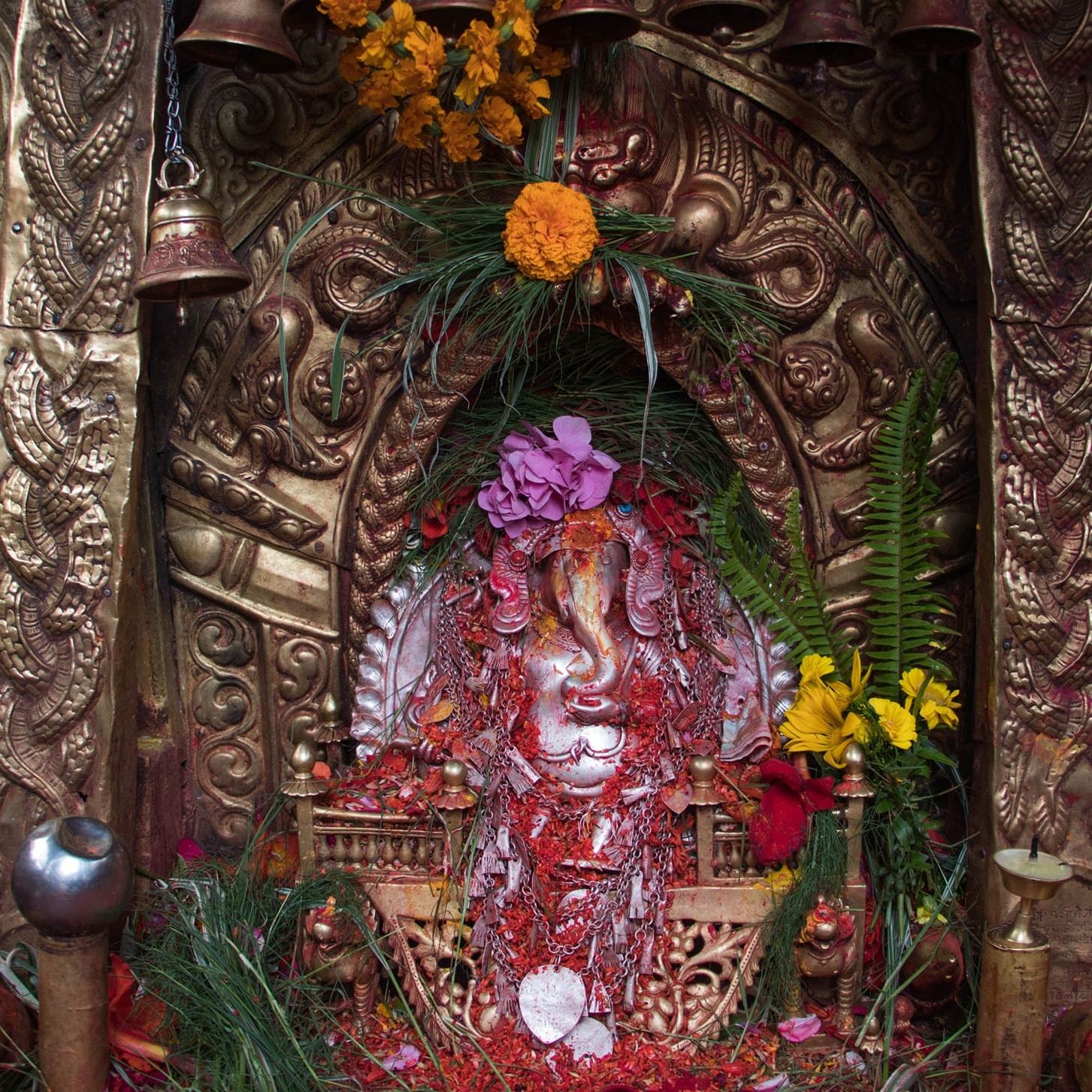
On Vasudeva Chaturthi, Ganesha is worshipped in his Vasudeva form, a majestic four-armed manifestation depicted holding the pasha (noose), ankusha (goad), modak (sweet offering), and displaying the varada mudra (boon-granting gesture) with the fourth hand. This form rides a lion as his vahana, reflecting Vishnu-like sovereignty and supreme protection.
The curved trunk, single tusk, and large auspicious belly of the Ganesha figure remain consistent with Puranic descriptions. Riddhi and Siddhi, his two shaktis representing prosperity and accomplishment, are worshipped alongside him. Shiva and Parvati are also invoked as the divine parents.
The Mudgala Purana, which is among the most detailed texts on Ganesha’s various forms, describes 32 principal manifestations of Ganesha. The Vasudeva form is unique in that it integrates the Vaishnava stream by associating Ganesha’s grace with Hari’s all-pervading nature, making him the Adideva who transcends sectarian boundaries.
In Odisha, the Ananta Vasudeva temple tradition provides a natural setting for this kind of Krishna-Ganesha syncretism. In Maharashtra, the Vasudev community, wandering devotees of Krishna, also associate folk worship practices with this Chaturthi. In Bengal, the katha itself is rooted in the story of King Chandrapriya of Shobhabhandra, giving the region a direct scriptural connection to this vrat.
Sacred Stories and Katha
The Vasudeva Chaturthi Vrat Katha comes from the Mudgala Purana and is narrated by Sage Vashistha to King Dasharatha.
King Dasharatha had heard the glory of Phalguna Shukla Chaturthi but felt his heart remained unsatisfied. He approached Sage Vashistha and requested him to narrate the greatness of Chaitra Shukla Chaturthi. Vashistha smiled and began the sacred account.
In ancient times, in Bengal’s city of Shobhabhandra, a righteous king named Chandrapriya ruled with virtue and valor. He was just, generous, and deeply devoted. His entire kingdom flourished under his rule, with subjects following their duties contentedly and without fear.
Then, without warning, calamity descended. Diseases spread among the people. Women became barren. Crops stopped yielding. Cows gave no milk. Trees bore no fruit. The distressed subjects came before the king, weeping that despite following dharma, they had become diseased, childless, and impoverished. They begged him to find the cause and protect them.
Chandrapriya, heavy with concern, entrusted his ministers with governance and went to the forest. There, he encountered the great yogi Sage Ashtavakra, worshipped him reverently, and offered food. After receiving the king’s hospitality, Ashtavakra revealed the truth: the Chaturthi fast, which grants dharma, artha, kama, and moksha, had been abandoned in the kingdom. This abandonment was the root cause of all suffering.
Ashtavakra then shared his own story. During his intense tapasya, celestial nymphs had disturbed him, and in anger he cursed them to be born on earth. Later, softening, he blessed them that in Dwapara Yuga they would become the wives of Krishna. After resuming his penance, he encountered confusion in samadhi until Sage Ribhu appeared. Ribhu taught him that the syllable “ga” signifies union and “na” signifies non-union, and that Ganesha is the master of both states. Ribhu initiated Ashtavakra with the one-syllable Ganesha mantra “Gam,” through which he attained lasting peace.
Following this, Ashtavakra initiated King Chandrapriya with a twelve-syllable mantra and disappeared. The king, immersed in Ganesha’s worship, proclaimed realm-wide observance of the Chaturthi fast on the next Chaitra Shukla Chaturthi. As devotees throughout the kingdom began fasting on both the Shukla and Krishna Chaturthi tithis, diseases vanished, health returned, wealth was restored, and children were born. The king, having fulfilled his royal duty, handed the kingdom to his son, retired to the forest with his wife, attained the darshan of Ganesha in his Svananda form, and merged into Brahman. His subjects too, by the merit of the vrat, attained Ganesha’s darshan at the end of their lives and were liberated.
Vashistha then narrated a second story. In ancient Malava lived a sinful man of mixed Shudra origin who killed forest creatures and travelers out of greed. One day, hiding in a tree to ambush travelers, a poisonous snake bit him. He crawled home, fainted from the venom, and could neither eat nor drink. That very day happened to be Chaitra Shukla Chaturthi. He died on Panchami without having eaten, thus unknowingly completing the Chaturthi fast. By the merit of this accidental observance, he reached Ganesha’s Svanandakapura abode. Such is the power of this vrat that even an unintentional fast delivers liberation.
Complete Puja Vidhi
Preparation
The day before Vasudeva Chaturthi, clean the home thoroughly. Gather puja items: a Ganesha murti (clay preferred), red cloth, wooden chowki, panchamrit (milk, curd, ghee, honey, sugar), 21 blades of durva grass, 21 modaks, sindoor, shami patra, supari, chandan, akshat, dhup, deepa, camphor, coconut, tambula, fruits, and a gold coin for dana.
Morning Rituals
Rise at Brahma Muhurta. Bathe using Gangajal if available. Wear clean red or yellow attire. Sprinkle gomutra on the puja space to purify it.
Sankalpa
Holding water in cupped palms, chant the sankalpa: “Om Vasudeva Vinayaka Preethyartham Chaitra Shukla Chaturthi Vratam Aham Karishye.” Release the water into a vessel. This declaration of intent sets the vrat in motion.
Altar Setup
Place a red cloth on the wooden chowki. Arrange an akshat mound at the center and place the Ganesha murti upon it. Place a supari and coin beside the murti. Light a ghee deepa.
Avahana
With palms joined in Avahana Mudra, chant: “He Heramba, Tvamehyehihi.” Invite Ganesha’s presence with full awareness and sincerity.
Pratishthapana
Energize the murti by placing your hand over it and chanting: “Asyai Pranah Pratishthantu, Supratishtho Varado Bhava.”
Shodashopachara Puja
Perform the 16-step worship with the following offerings, each accompanied by chanting “Om Siddhi Buddhi Sahitaya Shri Mahaganadhipataye Namah”:
- Asana: Offer five flower petals as a seat for Ganesha.
- Padya: Offer water for washing of feet with the appropriate mantra.
- Arghya: Offer water to the hands of the deity.
- Achamana: Offer water for sipping.
- Snanam: Bathe the murti in Gangajal first, then in panchamrit (milk, curd, ghee, honey, sugar) one by one, and finally in clean water.
- Vastra: Offer red cloth symbolically.
- Yagnopavita: Offer a sacred thread.
- Gandha: Apply chandan paste to the murti.
- Akshata: Offer unbroken rice grains.
- Pushpa and Durva: Offer flowers and 21 blades of durva grass. Shami patra may also be offered.
- Sindura: Apply sindoor tilak to the forehead of the murti.
- Dhupa: Wave incense sticks in a circular motion.
- Deepa: Wave the lit ghee lamp.
- Naivedya: Offer 21 modaks, kheer, and fresh fruits. Chant: “Naivedyam Grihyatam Deva.”
- Tambula: Offer betel nut and leaf.
- Dakshina: Place a gold coin or currency as offering.
Katha and Havan
Recite the complete Vasudeva Chaturthi Vrat Katha. Following the katha, perform a small havan using a homa kund or earthen pit, offering 108 ahutis of modak pieces and sesame seeds while chanting: “Om Gam Ganapataye Namah Swaha.”
Aarti
Wave a camphor lamp in front of Ganesha while singing the Ganesha Aarti. Distribute prasad of puri and kheer to family members.
Evening and Parana
In the evening, observe chandra darshan if applicable to your tradition. The following morning on Panchami tithi, break the fast in the presence of a Brahmin. Donate gold, rice, or grain to the Brahmin as prescribed.

Vrat Observance
Devotees observe either nirahar vrat (complete fast without food or water), phalahar (sustaining only on fruits, milk, and nuts), or a single satvik meal post-puja depending on health and tradition. All tamasik foods including meat, onion, garlic, and alcohol are completely avoided.
Who Can Observe
The vrat may be observed by men and women of all ages, married couples seeking progeny, householders seeking prosperity, students beginning new endeavors, and those seeking astrological relief from planetary doshas. The elderly, pregnant women, and those with serious illness may perform a simplified version by observing phalahar and completing the katha and puja without full nirjala fasting.
Sankalpa Mantra
“Om Vasudeva Vinayaka Preethyartham Chaitra Shukla Chaturthi Vratam Aham Karishye”
This is chanted in the morning before beginning the fast.
Phala of the Vrat
Scriptures describe the phala as freedom from disease, removal of obstacles, fulfillment of desires, blessings of progeny, prosperity, and ultimately liberation into Ganesha’s Svanandakapura abode. Even inadvertent observation of this fast, as the katha of the Malava hunter shows, grants liberation. This makes it one of the most compassionate vrats in the entire Ganapatya tradition.
Where the Festival is Celebrated
North India
Vasudeva Chaturthi is most widely observed in Uttar Pradesh, Bihar, Rajasthan, and Madhya Pradesh. Households undertake collective vrats, with family elders leading the katha in the evening. Temples in Varanasi, Ayodhya, and Mathura conduct special Ganesha abhishekas. Mathura’s proximity to Vasudeva and Krishna lore gives the festival a particularly rich resonance in this region.
East India
The vrat has a direct scriptural connection to Bengal through the katha of King Chandrapriya and the city of Shobhabhandra. Households in Bengal and Odisha observe the day with devotion, and the Krishna-Ganesha syncretism is especially visible in Odisha’s temple culture.
West India
In Gujarat and Rajasthan, the festival is observed as Varad Vinayaka Vrat, with an emphasis on the progeny katha. Women tie kalava threads on their wrists and offer gold to Brahmins. Maharashtra’s Vasudev community integrates folk bhajan traditions into the celebration.
South India
Observance is more limited in South India, though Ganesha temples in Kerala, Andhra Pradesh, and Karnataka mark the day with special pujas. Telugu households with strong Ganapatya devotion observe the vrat following the puja vidhi from the Mudgala Purana.
Diaspora
Hindu communities in the United States, United Kingdom, Canada, Australia, and Southeast Asia observe Vasudeva Chaturthi in homes and temple centers. Temples with active panchang-based calendars ensure the correct tithi is observed, and the katha is often read in both Sanskrit and regional languages.
Traditional Remedies and Charity
For those observing Vasudeva Chaturthi as an astrological remedy, the following practices are recommended:
Donate gold or gold-colored cloth to a Brahmin or a Ganesha temple on this day. Feed cows with durva grass and jaggery. Offer sesame seeds and modaks at a Ganesha temple. Sponsor anna dana at a temple or charitable institution, as food donation on a Sarvartha Siddhi day carries multiplied merit. Feed ants with sugar and flour, which is considered a remedy for Ketu-related karmic debts. Chant the Ganapatya Atharvashirsha 11 or 21 times, as this stotra is specifically praised for mantra siddhi on Chaturthi tithis.
Do’s on this day: Perform puja during the Madhyahna Kala. Recite the vrat katha with full attention. Offer durva grass with devotion, as even simple grass offered sincerely is said to please Ganesha immensely. Donate to Brahmins or religious institutions. Maintain silence and inner stillness during sankalpa.
Don’ts on this day: Avoid onion, garlic, and non-vegetarian food entirely. Do not speak harshly or engage in disputes. Avoid tamasik entertainment. Do not look at the moon on this day if you follow the tradition of Chaturthi moon-avoidance observed in certain regional customs.
Frequently Asked Questions
What is Vasudeva Chaturthi? Vasudeva Chaturthi is a Hindu vrat observed on the Chaturthi tithi of Shukla Paksha in the month of Chaitra, dedicated to Ganesha in his Vasudeva form. It is classified as a Sarvartha Siddhi Vrat that grants all four purusharthas.
Why is it called Vasudeva Chaturthi? The name reflects the synthesis of Ganapatya and Vaishnava traditions. Vasudeva refers to the all-pervading supreme being, and Ganesha worshipped in this form embodies both obstacle removal and universal grace.
Which deity is worshipped on Vasudeva Chaturthi? Ganesha is worshipped in his Vasudeva form, a four-armed manifestation with a lion vahana, holding pasha, ankusha, modak, and displaying the varada mudra.
What are the other names of this festival? It is also known as Vasudeva Vinayaka Chaturthi and Varad Vinayaka Vrat in different regional traditions.
When does Vasudeva Chaturthi fall? It falls on the fourth day of the waxing moon (Shukla Paksha Chaturthi) in the Hindu month of Chaitra, corresponding to March or April in the Gregorian calendar.
What is the religious significance of this vrat? Scriptures including the Mudgala Purana, Nirnaya Sindhu, and Ganesha Purana describe this vrat as capable of purifying all sins, granting progeny, health, wealth, and ultimately liberation into Ganesha’s Svanandakapura abode.
What is the vrat katha of Vasudeva Chaturthi? The katha, narrated by Sage Vashistha to King Dasharatha in the Mudgala Purana, tells the story of King Chandrapriya of Shobhabhandra in Bengal, whose kingdom was restored to prosperity after the Chaturthi vrat was re-established by divine guidance.
How is the fast observed? Devotees fast from sunrise, observing either nirjala, phalahar, or a single satvik meal. Puja is performed during Madhyahna Kala, the katha is recited in the evening, and the fast is concluded after puja on the same evening or broken on Panchami.
What puja items are needed for Vasudeva Chaturthi? Key items include a clay Ganesha murti, red cloth, akshat, 21 modaks, 21 durva blades, sindoor, shami patra, panchamrit, chandan, dhup-deep, fruits, tambula, and a gold coin for dana.
What is the astrological significance of this vrat? The Chaturthi tithi neutralizes malefic Rahu-Ketu influences. The waxing moon strengthens mental clarity. Sarvartha Siddhi Yoga, when present, makes mantra siddhi and new beginnings especially powerful on this day.
Can sick or elderly people observe the vrat? Yes, those with health limitations may observe a simplified form: phalahar fasting, completing the katha and aarti without nirjala restrictions. The intention and sankalpa carry spiritual weight regardless of the degree of fasting.
What should be donated on this day? Gold coins, grain, or cloth to Brahmins are the primary dana prescribed in scriptures. Anna dana at temples, cow feeding with durva and jaggery, and temple seva are additional acts of charity especially suited to this vrat.
Is this festival observed across all regions of India? Primary observance is in North and East India, especially UP, Bihar, Rajasthan, and Bengal. Maharashtra, Gujarat, and parts of South India also observe it, though with regional variations in name and emphasis.
What mantra is chanted during this vrat? The primary mantra is “Om Gam Ganapataye Namah.” The ekakshara mantra “Gam” taught by Sage Ribhu is considered especially potent. The sankalpa mantra is “Om Vasudeva Vinayaka Preethyartham Chaitra Shukla Chaturthi Vratam Aham Karishye.”
What is the phala of observing Vasudeva Chaturthi? Freedom from obstacles, disease-free life, fulfillment of desires, blessings of progeny, and ultimately liberation are the promised fruits. The katha of the Malava hunter shows that even accidental observance brings liberation.
Conclusion
Vasudeva Chaturthi stands as one of the most complete and compassionate vrats in the Ganapatya tradition. Rooted in the Mudgala Purana and validated by the Nirnaya Sindhu, Ganesha Purana, and Dharmasindhu, it is a day when Ganesha’s grace flows without condition. A king who restored dharma, a sage who taught the eternal significance of Ganesha’s name, and a sinner liberated by an unwitting fast: all three point to the same truth. Ganesha, in his Vasudeva form, leaves no devoted heart unheard.
To observe this vrat with sankalpa, sincerity, and the full katha recitation is to invite Ganesha’s presence into your home, your lineage, and your karmic journey. Whatever burdens have accumulated, whatever obstacles block the path forward, this Chaturthi in the sacred month of Chaitra offers a divine clearing. Those who approach Ganesha with durva grass and a pure heart, just as the poor Brahmin of the ancient katha did, will find that abundance follows where devotion leads.
Ganadhipataye Namah! Ganapati Bappa Morya!
Help Us Keep This Guide Accurate
At Temple Connect, we regularly update our content to ensure you receive the most relevant and authentic information. If you’d like to suggest improvements, share regional traditions, or report any updates, we’d love to hear from you at connect@templeconnect.com
Follow us on our X platform.
Note to Readers: This article is intended for educational and devotional purposes. The information presented is based on traditional Hindu scriptures, contemporary religious practice, and scholarly research.
Individual observance may vary based on family tradition, regional custom, and personal circumstance. For specific guidance, especially regarding complex astrological remedies, please consult qualified priests, pandits, or Vedic astrologers. The health-related aspects mentioned are traditional beliefs and should not replace professional medical advice.