Yamuna Chhath 2026: Date, Timings, Puja Vidhi, Katha, and Complete Guide
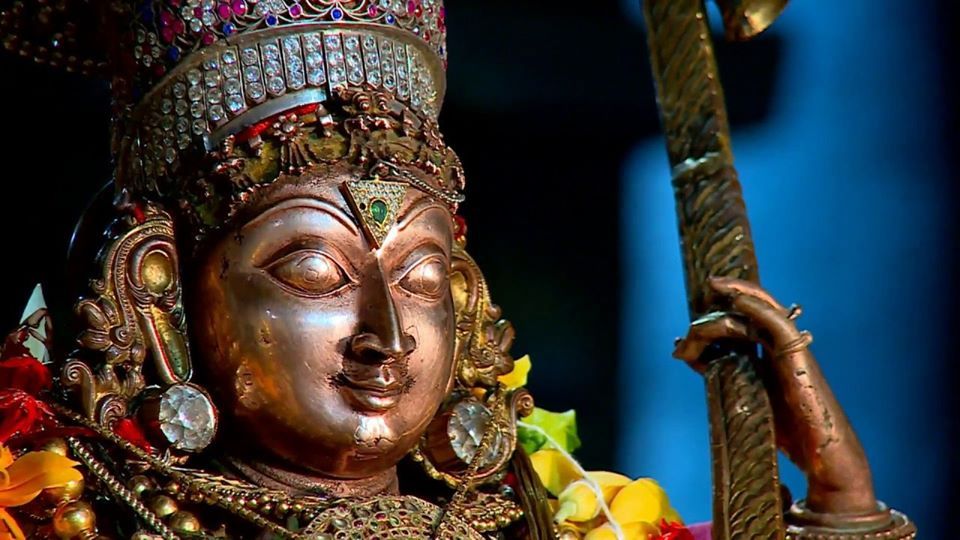
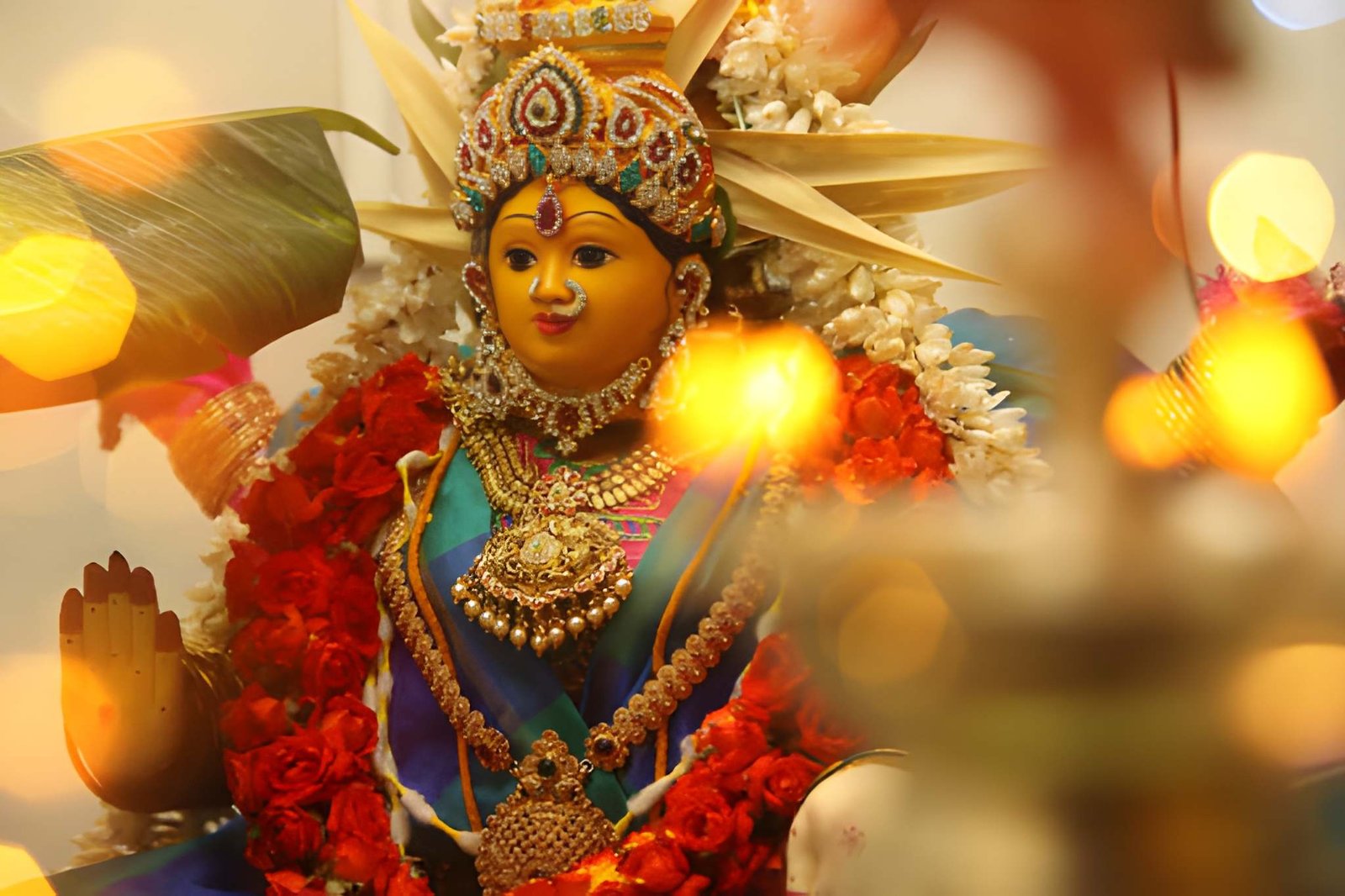
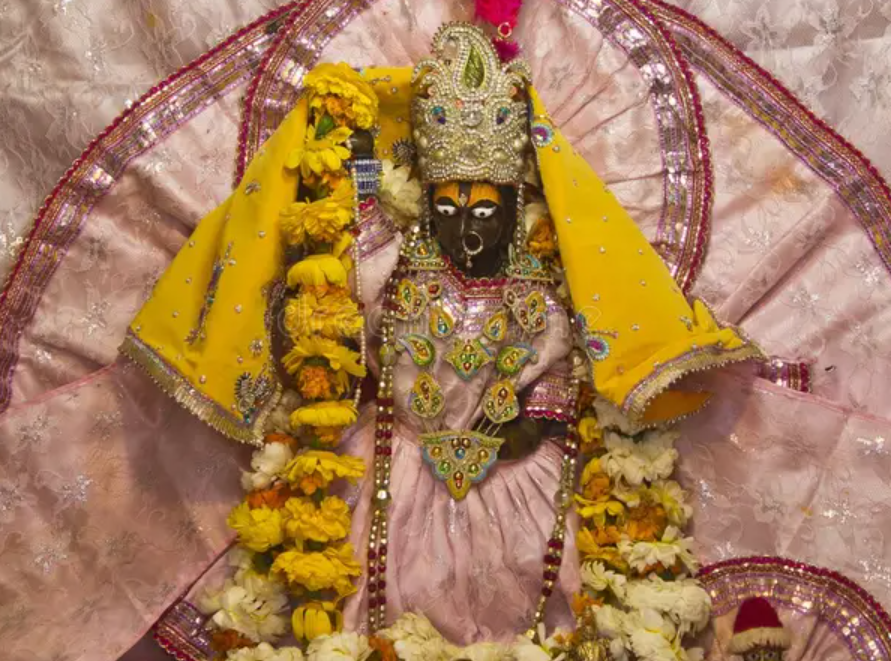
Yamuna Chhath 2026 falls on Tuesday, March 24, bringing with it the sacred occasion of Goddess Yamuna’s divine descent onto this earth. Observed on Chaitra Shukla Shashti, this day is celebrated as the Jayanti of Yamuna Maharani, the daughter of Surya, the sister of Yama, and the beloved companion of Krishna across all of Braj.
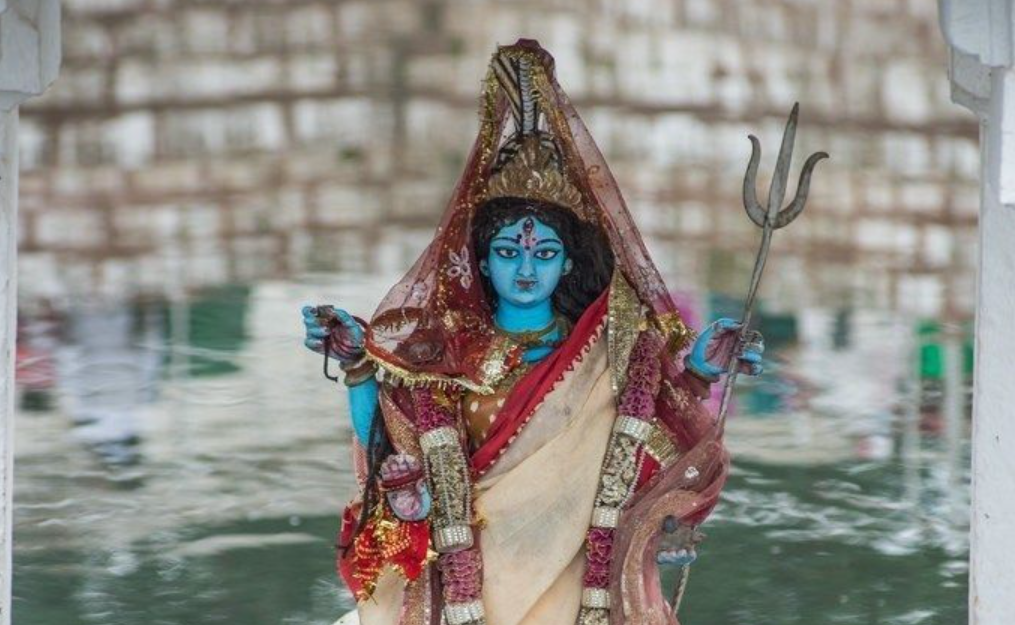
Devotees across Mathura, Vrindavan, and beyond gather at the riverbanks before sunrise, offer flowers and milk upon her waters, and spend the day in fasting, japa, and aarti. Yamuna Chhath 2026 carries special significance as it falls within Chaitra Navratri, deepening the spiritual charge of the observance for all who approach her with a sincere heart.
Yamuna Chhath 2026 Date and Timings
Yamuna Chhath 2026 will be observed on Tuesday, March 24, 2026. The Shashthi Tithi begins at 06:38 PM on March 23, 2026, and ends at 04:07 PM on March 24, 2026. Since the Shashti Tithi is present through the morning and forenoon of March 24, that day is the correct and universally accepted date for the main observance of Yamuna Chhath 2026.
The most auspicious time for snan and puja is the early morning of March 24, from before sunrise through the forenoon muhurat. Devotees near the river are advised to reach the ghat well before sunrise so they can take their ritual bath during the Brahma muhurta and complete their puja while the morning energy is still rising.
The evening aarti and lamp offering, which is one of the most beloved and visually luminous parts of Yamuna Chhath, should be performed as dusk settles on March 24. Those observing the vrat will break their fast after this evening aarti with prasad.
For home worship, the morning puja should be completed between sunrise and mid-morning. The kalash sthapana, avahana, and full puja sequence can be performed during this window with complete spiritual benefit.
Since Yamuna Chhath 2026 coincides with the ongoing Chaitra Navratri, the accumulated Shakti energy of the Navratri period adds further potency to any worship, tarpan, or charitable act performed on this day. Devotees observing both Navratri and Yamuna Chhath 2026 together carry forward a particularly complete and powerful spiritual practice for this season.
Significance of Yamuna Chhath
Yamuna Chhath is not simply a festival marking a date on the Panchang. It commemorates the moment when Goddess Yamuna, moved by compassion for the suffering of ordinary beings, descended from the celestial realm to flow as a river upon this earth. The purification she offers, which might otherwise require lifetimes of austerity, became available to anyone who approaches her waters with a faithful heart.
The Puranas describe her as Surya’s daughter, carrying his divine radiance in a cooling, soothing form. The Mahabharata mentions that bathing in the Yamuna dissolves accumulated karma. The Bhagavata Purana weaves her presence into every chapter of Krishna’s Braj lilas. She is not merely the backdrop of those stories. She is a living participant.
Theologically, Yamuna Chhath places before us the beautiful contrast between her brother Yama, who administers karmic justice without exception, and Yamuna herself, who offers compassion and release to those who sincerely seek purification. To observe Yamuna Chhath is to step into that current of grace.
The day is also especially powerful for tarpan, the offering of water to departed ancestors. Yamuna’s blessing is understood to extend beyond the living, easing the karmic condition of souls in one’s lineage.
How to Observe Yamuna Chhath 2026
Morning Snan and Sankalpa
On the morning of Yamuna Chhath 2026, wake before sunrise. After bathing, dress in clean, light-colored clothes. If you are near the river, go to the ghat and take a ritual bath with folded hands and a recited sankalpa, stating your name, gotra, and the intention of your worship. If you are at home, set up a clean worship space with a copper kalash filled with pure water, ideally Yamuna water if available.
Puja Vidhi Overview
Perform kalash sthapana with mango leaves and a coconut. Invoke Yamuna Maharani with her names: Kalindi, Surya Putri, Yamuna Maharani. Offer water for her feet and hands, then present flowers, sandal paste, kumkum, turmeric, ghee lamps, incense, and naivedya. Read or listen to Yamuna Mahima verses or the Yamuna Ashtakam. Perform tarpan for ancestors using water from the kalash. Complete the morning session with aarti and distribution of prasad.
Vrat Rules
Those who are healthy observe a fast from sunrise through the evening aarti. Nirjala or near-nirjala fasting is the complete form of observance. Elderly devotees and those with health needs observe phalahar, consuming only fruits, milk, and light sattvic items. The fast is broken after the evening aarti with prasad and a light sattvic meal.
What to Offer as Bhog
Milk, seasonal fruits, milk-based sweets, yellow and white flowers, coconut, and honey are the primary offerings for Yamuna Chhath 2026. In Braj traditions, preparations made with milk and traditional Braj-style sweets are especially favored.
Yamuna Chhath Puja Katha for 2026
Listening to or reciting the Yamuna Chhath Katha is an essential part of observing this festival with completeness. The katha narrates the divine descent of Goddess Yamuna from the celestial realm, her compassion toward ordinary beings burdened by karma, and the extraordinary merit she grants to those who approach her waters with faith.
The Katha also describes the eternal bond between Yamuna and Yama, explaining why her blessing is understood to ease the fear of death and lighten the weight of karmic debt for both the living and their departed ancestors.
The best time to recite or listen to the Yamuna Chhath Katha is during the morning puja, after the main offerings have been made and before the aarti. Sitting in a clean, quiet space with the kalash before you, either reading the Katha yourself or listening to a recitation with full attention, transforms the act of worship from an external ritual into an inner experience of the goddess’s presence.
Many devotees in Mathura and Vrindavan listen to Yamuna Mahatmya verses recited by temple priests during Yamuna Chhath, incorporating the Katha naturally into the community puja.
Where Yamuna Chhath 2026 Will Be Celebrated
Mathura and Vrindavan
The heart of Yamuna Chhath 2026 celebrations will be in the Braj region. At Vishram Ghat in Mathura and Kesi Ghat in Vrindavan, devotees will begin gathering before sunrise on March 24 for the ritual bath. Priests will conduct elaborate pujas on the riverbanks, and processions, kirtans, and collective aartis will fill the day. Boat rides with flower offerings are a beloved tradition here, and by dusk the ghats will be luminous with rows of floating lamps.
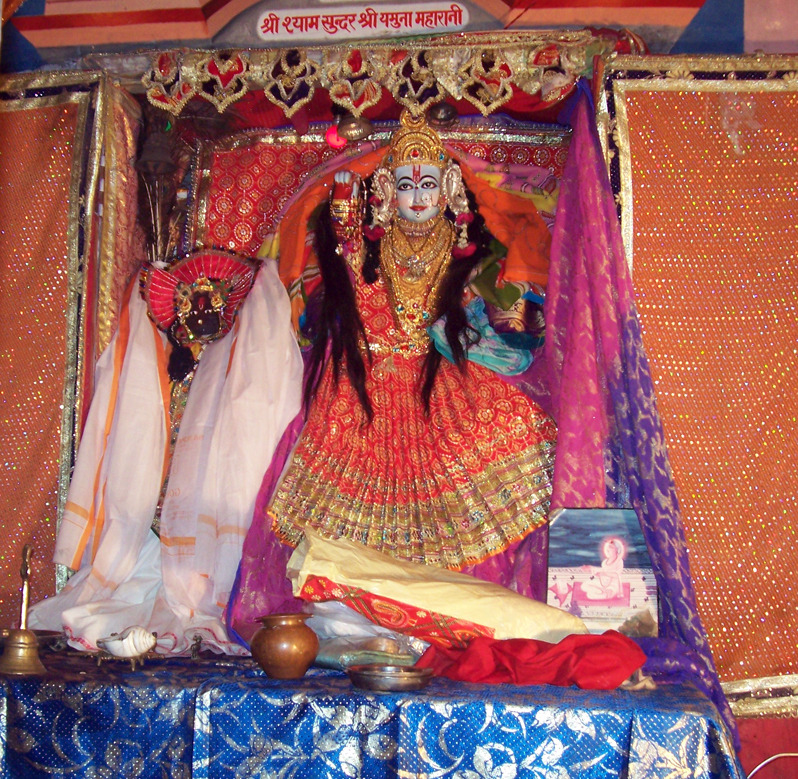
The Sri Yamuna Maharani temple in Vrindavan and the various Radha-Krishna temples across Braj that hold Yamuna in their daily worship will conduct special abhishekam and Yamuna Mahatmya recitations through the day.
Gokul and Govardhan
In these quieter Braj villages where the river’s presence is central to daily Krishna worship, Yamuna Chhath 2026 will be observed with sincere and intimate devotion. Community pujas near the river and household observances with kalash worship are the primary forms of celebration here.
Delhi and Prayagraj
In Delhi, community organizations and temples will conduct group aartis at Yamuna ghats on the morning of March 24. In Prayagraj, devotees will perform snan at the Sangam where the Yamuna meets the Ganga, treating the confluence as a doubly auspicious tirtha on Yamuna Chhath 2026.
Home Celebrations
For devotees who cannot travel to the river, a home puja with a consecrated kalash is fully valid and deeply meaningful. Use Yamuna water if available, or consecrate clean water with sankalpa and her names. Set up a small altar, perform the complete puja sequence, light lamps in the evening, and hold the goddess in your awareness through the day.
Benefits of Observing Yamuna Chhath
Religious Benefits
Yamuna Chhath grants the removal of accumulated sins across this and previous lifetimes through the simple act of faithful snan and sincere worship. The tarpan performed on this day eases the karmic condition of departed ancestors. Those who observe Yamuna Chhath with a clean heart and open devotion receive the blessing of spiritual progress, emotional ease, and the lifting of long-standing karmic burdens.
Astrological Benefits
As the daughter of Surya, Yamuna carries solar energy in a receptive, cooling form. Worship on her Jayanti is particularly beneficial for those with a troubled Surya in their chart or those carrying Pitru Dosha. The jala tattva, the water element, is balanced through sincere observance of Yamuna Chhath 2026, supporting emotional stability, mental clarity, and fertility. For those with Ketu-related spiritual obstructions, the combination of snan, japa, and dana on this day is recommended by Vedic astrology tradition as a gentle and effective remedy.
Do’s and Don’ts on Yamuna Chhath 2026
Do’s
Wake before sunrise and complete your snan before the morning muhurat closes. On Yamuna Chhath 2026, wear clean and light-colored clothes for the entire day as a gesture of purity and readiness. Keep your mind anchored in Yamuna Maharani’s name throughout the day through continuous japa. Perform tarpan for your ancestors using consecrated water. Feed cows, offer grains to birds near water, and distribute food to those in need as acts of seva that extend the spirit of the festival outward. Light oil lamps in the evening at the river or along the boundary of your home and offer floating diyas on the water. Distribute prasad to family members and neighbors.
Don’ts
Do not consume tamasic food on Yamuna Chhath 2026, even if you are not observing a full fast. Avoid harsh speech, arguments, or any form of anger through the day. Do not waste water on a day that honors the goddess of a river. Avoid approaching the puja with the mindset of a transaction, presenting an offering in exchange for a desired result. The appropriate inner posture is one of gratitude and surrender. Do not skip the evening aarti and lamp lighting, as these form an essential part of the complete observance.
Explore full rituals, traditions, and the complete puja vidhi for Yamuna Chhath: https://templeconnect.com/yamuna-chhath/
Frequently Asked Questions
When is Yamuna Chhath 2026? Yamuna Chhath 2026 falls on Tuesday, March 24, 2026. The Shashthi Tithi begins at 06:38 PM on March 23 and ends at 04:07 PM on March 24, making March 24 the correct date for the main observance.
What is the best time for puja on Yamuna Chhath 2026? The most auspicious time for snan and morning puja is before sunrise through the forenoon on March 24. The evening aarti should be performed at dusk, after which the vrat is concluded with prasad.
Who is worshipped on Yamuna Chhath? Goddess Yamuna, also known as Kalindi and Yamuna Maharani, is the central deity. In Vaishnava homes and Braj temples, Krishna is also worshipped alongside her in acknowledgment of their inseparable connection through the lilas of Braj.
Can people who are not near the Yamuna observe Yamuna Chhath 2026? Yes. A kalash filled with pure water, consecrated with sankalpa and Yamuna’s names, serves as her presence on the home altar. Many devotees use Yamuna water brought from Mathura or Vrindavan for this purpose.
What is the fasting rule for Yamuna Chhath 2026? The full vrat involves fasting from sunrise until the evening aarti. Healthy devotees observe nirjala or near-nirjala. Those with health concerns observe phalahar. The fast is broken after the evening aarti with prasad and a light sattvic meal.
Is Yamuna Chhath the same as Chhath Puja? No. Chhath Puja of Kartik month is dedicated to Surya and Chhathi Maiya with a four-day nirjala discipline. Yamuna Chhath falls in Chaitra and is entirely focused on Goddess Yamuna. They share no ritual overlap.
What charity is recommended on Yamuna Chhath 2026? Feeding the hungry, distributing milk-based sweets as prasad, feeding cows, offering ghee lamps at the river or temple, and donating water-related items or copper vessels are all highly meritorious acts of dana on Yamuna Chhath 2026.
Why is Yamuna Chhath 2026 especially significant? Yamuna Chhath 2026 falls within Chaitra Navratri, a period of elevated Shakti energy. The simultaneous observance of Navratri and Yamuna’s Jayanti deepens the spiritual power of any worship, tarpan, or charitable act performed on this day.
Conclusion
Yamuna Chhath 2026 arrives on Tuesday, March 24, carrying with it the same sacred current that has flowed through this festival for centuries. Goddess Yamuna descended to this earth so that ordinary beings, burdened with the weight of accumulated karma and the confusion of daily life, could find purification in the simple act of approaching her with faith. That offer has never been withdrawn.
Whether you observe Yamuna Chhath 2026 at Kesi Ghat in Vrindavan, at a city riverbank in Delhi, or before a consecrated kalash in your home, the goddess is present wherever her name is spoken with sincerity. Take your bath before sunrise on March 24, offer her flowers and milk, sit with her katha, light your lamps at dusk, and let her waters do what they have always done.
May Yamuna Maharani bless every devotee who observes Yamuna Chhath 2026 with a purified heart, ancestral peace, and the quiet joy of her divine grace.
Yamuna Maharani ki Jai.
For the complete guide to Yamuna Chhath including detailed puja vidhi, vrat katha, astrological significance, and regional traditions, read the full article at: https://templeconnect.com/yamuna-chhath/
Yamuna Maharani ki Jai!
Help Us Keep This Guide Accurate
At Temple Connect, we regularly update our content to ensure you receive the most relevant and authentic information. If you’d like to suggest improvements, share regional traditions, or report any updates, we’d love to hear from you at connect@templeconnect.com
Follow us on our X platform.
Note to Readers: This article is intended for educational and devotional purposes. The information presented is based on traditional Hindu scriptures, contemporary religious practice, and scholarly research.
Individual observance may vary based on family tradition, regional custom, and personal circumstance. For specific guidance, especially regarding complex astrological remedies, please consult qualified priests, pandits, or Vedic astrologers. The health-related aspects mentioned are traditional beliefs and should not replace professional medical advice.